


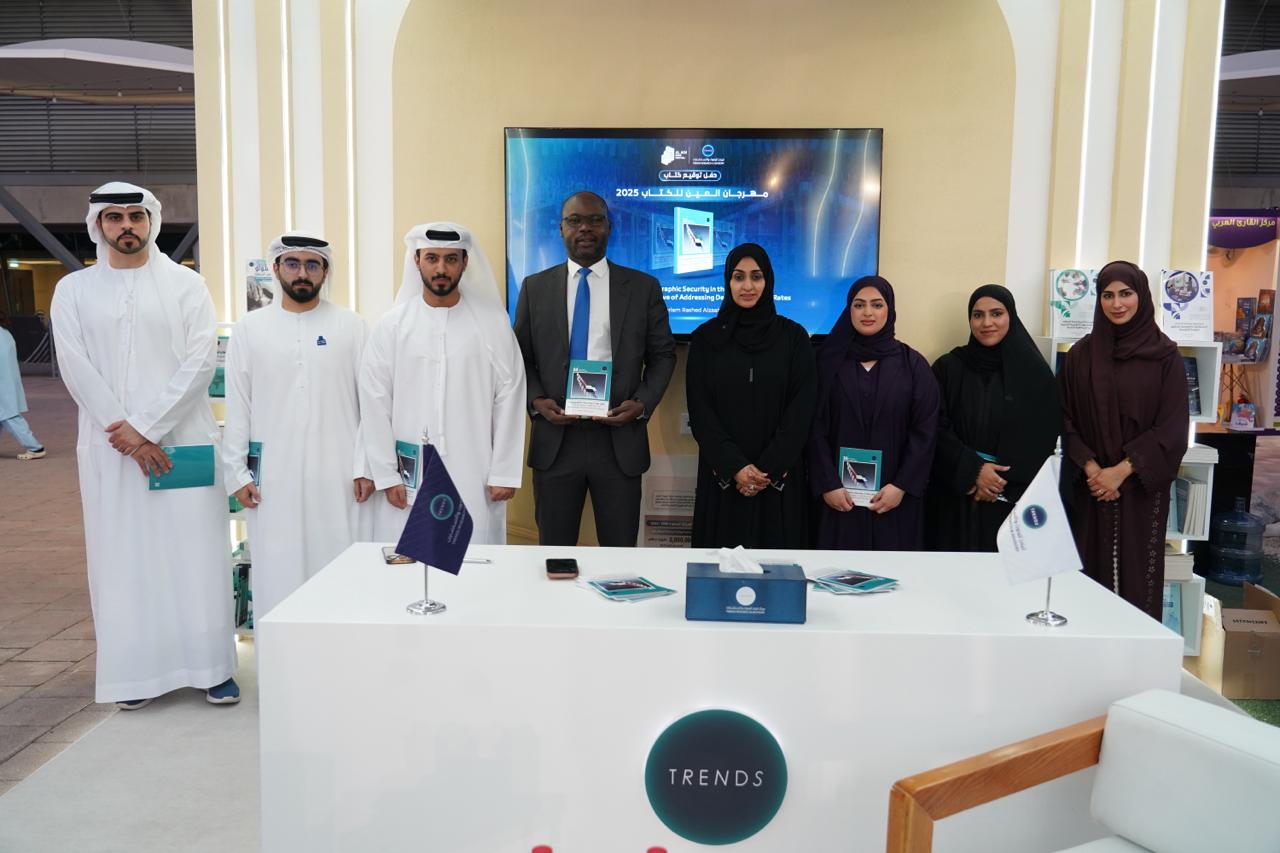
During a signing ceremony at its pavilion at the Al Ain Book Festival 2025, TRENDS Research & Advisory launched a new study, Demographic Security in the United Arab Emirates: The Strategic Necessity of Addressing Declining Fertility Rates. The study, authored by researcher Mariam Rashed Al-Zaabi, Head of the Academic Guidance Department at the Scholarships Office, reveals a sharp decline in the total fertility rate among Emirati citizens, from 4.54 children per woman in 1990 to just 1.2 in 2021, which poses a growing threat to demographic security.
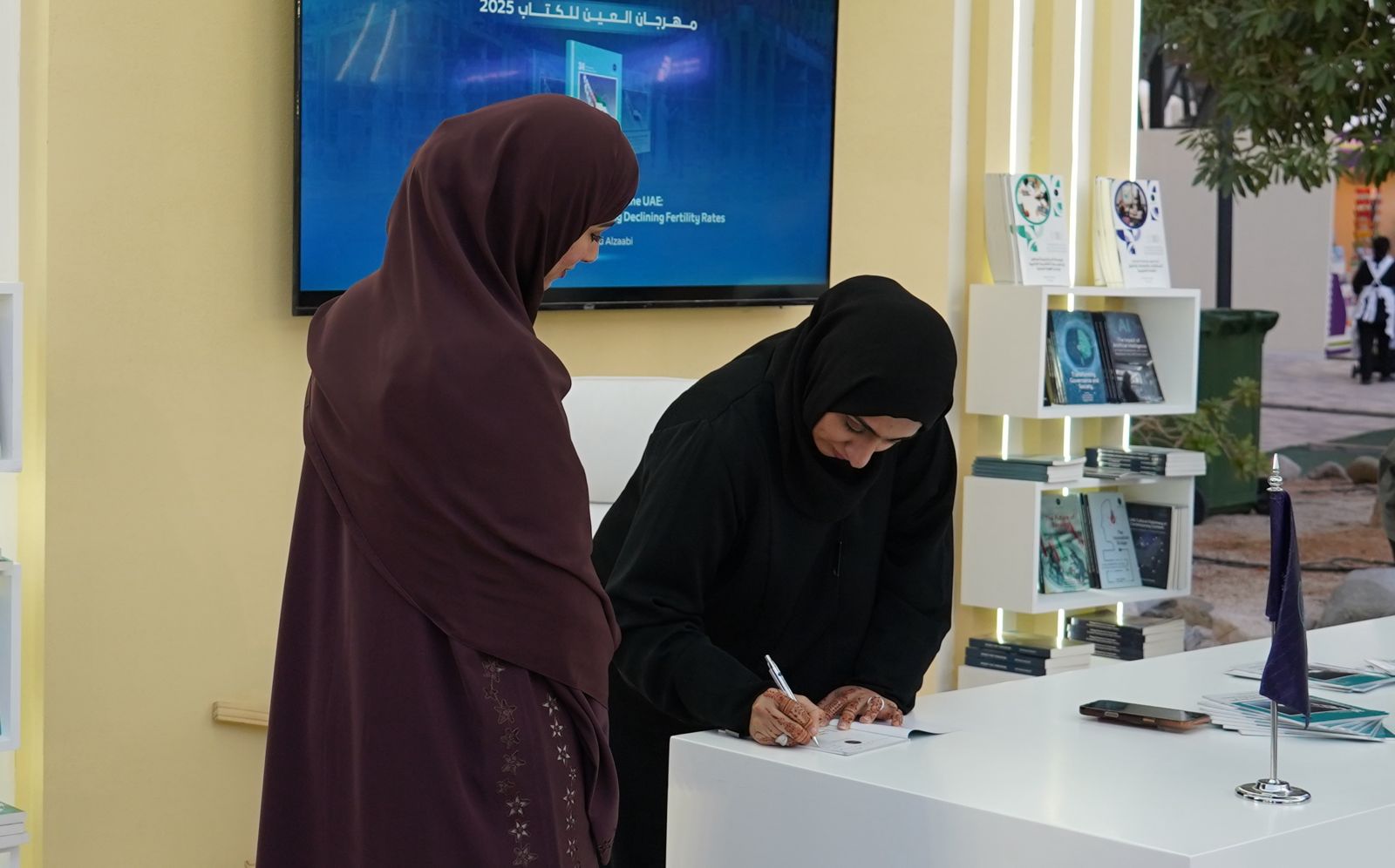
The study explains that the continued decline in fertility raises serious concerns about the sustainability of the national workforce, the preservation of cultural identity, and the state’s long-term strategic capabilities.
It further notes that, despite their importance, current government initiatives have not yet succeeded in addressing the structural factors hindering family growth, including limited fertility education, a shortage of workplace childcare services, and the absence of long-term financial planning programs designed to support families.
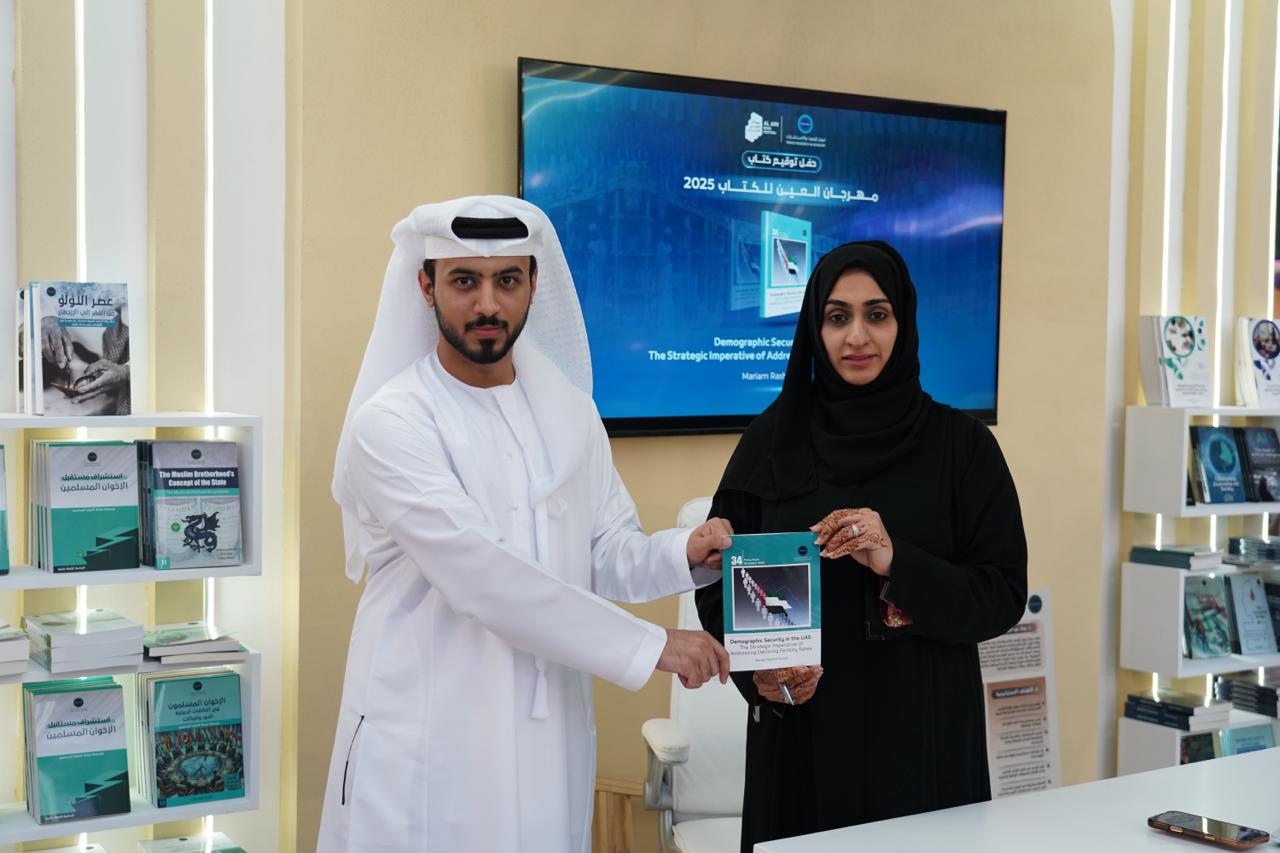
The study proposes developing a National Fertility Education and Family Guidance Program to raise awareness of fertility, provide reproductive health guidance, and promote a culture of early parenthood planning among youth.
It calls for the program to be implemented under the Ministry of Health and Prevention, in integrated partnership with educational and media institutions. This approach, the study argues, represents a shift from short-term incentive policies to long-term solutions that empower families. The study concludes that strengthening demographic security through such initiatives would reinforce national identity, support social sustainability, and enhance the United Arab Emirates’ strategic resilience.
Youth and the Cultural Landscape
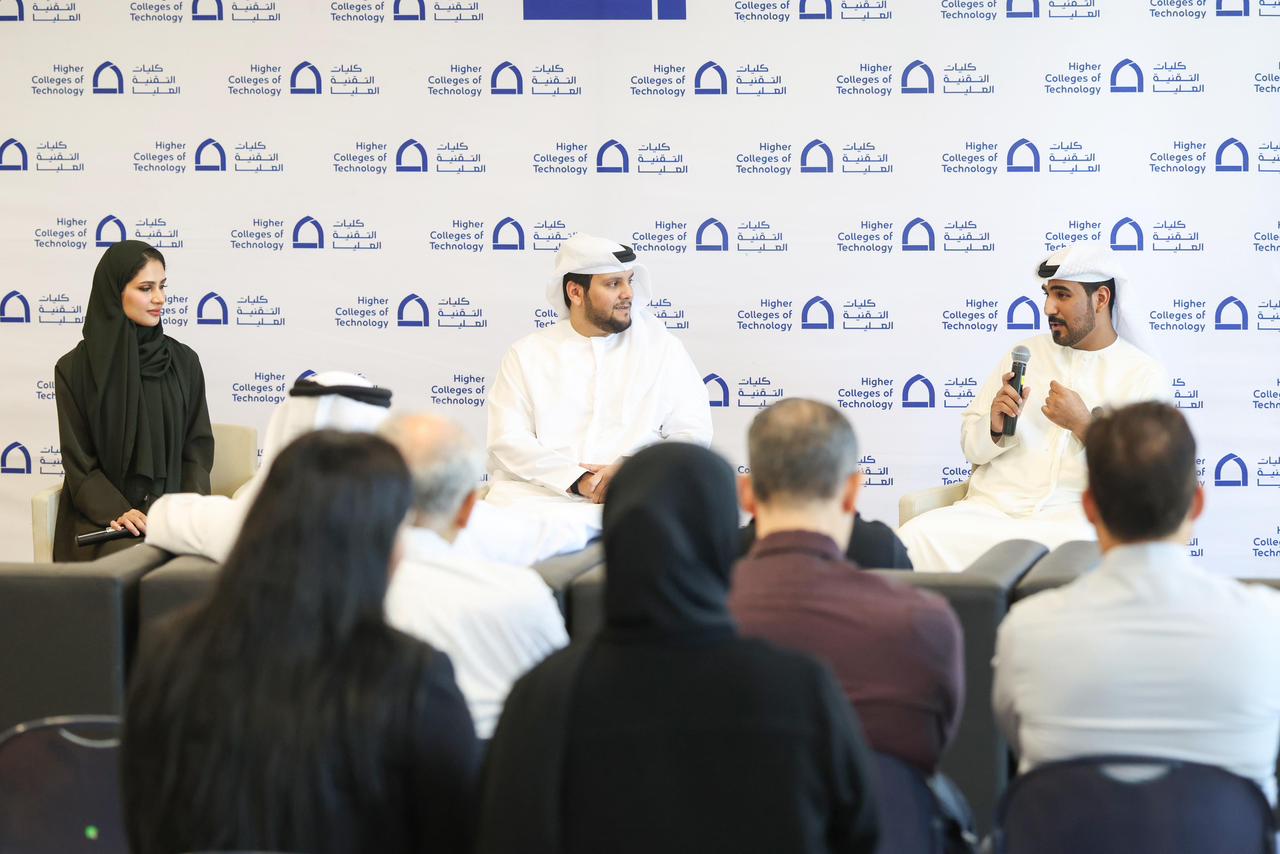
As part of the cultural program at the Al Ain Book Festival 2025, Trends Youth Council, represented by researcher Saif Al-Nuaimi, participated in a panel discussion, Youth and the Cultural Landscape, hosted by the Higher Colleges of Technology in Al Ain. Dr. Yousif Al-Hammadi, Executive Director of HCT Al Ain, along with a notable youth and academic audience, attended the event.
Researcher Saif Al-Nuaimi’s contribution, titled Sustaining Cultural Participation and the Future of the Cultural Landscape, emphasized the need to view culture as a continuous practice and a way of life, rather than a temporary activity that fades once an event ends. He noted that sustaining culture depends on constant learning, communication, and exchange of knowledge, stressing that young people are the “spirit of culture” and its central driving force.
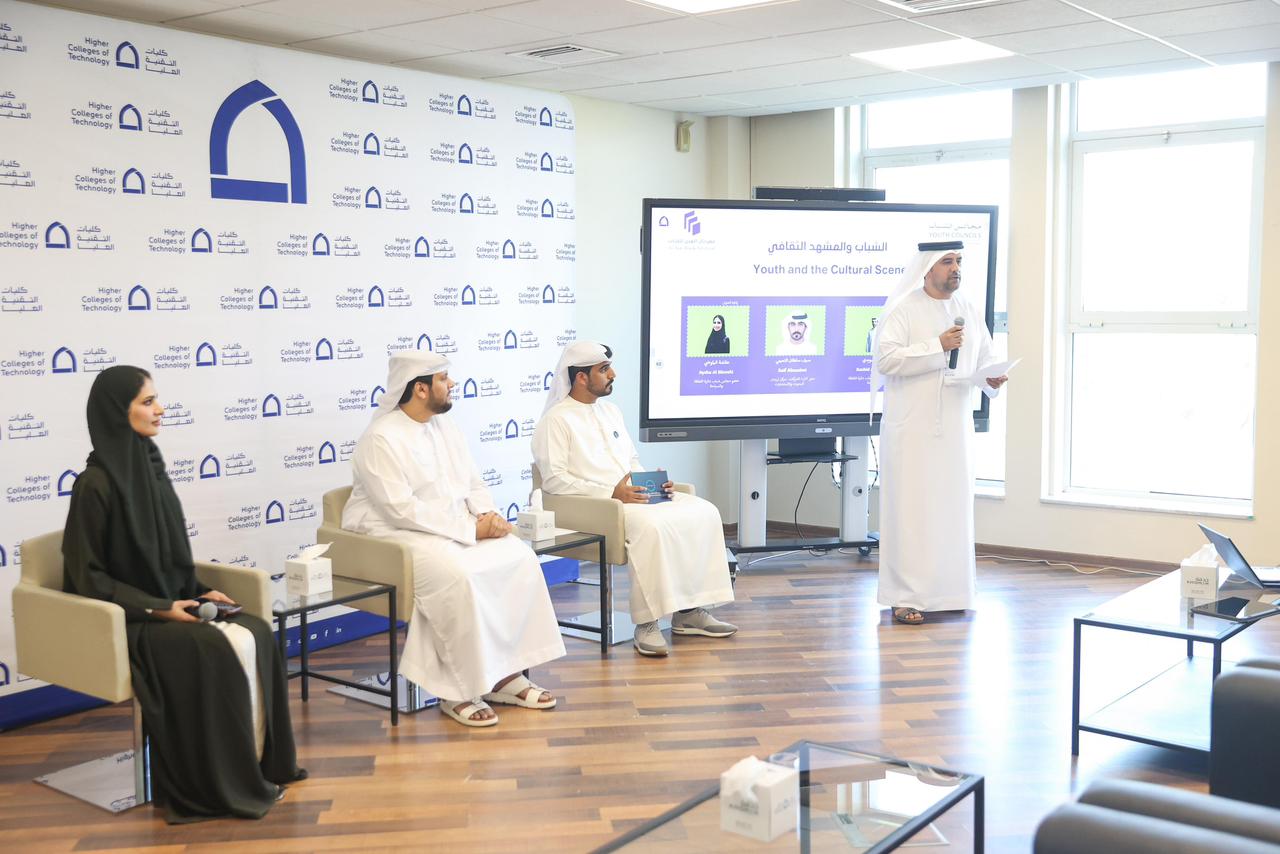
Al-Nuaimi explained that TRENDS’ own experience through its programs and activities has shown that youth are ready to engage actively when they have real opportunities and spaces that align with their interests. He added that culture today is no longer confined to traditional forms or tools but has become far more interactive and closely connected to modern media.
He pointed out that technology now serves as a significant gateway for young people to access cultural materials, whether through videos, digital platforms, or interactive content. He cited TRENDS’ artificial intelligence workshops, which demonstrated young people’s ability to innovate when content is presented in modern, appealing ways.
Al-Nuaimi also highlighted the role of education in consolidating a sustainable cultural landscape. He noted that initiatives such as the TRENDS Youth Research Fellowship Program have enabled young people to produce knowledge and participate in scientific discussions, thereby enriching societal culture and developing intellectual awareness.
He touched on young people’s vision for the cultural future, citing the words of His Highness Sheikh Mohamed bin Zayed Al Nahyan, President of the UAE, may God protect him.
Al-Nuaimi noted that youth aspire to a cultural landscape that is digital, simple, relevant to their interests, and more interactive. They want to be genuine contributors to cultural creation, not just passive recipients.
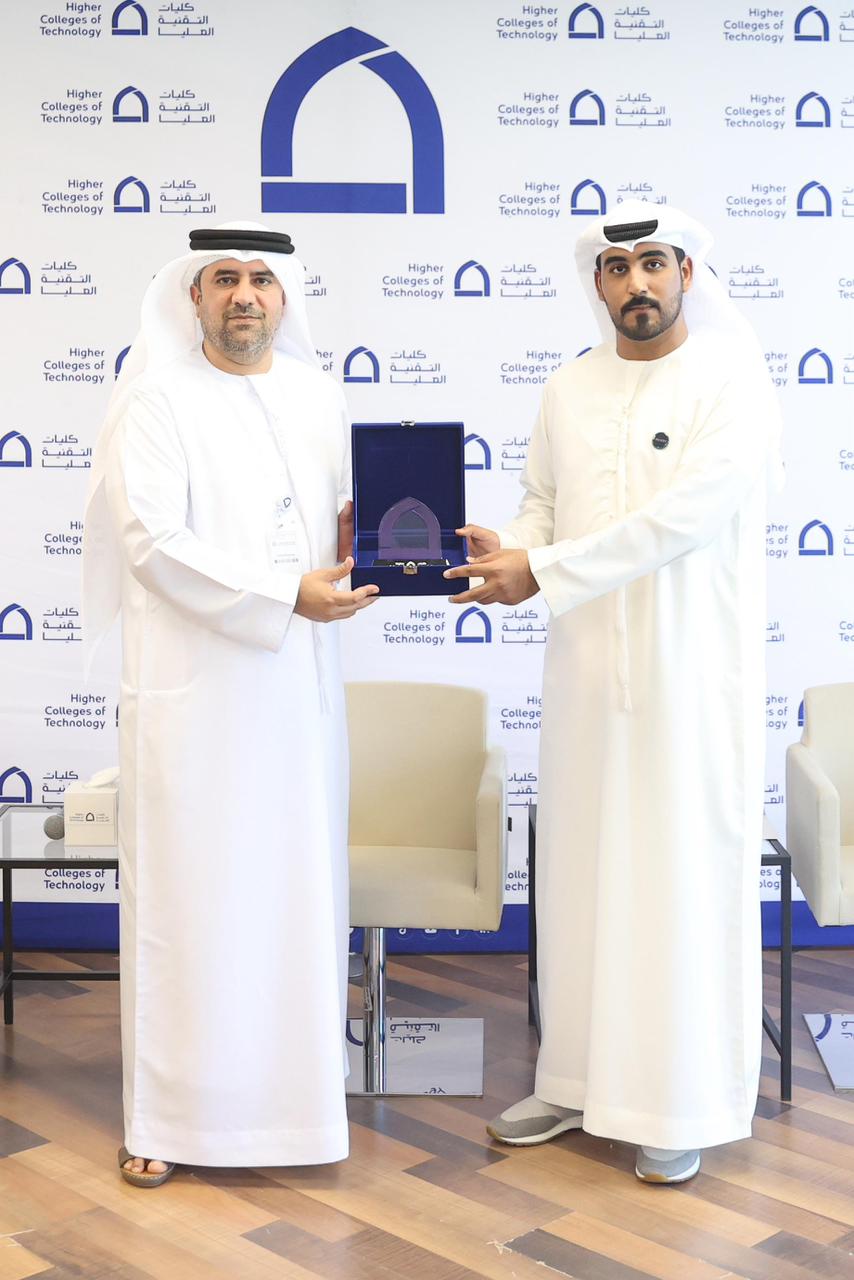
At the conclusion of his remarks, the TRENDS researcher presented four practical recommendations to strengthen youth participation in the cultural sphere. These included transforming culture into a lived, engaging experience rather than a fleeting event; involving young people in shaping cultural and creative activities and content and giving them influential roles; increasing investment in digital cultural content that resonates most strongly with the new generation; and measuring the impact of cultural programs and events to ensure continuous improvement and achieve youth aspirations.
He affirmed that the cultural future will be brighter and richer if youth are given the trust and space to become true partners in shaping cultural mobility.
Al-Nuaimi also extended his gratitude to the organizers of the Al Ain Book Festival 2025 and the audience, stressing the importance of such platforms in supporting cultural engagement between institutions and young people.
