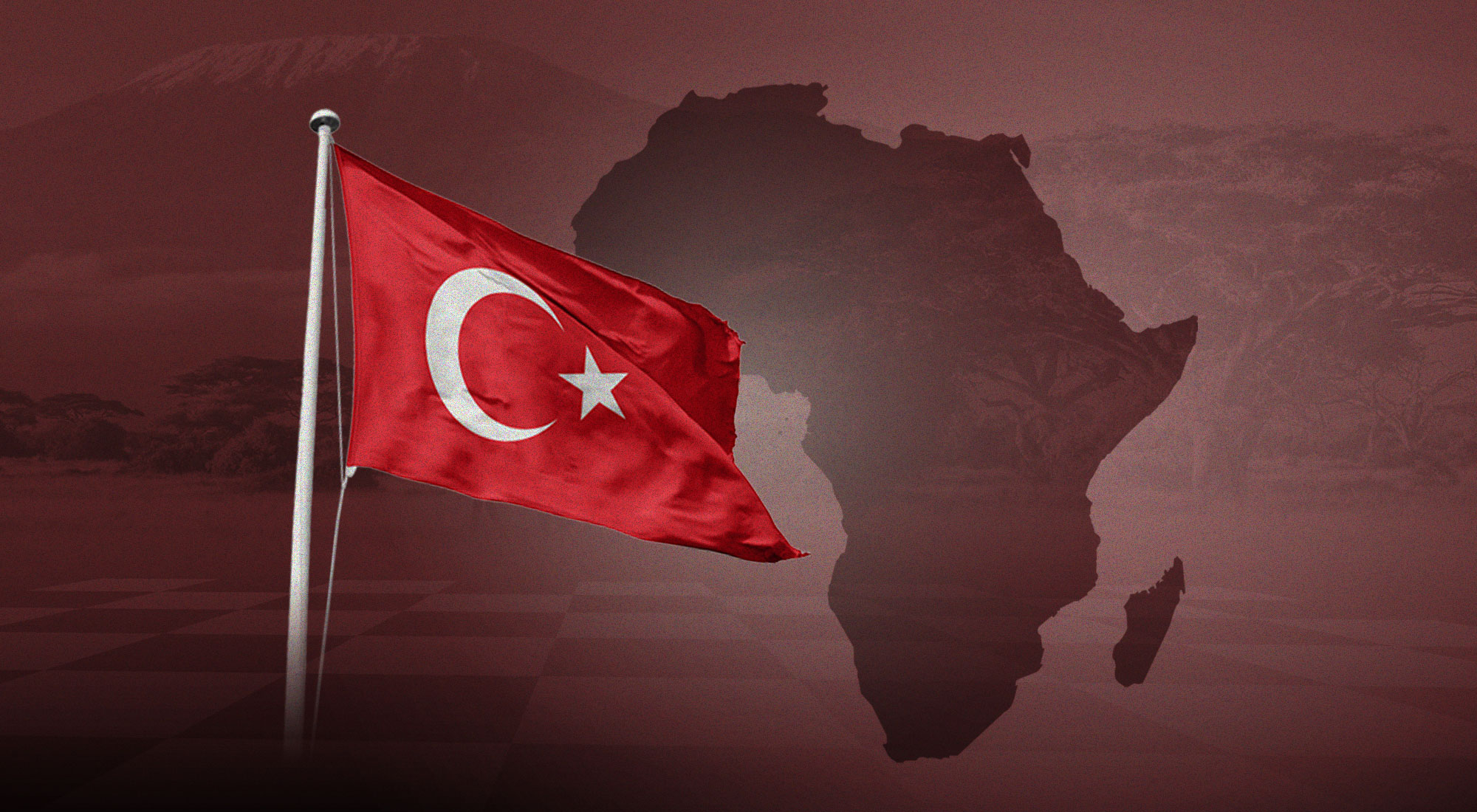

Türkiye’s footprint in Africa has grown markedly in recent years, signaling a strategic shift in Ankara’s foreign policy and a recalibration of regional dynamics. The Türkiye-Africa Business and Economic Forum,[1] held in Istanbul on 16-17 October, brought together African leaders, businessmen, and policymakers under the auspices of Türkiye’s Ministry of Trade and the African Union. Turkish President Recep Tayyip Erdoğan’s address at the forum underscored the exponential expansion of Türkiye’s ties with the continent, highlighting surging trade volumes, deepening defense partnerships, and the pursuit of multi-sectoral cooperation. Projecting bilateral trade with African states to reach US$50 billion by 2028, Türkiye is redefining its role in a region where it previously maintained limited engagement until the 2010s. This insight provides a comprehensive analysis of Türkiye’s evolving relationship with Africa—with particular emphasis on the Sahel region—examining historical drivers, activist policies, competitive positioning, and the prospects for future collaboration, including (mis)alignment with U.S. strategic interests.
Historical Context and Strategic Motivations
Türkiye’s engagement with Africa has undergone a profound transformation over the past decade. Historically, Türkiye’s connections to the continent were primarily rooted in its ties to the Maghreb, reflecting centuries of shared history, cultural exchange, and Ottoman legacy. For much of the 20th century, Ankara’s involvement in sub-Saharan Africa was limited, shaped by geographic distance and differing strategic priorities. However, the early 21st century saw a gradual but deliberate pivot, driven by Türkiye’s quest for diversified markets, diplomatic influence, and a desire to position itself as a global actor.
This shift was catalyzed by Türkiye’s adoption of multi-vector foreign policies, seeking opportunities in regions previously considered peripheral. The 2005 declaration of “The Year of Africa” marked a milestone, with Türkiye opening embassies across the continent and expanding its diplomatic footprint. By 2023, Türkiye had established missions in over 40 African countries, illustrating an enduring commitment to engagement. The continent’s demographic growth, economic potential, and increasing role in global affairs have made Africa an attractive partner for Ankara. Notably, Türkiye’s ambitions are not limited to economic gains:[2] they reflect a broader strategy to cultivate influence, shape regional norms, and project power.
Türkiye’s evolving strategy is also informed by the changing international landscape. As Western powers recalibrate their engagement and as Russia and China vie for dominance, Ankara has identified a unique entry point—particularly in regions marked by political volatility and shifting alliances. The Sahel, with its ongoing security challenges and the emergence of new power centers, exemplifies the opportunities and risks inherent in Türkiye’s Africa policy.
Türkiye’s Activist Foreign Policy: Trade, Defense, and Multi-Sectoral Cooperation
Central to Türkiye’s engagement in Africa is its activist foreign policy, characterized by proactive diplomacy, robust economic initiatives, generous humanitarian aid, and the export of advanced defense technologies. President Erdoğan’s administration has championed a model that blends humanitarian outreach, investment in critical sectors, and the cultivation of strategic partnerships. The Istanbul Forum served as a platform to showcase these priorities,[3], [4] emphasizing Türkiye’s commitment to fostering sustainable development, supporting African-led solutions, and facilitating technology transfer.
Trade remains a cornerstone of Türkiye’s outreach, with bilateral exchanges expanding rapidly across sectors such as construction, energy, agriculture, and infrastructure. Turkish contractors have completed major projects, from airports in Senegal to hospitals in Nigeria, leveraging Ankara’s reputation for quality and reliability. Beyond commerce, Türkiye’s defense industry has emerged as a key driver of influence, with Turkish unmanned aerial vehicles (UAVs), armored vehicles, naval platforms, and training programs becoming integral to the security architectures of several African states.
Türkiye’s approach is distinguished by its willingness to engage with states facing instability, particularly those under military rule or grappling with insurgency. This readiness to operate in high-risk environments, coupled with flexible financing and tailored solutions, has enabled Türkiye to outpace competitors such as China, Israel, and the United States in select domains. Ankara’s multi-sectoral cooperation extends to education, health, and capacity building, reflecting a holistic view of partnership that resonates across the continent. These endeavors are often accompanied by anti-colonial rhetoric and the argument that Türkiye, unlike Western powers, is seeking a more equitable partnership in Africa rather than mere clients or resource farms. This argument, mirroring those employed by forces opposing the West, Russia, and China, has credence and nuance—as Türkiye charts a unique foreign policy while benefiting from membership in Western institutions such as NATO and the OECD.
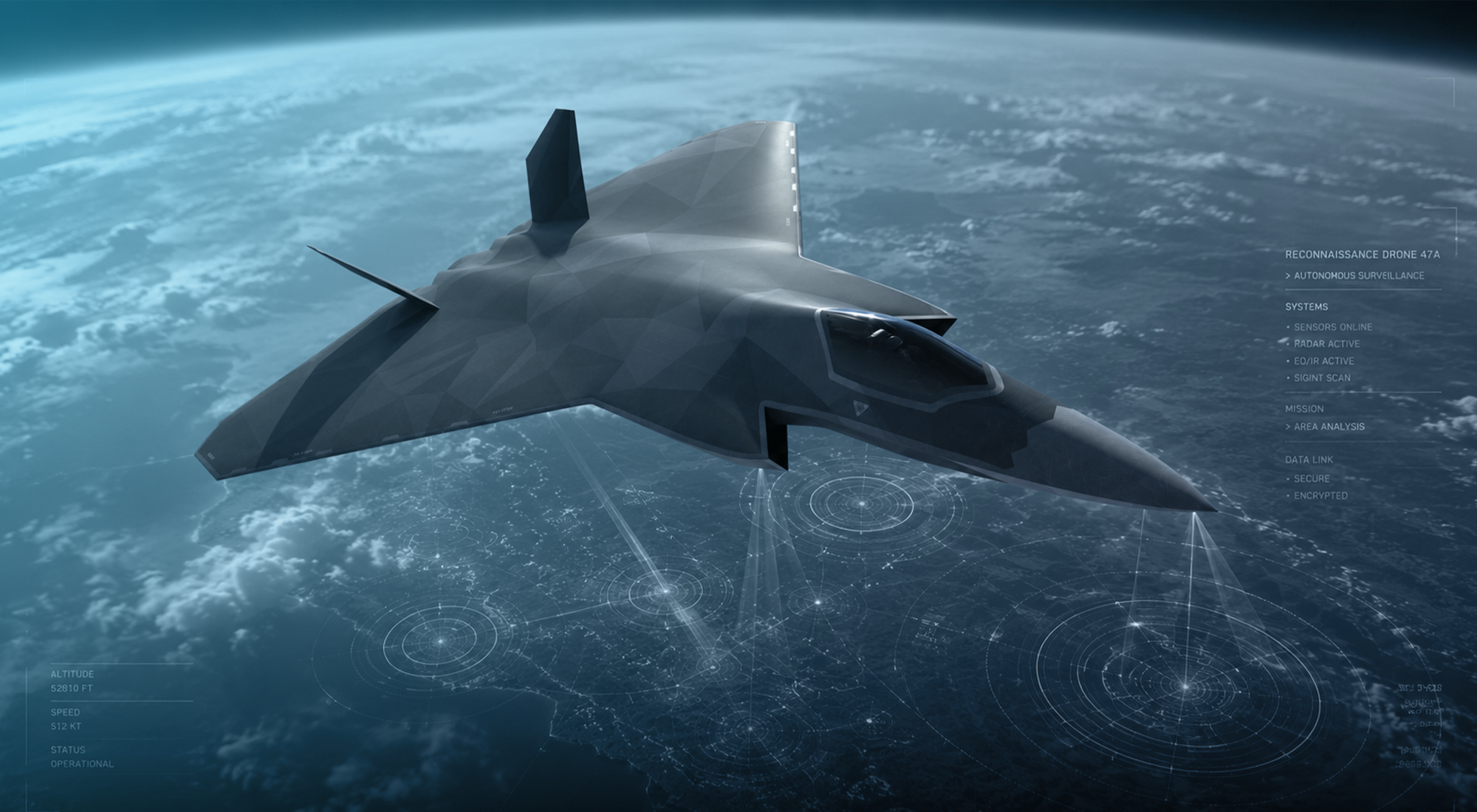
Notably, Türkiye’s rise as Africa’s principal supplier of UAVs marks a significant milestone in the continent’s defense landscape. According to recent reports, Turkish UAV exports have surpassed those of traditional suppliers such as China, Israel, and the United States,[5] making Ankara the continent’s primary source of advanced drone technology. The Baykar Bayraktar TB-2 and Akıncı models are now operational in several African states, providing critical capabilities for surveillance, reconnaissance, and targeted operations.
This technological transfer, including a drone warfare doctrine, has not only enhanced the operational effectiveness of African militaries but has also elevated Türkiye’s diplomatic leverage, enabling deeper security cooperation and opening doors for broader engagements across the continent. As Turkish-made drones become integral to the security strategies of states grappling with insurgency and border threats, Ankara’s role as both a supplier and strategic partner is solidifying. This influence is especially pronounced in the Sahel, where Türkiye’s willingness to provide advanced systems, training, and flexible support aligns with the region’s pressing security needs and fosters durable alliances at a time when other external powers are reassessing their commitments. With Türkiye, African states have the unique opportunity to utilize NATO-grade defense products without the political conditions often applied to such sales.
Rise of the Alliance of Sahel States (AES) and Türkiye’s Positioning
The Sahel region has emerged as a focal point for Türkiye’s strategic expansion. Once considered a zone of limited engagement, the Sahel now represents a laboratory for Ankara’s foreign policy ambitions.[6] Türkiye’s outreach to Niger, Gambia, and Burkina Faso marks a deliberate effort to cultivate new alliances, support stabilization efforts, and assert itself as a power broker amidst shifting allegiances.
The geopolitical landscape of the Sahel has undergone rapid transformation since 2023, driven by the withdrawal of Western powers such as France and the United States, Russia’s reorientation, and the emergence of new alliances. The formation of the AES in 2023—comprising Mali, Burkina Faso, and Niger—marked a critical moment,[7] as these countries exited the Economic Community of West African States (ECOWAS) and asserted their autonomy under a newly formed military rule. At the time, this tectonic shift appeared to mark a breaking point for American and European influence in West Africa. The institutional structure backed by the United States and EU seemed to falter, with regional states preaching anti-Western rhetoric while seeking access to Moscow.
France’s diminishing influence and the recalibration of American engagement with West Africa have pushed the AES under Moscow’s influence, creating a proxy-like relationship for Russia to pursue its policy objectives in Africa. This endeavor, however, now appears to have been cut short. The Russian Africa Corps—formerly known as the “Wagner Group”—is reportedly leaving select Sahelian states,[8] and the AES can no longer rely on Russia as a supplier of effective and affordable weaponry. Russia, preoccupied with the war in Ukraine and restructuring its military-industrial complex,[9] has been less able to sustain its involvement in the Sahel. This strategic opening has facilitated Türkiye’s emergence as a parallel force, offering alternative models of partnership and support.
Türkiye’s engagement with the AES is characterized by pragmatism and adaptability.[10] While Ankara does not explicitly endorse the revisionist agenda of the AES, it has moved swiftly to forge ties with the region’s juntas, balancing interests and avoiding entanglement in ideological disputes. This approach has enabled Türkiye to maintain access, exert influence, and contribute to stabilization efforts, while competitors struggle with shifting allegiances and operational constraints. Türkiye has emerged as the ideal alternative power—capable of providing for Sahelian security without the risks associated with either Russian or Western interference in politics.
This calibrated diplomacy has allowed Türkiye to expand its footprint in the Sahel without alienating key actors or becoming embroiled in the internal politics of the Sahel states. By prioritizing practical cooperation—such as military training, technology transfers, and investment in vital sectors—over overt alignment with the political ambitions of local regimes, Ankara has positioned itself as a reliable partner capable of delivering tangible benefits. As a result, Türkiye’s relationships with Mali, Burkina Faso, and Niger are grounded in mutual interests and operational effectiveness, providing a foundation for deeper collaboration even as the region’s geopolitical dynamics remain in flux.
The political realignment in the Sahel is also reshaping the broader international system. As the AES consolidates its position, Türkiye’s involvement is redefining the contours of regional power, challenging traditional hierarchies, and setting precedents for future engagement. Ankara’s ability to navigate these complexities reflects its growing sophistication as more than a simple regional actor. Türkiye’s policies now directly impact the Sahelian power matrix—adding a complex layer to the country’s Africa policy—and adding credence to its position as a global defense player.[11] This alignment allows Türkiye to project power in a novel arena and further bind adjacent regions within a more comprehensive Africa policy.
Case Studies
a. Mali
Mali’s partnership with Türkiye is multifaceted, encompassing defense, economic cooperation, and crisis management. The country has operated Turkish UAVs since 2022, initially relying on Baykar’s Bayraktar TB-2 models before upgrading to Akıncı units in late 2024.[12] These assets have been deployed in operations against insurgent groups, border monitoring, and crisis response. The April 2025 incident involving a Turkish-made UAV near the Algeria-Mali border highlighted the operational risks and diplomatic sensitivities inherent in such partnerships.[13]
Security cooperation has been complemented by formal agreements as Türkiye has provided training, logistical support, and technical expertise, enhancing Mali’s capacity to respond to threats. Economic engagement has also expanded, with Turkish firms investing in infrastructure and energy projects. The relationship is grounded in shared interests—security, stability, and development—even as challenges persist. Recently, Turkish defense products were showcased at the country’s Bamako Expo Fair.[14] Notably, only Turkish companies participated in the fair with stands—marking Türkiye’s drive to pursue relations despite challenges.[15]
b. Burkina Faso
Burkina Faso’s engagement with Türkiye centers on defense and counterterrorism. The Burkinabe military has integrated Turkish UAVs and received technical assistance in building operational capacity.[16] The May 2025 visit of Türkiye’s Deputy Foreign Minister signaled Ankara’s solidarity as Burkina Faso confronts terrorism and insurgency.[17] Participation in defense fairs and collaborative training programs has deepened ties, while Turkish support has contributed to the country’s resilience in the face of complex threats.
Beyond security, Türkiye has invested in developmental sectors, supporting education, healthcare, and infrastructure. These initiatives reflect Ankara’s commitment to holistic engagement, addressing both immediate needs and long-term growth. Burkina Faso’s willingness to collaborate with Türkiye underscores the appeal of Ankara’s model, which combines flexibility, reliability, and a focus on delivering results.
c. Niger
Niger’s relationship with Türkiye is the most comprehensive among AES members, integrating defense, intelligence, and economic cooperation. The Military Financial Cooperation Agreement[18] signed during IDEF 2025, the largest biennial defense exhibition in Istanbul, established a framework for joint initiatives, including the training of Niger’s military forces and the expansion of intelligence capabilities. Türkiye has played a critical role in supporting Niger’s efforts to modernize its military, secure borders, and counter insurgency.
Economic collaboration has focused on mining, with Turkish companies operating in high-risk environments and contributing to Niger’s economic diversification. These ventures have provided employment, technology transfer, and capital investment, reinforcing the strategic partnership. Türkiye’s ability to navigate complex political landscapes and deliver tangible benefits has solidified its role as Niger’s preferred ally in an era of uncertainty.
Reportedly, Türkiye is now preparing to train Niger’s military forces,[19] deploying a comprehensive military advisory mission to the country. As Russian assistance to Niger diminishes, Türkiye is stepping in to train the country’s military on insurgency and counterterrorism, providing extensive expertise from Türkiye’s own struggles against militant groups in the Middle East. Türkiye is now poised to assist Niger in its struggle against al-Qaeda affiliates and the Islamic State (ISIS).
Multilateralism and internationalism: Türkiye’s broader ambitions in Africa
Türkiye’s outreach to the AES and the broader continent reflects its ambition to serve as an alternative power center in Africa and on the global stage. While Türkiye cannot rival the scale of the United States, Russia, China, or the EU, its strategic positioning and investment in critical sectors have enabled it to maneuver adeptly through regional transitions. Ankara’s approach is informed by a holistic vision of Africa’s role in the international system, emphasizing partnership, mutual respect, and shared prosperity.
Türkiye seeks to leverage Africa’s burgeoning economies to advance global power redistribution, advocating for UN reform and the strengthening of regional organizations. Ankara’s bid to join BRICS[20]—whose membership includes African powerhouses such as South Africa, Egypt, and Ethiopia—is part of a broader strategy to align with emerging blocs and shape international norms through collective decision-making. Engagement with the African Union has focused on common agendas, including simplified global trade, capacity building, and support for democratic transitions.
Türkiye’s multilateral ambitions are grounded in pragmatism and a recognition of Africa’s growing influence. By positioning itself as a facilitator and partner, Türkiye aims to foster inclusive growth, promote stability, and contribute to the continent’s integration into the global economy. This approach has resonated with African leaders, who appreciate Ankara’s commitment to equitability, respect, and shared objectives.
(Mis)alignment with U.S. foreign policy: opportunities for strategic cooperation
Türkiye’s expanding presence in Africa offers potential avenues for strategic convergence with the United States, particularly in the context of balancing Russian and Chinese influence. The rapport between President Erdoğan and U.S. President Donald Trump provides a foundation for dialogue, while shared interests in stability, counterterrorism, and the protection of trade routes create opportunities for collaboration. Joint frameworks with the United States could focus on supporting governments that have distanced themselves from the West, providing security assurances and promoting de-radicalization. Additionally, cooperation on safeguarding natural resources and critical infrastructure aligns with the priorities of the Trump administration.
Türkiye’s engagement with the AES also represents a pragmatic divergence from the normative constraints binding U.S. and European policy. While the United States is legally restricted from providing military assistance to regimes that arise from coups, Türkiye faces no such legislative hurdles.[21] Ankara has thus moved swiftly to fill the security vacuum left by the withdrawal of French and American forces, supplying advanced “NATO-grade” systems like the Bayraktar TB-2 and Akıncı drones to junta-led governments without the preconditions of democratic transition demanded by the West. This approach allows Türkiye to operate as a critical stabilizer in regions where Western influence has diminished, effectively serving as a counterweight to Russian domination by offering a reliable alternative for defense cooperation that prioritizes state capacity over governance ideology.
However, Türkiye has adopted a state-centric stance that contrasts with the West’s more ambiguous “dual-track” pressure on both warring factions in some countries. In Sudan, for instance, while U.S. and Western diplomacy has often sought to balance pressure on both the Sudanese Armed Forces (SAF) and the Rapid Support Forces (RSF) to encourage a civilian transition, Ankara has explicitly thrown its weight behind General Abdel Fattah al-Burhan and the SAF as the country’s sole legitimate authority.[22] Türkiye remains one of the few nations to keep its embassy fully operational in the administrative capital of Port Sudan, facilitating direct humanitarian and developmental aid via the Turkish Cooperation and Coordination Agency (TİKA).[23] Furthermore, Ankara has leveraged this position to attempt mediation where Western-led initiatives (such as the “Quad”) have struggled, reportedly proposing a framework to de-escalate tensions between the SAF and the RSF.[24] This underscores Türkiye’s willingness to engage directly with military leadership to secure immediate stability, differing from the U.S. focus on long-term institutional reform.
While Türkiye pursues a distinct agenda from the United States and Europe, its activities in Africa may complement broader Western objectives. By acting as a bridge and balancing force, Türkiye can facilitate America’s re-engagement with the Sahel, contributing to regional stability and the advancement of shared goals. The potential for joint initiatives—ranging from counterterrorism to economic development—highlights the strategic significance of Türkiye’s outreach.
Conclusion
Türkiye’s expansion in Africa, particularly in the Sahel, represents a shift in regional and global dynamics. Through proactive diplomacy, robust trade, and the export of advanced defense technologies, Ankara has redefined its relationship with the continent, moving beyond historical ties to the Maghreb and establishing new partnerships in sub-Saharan Africa. Türkiye’s willingness to engage with states facing instability—coupled with flexible, multidimensional cooperation—has enabled it to outpace competitors and fill strategic vacuums left by Western and Russian withdrawal.
The formation of the Alliance of Sahel States (AES) and the decline of traditional power centers have created opportunities and challenges, which Türkiye has navigated with pragmatism and adaptability. Case studies of Mali, Burkina Faso, and Niger illustrate the depth and complexity of Ankara’s engagement, encompassing defense, economic, and developmental dimensions. Türkiye’s multilateral ambitions, engagement with the African Union, and bid to join BRICS reflect a broader vision for Africa’s integration into the global system.
Türkiye’s complex alignment and divergence with U.S. foreign policy adds another layer of strategic significance to its engagement in Africa. While Ankara’s willingness to collaborate with military-led governments deviates from Washington’s normative constraints, its growing influence in the Sahel can nonetheless serve shared interests in countering Russian advances, stabilizing key transit corridors, and safeguarding critical infrastructure. The complementarities between Türkiye’s state-centric, capability-focused assistance and the United States’ broader strategic objectives create potential openings for joint or parallel initiatives—particularly in counterterrorism, resource security, and diplomatic re-engagement with states drifting from the Western orbit. Türkiye’s assertive role in Africa not only reshapes regional dynamics but also offers the United States an indirect yet credible pathway to re-anchor its influence in an increasingly contested geopolitical arena.
As Africa continues to evolve, Türkiye’s achievements, challenges, and prospects will shape the future of its engagement, setting precedents for other emerging powers and contributing to the continent’s transformation. For policymakers, understanding Türkiye’s approach is essential for navigating the complexities of 21st-century African politics.
[1] Emirhan Yilmaz and Emir Yildirim, “Nearly Every African Country Attends Türkiye–Africa Business, Economic Forum in Istanbul,” Anadolu Agency, October 16, 2025. https://www.aa.com.tr/en/africa/nearly-every-african-country-attend-turkiye-africa-business-economic-forum-in-istanbul/3718932.
[2] Abdinor Dahir, “The Turkey–Africa Bromance: Key Drivers, Agency, and Prospects,” Insight Turkey, December 14, 2021. https://www.insightturkey.com/commentaries/the-turkey-africa-bromance-key-drivers-agency-and-prospects.
[3] “Istanbul Hosts Türkiye–Africa Business and Economic Forum 2025,” TRT Afrika, October 16, 2025. https://www.trtafrika.com/english/article/59d52a10c745.
[4] “Türkiye–Africa Ties Advancing to ‘Unimaginable Levels’: Erdoğan,” Daily Sabah, October 17, 2025. https://www.dailysabah.com/business/economy/turkiye-africa-ties-advancing-to-unimaginable-levels-erdogan.
[5] Nate Allen, “Military Drone Proliferation Marks Destabilizing Shift in Africa’s Armed Conflicts,” Africa Center for Strategic Studies, April 21, 2025. https://africacenter.org/spotlight/drone-proliferation-africa-destabilizing/.
[6] Jordanna Yochai, “The Sahel Is Pivoting Toward Turkey. Here’s What That Means for Washington,” Atlantic Council, July 23, 2025. https://www.atlanticcouncil.org/blogs/africasource/the-sahel-is-pivoting-toward-turkey-heres-what-that-means-for-washington/.
[7] Antonio Cascais, “AES Turns Two: Unity or Unequal Partnership?,” DW, September 18, 2025. https://www.dw.com/en/alliance-of-sahel-states-turns-two-unity-or-unequal-partnership/a-74026149.
[8] Thomas Naadi, “Russian Mercenaries Accused of Cold-Blooded Killings in Mali — BBC Speaks to Eyewitnesses,” BBC, November 26, 2025. https://www.bbc.com/news/articles/crmx7x3yjyko.
[9] John C. K. Daly, “Russian Arms Exports Collapse by 92 Percent as Military-Industrial Complex Fails,” Jamestown Foundation, January 15, 2025. https://jamestown.org/russian-arms-exports-collapse-by-92-percent-as-military-industrial-complex-fails/.
[10] Alp Ozen and Haley Nelson, “Why Ankara’s Rising Power in the Sahel Could Benefit the West,” Atlantic Council, November 19, 2025. https://www.atlanticcouncil.org/in-depth-research-reports/issue-brief/why-ankaras-rising-power-in-the-sahel-could-benefit-the-west/.
[11] Raphael Parens, “Turkey’s Return to Africa,” Foreign Policy Research Institute, March 10, 2025. https://www.fpri.org/article/2025/03/turkeys-return-to-africa/.
[12] Ekene Lionel, “Mali Acquired Akinci Drone After Bayraktar TB2,” Military Africa, December 2, 2024. https://www.military.africa/2024/12/mali-acquired-akinci-drone-after-bayraktar-tb2/.
[13] “Downing of Drone on Algeria–Mali Border Highlights Turkish Support for Bamako,” The Arab Weekly, April 3, 2025. https://thearabweekly.com/downing-drone-algeria-mali-border-highlights-turkish-support-bamako.
[14] “Turkish Companies Showcased at Inaugural Defense Fair in Mali,” Daily Sabah, November 12, 2025. https://www.dailysabah.com/business/defense/turkish-companies-showcased-at-inaugural-defense-fair-in-mali.
[15] Rama Yade and Hussein Ba, “Mali Has Not Just Plunged into Crisis. It Has Been Unraveling for Years,” Atlantic Council, October 31, 2025. https://www.atlanticcouncil.org/blogs/africasource/mali-has-not-just-plunged-into-crisis-it-has-been-unraveling-for-years/.
[16] Göksel Yıldırım, “Turkish Drone Manufacturer’s CEO Awarded State Medal in Burkina Faso,” Anadolu Agency, April 26, 2023. https://www.aa.com.tr/en/africa/turkish-drone-manufacturer-s-ceo-awarded-state-medal-in-burkina-faso/2881534.
[17] “Turkish Deputy Foreign Minister Visits Burkina Faso to Strengthen Ties, Discuss Security,” TRT Afrika, May 17, 2025. https://www.trtafrika.com/english/article/97035a142997.
[18] Koray Tasdemir and Gokhan Ergocun, “Türkiye, Niger Sign Defense Deal at IDEF Fair in Istanbul,” Anadolu Agency, July 24, 2025. https://www.aa.com.tr/en/turkiye/turkiye-niger-sign-defense-deal-at-idef-fair-in-istanbul/3641348.
[19] Levent Kemal and Ragıp Soylu, “Exclusive: Turkey to Train Niger Army in Fight Against Militant Groups,” Middle East Eye, September 22, 2025. https://www.middleeasteye.net/news/turkey-train-niger-army-fight-militant-groups.
[20] Serhat Süha Çubukçuoğlu, “Türkiye and BRICS+: Strategic Ambitions in a Shifting Global Order,” TRENDS Research & Advisory, August 31, 2025. https://trendsresearch.org/insight/turkiye-and-brics-strategic-ambitions-in-a-shifting-global-order/.
[21] Alp Özen and Hayley Nelson, “Why Ankara’s Rising Power in the Sahel Could Benefit the West,” Atlantic Council, November 19, 2025. https://www.atlanticcouncil.org/in-depth-research-reports/issue-brief/why-ankaras-rising-power-in-the-sahel-could-benefit-the-west/.
[22] Imran Khalid, “Türkiye’s Strategic Role in Ending Sudan’s Civil War,” Anadolu Agency, January 24, 2025. https://www.aa.com.tr/en/opinion/opinion-turkiye-s-strategic-role-in-ending-sudan-s-civil-war/3461473.
[23] “Relations Between Türkiye and Sudan,” Republic of Türkiye Ministry of Foreign Affairs, 2025. https://www.mfa.gov.tr/relations-between-turkiye-and-sudan.en.mfa.
[24] Jeffrey Feltman and Michael E. O’Hanlon, “The Catastrophe in Sudan,” The Brookings Institution, November 24, 2025. https://www.brookings.edu/articles/the-catastrophe-in-sudan/.