


Snapshots
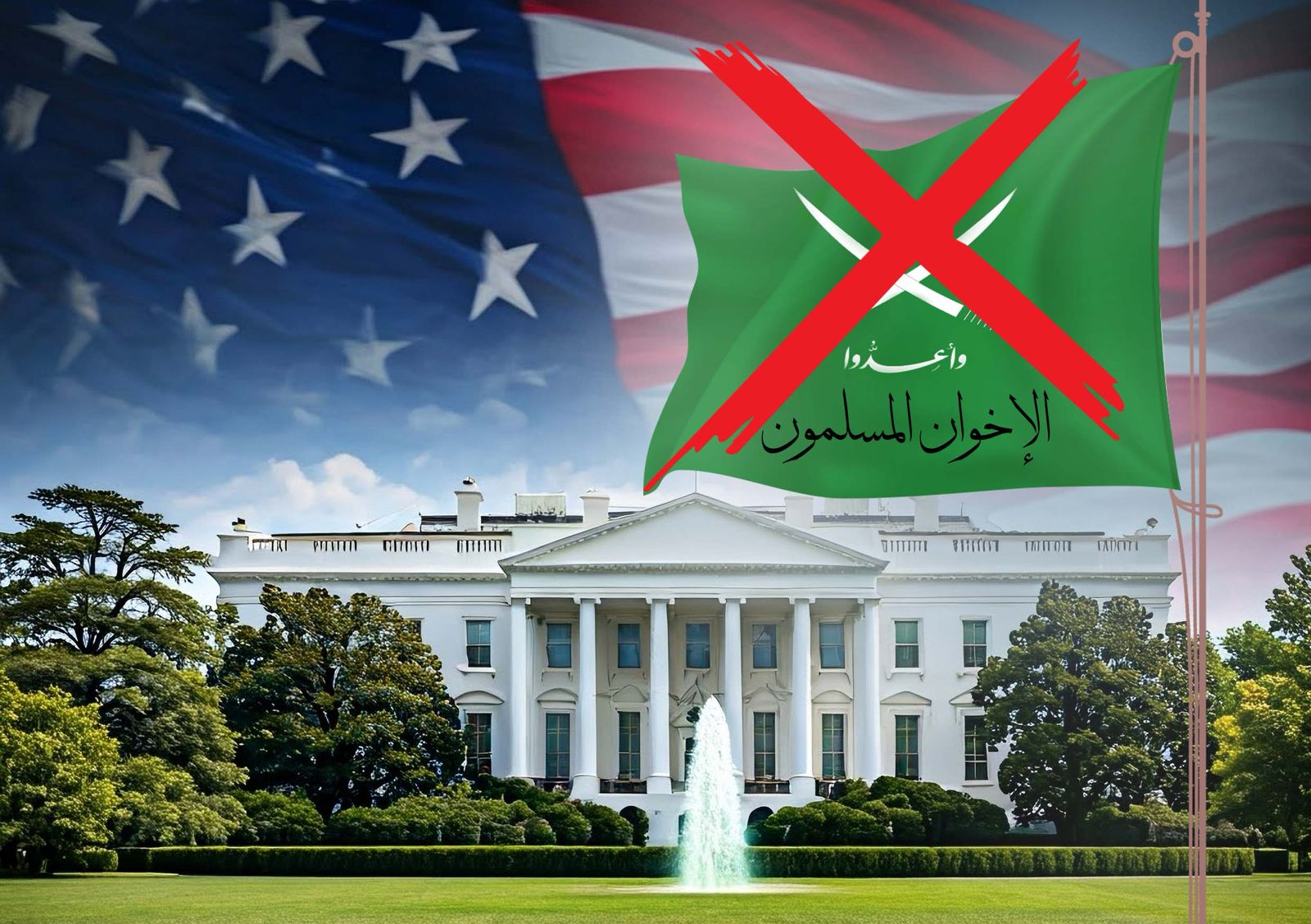
The United States and the Designation of Muslim Brotherhood Branches as Terrorist Organizations
14 Jan 2026
As a result of the executive decision taken by U.S. President Donald Trump in November 2025, directing the U.S. Secretaries of State and Treasury to initiate procedures to designate the branches of the Muslim Brotherhood as a terrorist organization, it was announced yesterday that the Brotherhood’s branches in Egypt, Lebanon, and Jordan have been officially designated as terrorist organizations.
This decision carries numerous implications for the future of the organization, most notably:
- Strengthening security cooperation between Washington and the countries that have designated the group, in order to counter its threats.
- Imposing international restrictions on key figures within the organization, which may lead to demands through international organizations to prosecute them.
- Affecting the group’s international image, which could significantly influence its operational capacity in host countries and undermine the narrative it relies on of being a “moderate political actor.”
It should be noted that the U.S. designation of the three branches took two different forms. First, the U.S. Department of State designated the Lebanese branch as a Foreign Terrorist Organization (FTO), which represents the highest level of designation. Second, the U.S. Department of the Treasury designated the Egyptian and Jordanian branches under the list of Specially Designated Global Terrorist (SDGT) organizations for their support of extremism and terrorism. Each designation has its own legal characteristics and procedural criteria.
The most prominent anticipated international positions are as follows:
- Russia is expected to align with this designation, as it has already classified the group as a terrorist organization.
- China is likely to be cautious about offering overt support, but it will benefit from any international security cooperation that reinforces stability, which serves its investment-oriented ambitions.
- The BRICS bloc (whose member states have not designated the group) is expected to adopt a pragmatic stance, meaning there will be no explicit endorsement, but also no outright rejection.
- European countries are expected to adopt divergent positions, given the group’s influence on civil society within Europe.
- Arab positions will be divided between support from states that have designated the group as terrorist, and silence from states that host or tolerate its presence.
The Legal Path of Designation within the United States:
- The designation is based on an executive order and decisions issued by the U.S. Departments of State and Treasury, and there are expectations that efforts will be made to entrench it through Congress to prevent its future reversal.
- The designation is expected to be used as a legal reference in numerous cases related to holding members of the organization accountable within the United States.
- If the designation withstands legal challenges, it may facilitate the classification of transnational ideological movements that promote violence and threaten the foundations of the nation-state.
U.S. actions in this file undoubtedly reflect early signs of a new approach aimed at targeting the roots of extremism and terrorism. Calls framed around the necessity of addressing international dilemmas at their source have materialized in the U.S. designation decision. The future of maintaining international peace and security remains contingent upon the extent to which the international community is convinced to adopt Washington’s approach.

