


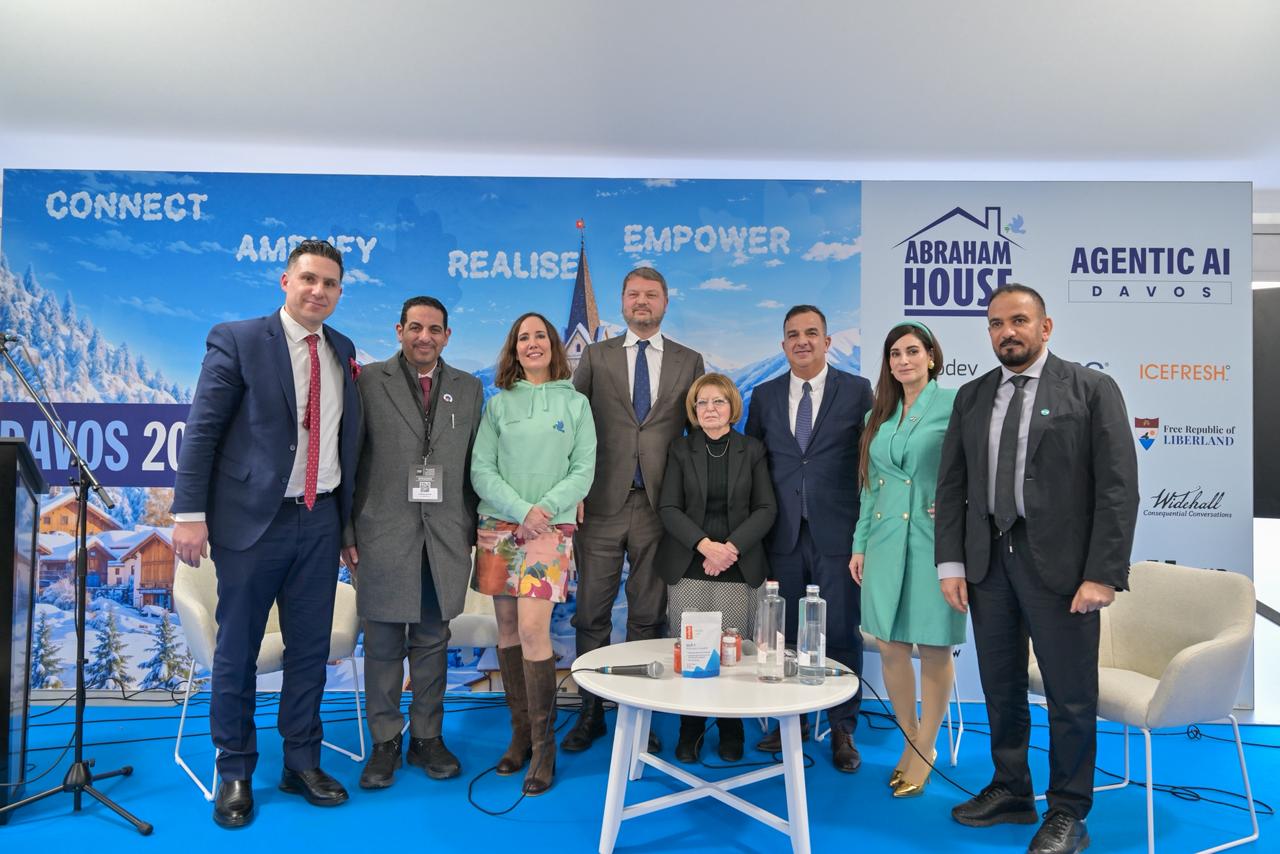
The Inter-Parliamentary Coalition for Global Ethics and the International Committee on Countering Extremist and Hate Speech organized the session.
TRENDS Research & Advisory participated in an international panel discussion organized by the Inter-Parliamentary Coalition for Global Ethics and the International Committee on Countering Extremist and Hate Speech (ICCEHS), on the sidelines of the World Economic Forum in Davos. The session, From Agreements to Outcomes: The Abraham Accords and the Path to Peace and Prosperity, brought together an elite group of decision-makers, thought leaders, and representatives of international institutions.
In a keynote speech, Dr. Mohammed Abdullah Al-Ali, CEO of TRENDS Research & Advisory, highlighted the transformative dimensions of the Abraham Accords, emphasizing that they go beyond mere political arrangements. He noted that the Accords constitute a new ethical and cultural framework for redefining the concept of peace in the Middle East and beyond.
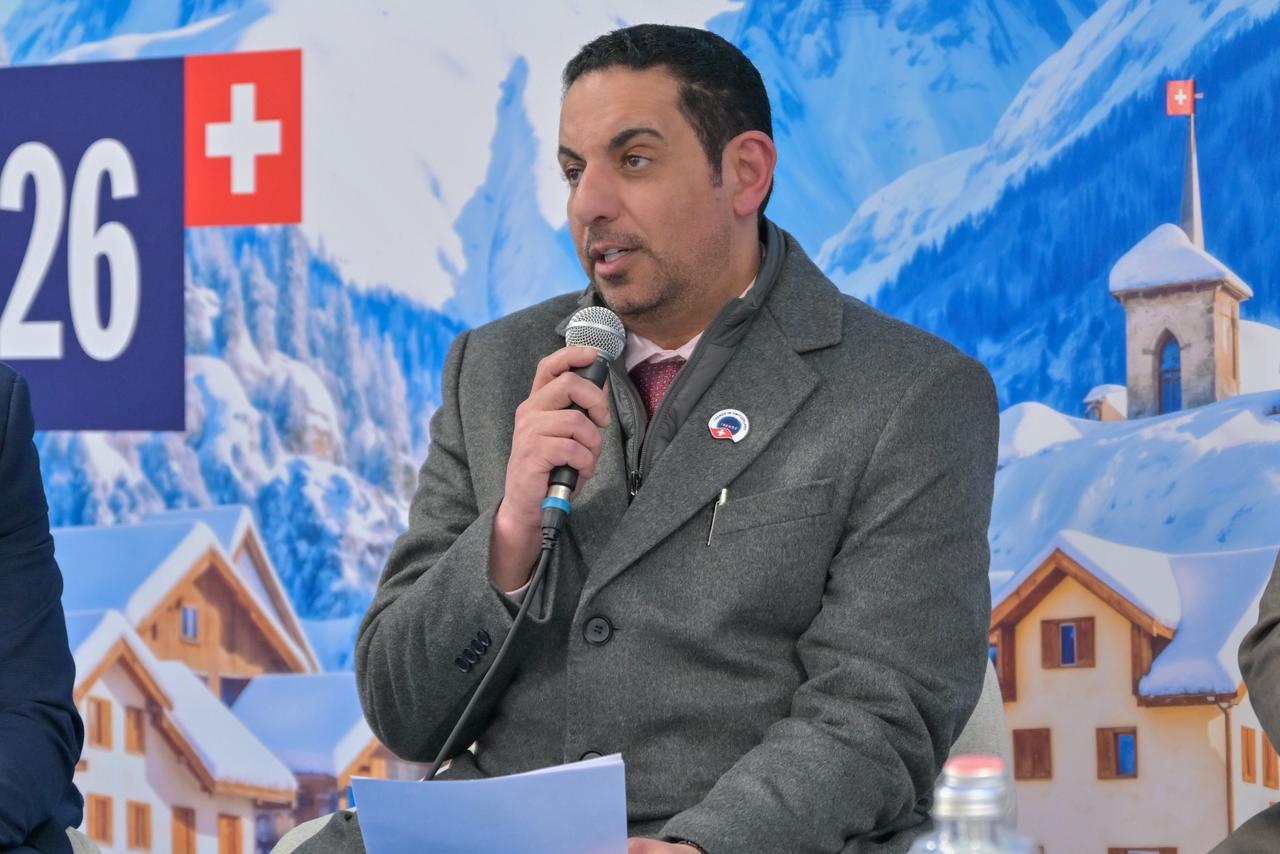 During the panel discussion hosted by Abraham House in Davos—which brought together high-level officials, policymakers, academics, media professionals, and civil society leaders from more than 20 countries, Dr. Al-Ali stressed that the Abraham Accords shift the trajectory of peace from the logic of conflict management to the logic of building coexistence, and from a focus on formal relations between states to investing in human relations between peoples. He explained that historical experiences confirm that sustainable peace is not imposed by political decisions alone, but is built from a grassroots societal level through cultural, educational, and economic interaction
He further noted that the Abrahamic dimension constitutes a comprehensive moral pillar grounded in mutual respect, the preservation of human dignity, and the recognition of diversity as a source of strength. He added that drawing on this value-based dimension restores religion to its rightful role as a force for peace rather than a tool for conflict, and that confronting extremism begins on intellectual, cultural, and moral levels before it becomes a security issue.
Dr. Al Ali emphasized that the real challenge lies in translating political normalization into tangible societal impact through integrated policies that invest in education, media, and culture. Such policies, he noted, enable young people to play a pivotal role in cross-border projects, exchange programs, and innovative initiatives that foster a long-term culture of peace. He further linked peace to prosperity, explaining that economic cooperation, innovation, investment in the knowledge economy, and sustainable development are essential to building trust and reducing the appeal of extremist narratives. He stressed that any peace that fails to deliver positive outcomes in people’s daily lives remains fragile and vulnerable to erosion.
During the panel discussion hosted by Abraham House in Davos—which brought together high-level officials, policymakers, academics, media professionals, and civil society leaders from more than 20 countries, Dr. Al-Ali stressed that the Abraham Accords shift the trajectory of peace from the logic of conflict management to the logic of building coexistence, and from a focus on formal relations between states to investing in human relations between peoples. He explained that historical experiences confirm that sustainable peace is not imposed by political decisions alone, but is built from a grassroots societal level through cultural, educational, and economic interaction
He further noted that the Abrahamic dimension constitutes a comprehensive moral pillar grounded in mutual respect, the preservation of human dignity, and the recognition of diversity as a source of strength. He added that drawing on this value-based dimension restores religion to its rightful role as a force for peace rather than a tool for conflict, and that confronting extremism begins on intellectual, cultural, and moral levels before it becomes a security issue.
Dr. Al Ali emphasized that the real challenge lies in translating political normalization into tangible societal impact through integrated policies that invest in education, media, and culture. Such policies, he noted, enable young people to play a pivotal role in cross-border projects, exchange programs, and innovative initiatives that foster a long-term culture of peace. He further linked peace to prosperity, explaining that economic cooperation, innovation, investment in the knowledge economy, and sustainable development are essential to building trust and reducing the appeal of extremist narratives. He stressed that any peace that fails to deliver positive outcomes in people’s daily lives remains fragile and vulnerable to erosion.
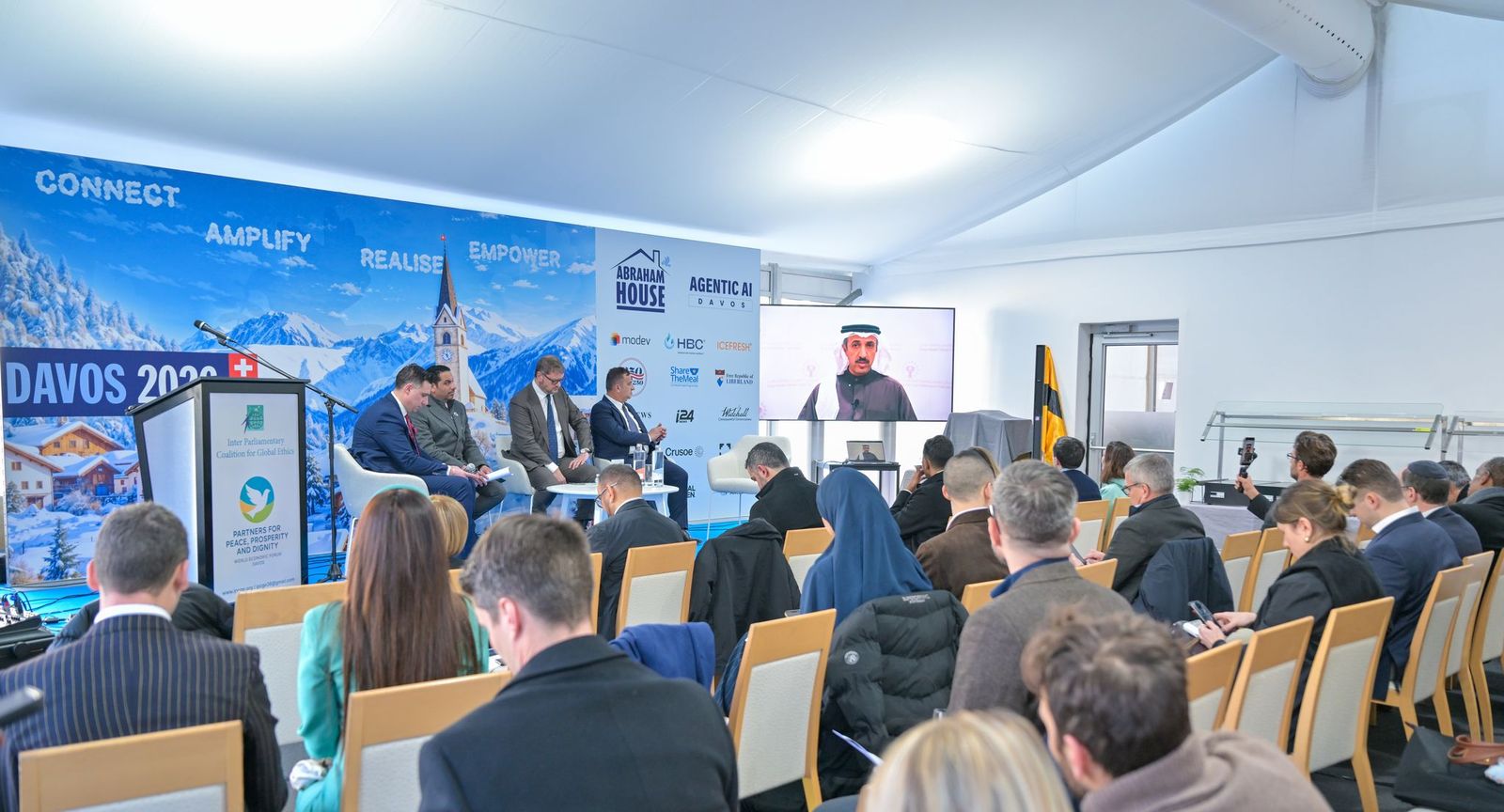 The panel discussion addressed the Abraham Accords not merely as diplomatic agreements, but as a transformational framework capable of promoting tolerance, intercultural dialogue, and the consolidation of long-term peace in the Middle East and beyond. Moving beyond the phase of political signing, the discussions focused on how pathways of normalization can be translated into tangible social impact and a sustainable culture of coexistence.
In his remarks during the session, Dr. Nidal Shuqair, Executive Director of the International Committee for Combating Extremism and Hate Speech (ICCEHS), stressed that the Abraham Accords represent a historic turning point in the region, stating: “Peace is not a moment… but a journey. Prosperity is not a promise… but a responsibility.” He emphasized that the Abraham Accords have opened a significant door, noting that through investment in people, cooperation, and change, these agreements can become more than a diplomatic milestone and evolve into a model to be emulated.
During his speech, Dr. Shuqair officially announced the launch of the ICCEHS Abrahamic Coexistence Program, describing it as “an initiative grounded in innovation, responsibility, and human dignity, aimed at creating a genuine people-to-people movement that says yes to peace and transforms agreements into a tangible reality on the ground.”
In the keynote address, His Excellency Dr. Shaikh Abdullah bin Ahmed Al Khalifa, Minister of Transportation and Telecommunications and Chairman of the Board of Trustees of the King Hamad Global Centre for Peaceful Coexistence, stated: “The Abraham Accords represent an important political milestone, but their true value lies in what follows. Their success will be measured by their ability to build trust between societies, reduce the space for extremism, and translate diplomatic intentions into real coexistence.”
He added: “Peace is not a slogan, but a system based on ethical leadership, institutional responsibility, and social cohesion. The Abrahamic dimension is not a theological debate, but an acknowledgment of a shared moral foundation that affirms human dignity, respects diversity, upholds accountability, and rejects violence and extremism.”
The panel discussion addressed the Abraham Accords not merely as diplomatic agreements, but as a transformational framework capable of promoting tolerance, intercultural dialogue, and the consolidation of long-term peace in the Middle East and beyond. Moving beyond the phase of political signing, the discussions focused on how pathways of normalization can be translated into tangible social impact and a sustainable culture of coexistence.
In his remarks during the session, Dr. Nidal Shuqair, Executive Director of the International Committee for Combating Extremism and Hate Speech (ICCEHS), stressed that the Abraham Accords represent a historic turning point in the region, stating: “Peace is not a moment… but a journey. Prosperity is not a promise… but a responsibility.” He emphasized that the Abraham Accords have opened a significant door, noting that through investment in people, cooperation, and change, these agreements can become more than a diplomatic milestone and evolve into a model to be emulated.
During his speech, Dr. Shuqair officially announced the launch of the ICCEHS Abrahamic Coexistence Program, describing it as “an initiative grounded in innovation, responsibility, and human dignity, aimed at creating a genuine people-to-people movement that says yes to peace and transforms agreements into a tangible reality on the ground.”
In the keynote address, His Excellency Dr. Shaikh Abdullah bin Ahmed Al Khalifa, Minister of Transportation and Telecommunications and Chairman of the Board of Trustees of the King Hamad Global Centre for Peaceful Coexistence, stated: “The Abraham Accords represent an important political milestone, but their true value lies in what follows. Their success will be measured by their ability to build trust between societies, reduce the space for extremism, and translate diplomatic intentions into real coexistence.”
He added: “Peace is not a slogan, but a system based on ethical leadership, institutional responsibility, and social cohesion. The Abrahamic dimension is not a theological debate, but an acknowledgment of a shared moral foundation that affirms human dignity, respects diversity, upholds accountability, and rejects violence and extremism.”
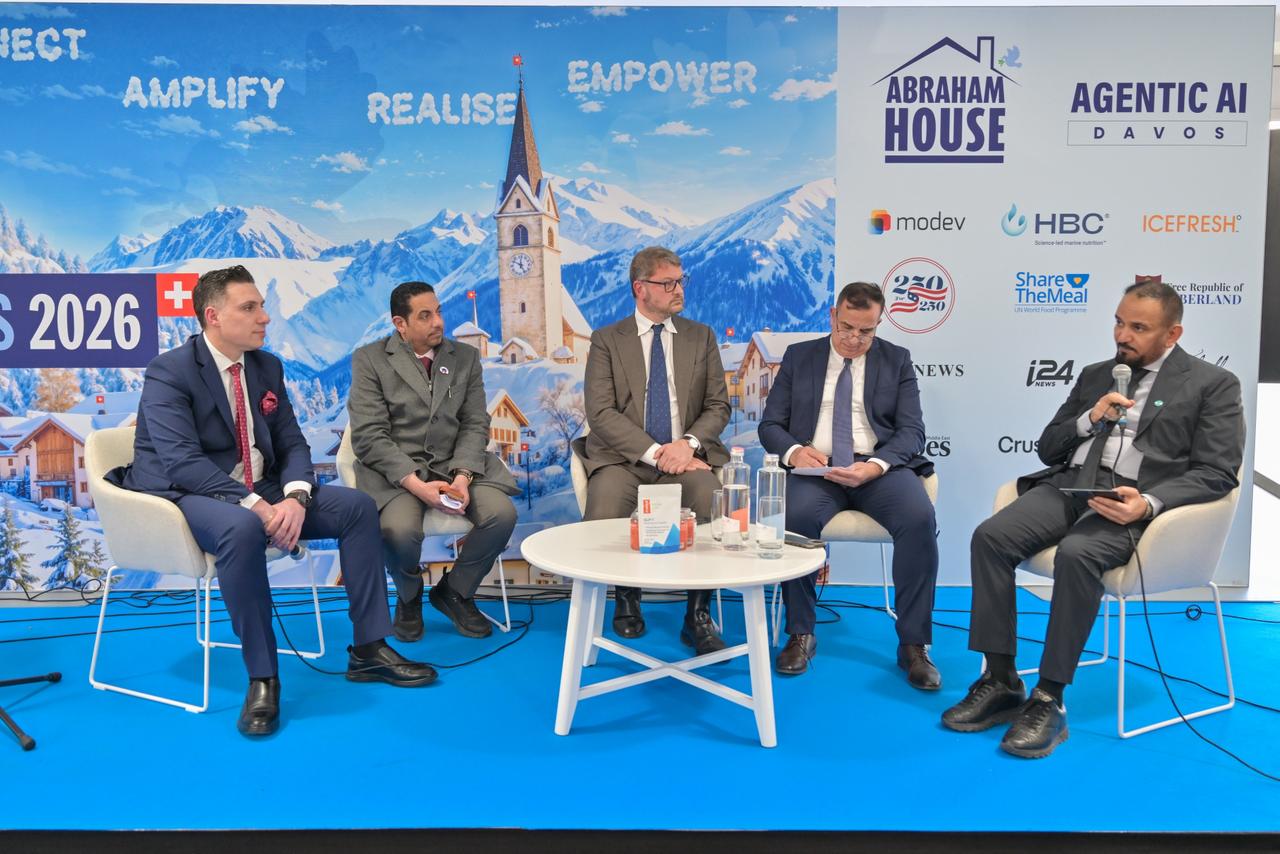 For his part, H.E. Ambassador Dr. Khalid Al-Ghaith, Secretary-General of the Higher Committee of Human Fraternity, underscored the ethical and educational dimensions of peacebuilding, stating that the Abraham Accords are “not an endpoint, but a platform.” He emphasized the importance of translating their spirit into initiatives that promote coexistence and advance human fraternity, stressing that education must be at the heart of this effort.
Meanwhile, Mr. Gennaro Migliore, Director of the Advisory Council of the International Committee for Combating Extremism and Hate Speech, highlighted the broader political significance of the Accords, noting that they have created a new reality and a political architecture that must be expanded. He explained that their true strength lies in their growth and their capacity to transform cooperation into a new regional reality, adding that their deeper value is in demonstrating that different identities can coexist without negating one another, and that religious, cultural, and national diversity can become a source of stability rather than conflict.
Mr. Nadim Ammar, President of the Israeli Druze Foundation for Academic and Cultural Advancement, stated that the Abraham Accords constitute a turning point because they are not merely diplomatic agreements, but a new way of thinking that places cooperation above conflict and shared interests above division. He noted that they enhance regional security, open doors to economic growth, and encourage dialogue among states, religions, and cultures.
In turn, Ms. Shoshana Nicole Beckerman, Director of the International Parliamentary Coalition for Global Ethics (IPCGE), emphasized the importance of parliamentary diplomacy and ethical leadership in ensuring the sustainability of peace initiatives. She highlighted the role of legislators and cross-border parliamentary cooperation in translating political agreements into accountable public policies and inclusive governance frameworks, stressing that ethical principles and institutional responsibility are essential to embedding the values of coexistence and dialogue within national and international decision-making processes.
The panel concluded with a broad consensus that moving the Abraham Accords from the stage of agreements to the stage of results requires long-term commitment, inclusive participation, responsible narratives, and strong institutional frameworks, enabling them to serve as a potential model for peacebuilding and coexistence in regions experiencing protracted conflicts.
For his part, H.E. Ambassador Dr. Khalid Al-Ghaith, Secretary-General of the Higher Committee of Human Fraternity, underscored the ethical and educational dimensions of peacebuilding, stating that the Abraham Accords are “not an endpoint, but a platform.” He emphasized the importance of translating their spirit into initiatives that promote coexistence and advance human fraternity, stressing that education must be at the heart of this effort.
Meanwhile, Mr. Gennaro Migliore, Director of the Advisory Council of the International Committee for Combating Extremism and Hate Speech, highlighted the broader political significance of the Accords, noting that they have created a new reality and a political architecture that must be expanded. He explained that their true strength lies in their growth and their capacity to transform cooperation into a new regional reality, adding that their deeper value is in demonstrating that different identities can coexist without negating one another, and that religious, cultural, and national diversity can become a source of stability rather than conflict.
Mr. Nadim Ammar, President of the Israeli Druze Foundation for Academic and Cultural Advancement, stated that the Abraham Accords constitute a turning point because they are not merely diplomatic agreements, but a new way of thinking that places cooperation above conflict and shared interests above division. He noted that they enhance regional security, open doors to economic growth, and encourage dialogue among states, religions, and cultures.
In turn, Ms. Shoshana Nicole Beckerman, Director of the International Parliamentary Coalition for Global Ethics (IPCGE), emphasized the importance of parliamentary diplomacy and ethical leadership in ensuring the sustainability of peace initiatives. She highlighted the role of legislators and cross-border parliamentary cooperation in translating political agreements into accountable public policies and inclusive governance frameworks, stressing that ethical principles and institutional responsibility are essential to embedding the values of coexistence and dialogue within national and international decision-making processes.
The panel concluded with a broad consensus that moving the Abraham Accords from the stage of agreements to the stage of results requires long-term commitment, inclusive participation, responsible narratives, and strong institutional frameworks, enabling them to serve as a potential model for peacebuilding and coexistence in regions experiencing protracted conflicts.
During the panel discussion hosted by Abraham House in Davos—which brought together high-level officials, policymakers, academics, media professionals, and civil society leaders from more than 20 countries, Dr. Al-Ali stressed that the Abraham Accords shift the trajectory of peace from the logic of conflict management to the logic of building coexistence, and from a focus on formal relations between states to investing in human relations between peoples. He explained that historical experiences confirm that sustainable peace is not imposed by political decisions alone, but is built from a grassroots societal level through cultural, educational, and economic interaction
He further noted that the Abrahamic dimension constitutes a comprehensive moral pillar grounded in mutual respect, the preservation of human dignity, and the recognition of diversity as a source of strength. He added that drawing on this value-based dimension restores religion to its rightful role as a force for peace rather than a tool for conflict, and that confronting extremism begins on intellectual, cultural, and moral levels before it becomes a security issue.
Dr. Al Ali emphasized that the real challenge lies in translating political normalization into tangible societal impact through integrated policies that invest in education, media, and culture. Such policies, he noted, enable young people to play a pivotal role in cross-border projects, exchange programs, and innovative initiatives that foster a long-term culture of peace. He further linked peace to prosperity, explaining that economic cooperation, innovation, investment in the knowledge economy, and sustainable development are essential to building trust and reducing the appeal of extremist narratives. He stressed that any peace that fails to deliver positive outcomes in people’s daily lives remains fragile and vulnerable to erosion.
The panel discussion addressed the Abraham Accords not merely as diplomatic agreements, but as a transformational framework capable of promoting tolerance, intercultural dialogue, and the consolidation of long-term peace in the Middle East and beyond. Moving beyond the phase of political signing, the discussions focused on how pathways of normalization can be translated into tangible social impact and a sustainable culture of coexistence.
In his remarks during the session, Dr. Nidal Shuqair, Executive Director of the International Committee for Combating Extremism and Hate Speech (ICCEHS), stressed that the Abraham Accords represent a historic turning point in the region, stating: “Peace is not a moment… but a journey. Prosperity is not a promise… but a responsibility.” He emphasized that the Abraham Accords have opened a significant door, noting that through investment in people, cooperation, and change, these agreements can become more than a diplomatic milestone and evolve into a model to be emulated.
During his speech, Dr. Shuqair officially announced the launch of the ICCEHS Abrahamic Coexistence Program, describing it as “an initiative grounded in innovation, responsibility, and human dignity, aimed at creating a genuine people-to-people movement that says yes to peace and transforms agreements into a tangible reality on the ground.”
In the keynote address, His Excellency Dr. Shaikh Abdullah bin Ahmed Al Khalifa, Minister of Transportation and Telecommunications and Chairman of the Board of Trustees of the King Hamad Global Centre for Peaceful Coexistence, stated: “The Abraham Accords represent an important political milestone, but their true value lies in what follows. Their success will be measured by their ability to build trust between societies, reduce the space for extremism, and translate diplomatic intentions into real coexistence.”
He added: “Peace is not a slogan, but a system based on ethical leadership, institutional responsibility, and social cohesion. The Abrahamic dimension is not a theological debate, but an acknowledgment of a shared moral foundation that affirms human dignity, respects diversity, upholds accountability, and rejects violence and extremism.”
For his part, H.E. Ambassador Dr. Khalid Al-Ghaith, Secretary-General of the Higher Committee of Human Fraternity, underscored the ethical and educational dimensions of peacebuilding, stating that the Abraham Accords are “not an endpoint, but a platform.” He emphasized the importance of translating their spirit into initiatives that promote coexistence and advance human fraternity, stressing that education must be at the heart of this effort.
Meanwhile, Mr. Gennaro Migliore, Director of the Advisory Council of the International Committee for Combating Extremism and Hate Speech, highlighted the broader political significance of the Accords, noting that they have created a new reality and a political architecture that must be expanded. He explained that their true strength lies in their growth and their capacity to transform cooperation into a new regional reality, adding that their deeper value is in demonstrating that different identities can coexist without negating one another, and that religious, cultural, and national diversity can become a source of stability rather than conflict.
Mr. Nadim Ammar, President of the Israeli Druze Foundation for Academic and Cultural Advancement, stated that the Abraham Accords constitute a turning point because they are not merely diplomatic agreements, but a new way of thinking that places cooperation above conflict and shared interests above division. He noted that they enhance regional security, open doors to economic growth, and encourage dialogue among states, religions, and cultures.
In turn, Ms. Shoshana Nicole Beckerman, Director of the International Parliamentary Coalition for Global Ethics (IPCGE), emphasized the importance of parliamentary diplomacy and ethical leadership in ensuring the sustainability of peace initiatives. She highlighted the role of legislators and cross-border parliamentary cooperation in translating political agreements into accountable public policies and inclusive governance frameworks, stressing that ethical principles and institutional responsibility are essential to embedding the values of coexistence and dialogue within national and international decision-making processes.
The panel concluded with a broad consensus that moving the Abraham Accords from the stage of agreements to the stage of results requires long-term commitment, inclusive participation, responsible narratives, and strong institutional frameworks, enabling them to serve as a potential model for peacebuilding and coexistence in regions experiencing protracted conflicts.

