


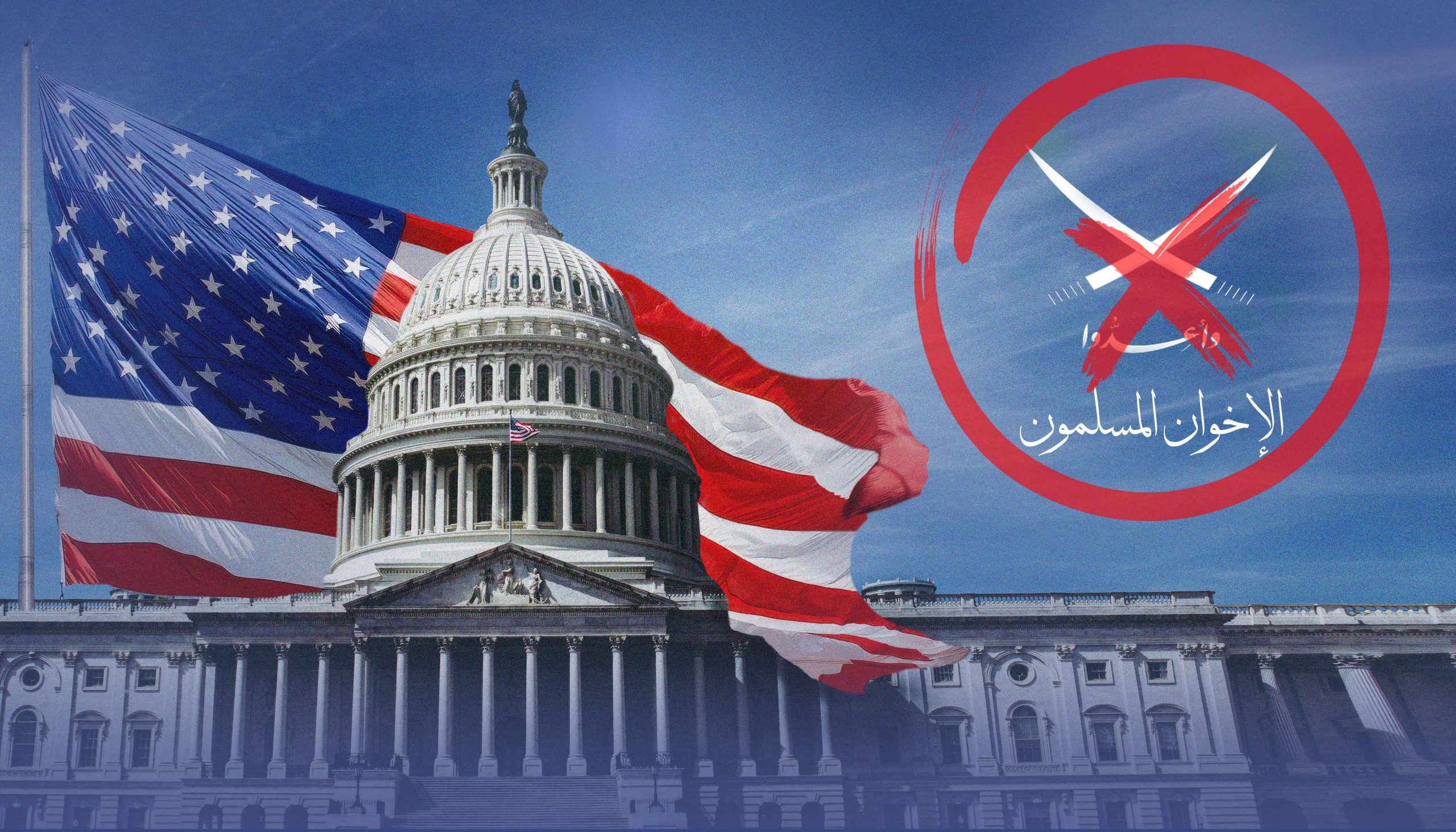
A new research insight by TRENDS Research & Advisory highlights that the United States’ decision to designate branches of the Muslim Brotherhood as terrorist organizations marks a significant shift in Washington’s approach to the group. The move transitions US policy from monitoring and containment to formal criminalization and institutional dismantling, with far-reaching implications for the group’s future both regionally and internationally.
Issued by TRENDS’ Political Islam Studies Section, the insight points to the US State Department’s announcement on January 13, 2026, implementing a presidential executive order dated November 25, 2025. The order designates Muslim Brotherhood branches in Egypt and Jordan following findings related to support for Hamas, which is classified as a terrorist organization. It also lists Lebanon’s Islamic Group, identified as the Brotherhood’s Lebanese branch, as a Foreign Terrorist Organization. The measures include freezing assets, banning transactions with affiliated entities and individuals inside the United States, denying entry to non-citizen members, and enabling the deportation of those already present on US soil.
The insight explains that the decision rests on multiple legal authorities, most notably the Immigration and Nationality Act, the 1987 Anti-Terrorism Act, and US Treasury mechanisms for listing entities as Specially Designated Global Terrorists. These frameworks grant US authorities broad powers to freeze assets and prohibit financial dealings.
It further notes that the move comes amid a domestic US effort to settle longstanding debate over how to handle the Muslim Brotherhood, and an external drive to strengthen national security, safeguard American and allied interests in the Middle East, and dismantle the ideological and organizational ecosystems underpinning political Islamist movements.
The study finds that the designation will directly impact the Muslim Brotherhood’s transnational structure by disrupting networks, restricting mobility, and tightening pressure on affiliated institutions and front organizations operating in the United States. This is expected to weaken the group’s political, social, and economic activity.
The study adds that the measures will erode the organization’s financial capacity through asset freezes and prohibitions on commercial and monetary transactions. They will also undermine the Muslim Brotherhood’s symbolic legitimacy and its human-rights and moral narratives, particularly given internal divisions, declining appeal among younger generations, and growing associations with violent practices.
Looking ahead, the insight outlines three potential trajectories for the group: limited repositioning in environments less exposed to US oversight; a shift toward covert network-based operations; or accelerated internal and organizational erosion, significantly reducing its ability to exert influence domestically and internationally.
The study concludes that while the US decision does not bring an immediate end to the Muslim Brotherhood, it starts a new phase that undermines the historical foundations of its existence as a cross-border organization. The group now faces a stark choice between profound structural and ideological transformation or continued contraction and retreat, leaving it with diminishing relevance in the regional and global political arena.
