


Snapshots
Japan’s Early Elections and Takaichi’s Chances of Victory
27 Jan 2026
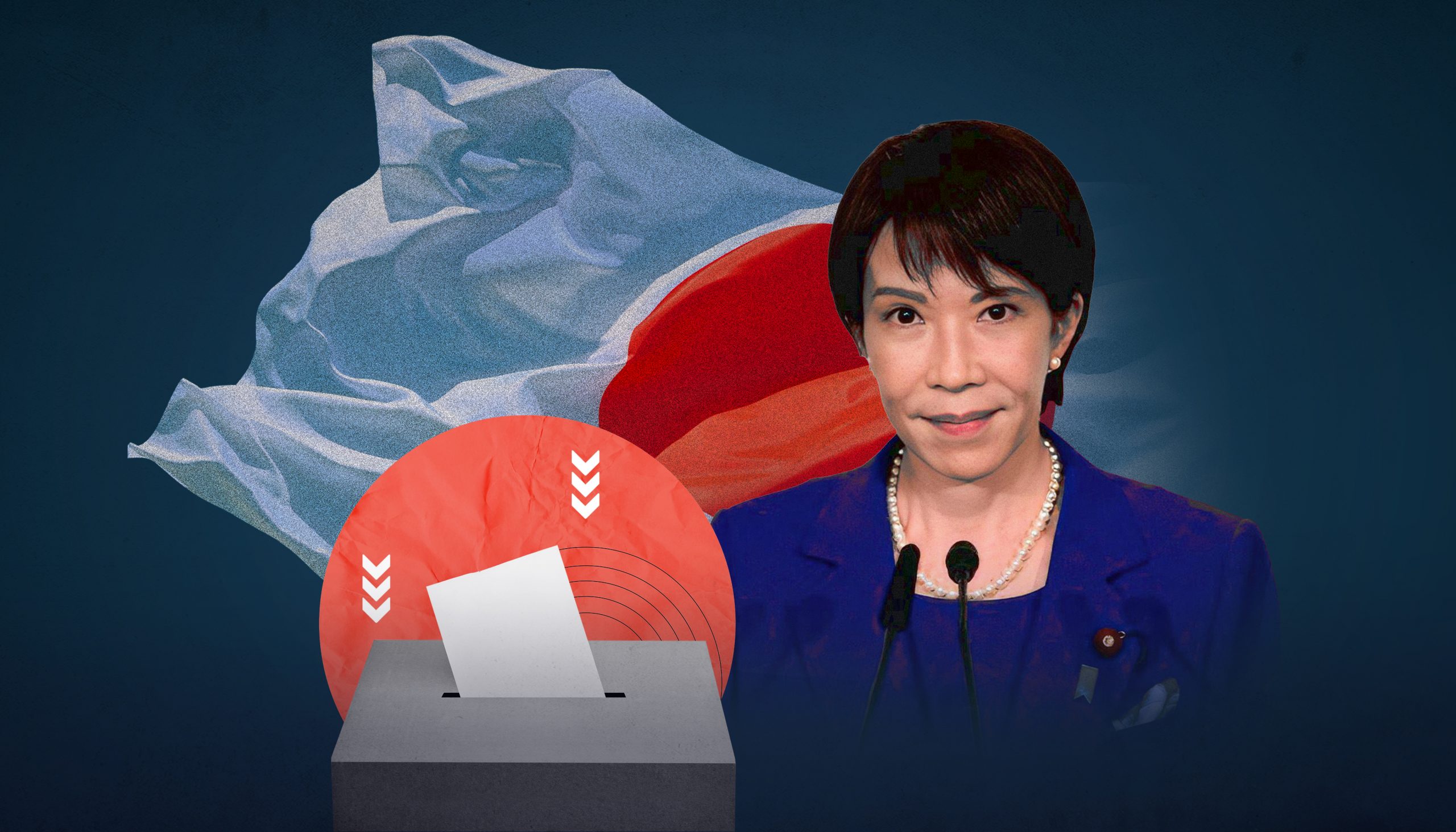
In a move that stirred controversy in Japan’s political arena, Sanae Takaichi, the first female prime minister in Japan’s history, dissolved the House of Representatives, which holds the country’s legislative authority. Notably, this step is the first of its kind in the past sixty years, and the upcoming elections have been scheduled for February 8, 2026.
Reasons for Dissolving the Parliament:
- Given that Japan operates under a parliamentary system, the coalition led by Takaichi does not enjoy a comfortable majority. It currently holds 233 out of 465 seats, which constitutes only a simple majority.
- According to Takaichi’s speeches, she is betting on new economic policies that require stronger and more decisive support within the parliament.
- The policies she advocates center on increasing government spending, a move that could enable the private sector to generate higher profits. This is clearly reflected in the Tokyo Stock Exchange, where share prices have recently surged beyond 53,000 points, marking a historic high for the Nikkei Index, despite the risks of the Japanese yen depreciating to record levels of around 157 per U.S. dollar.”
Prospects of Victory for Takaichi’s Party:
- Takaichi is relying on her personal popularity, despite recent opinion polls, such as a Nikkei survey, indicating a decline in public support from 75% to 67% for the first time since she assumed office in October 2025.
- The current ruling coalition remains broadly supportive of Takaichi; therefore, persuading its members to back this political configuration may not be particularly difficult. The key uncertainty lies in how many seats rival parties will secure in the elections.
Challenges Facing Takaichi’s Victory:
- The previous elections were particularly challenging, especially following the split between the Liberal Democratic Party and its long-time ally, Komeito, which was replaced by the Japan Innovation Party. As for Komeito, it joined the largest opposition party, the Constitutional Democratic Party, forming a centrist reformist alliance.
- Economic pressures, including inflation, rising energy prices, and ongoing trade tensions with China, have increased voter anxiety and uncertainty.
Overall, the February elections will reflect the shifting alliance landscape in Japanese politics. Takaichi’s decision, which many observers have described as a “political gamble,” will determine her political fate at both the individual level and Japan’s national trajectory. Should she succeed with her approach, it would likely usher in qualitative shifts in economic and defense policies aligned with the vision of the United States.

