Insight Image

Dr. Mohammed Al Ali: Human Fraternity is a Civilizational Framework for Managing Diversity, Building Peace

03 Feb 2026

Dr. Mohammed Al Ali: Human Fraternity is a Civilizational Framework for Managing Diversity, Building Peace

03 Feb 2026

On the International Day of Human Fraternity, he stressed that entrenching this value is an urgent human necessity. On the occasion of the International Day of Human Fraternity, observed on February 4, Dr. Mohammed Abdullah Al Ali, CEO of TRENDS Research & Advisory, has affirmed that human fraternity represents a unifying universal value on which stable societies capable of achieving comprehensive development are built. He stressed that entrenching this value is no longer merely a moral choice, but an urgent human necessity considering the growing global spread of hate speech, extremism, and division.
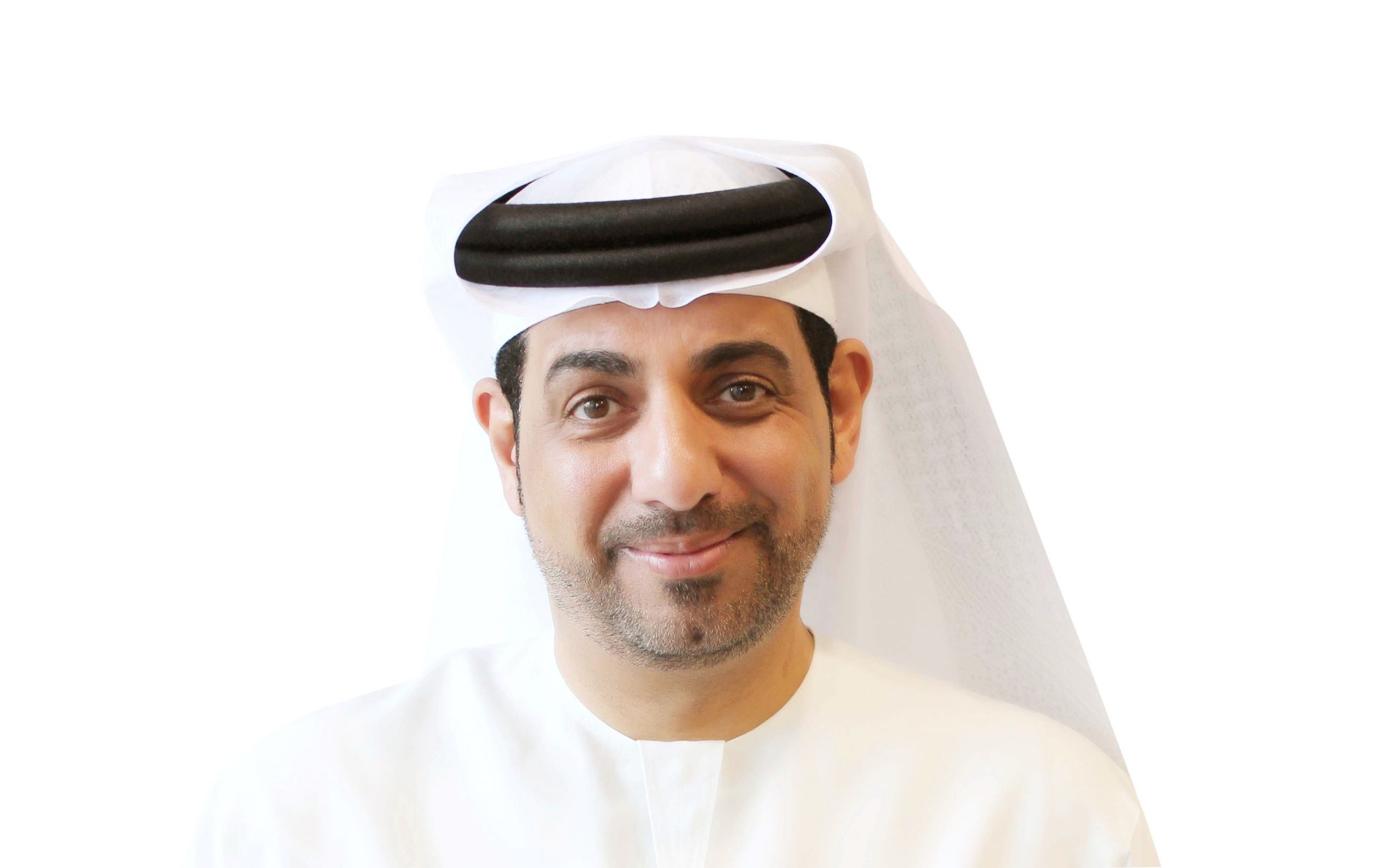
He added that human fraternity provides a civilizational framework that ensures the management of religious, cultural, and ethnic diversity as a source of enrichment and strength, rather than a cause of conflict or exclusion. Societies that adopt this value as a consistent approach are better equipped to strengthen social cohesion and build a future grounded in peace and coexistence, he explained. Dr. Al Ali noted that commemorating this day offers a renewed global opportunity to reaffirm that difference is a universal reality and that addressing it rationally and openly is the most effective path to social stability and sustainable development. He warned that the absence of a culture of human fraternity fuels conflicts and contributes to the spread of extremism and hate crimes. He emphasized that the Document on Human Fraternity, signed in February 2019 by Ahmed Al-Tayeb, Grand Imam of Al-Azhar, and Pope Francis, Pope of the Roman Catholic Church, remains a global moral and humanitarian reference for promoting the values of peace and coexistence. The document, he said, affirms human solidarity, rejects hatred and extremism, upholds equal citizenship, and opposes the exploitation of religion for political or ideological purposes. He explained that the document also provides a practical framework for strengthening interfaith and intercultural dialogue, empowering women, and protecting the rights of children and vulnerable groups, as essential pillars for building just and balanced societies and enhancing prospects for peace and stability worldwide. Dr. Al Ali underscored the pivotal role of think tanks, research centers, media institutions, and academic and religious bodies in entrenching the values of human fraternity and acceptance of others. He pointed out that rapid digital transformations have increased these institutions’ responsibility to produce sound knowledge-based discourse and impactful scientific content that promotes dialogue and mutual understanding among people. The CEO of TRENDS called for the effective use of social media and other new media platforms as the most influential channels among young people to spread positive messages grounded in respect for diversity and to dismantle hate narratives. He affirmed that responsible media and rigorous research constitute a form of “soft knowledge power” capable of protecting societies from sliding into intolerance and isolation. He explained that strengthening a culture of human fraternity requires genuine integration between research and the media, along with the development of knowledge content grounded in reason and logic that encourages constructive dialogue and highlights the shared human values. Dr. Mohammed Abdullah Al Ali reviewed the TRENDS’ ongoing efforts to support the values of human fraternity and coexistence. He highlighted its contribution, as a strategic partner, to the sixth edition of the World Conference on Tolerance and Human Fraternity, held in Abu Dhabi under the patronage and in the presence of His Excellency Sheikh Nahyan bin Mubarak Al Nahyan, Minister of Tolerance and Coexistence, under the theme Human Fraternity in the Age of Artificial Intelligence. He also referred to specialized research programs, the organization of symposia and workshops, active participation in regional and international conferences, and the publication of studies and research that help entrench these values at both regional and global levels. Dr. Mohammed Abdullah Al Ali concluded by stressing that the International Day of Human Fraternity is not merely a symbolic occasion, but an open call to translate these values into sustainable educational, cultural, and media policies that place human dignity at the heart of development and future-building efforts.