


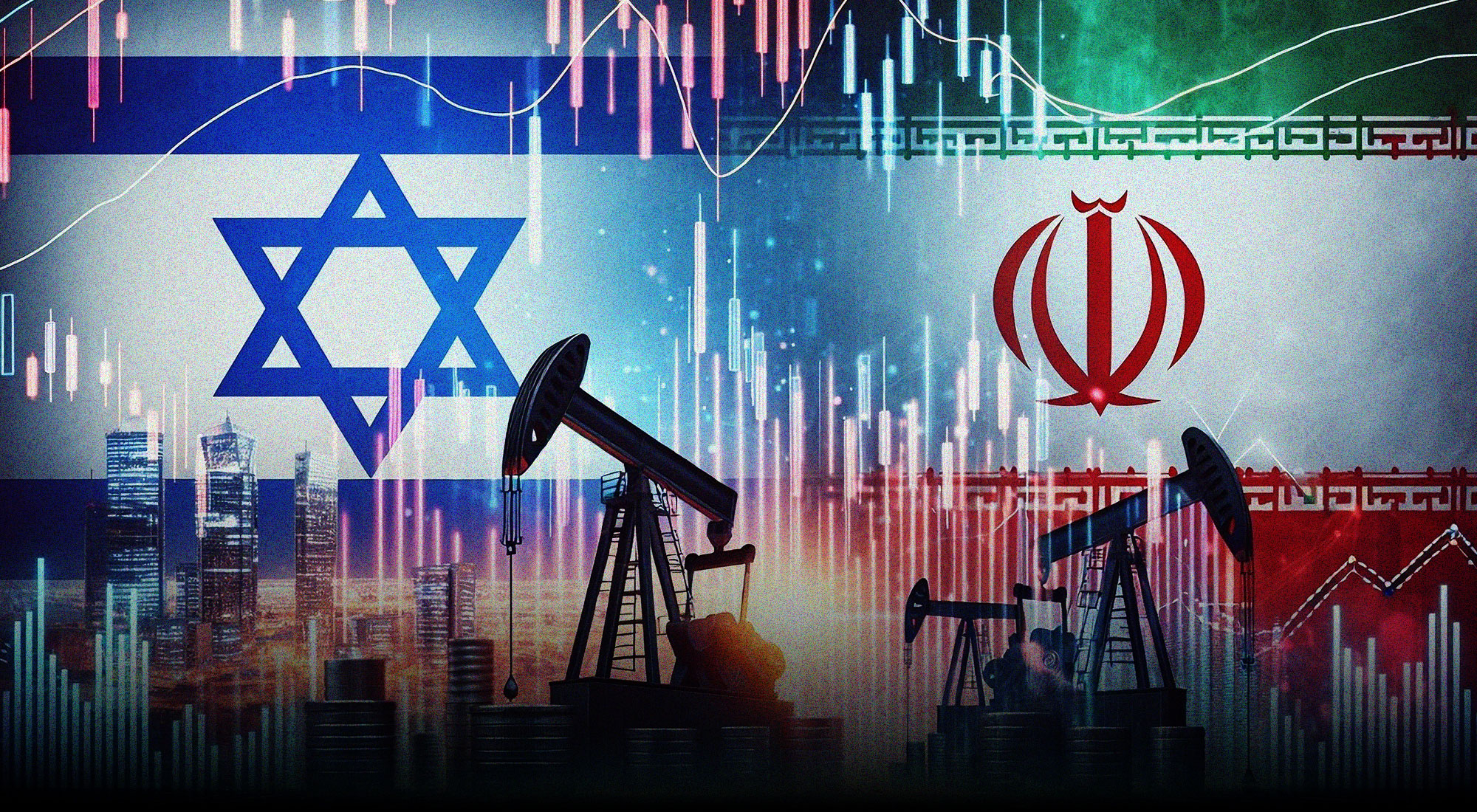
The conflict can undermine the fragile global economic recovery and reintroduce uncertainty into the regional and international landscape.
A research study released by TRENDS Research & Advisory confirms that the United States–Israeli military confrontations with Iran carry immediate and far-reaching economic repercussions. The ongoing conflict has the potential to affect the fragile global economic recovery and bring uncertainty back to the forefront of the regional and international landscape, particularly in energy, trade, and investment markets.
The study notes that the resilience of Gulf economies provides them with a stronger capacity to absorb shocks, emphasizing that containing the escalation would help accelerate the recovery of trade and investment flows and restore momentum to both regional and global economies.
The study, conducted by Mouza Al Marzouqi, Senior Researcher at TRENDS, explains that on the eve of the new round of confrontations, the global economy was showing signs of gradual improvement, including easing inflation and expectations of global growth reaching 2.7 percent in 2026. However, the unfolding conflict has cast doubt on these projections and raised the likelihood of an economic slowdown that could evolve into a recession.
The study indicates that the most immediate impact has been a sharp rise in uncertainty, which has increased the costs of investment and operations and placed additional pressure on heavily indebted developing economies, as well as on advanced economies that remain highly sensitive to energy price increases. It estimates that these developments could add between 0.6 and 0.7 percentage points to global inflation.
Regarding energy markets, the study points to clear upward pressure on oil prices, warning that a widening of the conflict or disruptions to maritime navigation in the Strait of Hormuz could push prices into the USD 90–100 per barrel range. Such a scenario would be accompanied by imbalances in supply and demand, as well as higher shipping and insurance costs.
The study also cautions against the potential consequences of closing the Strait of Hormuz or vessels avoiding passage through it, stressing that this would negatively affect trade in oil, gas, and goods, threaten re-export activities in the Gulf states, and lead to a redrawing of global maritime shipping routes.
In financial markets, the study observed notable volatility in regional equity markets and fluctuations in crypto-asset markets, alongside renewed demand for safe-haven assets—most notably gold and bonds—amid declining investor risk appetite.
The study further anticipates adverse effects on the aviation and tourism sectors due to airspace closures and rising operating and insurance costs, which would be reflected in travel flows and related tourism activities across the region.
In conclusion, the study finds that the global economy faces two possible paths: an escalation scenario that could push global growth below 2% and drive oil prices to record levels, significantly increasing recession risks; and a more optimistic scenario based on rapid containment of the crisis through diplomatic channels, enabling a reduction in economic losses and a gradual restoration of stability in global markets.

