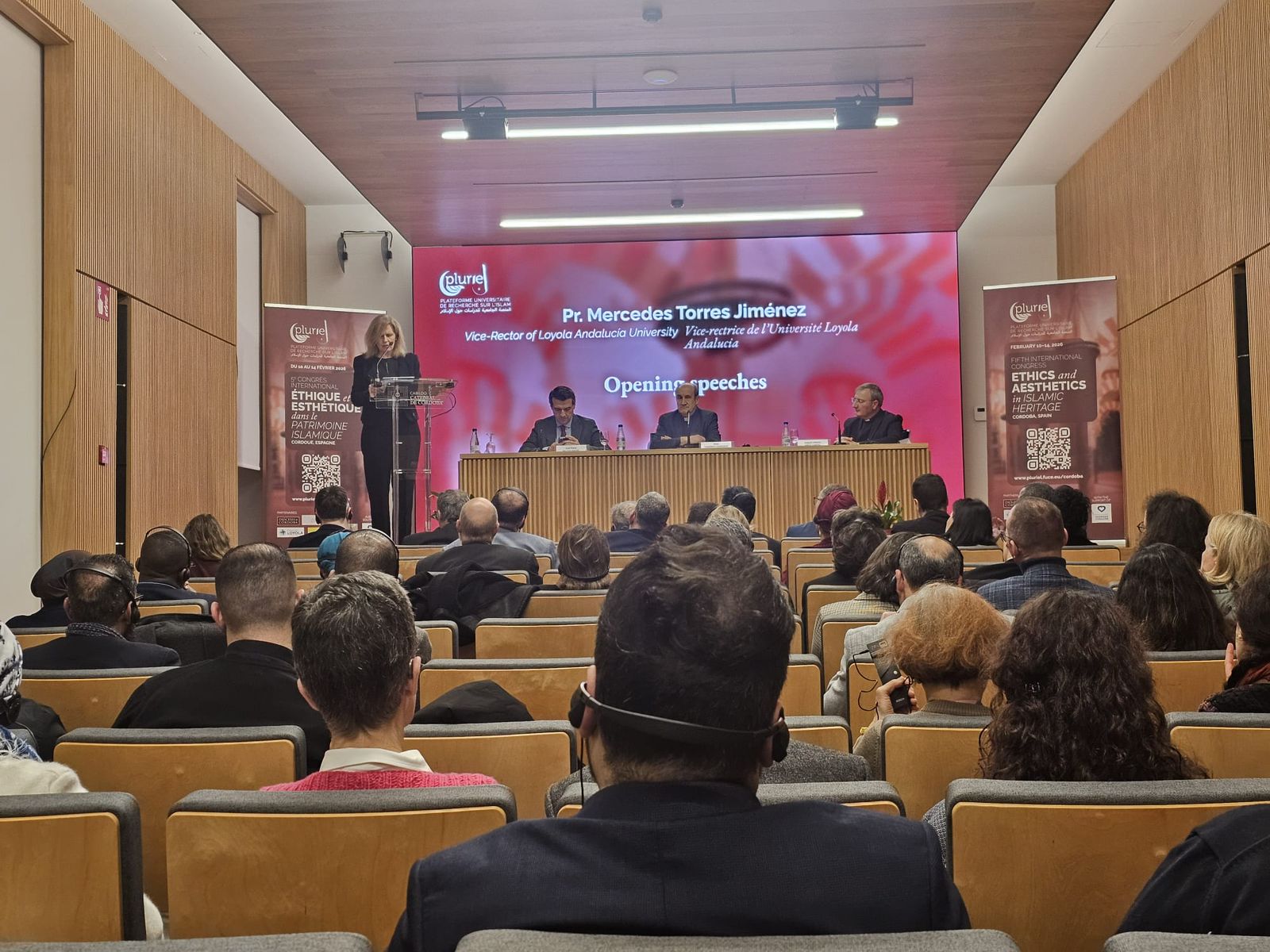
The conference brought together a wide range of academics and researchers from international universities and research centers.
To expedite its cooperation memorandum with the University Platform for the Study of Islam, TRENDS Research & Advisory participated in the platform’s fifth scientific conference, titled Ethics and Aesthetics in Islamic Heritage, held in Córdoba, Spain. The conference brought together a wide range of academics and researchers from international universities and research centers.
TRENDS’ participation reaffirmed its commitment to supporting comparative Islamic studies and promoting interdisciplinary approaches that combine philosophy, theology, the arts, and the social sciences. This approach contributes to a contemporary reading of Islamic heritage that highlights its ethical and aesthetic dimensions and their impact on questions of identity and intercultural dialogue, while also offering intellectual tools to counter hate speech and extremism.
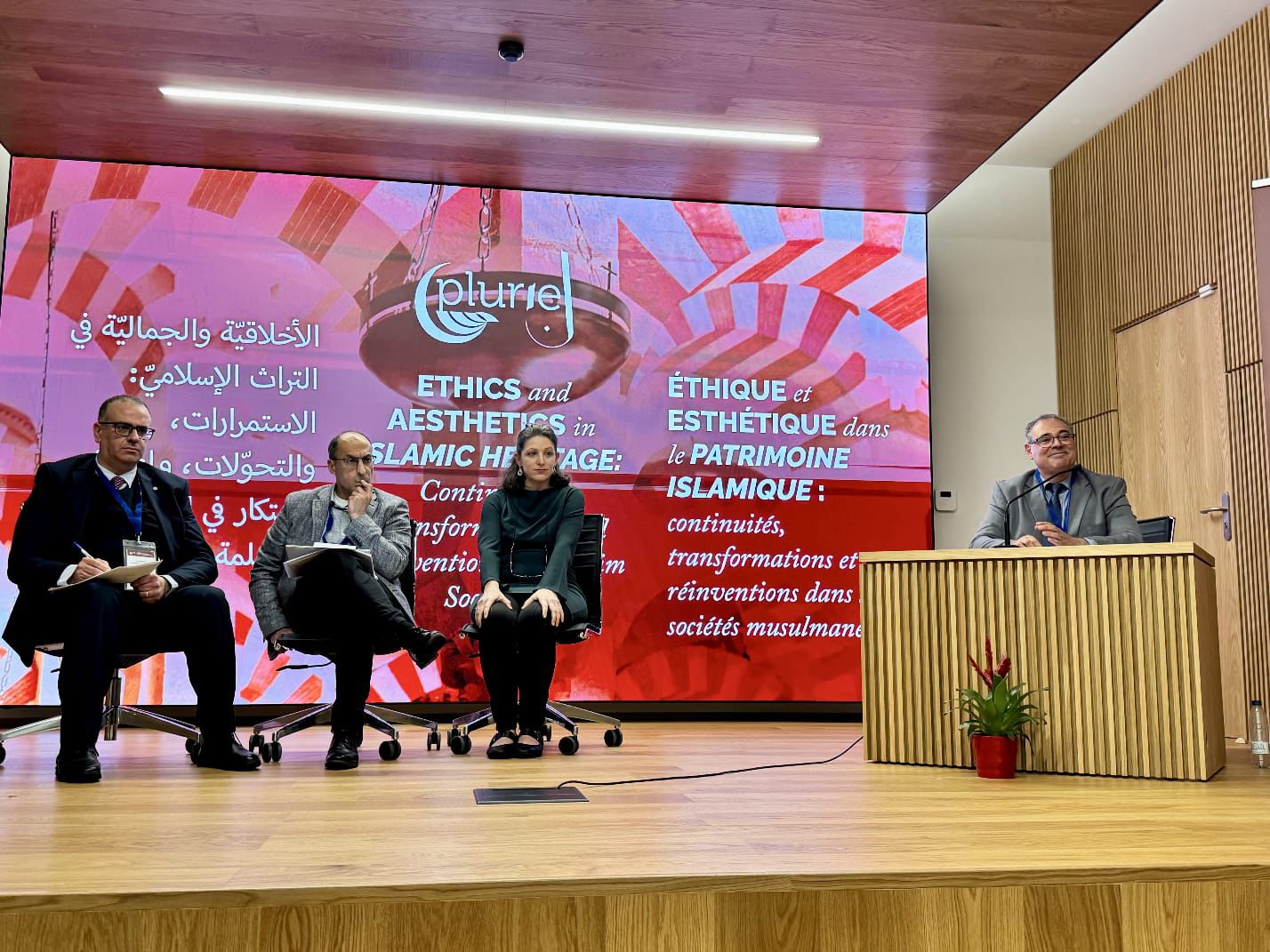
Representing TRENDS at the conference were Senior Researcher Hamad Al-Hosani, and Dr. Wael Saleh, Advisor to the Department
The TRENDS delegation participated in the conference sessions and discussions and moderated two academic panels. During the discussions, TRENDS researchers presented their perspective on the conceptual link between ethics and aesthetics in Islamic thought, emphasizing that this connection was not accidental in Islamic heritage but a foundational element in shaping the Islamic vision of humanity and the world.
In the first session, which examined the historical, linguistic, and philosophical dimensions of the relationship between ethics and aesthetics, TRENDS researchers highlighted examples from classical Islamic thought. They showed how concepts such as ihsan (benevolence), itqan (perfection), and justice helped establish a framework that unites moral values and aesthetic expression. They also discussed the methodological challenges facing contemporary researchers when studying this relationship in multicultural contexts.
In the second session, which explored the manifestations of ethics and aesthetics in daily life and contemporary art, TRENDS’ contributions focused on the evolving forms of aesthetic expression in Muslim societies. The discussion addressed the complex boundaries between religious and secular art, as well as the role of art in promoting coexistence and openness, or, conversely, its use within narrow ideological frameworks.
The Abu Dhabi Conference 2024 Book Launch
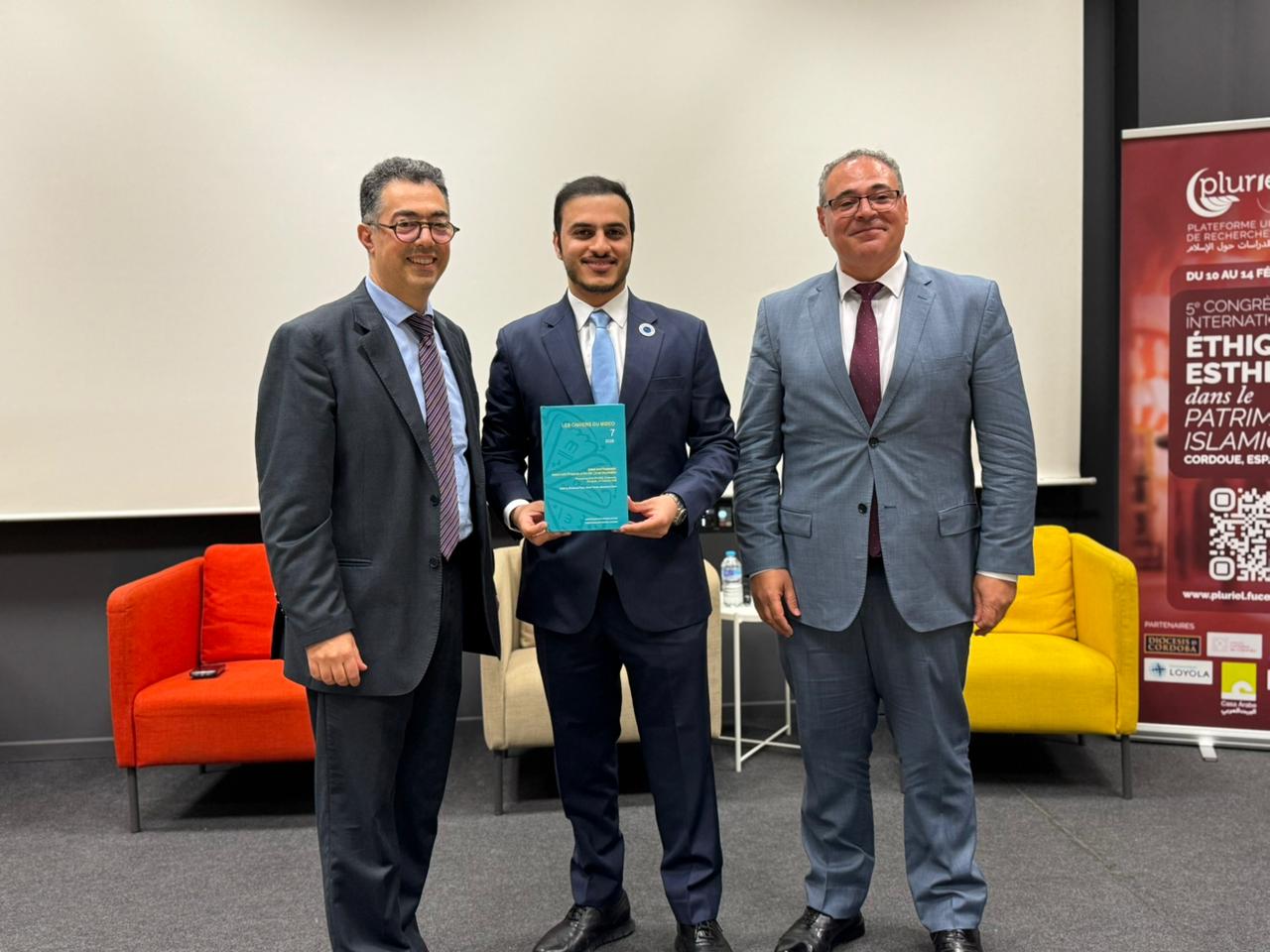
The conference also witnessed the launch of the book resulting from the Abu Dhabi Conference 2024, organized by TRENDS in cooperation with the University Platform for the Study of Islam. The publication represents the scholarly outcome of the research discussions hosted in the UAE capital last year.
The book includes a collection of peer-reviewed studies analyzing the Document on Human Fraternity and its impact on relations among religions and cultures. It also presents practical recommendations to advance the concept of human fraternity across different fields.
This publication marks a valuable addition to the field. It reflects TRENDS’ commitment to transforming the outcomes of academic conferences into rigorous knowledge production that serves researchers, decision makers, and those engaged in intellectual and cultural affairs.
A sustainable Knowledge Partnership
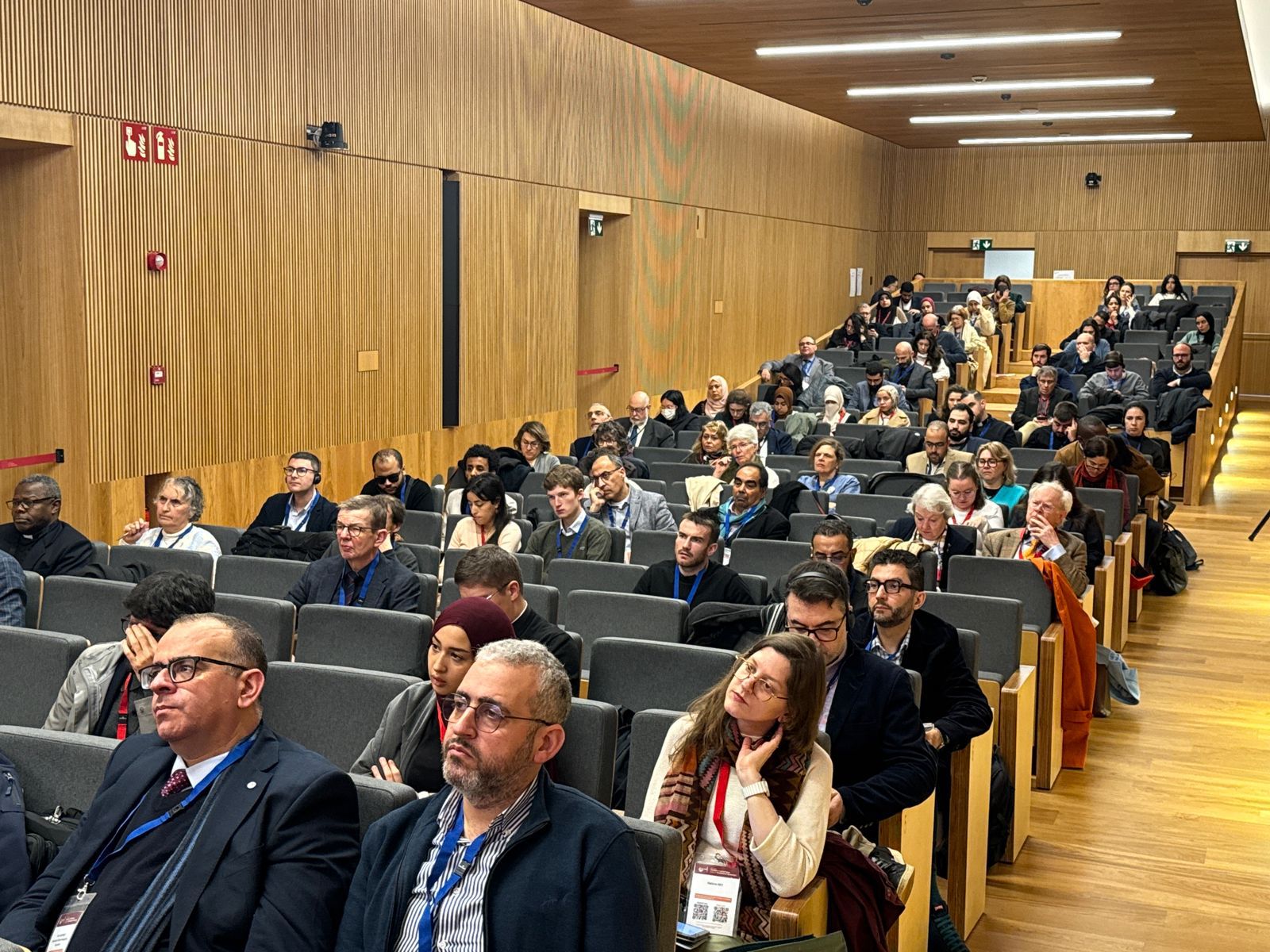
Both parties affirmed that this participation, along with the accompanying scholarly dialogue and research publications, reflects the depth of their partnership and their shared commitment to developing international academic platforms dedicated to the study of Islam in its intellectual and civilizational dimensions. They also emphasized the importance of promoting a balanced knowledge-based discourse that highlights the ethical and aesthetic values of Islamic heritage as a foundation for coexistence and intercultural understanding, and as an effective means of confronting extremism and hate speech.