


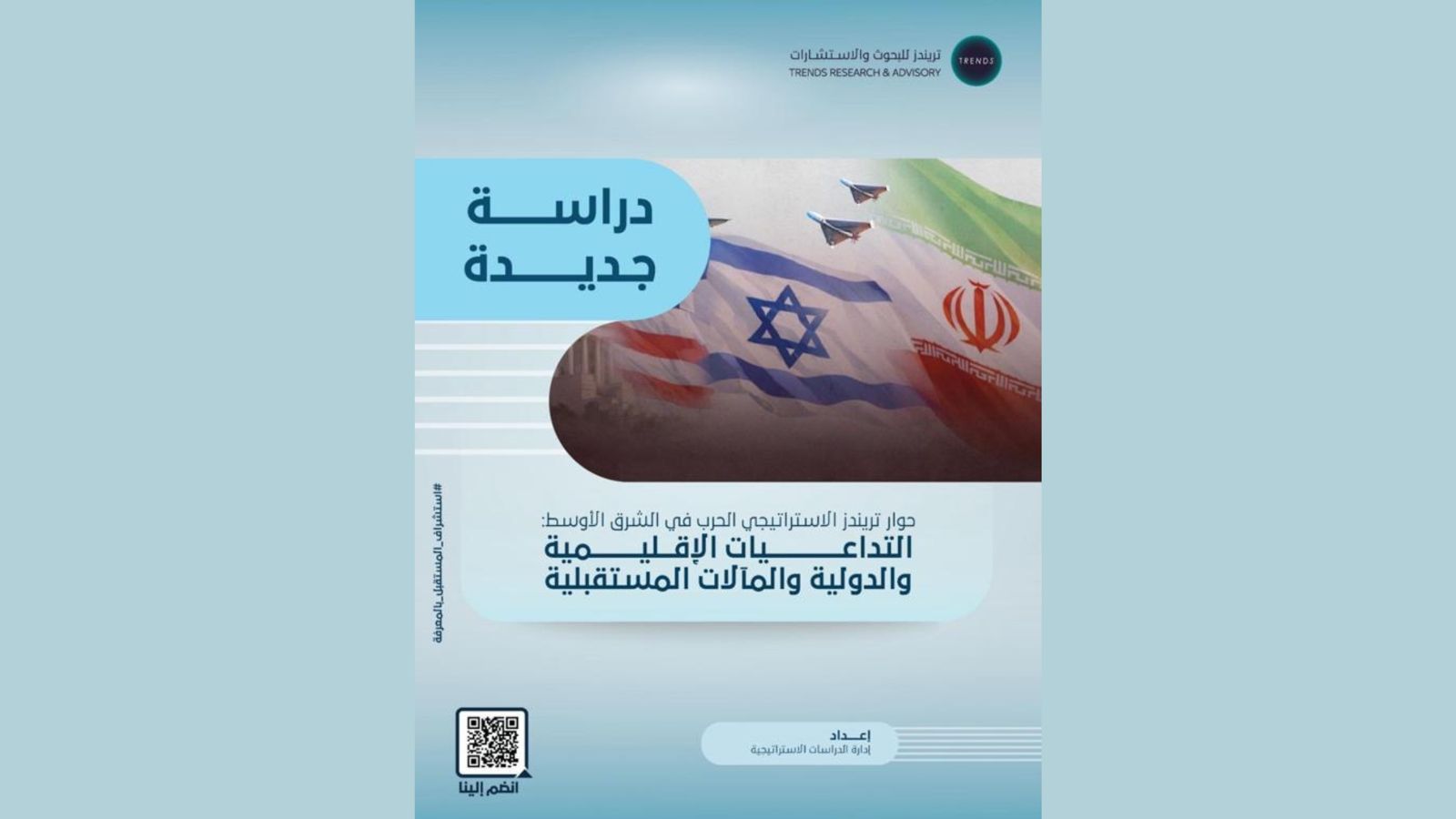
The dialogue examined the dramatic geopolitical shifts that followed the outbreak of the military confrontation between the United States, Israel, and Iran.
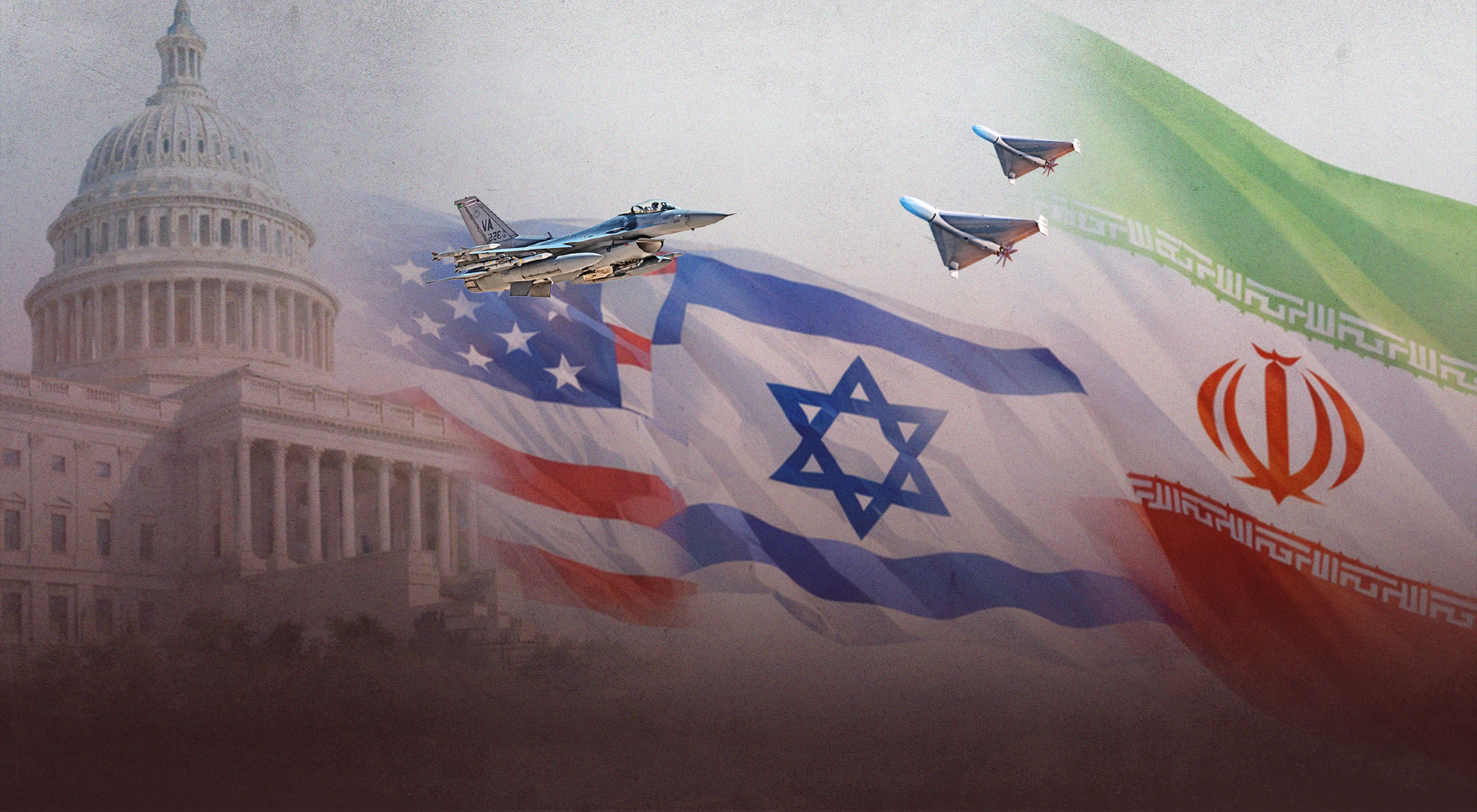
TRENDS Research & Advisory has released a comprehensive analytical study presenting the outcomes of its first Strategic Dialogue, titled The War in the Middle East: Regional and International Implications and Future Trajectories. The dialogue examined the dramatic geopolitical shifts that followed the outbreak of direct military confrontation between the United States and Israel on one side, and Iran on the other, on February 28.
The study includes an in-depth assessment prepared by the Strategic Studies Department at the center, with the participation of a distinguished group of experts and academics from several countries, aimed at identifying the features of the “unprecedented” phase currently facing both the regional and international systems.
Strategic Objectives and the ‘Deterrence’ Dilemma
The study documented that the ongoing military campaign goes beyond tactical responses, as it strategically aims to undermine Iran’s key capabilities by targeting ballistic missiles and drones to break the “balance of deterrence” upon which Tehran relies.
The study also highlighted Iran’s strategy of “globalizing the cost,” noting Tehran’s efforts to transfer the cost of the confrontation to regional and international arenas by threatening maritime navigation and targeting energy infrastructure to exert pressure on the global economy, while the conflict’s objectives remain ambiguous. The study warned that the absence of clear political objectives – whether aimed at limiting capabilities or changing the regime – could lead to a state of “strategic stalemate,” prolonging the conflict.
Energy Security and Global Supply Chains
The study devoted significant attention to analyzing the conflict’s repercussions on the global economy, highlighting several key points.
First, the Strait of Hormuz represents a major “chokepoint,” with around 20 percent of global oil trade passing through this narrow waterway. Any disruption in the strait could trigger sharp increases in oil prices and maritime insurance costs. The study also examined the potential impact on production sectors, warning that the crisis could affect the fertilizer industry, which is closely linked to natural gas, thereby posing a threat to global food security, particularly in fragile developing economies.
The study also noted that Gulf economies have demonstrated notable resilience, thanks to their diversification of income sources and ongoing efforts to identify alternative export routes away from zones of tension.
Shifts in the Regional Order
The study indicated that the ongoing conflict is reshaping alliance dynamics in the Middle East, as regional states increasingly adopt pragmatic approaches to diversify their security and economic partnerships. This includes the emergence of new forms of regional cooperation, particularly in maritime security and air defence, aimed at confronting shared threats.
Possible Trajectories
The study outlined three potential scenarios for the future of the conflict: Containment Scenario – where international diplomatic efforts succeed in cooling tensions and protecting global energy markets; Attrition Scenario – where the confrontation evolves into a prolonged conflict without a decisive military outcome, accompanied by continued economic fragility; and Full Escalation Scenario – where the conflict expands to involve additional regional actors, potentially causing widespread disruption to global energy supplies.
The study concluded that long-term stability in the region cannot be achieved solely through military means but requires a comprehensive political approach that accounts for the complex interconnection between regional security and global economic stability.

