


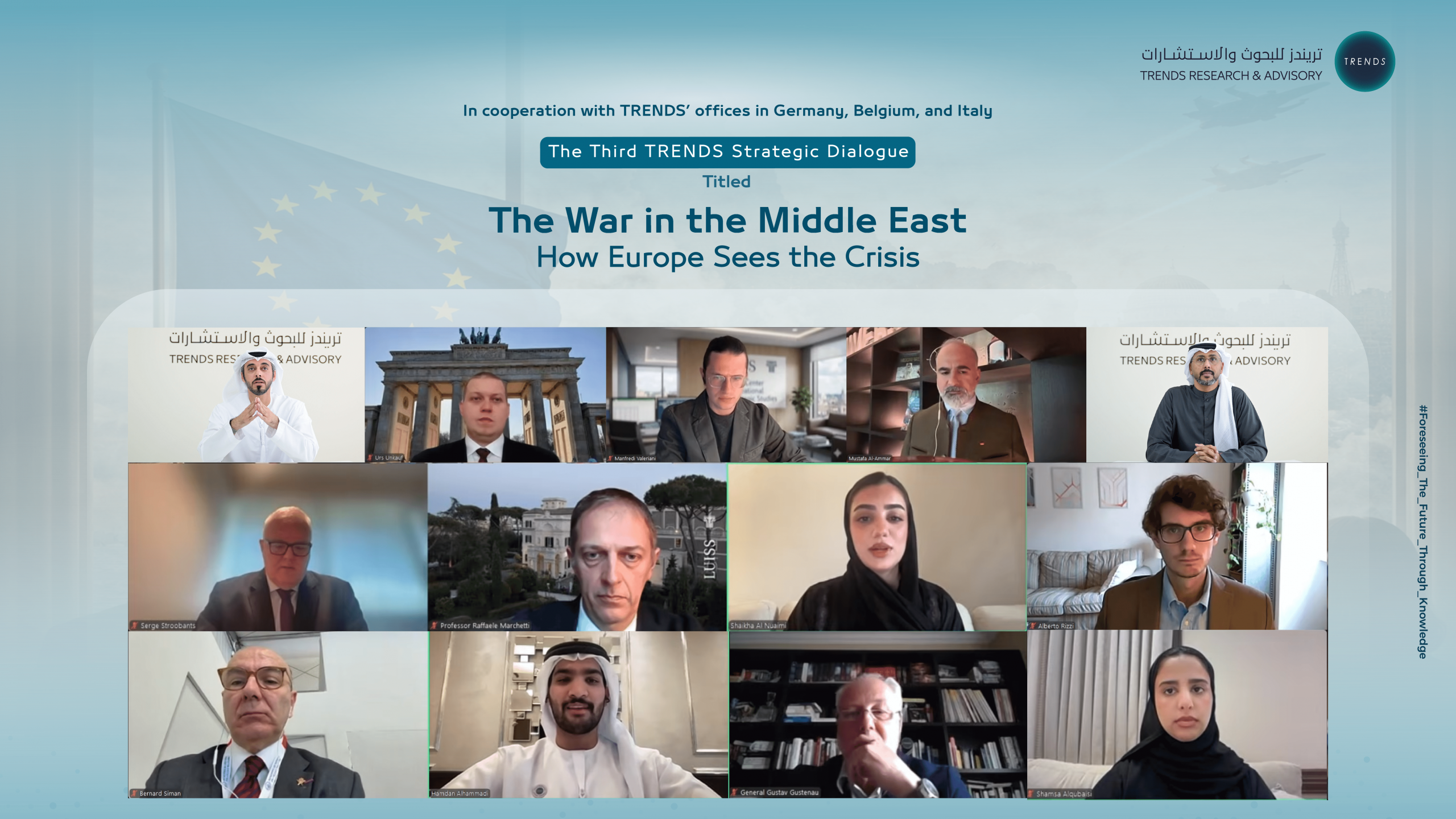
The dialogue, supervised by TRENDS offices in Italy, Belgium, and Germany, was held at a moment where military escalation intersects with global economic and security challenges.
Amid escalating regional tensions and rapid transformations in the international system, TRENDS Research & Advisory organized its third strategic dialogue, titled “The War in the Middle East: How Does Europe View the Crisis?” with the participation of a distinguished group of experts, researchers, and officials from Germany, Italy, Austria, and Belgium.
The dialogue, supervised by TRENDS offices in Italy, Belgium, and Germany, was held at a highly sensitive moment, where military escalation intersects with global economic and security challenges. This places Europe before a real test of its ability to adapt to a complex international environment while maintaining its political cohesion and strategic role.
Understanding Global Transformations
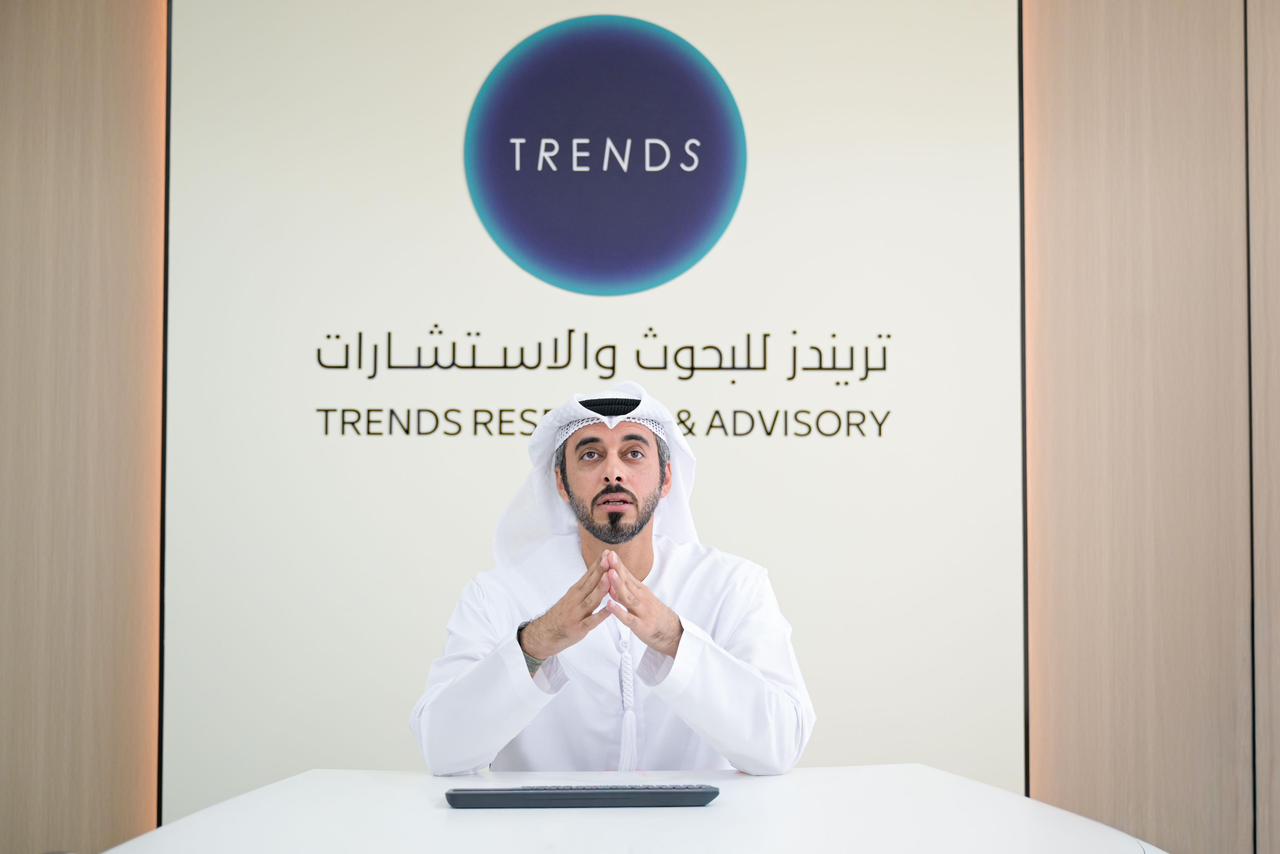
On the sidelines of the dialogue, Dr. Mohammed Al-Ali, CEO of TRENDS Research & Advisory, emphasized that TRENDS strategic dialogues serve as an important intellectual platform for providing forward-looking insights that help better understand complex geopolitical issues.
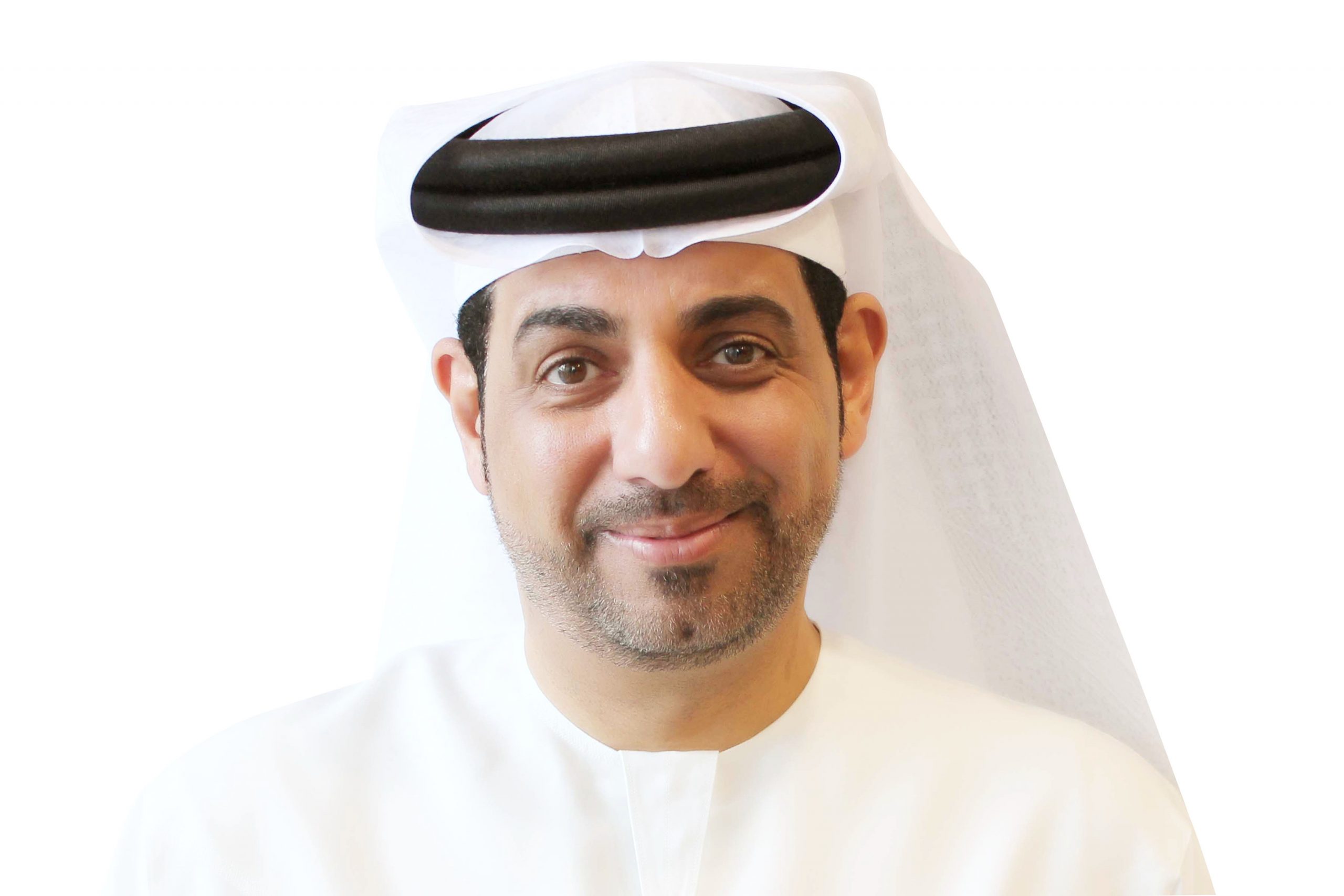
He revealed that the fourth strategic dialogue will be held via an “X Space” and will focus on developments in the Iran-related conflict and its implications for the Gulf region, with the participation of leading experts, aiming to broaden outreach and engage a wider audience interested in strategic affairs.
Gradual Escalation and Interconnected Arenas
Experts stressed that the Middle East is currently witnessing a new pattern of conflict that goes beyond traditional warfare, evolving into a multi-layered, complex conflict in which military, geopolitical, and economic dimensions are deeply intertwined.
Participants agreed that Europe is experiencing a state of “strategic limitation,” caught between its security dependence on the United States and its economic vulnerabilities.
They noted that the war in the Middle East has evolved into an existential threat to Europe’s energy security and political stability, alongside emerging risks related to terrorism and sabotage operations. They also highlighted that the European position is shaped by diverging external alignments, internal pressures, and growing geopolitical concerns.
Furthermore, they noted that NATO’s continued dominance and the U.S. strategic priorities hinder the development of an independent and effective European defense policy. The divergence of national interests and varying relations with Gulf countries—combined with the absence of a unified consensus—have resulted in a slow and uneven European response.
Experts also indicated that the crisis could indirectly benefit Russia by easing pressure on its energy sector, further complicating Europe’s strategic position.
Europe at the Heart of the Crisis
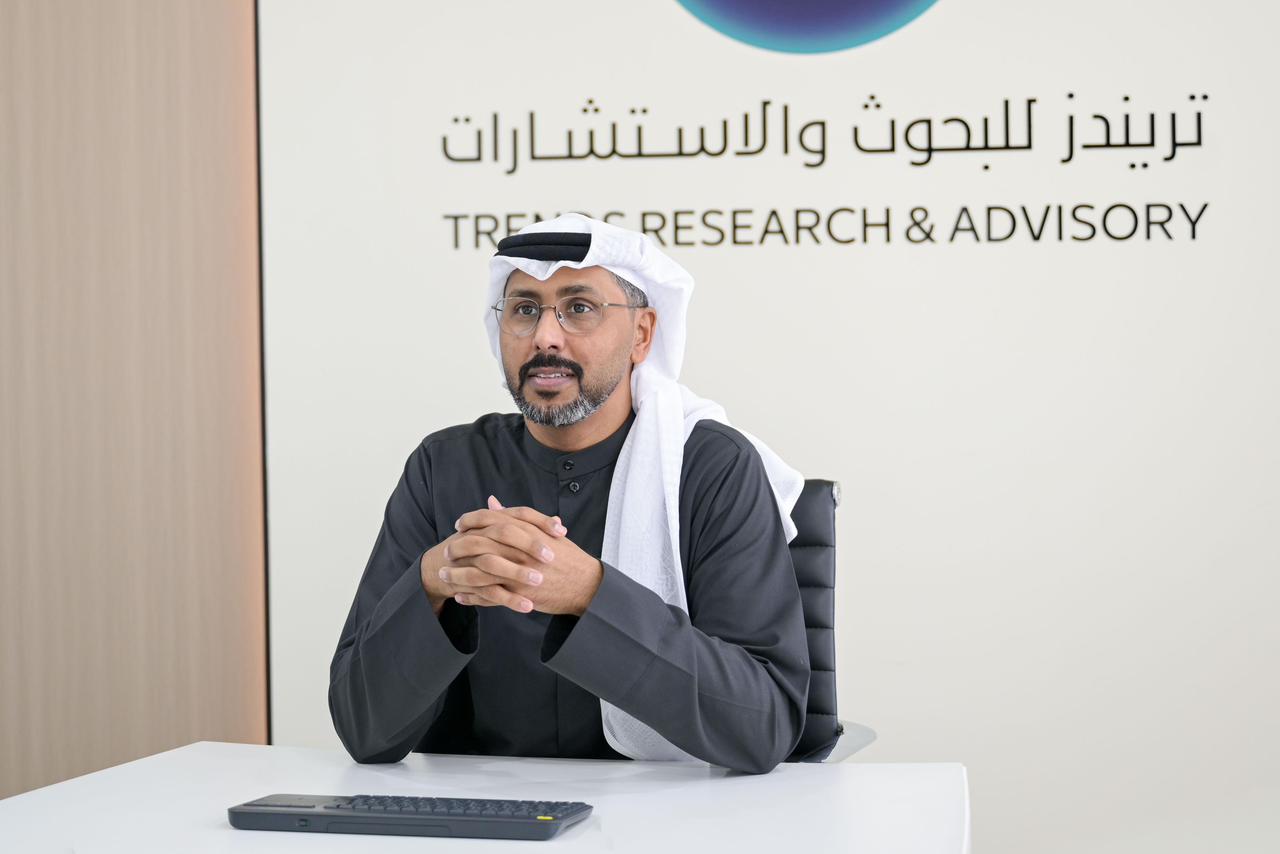
The dialogue opened with remarks by Mohammed Al-Salmi, Head of Research and Advisory Sector at TRENDS, who emphasized that developments in the Middle East can no longer be understood within the framework of traditional warfare. Instead, they represent a multi-dimensional conflict combining military, geopolitical, economic, and security elements.
He noted that the conflict is characterized by gradual escalation and multiple theaters of engagement, with ongoing attempts to expand its scope—making containment increasingly difficult and raising the likelihood of geographic and functional spillover.
He further explained that Europe is now at the center of these developments, given its strong ties with Gulf countries in energy, investment, and supply chains, making any regional escalation directly impactful on European economic and political stability.
Session One: Europe’s Strategic Boundaries
The first session, moderated by researcher Shamsa Al Qubaisi, focused on analyzing the determinants of European action and the limits of its influence in a rapidly changing global environment.
Four Key Determinants
Professor Raffaele Marchetti, Director of the Center for International and Strategic Studies (CISS) at LUISS University in Rome, explained that Europe’s response is shaped by four main factors:
- Alignment with the United States
- Energy needs
- Domestic public pressure
- The impact of the war in Ukraine
He noted that the interaction of these factors constrains Europe’s ability to adopt an independent and balanced position.
Hybrid Confrontation
Lieutenant General Gustav Gustenau, Secretary General of the European Institute for Counter-Terrorism and Conflict Prevention (EICTP) in Vienna, presented five possible conflict scenarios, including controlled military confrontation, hybrid warfare, and full-scale regional war.
He considered prolonged hybrid confrontation the most likely scenario, warning that any escalation into full-scale war would trigger immediate shocks to Europe’s energy security and internal stability.
Gap Between Awareness and Action
Serge Stroobants, Executive Director at Pantaeus Consulting in Belgium, highlighted a structural gap in Europe’s performance: while it possesses a strong understanding of risks, it lacks the institutional and political capacity to translate this awareness into decisive action.
He added that reliance on consensus and limited hard power often results in reactive policies focused on damage control rather than shaping outcomes.
Energy and Trade as Constraints
Urs Unkauf, Commissioner for Global External Affairs at BWA Global Economic Network in Berlin, emphasized Europe’s energy vulnerability, noting that its reliance on global energy markets – especially after reducing reliance on Russian gas – makes it highly sensitive to Middle East instability.
He explained that this reality drives Europe toward a pragmatic approach that balances security concerns with economic and trade interests.
Session Two: Energy and Gulf Security
The second session, moderated by researcher Hamdan Al Hammadi, explored Europe’s available policy tools and the future of its partnerships with Gulf countries.
The Dilemma of Dependence and Autonomy
Manfredi Valeriani, Scientific Coordinator at CISS, LUISS University, stated that Europe faces a dual dilemma:
- Dependence on NATO for security
- Inability to build an independent defense policy
This weakens its ability to act autonomously in crises beyond its immediate geography.
Triple Fragmentation
Alberto Rizzi, Policy Fellow at the European Council on Foreign Relations (ECFR) in Rome, pointed to a three-level division within Europe – political, societal, and strategic – limiting the EU’s ability to speak with one voice. He called for unified European action, clearer red lines, and stronger diplomatic coordination with Gulf countries.
The Gulf as a Strategic Pillar
Mustafa Al-Ammar, a member of the National Security Council in Germany’s ruling CDU party, stressed that the Gulf region is now directly linked to Europe’s energy security and economic resilience.
He described the current moment as a “critical turning point,” calling for deeper cooperation and stronger strategic partnerships, while highlighting the UAE as a model of stability, diversity, and coexistence.
Information Warfare and AI
Bernard Siman, Senior Associate Fellow at Egmont Institute in Belgium, warned of growing threats from foreign information manipulation and interference (FIMI), particularly with the use of AI in targeted influence operations. He stressed the need for collective European mechanisms to counter such threats.
Recommendations: Toward a More Effective European Policy
At the conclusion of the dialogue, Awad Al-Breiki, Head of TRENDS Global Sector, emphasized that Europe faces a complex strategic challenge in balancing transatlantic commitments with its vital interests in the Middle East.
Participants highlighted key recommendations:
- Strengthening European strategic unity and accelerating decision-making processes
- Acting as a unified bloc and defining clear strategic red lines
- Deepening coordination with Gulf countries in security, energy, and investment
- Enhancing border management and migration policies
- Developing defense capabilities, particularly in missile defense and cybersecurity
- Securing maritime routes and global supply chains
- Adopting a balanced pragmatic approach combining political realism and economic flexibility
They concluded that Europe’s ability to adapt to these transformations and build a coherent strategic response will be decisive in shaping its role in the evolving international order.

