Latin American Experts: Multidimensional approaches to understanding the Middle East war and promoting international balance.
Calls for strengthening cross-regional dialogue and building strategic alliances and partnerships to address global challenges.
Experts and researchers from Latin America emphasized the importance of adopting multidimensional approaches to understanding the war in the Middle East. They noted that the Latin American perspective on the crisis is rooted in accumulated historical experience in conflict management, as well as political orientations that favor balance and positive neutrality—enhancing opportunities to support de-escalation efforts and open channels for constructive dialogue.
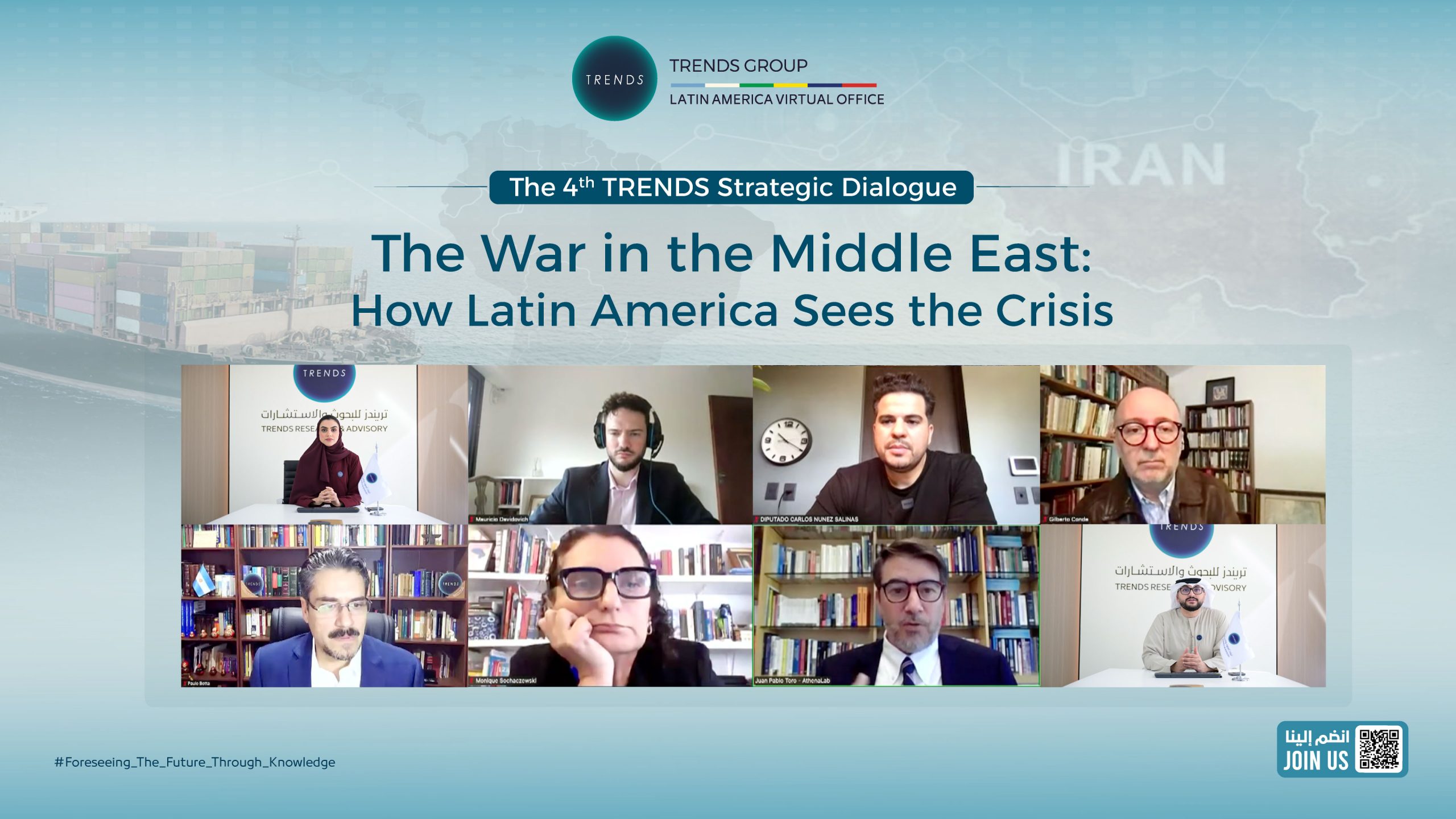
These remarks were made during the TRENDS Fourth Strategic Dialogue, organized by the TRENDS Group through its offices in Latin America, titled The War in the Middle East: How Does Latin America View the Crisis? The event brought together a distinguished group of academics and experts from Brazil, Mexico, Paraguay, Argentina, and Chile.
Participants highlighted that Latin American countries, given their historical and growing ties with the Middle East, as well as their interconnected interests in global markets—particularly in energy, food, and supply chains—are directly affected by the crisis. This has prompted them to adopt more independent positions aimed at reducing international polarization and promoting diplomatic solutions grounded in dialogue and mutual understanding.
A Platform for Enhancing Global Dialogue
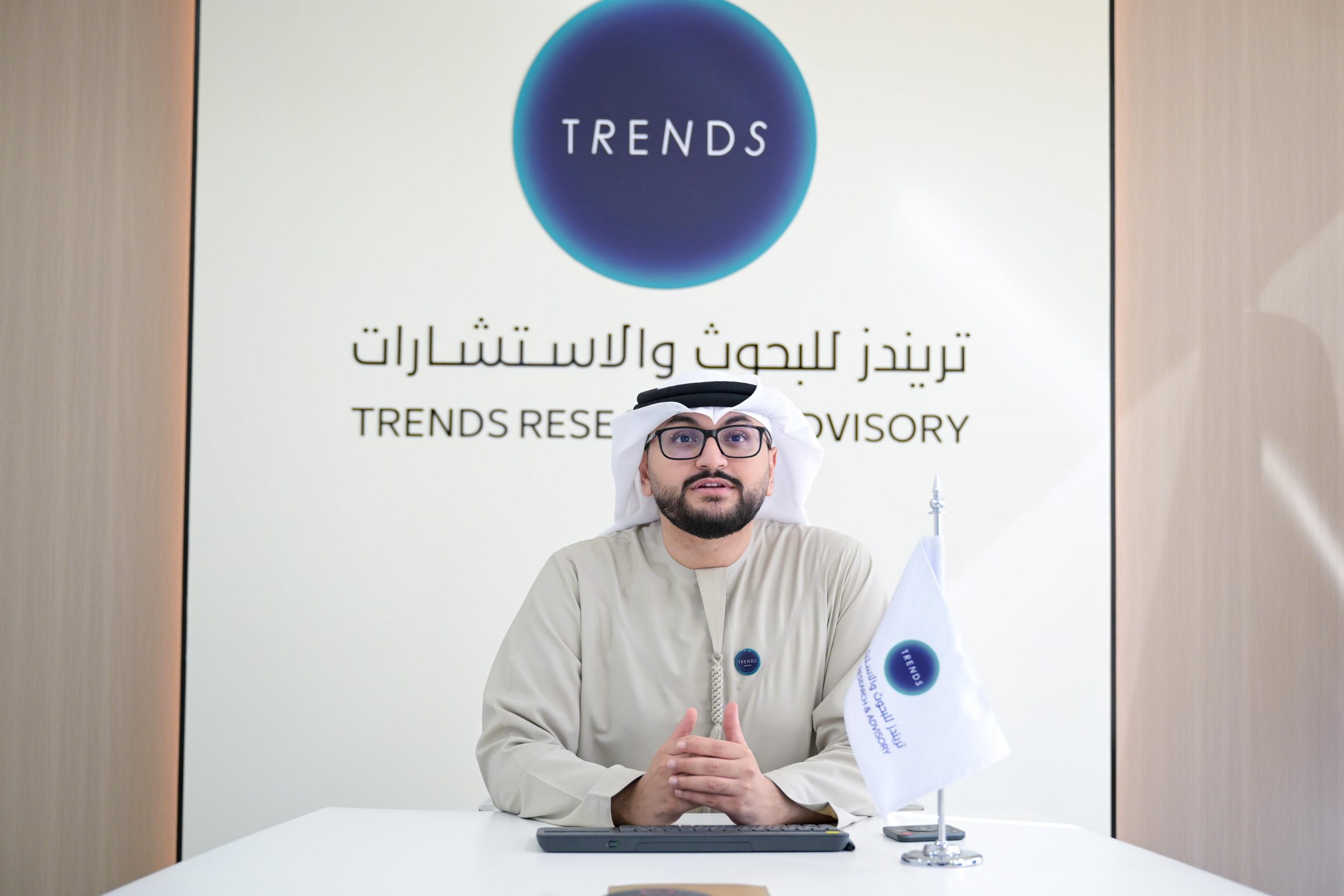
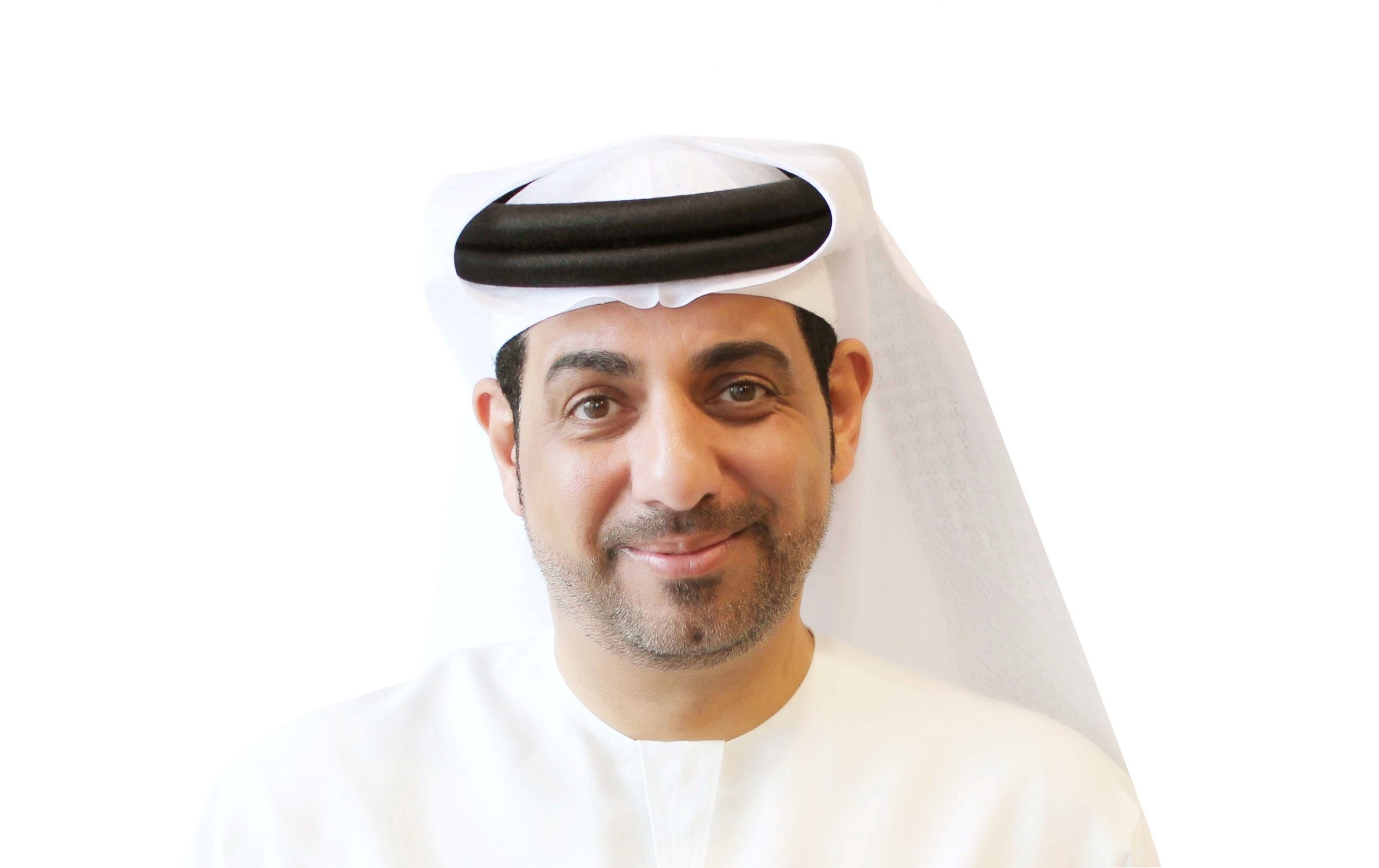
Dr. Mohammed Al Ali, CEO of the TRENDS Group, affirmed that the TRENDS Strategic Dialogue series represents a dynamic intellectual platform for building bridges between think tanks and experts worldwide, contributing to a deeper understanding of geopolitical and economic transformations.
He explained that these dialogues align with TRENDS’ vision of knowledge openness and the expansion of international research partnerships, noting that diversity of perspectives contributes to more balanced readings of global crises and helps anticipate the future of the international system through comparative regional approaches.
A Strategic Crossroads
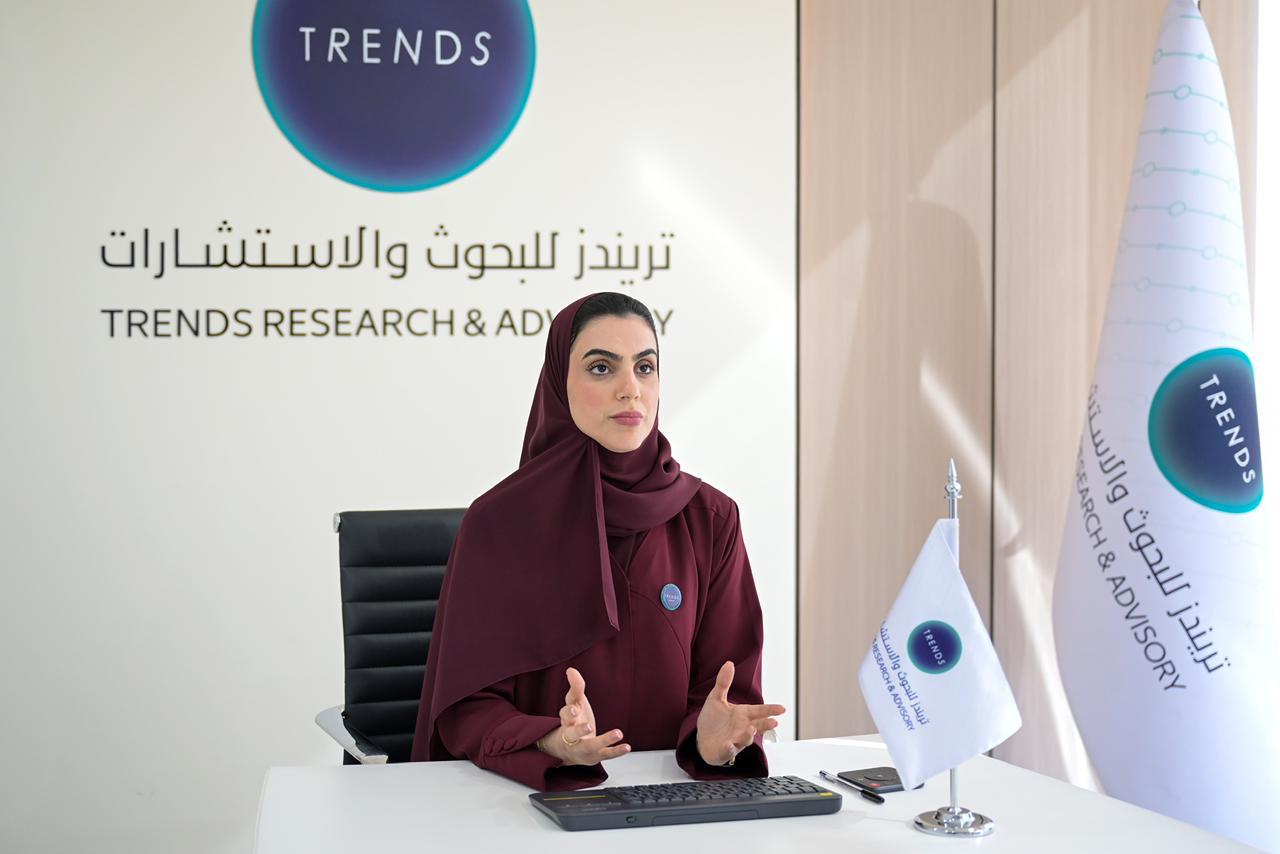
Al Yazia Al Hosani, Senior Researcher at TRENDS, opened the dialogue with welcoming remarks, stressing that the meeting comes at a highly sensitive time amid escalating regional tensions and rapid transformations in the international system, necessitating an in-depth, multidimensional analysis of the ongoing crisis in the Middle East.
She explained that the current war, in which regional and international interests intersect, cannot be viewed as a limited conventional conflict. Rather, it represents a complex, multi-layered conflict where military dimensions overlap with economic and geostrategic considerations, involving active international actors, most notably the United States, alongside Israel, in confrontation with Iran.
She further noted that recent field developments—including Iranian attacks on Gulf countries and the targeting of civilian, economic, and critical infrastructure facilities—have generated repercussions extending beyond the regional scope to directly impact the global economy, particularly amid threats to international maritime security in strategic waterways.
She added that even a partial or temporary closure of the Strait of Hormuz serves as a serious indicator of the fragility of the global energy system. This has been reflected in disrupted supply chains, rising transportation and insurance costs, and increasing pressure on oil and gas markets—casting a shadow over inflation and growth rates in many economies worldwide.
She emphasized that these developments clearly reveal the deep interconnection between regional security and global economic stability, noting that crises in the Middle East are no longer geographically confined but have become a key factor in reshaping international policy priorities and power balances.
In this context, she noted that several Latin American countries have taken notable positions in response to these developments, expressing solidarity with Gulf states against attacks aimed at their security and stability. Some countries have also taken advanced political and legal steps, including designating Iran’s Islamic Revolutionary Guard Corps as a terrorist organization, as recently announced by Argentina—reflecting a growing awareness of the global security implications of the conflict.
She stressed that the current phase represents a turning point at the political, economic, and strategic levels, amid accelerating global shifts toward a more complex and multipolar international system, suggesting that the repercussions of this war are likely to persist over the long term with profound impacts on both regional and global orders.
She added that organizing this dialogue reflects TRENDS’ commitment to exploring diverse international perspectives and understanding Latin American positions on the crisis through rigorous academic discussions and methodical analyses presented by leading experts and specialists.
She concluded by emphasizing that strengthening cross-regional dialogue and exchanging expertise between regions such as the Middle East and Latin America is a pressing necessity—not only to understand current challenges better but also to contribute to the formulation of more balanced and sustainable collective solutions that support international stability and mitigate escalating crises.
Dialogue Session: Conflict Implications and Global Pressures
The session was moderated by Dr. Paolo Botta, Director of TRENDS Virtual Offices in Latin America, who emphasized that the dialogue comes at a critical time and aims to develop shared visions on global challenges, particularly those related to energy security, supply chains, and strategic stability.
A Gulf–Latin American Partnership in the Making
In the keynote address, Francisco de Santibañes, President of the Argentine Council for International Relations (CARI), stressed that the world is undergoing a profound phase of transformation marked by the decline of the traditional international order and the rise of multipolar models. He affirmed that dialogue between Latin America and Gulf countries has become a strategic necessity.
He noted that Gulf countries have become key players in the global economy—not only in energy but also in investment, technology, and economic transformation—opening broad prospects for building long-term partnerships with Latin American countries.
Argentina: Between Energy Opportunities and Macroeconomic Constraints
Mauricio Davidovich, Director of the Middle East Committee at CARI, presented an in-depth analysis of the conflict’s impact on Argentina’s economy, noting that the country is entering a critical phase in which domestic economic challenges intersect with shifts in global energy markets.
He pointed out that the development of the Vaca Muerta field represents a strategic turning point, placing Argentina on a path toward becoming a net energy exporter and potentially benefiting from rising oil and gas prices.
However, he stressed that this opportunity depends on the government’s ability to manage inflationary pressures, enhance financial stability, and attract foreign investment in the energy sector.
He added that while the continuation of the conflict may create a favorable international environment for Argentina’s energy exports, it also poses challenges related to market volatility and rising financing costs.
Brazil: A Complex Balance Between Food Security and Geopolitical Considerations
Monique Sochaczewski Goldfeld, Professor of Political Science and International Relations at the Brazilian Institute for Teaching, Development, and Research, presented a multi-level analysis of Brazil’s position, noting that the Middle East conflict affects Brazil through intertwined economic, humanitarian, and strategic channels.
She explained that rising energy prices directly affect agricultural production costs because Brazil relies on imported fertilizers, putting pressure on food security and basic commodity prices.
On the humanitarian side, she highlighted that Brazil’s large Lebanese diaspora gives the conflict strong domestic resonance. Strategically, she noted that Brazil, as part of the BRICS group, seeks to promote a multipolar international system and views Gulf countries as key partners in clean energy, advanced technology, and artificial intelligence.
Mexico: Open Scenarios and Opportunities for Economic Repositioning
Gilberto Conde, researcher and lecturer at El Colegio de México, outlined a scenario-based approach identifying three main trajectories for the conflict: a rapid resolution restoring relative stability, a prolonged conflict straining the global economy, and a chaotic scenario reshaping regional and international balances.
He noted that Mexico would be indirectly affected through trade, energy, and tourism channels, as rising fuel prices increase transportation costs and reduce tourism activity.
However, he emphasized emerging opportunities, particularly strengthening Mexico’s position as a nearshoring hub as global companies seek to relocate supply chains away from conflict zones, and attracting Gulf investments in renewable energy.
Chile: The Crisis as a Catalyst for Energy Transition
Juan Pablo Toro, Co-founder and Senior Research Fellow at Athenalab (Chile), explained that Chile, as an open economy heavily dependent on energy imports, is directly affected by global market fluctuations.
He noted that rising oil prices generate inflationary pressures and slower growth, but also act as a catalyst for accelerating the transition to renewable energy sources such as solar, wind, and green hydrogen.
He added that Chile is strengthening international partnerships, including with the UAE, in strategic sectors such as lithium, a key component of battery production, and the transition to the green economy.
Paraguay: Direct Economic and Social Impacts
Carlos Alberto Núñez Salinas, Alternate President of the Latin American and Caribbean Parliament (Parlatino) and Member of Paraguay’s Parliament, stressed that the repercussions of the Middle East conflict are no longer confined to the region but are directly impacting Latin American economies due to deep global economic interdependence.
He explained that energy price volatility has increased production, transportation, and electricity costs, affecting inflation and purchasing power, and warned of potential social consequences, especially for vulnerable groups.
On the humanitarian level, he described the crisis as historically significant due to large-scale displacement, emphasizing the role of regional institutions such as Parlatino in coordinating responses and promoting peace initiatives.
He also called for redefining relations with Arab countries to include broader areas such as technology, investment, and academic exchange, as well as strengthening South–South cooperation through sustainable institutional mechanisms.
Five Recommendations for a More Balanced Future
The dialogue concluded with remarks by Sultan Yousef Al Hosani, researcher at TRENDS, who noted that the discussions reflected profound shifts in understanding international dynamics.
He stated that the dialogue produced five key recommendations:• Strengthening cross-regional dialogue through permanent institutional platforms• Leveraging positive neutrality to support international mediation• Building strategic partnerships in food security, energy, and supply chains• Enhancing knowledge diplomacy and joint research• Integrating Latin American perspectives into shaping a multipolar international order
In conclusion, he expressed appreciation to the participants, affirming that such dialogues serve as a starting point for strengthening intellectual and strategic cooperation among different regions of the world.