


-Mohammed Al Hammadi: The transparency of the UAE media has positively reflected on internal social cohesion
-Dr. Tawfik Okasha: Holding the media responsible for shaping public awareness is a misconception and unfair
-Nadim Koteich: Treating digital media with a commercial mindset does not suit the nature of long narrative battles
-Hayat El-Dardiry: The crisis of Arab media lies in the fundamental absence of an Arab media school
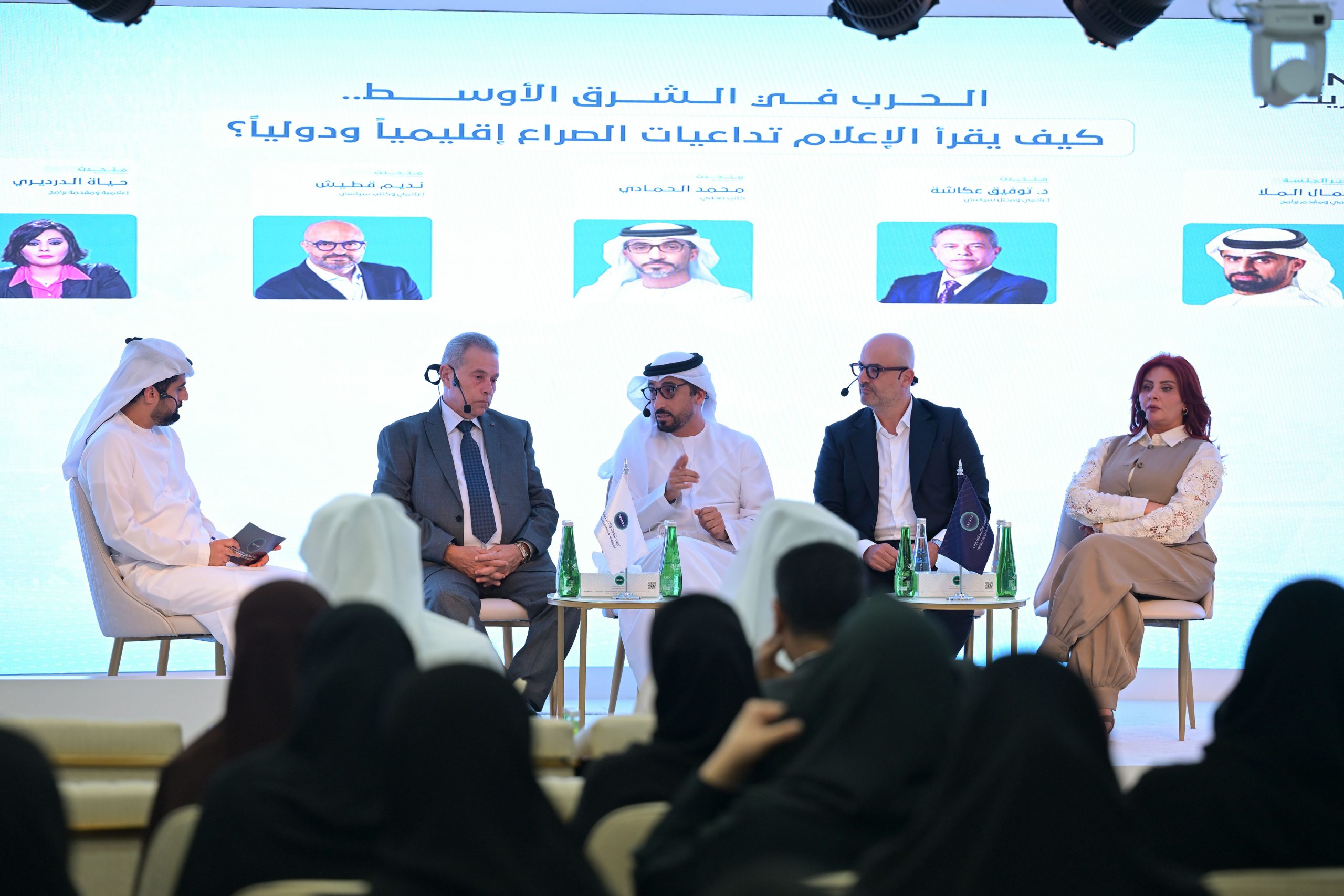
Media professionals and experts emphasized, during a panel discussion organized by TRENDS Group through its Dubai office under the title “The War in the Middle East: How Does the Media Read the Repercussions of the Conflict Regionally and Internationally?” that media in the modern era is no longer merely a conveyor of events, but has become one of the most dangerous tools. It is used to counter rumors and misinformation promoted by adversaries, clarify facts, and mobilize societies. They explained that today’s media battle is no less important than the military one and may, in fact, be more influential in determining the outcomes of any conflict.
They pointed out that the Arab media narrative suffers from a gap between the magnitude of challenges facing Arab states and the ability of their discourse to address them effectively and persuasively. They attributed this to the fact that effective messaging must emerge from the language, culture, and heritage of the society it seeks to address, stressing the need for constant preparedness for surprises through clear and effective media policies, strategies, and plans.
The Most Dangerous Weapon
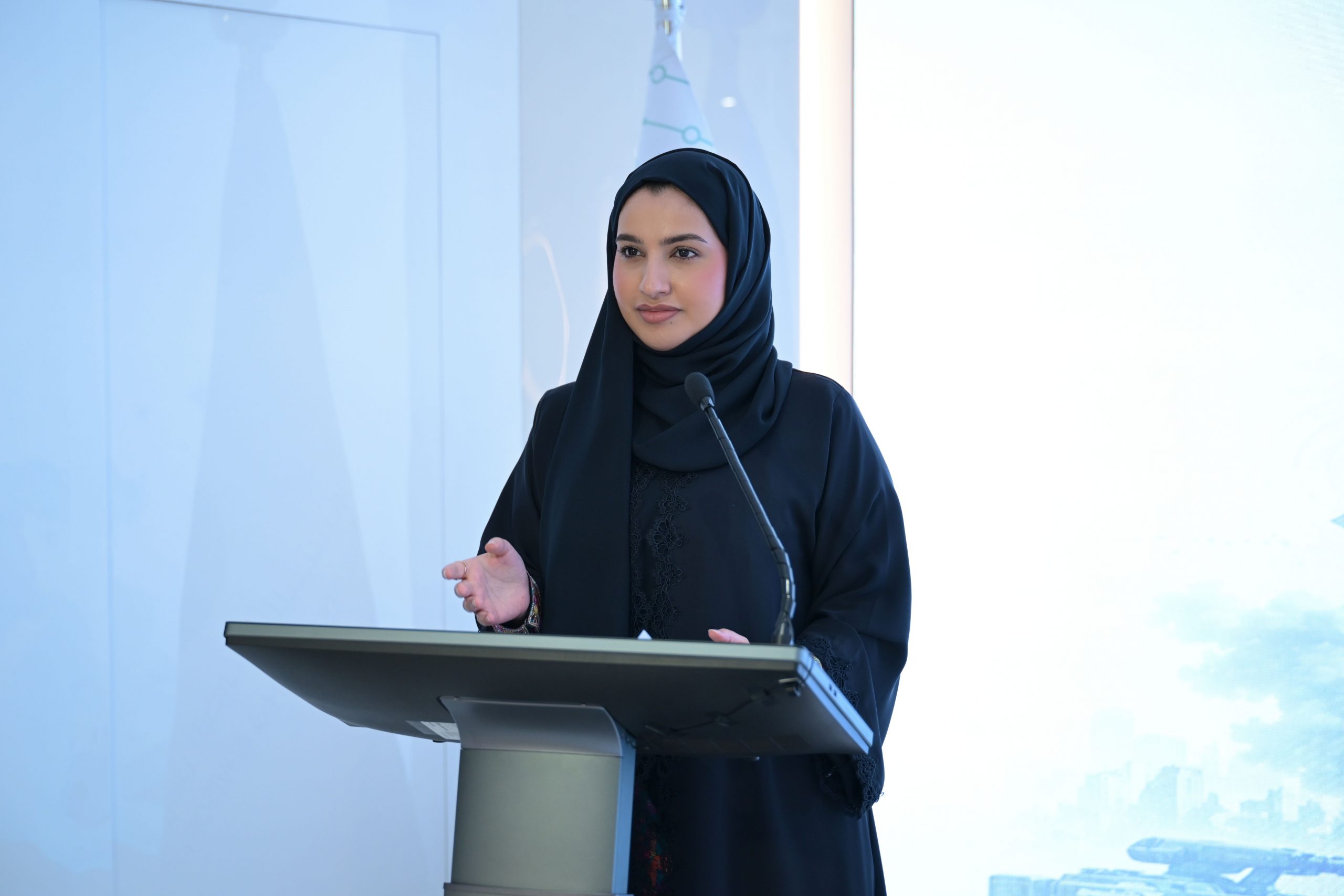
Noora Al Shamsi, a researcher at TRENDS, stated during her introduction to the session—held in the conference hall at TRENDS headquarters in Abu Dhabi—that the media has transformed from a mere transmitter of events into one of the most dangerous tools, used to counter rumors and misinformation spread by adversaries, clarify facts, and rally societies behind their governments. She added that, when viewed from a broader regional and international perspective, the battle has not been without painful contradictions. Long-established global media institutions have fallen into the trap of spreading rumors and misinformation, prompting official responses. At the same time, artificial intelligence has asserted a strong presence, contributing to the emergence of fabricated videos and deepfake images.
Wars Targeting Minds
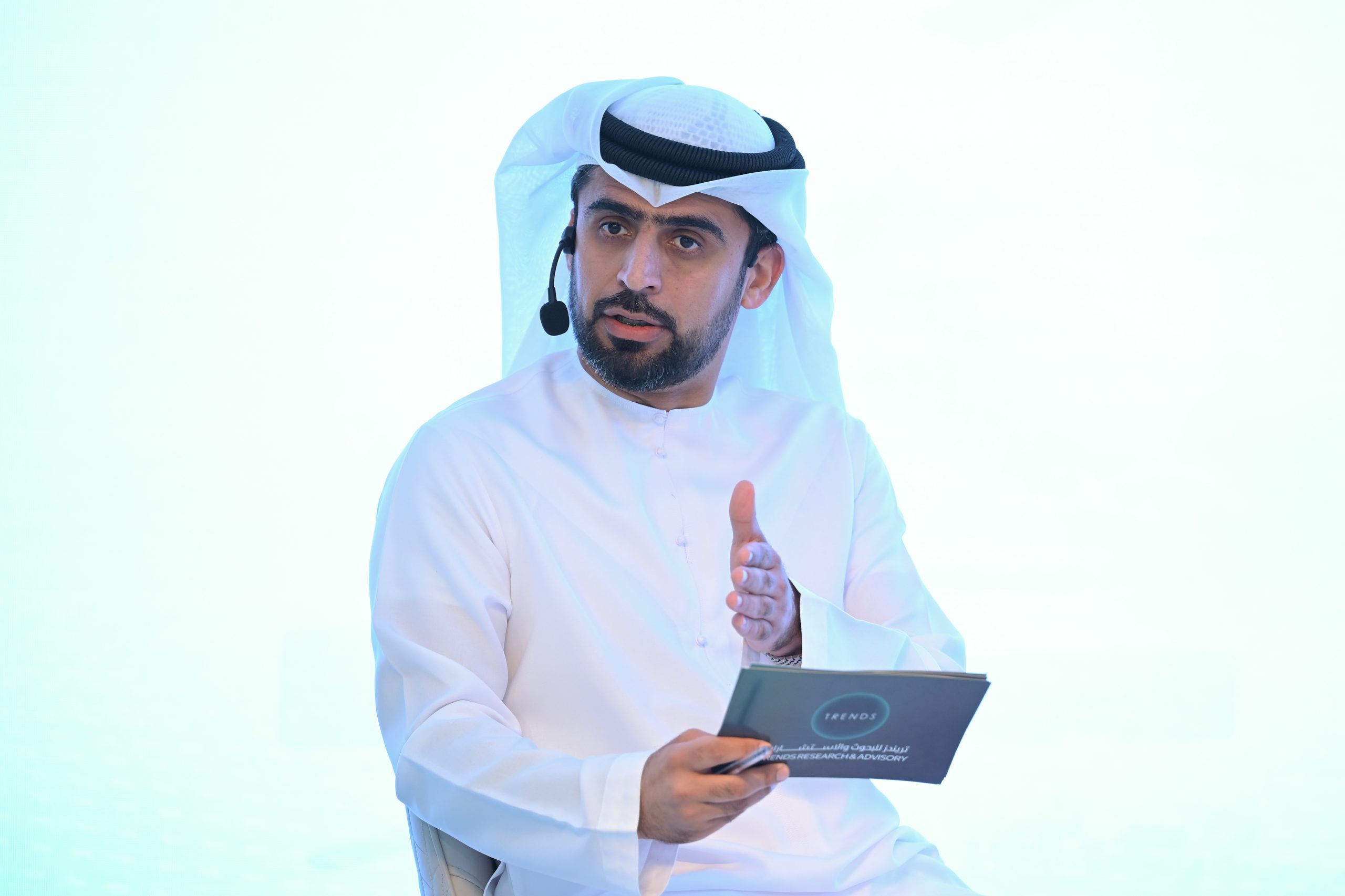
The discussion was opened by media personality and TV host Jamal Al Mulla, who moderated the session. He emphasized that modern wars do not target land alone, nor even truth alone, but target people’s minds. The media has become one of the primary arenas of conflict, and screens are no longer just tools for reporting events but have become instruments for managing the battle itself. The media is no longer a neutral observer standing outside events; it has become an active participant that determines what is shown and what is hidden. Thus, today’s media battle is no less important than the military one, and may be even more influential in determining outcomes. However, the Arab media narrative still suffers from a gap between the scale of the challenges and its ability to respond effectively.
Transparency and Speed
Journalist Mohammed Al Hammadi affirmed that evaluating the UAE media requires a clear distinction between its performance during the recent conflict and its broader structural condition. He noted that it was highly effective in dealing with the situation from the very first moment of the war, demonstrating remarkable transparency and speed. He explained that speed and official statements were crucial in preventing an information vacuum.
He added that the public within the country was informed from the outset about all developments, which helped build trust and prevent the spread of rumors. Official media was part of the crisis management system, not merely a news transmitter. Media transparency also had a positive impact on internal social cohesion, revealing a unique social dynamic in the UAE that strengthened society against the pressure of rumors and media attacks, turning this into a component of national defense.
Strengthening the National Narrative
Al Hammadi noted that while the UAE media is strong domestically, it needs to enhance its presence externally, particularly in addressing Arab and international audiences in multiple languages. He stressed the importance of expanding foreign-language content as a strategic step to strengthen the national narrative globally.
He explained that the clarity of the UAE’s political position during the U.S.–Israel–Iran war enabled the media to operate with confidence and convey messages effectively, thereby producing strong, coherent, and dynamic discourse. He emphasized the need for constant preparedness through clear media policies, strategies, and plans. He called for the development of media legislation, along with the support of qualified national and Arab professionals.
Media and Social Construction
Dr. Tawfik Okasha, media figure and political analyst, stated that the media is either a message of truth, in which the journalist fulfills their duty, or a message of hypocrisy aimed at pleasing those who fund it. This gives misinformation an absolute moral dimension, making it not just a professional error but a sin and a corrupt message.
At the same time, he stressed that the media alone cannot be held responsible for social construction. It is part of a broader system that includes family, education, health, security, economy, and religion. Holding the media solely accountable for shaping public awareness is both a misconception and unfair. Media requires a society capable of receiving its message, and this reception depends on multiple interconnected factors.
He identified three key conditions for shaping public opinion: the economic situation, the level of education and cultural awareness, and the absence of cultural and religious ignorance. The absence of any of these undermines the media’s ability to perform its role, regardless of the message’s strength.
Educational, Not Commercial Media
Dr. Okasha also noted that addressing the needs of more than 400 million Arabs requires a different philosophy. Building public opinion and influencing a broad Arab audience requires sovereign and educational institutions, not commercial projects driven by short-term profitability standards. He pointed out that Arab universities still rely on translated foreign theories and references that are not suited to the unique cultural, historical, and religious contexts of Arab societies.
Regarding social media, he argued that the concept of “creative chaos,” often discussed theoretically, has not materialized positively in reality but has manifested in the virtual world, which operates without rules, controls, or structured education, turning it into a vast space for disorder, mutual attacks, and the spread of rumors and misinformation.
Producing Influential Media
Journalist and media figure Nadim Koteich explained that analyzing any media phenomenon must begin with the “target audience” rather than just resources or technical tools. Media directed at elites differ fundamentally from those directed at the general public in terms of language, interests, and reception patterns. He pointed to a structural issue within Arab media institutions, making it extremely difficult to produce influential media, describing it as a systemic challenge that cannot be solved merely by improving individual performance or increasing spending.
He added that audience consumption of information has fundamentally changed, especially with the rapid spread of artificial intelligence, which relies on available online content. The absence of “media abundance” from a particular source means audiences will turn elsewhere, representing a strategic shift that requires rethinking media production policies.
Long Narrative Battles
Koteich noted that treating digital media purely as a commercial venture does not align with the nature of long-term narrative battles. Media is an instrument of influence that requires a different strategic vision. Despite the abundance of journalistic talent, it is the institutional framework that determines whether strong media products can emerge.
He also pointed out that emotional media discourse limits states’ ability to build a genuine connection with audiences. Countries with major visions and future projects cannot rely solely on addressing elites and investors; they must engage broader audiences at both regional and international levels.
An Arab Media School
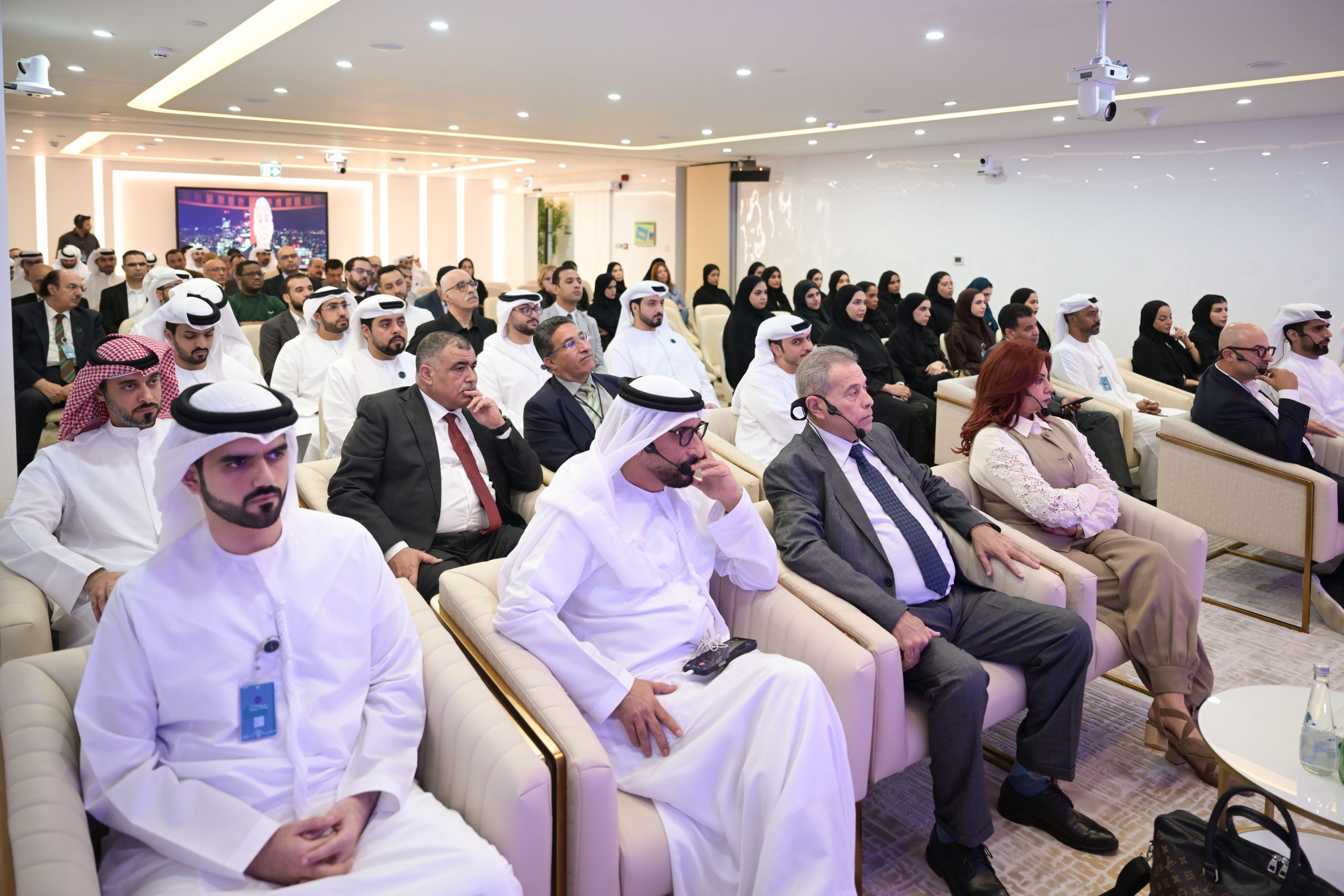
Media personality and TV presenter Hayat El-Dardiry believes that the crisis of Arab media does not lie solely in direction or funding, but in the fundamental absence of a distinct Arab media school suited to this cultural and political space. Arab media, she argues, still borrows non-Arab models and attempts to apply them to societies that differ in nature, culture, and history. She also noted that media education in Arab universities follows Western patterns that are not entirely suitable for the Arab region at its current stage.
She added that the intellectual elite do not need media in the same way, as they possess their own tools. In contrast, the general public—representing the majority of Arab societies—requires media that is accessible and relatable. Media, she emphasized, is the “soft weapon” of any state; in the modern era, it is no longer merely a transmitter of reality, but an active participant in shaping events, placing greater responsibility on Arab media institutions in the present and the future.
