

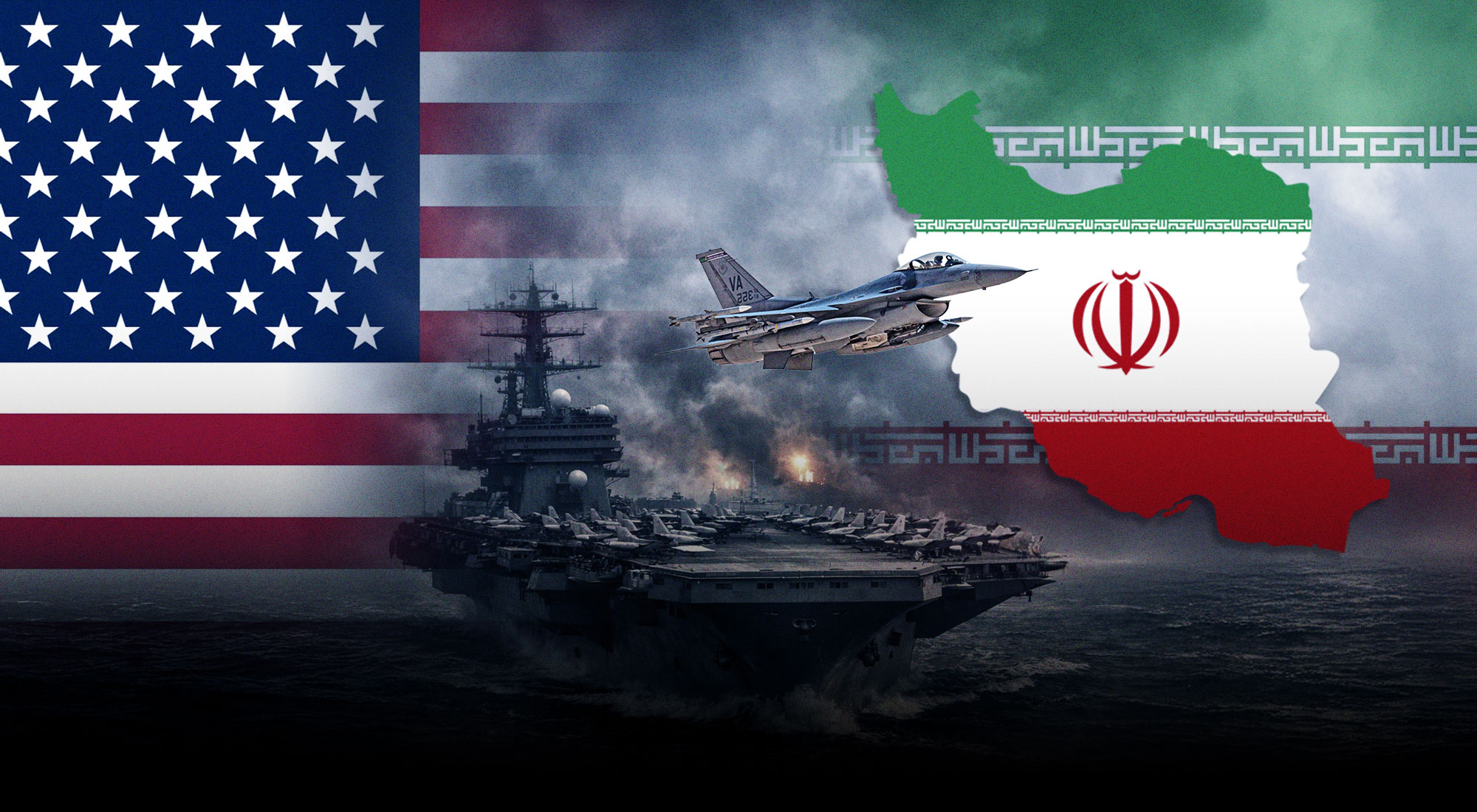



After months of escalating threats against Tehran, the administration of Donald J. Trump crossed the Rubicon on February 28, launching Operation Epic Fury in coordination with Israel. Within forty-eight hours, Israeli forces had assassinated the Islamic Republic’s second Supreme Leader, Ali Khamenei, along with dozens of senior Iranian security officials. Such strikes immediately shattered any remaining guardrails against a broader war. Operation Epic Furry has quickly metastasized into a regionwide conflagration with Tehran responding in manners aimed at bringing more countries into the fray and destabilizing its neighbors.
With the Islamic Republic’s third Supreme Leader, Mojtaba Khamenei, now at the helm, Tehran appears determined to press on with the fight. Although Trump has suggested that the United States is close to accomplishing its mission in Operation Epic Fury, there is little assurance that Iran will agree to a ceasefire. In short, the conflict risks evolving into a protracted confrontation with potentially severe consequences for the global economy.
Iranian retaliatory barrages have struck not only Israel but also American, British, and French military assets, as well as civilian and energy infrastructure across Bahrain, Cyprus, Iraq, Jordan, Kuwait, Oman, Qatar, Saudi Arabia, the United Arab Emirates. Although Tehran denies responsibility, Iran stands accused of carrying out drone attacks in Azerbaijan’s Nakhchivan Autonomous Republic. Tehran also allegedly fired missiles at Turkey on two separate occasions, yet NATO intercepted them in both cases. Iran has been carrying out drone operations, hitting the U.S. embassy in Saudi Arabia and consulate in Dubai, prompting an indefinite closure of that diplomatic mission as well as the American embassies in Kuwait and Lebanon. Pro-Iranian factions in Iraq have waged attacks of their own targeting the U.S. military. Israel, for its part, has expanded its campaign into Lebanon and Iraq. The confrontations between Israel and Hezbollah have drastically escalated since the American-Israeli killing of Khamenei, with Israel striking financial institutions and a popular hotel in the heart of Beirut and at least 500,000 Lebanese being displaced along with hundreds killed.
How long these hostilities will persist before a ceasefire takes hold remains uncertain. On March 1, Trump suggested that the campaign could unfold over four or five weeks. Yet with Iran’s leadership ruling out diplomatic engagement with Washington, and with Tehran perceiving strategic value in prolonging the conflict to shape the calculations of the United States and European governments, there is ample reason to expect a far more protracted warfare. This round of fighting may well outlast the 12-day Israel–Iran war of June 2025 and extend beyond even Trump’s projected timetable.
Oil prices have already climbed sharply, and should the conflict continue to intensify and draw in additional actors, further spikes are all but certain. The resulting resurgence of global inflation would place renewed pressure on central banks to respond in ways which dampen global economic growth.
Iran Targets the Gulf’s Energy Infrastructure
In addition to launching missiles and drones at bases hosting American forces, as well as airports, hotels, ports, and residential complexes, Iranian forces have targeted critical energy infrastructure across the GCC. This conflict has also entailed the attacks on desalination plants in Iran and Bahrain. Tehran is aiming squarely at the Gulf Arab states’ centers of economic gravity. These are the foundations upon which GCC members’ prosperity and stability rest. Such attacks on these strategic sectors amount not merely to escalation, but to an existential threat to the GCC states’ economies.
Ultimately, the Islamic Republic appears intent on imposing costs not only on its neighbors in the GCC but also on a wider circle of states for the American–Israeli bombardment of Iran. Tehran’s objective is to alter Washington’s calculus and persuade the United States that its optimal course is to suspend military operations, press Israel to do the same, and accept an immediate ceasefire. Iranian officials recognize that the Gulf Arab monarchies do not regard the American–Israeli–Iranian confrontation as ‘their war’ and have little tolerance for prolonged instability on their territory. This assessment informs Tehran’s belief that leaders of GCC members, who are seeking to shield their own countries’ economies and domestic stability, may be inclined to leverage their influence in Washington in favor of de-escalation.
In this context, Iran is likely calculating that leaders with established personal ties to Trump, including Saudi Crown Prince and Prime Minister Mohammed bin Salman, UAE President Mohammed bin Zayed Al Nahyan, and the Emir of Qatar Tamim bin Hamad Al Thani, could use their access to press the White House toward an immediate ceasefire. Whether such expectations are well founded remains uncertain, but they form a central pillar of Tehran’s current strategy.
Iran’s War on Gulf Arab Energy
On March 2, Saudi authorities announced that the Ras Tanura oil refinery sustained “limited” damage from falling debris after the interception of two Iranian drones targeting the facility. Situated near Dammam on the Kingdom’s eastern coast, Ras Tanura is Saudi Arabia’s largest domestic refinery and ranks among the most significant in the world. With a processing capacity of 550,000 barrels per day, it is a critical supplier of diesel and other transport fuels to European markets, while also producing gasoline in smaller volumes. This incident prompted a precautionary and temporary shutdown of the facility.
That same day, QatarEnergy, which is Qatar’s state-owned energy conglomerate and the world’s leading producer of liquefied natural gas (LNG), announced the suspension of LNG output after Iranian military strikes targeted its operational hubs at Mesaieed Industrial City and Ras Laffan Industrial City. The decision marked a significant escalation in the conflict’s economic fallout, signaling direct disruption to one of the most critical arteries of the global energy market and underscoring both the vulnerability of vital energy infrastructure and the broader risks this conflict poses to global energy security.
On March 10, an Iranian drone strike set off a fire at the Ruwais Industrial Complex in Abu Dhabi, which is among the largest refining centers in the Middle East. This complex serves as the core of Abu Dhabi’s downstream energy operations. It hosts major facilities operated by the Abu Dhabi National Oil Company (ADNOC) with a combined refining capacity of up to 922,000 barrels of crude per day. Following the attack, the Ruwais refinery suspended operations as a precaution.
Hormuz Closure and Global Energy Risks
Iran has followed through on its threat to close the Strait of Hormuz in the event of an attack. Two days into the war, Tehran announced the measure and has since launched strikes against five vessels transiting the narrow chokepoint, through which roughly 20 percent of the world’s oil supply passes. As a result of these actions, at least 150 ships were left stranded within the first five days of the war, while the Islamic Revolutionary Guard Corps (IRGC) warned early on in the conflict that any additional vessels attempting to cross the Strait of Hormuz will be set ablaze.
Shutting down the Strait carries immense economic costs for Iran itself. Yet this drastic step reflects Tehran’s response to the war waged against the Islamic Republic by the United States and Israel. Each month, some 3,000 ships pass through the Strait of Hormuz, the majority transporting crude oil and liquefied natural gas. Major Asian economies, chiefly including China, India, Japan, and South Korea, depend heavily on LNG shipments from the GCC states that move through this corridor, underscoring the extent to which the unfolding crisis in the Gulf imperils global energy markets and the economic stability of key importers.
Predictably, this escalating US-Israel-Iran war has rapidly transmitted through global energy markets, driving immediate price shocks in crude oil and retail gasoline. Crude oil prices swung sharply on March 8 and 9, surging from $91 per barrel to $116. Prices later fell back and ultimately settled at $87 after Trump stated that he is “thinking about” taking over the Strait of Hormuz.
Iranian strikes on regional energy facilities and threats to tanker traffic, alongside rerouting and halted operations by shipping companies, have heightened fears of supply chain interruptions. Because oil is priced on a global market, these disruptions affect even net exporters like the United States, particularly as domestic refineries are configured for heavier imported crude.
The burden has been especially acute in Europe, which is a net energy importer, where diesel prices in the first four days of the war. Hungary has gone as far as banning exports of oil, gasoline, and diesel as energy prices rise across Europe amid escalating tensions in the Middle East resulting from the American-Israeli war on Iran. On March 10, authorities in Budapest capped gasoline and diesel prices in an effort to curb surging fuel costs. The measure was adopted at an extraordinary government meeting following a spike in European fuel prices, driven by escalating conflict in the Middle East and the shutdown of the Druzhba oil pipeline by Ukraine, which has also had a major impact on the Hungarian economy.
In the United States, price increases are unfolding alongside the seasonal shift to more expensive summer gasoline blends, compounding upward pressure at the pump and potentially sustaining higher prices for weeks or months. Although the United States accounts for roughly 22% of global oil production and has been more insulated from shocks since the 1970s energy crises, global supply interdependence limits its immunity.
Iran, which represents more than 4% of global oil production and borders the Strait of Hormuz, occupies a pivotal role in market stability. Disruptions there reverberate worldwide through both physical supply constraints and speculative trading dynamics, underscoring how this escalating and expanding conflict, logistical chokepoints, and seasonal demand cycles are converging to elevate consumer energy costs.
On March 1, OPEC Plus announced a production increase larger than many had anticipated. While the group exceeded its initial projections, it stopped short of a more aggressive boost, reflecting the delicate balance it faces between managing near-term geopolitical risks and avoiding an oversupply later in the year. With oil flows through the Gulf potentially constrained for an extended period of time, additional output may offer only limited immediate relief, making access to export routes far more critical than headline production targets.
In recent weeks, Saudi Arabia has increased its own crude shipments, a move analysts interpreted as a short-term buffer ahead of U.S. and Israeli military operations. Saudi exports reached approximately 7.3 million barrels per day in the first 24 days of February, which is the highest level since April 2023. A similar strategy was employed in June 2025 amid the United States’ Operation Midnight Hammer. Iran, meanwhile, also boosted its oil exports in the run-up to negotiations with Washington. Even so, these buffers are inherently finite, designed to mitigate short-term shocks rather than compensate for prolonged structural disruptions.
The broader impact on the global economy will depend largely on the trajectory of oil prices. As a fundamental economic input, rising crude prices ripple through the costs of goods and services worldwide. In general, a 5 percent year-on-year increase in oil prices typically adds roughly 0.1 percentage points to average inflation in major economies. On March 6, International Monetary Fund Managing Director Kristalina Georgieva warned that a sustained 10% rise in energy prices would increase global inflation by about 40 basis points and reduce global economic growth by 0.1 to 0.2 percentage points over the course of a year.
The High Stakes of Escalation
The rapid escalation of hostilities following the launch of Operation Epic Fury highlights the fragility of regional security in the Middle East and the interconnectedness of global energy markets. Tehran’s retaliatory campaign, targeting not only Israel but also Gulf Arab states’ energy infrastructure and the Strait of Hormuz, underscores both the Islamic Republic’s military reach and its willingness to impose significant economic costs to shape international responses. The attacks on Saudi Arabia’s top oil refinery, Qatari LNG facilities, and maritime traffic have already triggered immediate price shocks, causing a sharp rise in oil prices and fueling inflationary pressures worldwide.
For the United States, Europe, and Asia, these developments demonstrate how rapidly geopolitical conflicts in the Gulf can reverberate through global supply chains, disrupting energy access, elevating consumer prices. Even short-term spikes carry the risk of sustained economic consequences, particularly if the conflict extends beyond Trump’s projected timeline. Meanwhile, Iran’s calculation that GCC members may leverage their relationships with Washington in favor of a ceasefire introduces a layer of diplomatic uncertainty that could either hasten de-escalation or prolong confrontation. At this early juncture it is too early to conclude either way.
Ultimately, the current crisis serves as a stark reminder that military actions in the Middle East carry far-reaching economic and strategic consequences. Beyond the immediate human and political costs, this war is regionalizing and internationalizing in uncontrollable ways which threaten to unsettle global markets, heighten inflationary pressures, and intensify energy insecurity for nations that rely heavily on supplies from GCC members. How quickly hostilities subside and whether meaningful diplomatic channels can emerge will determine whether this war becomes a brief shock to the system or a protracted disruption with long-lasting global implications.