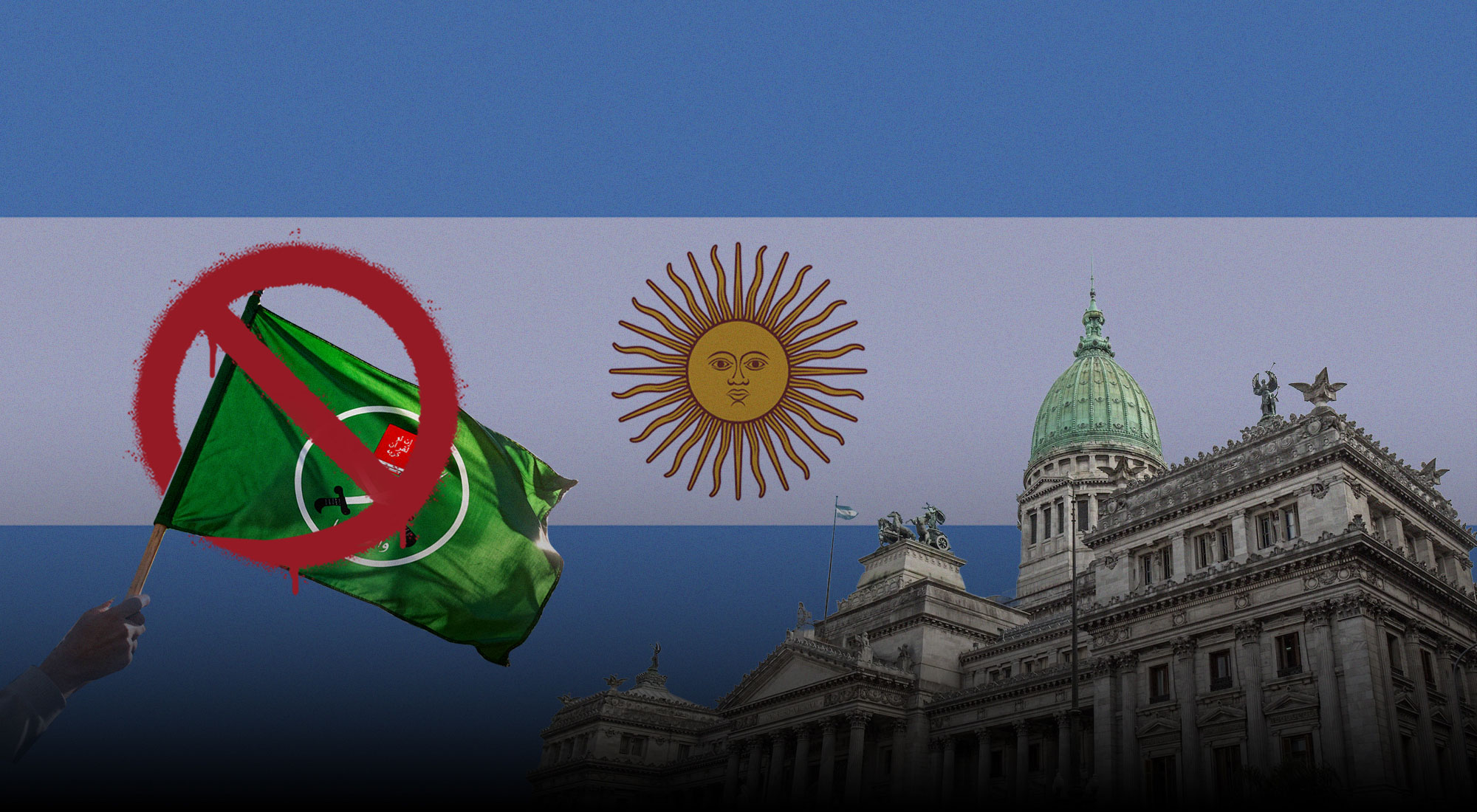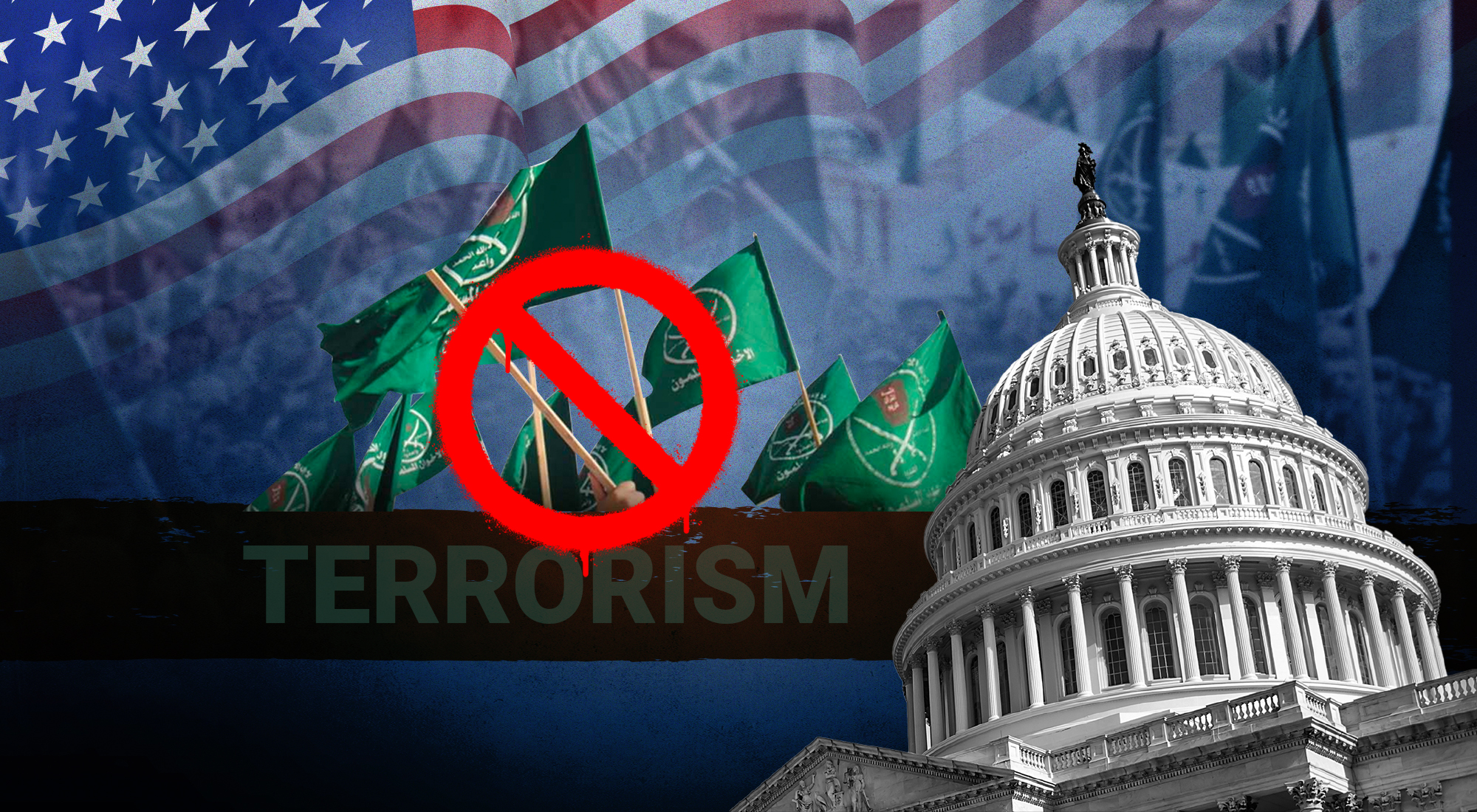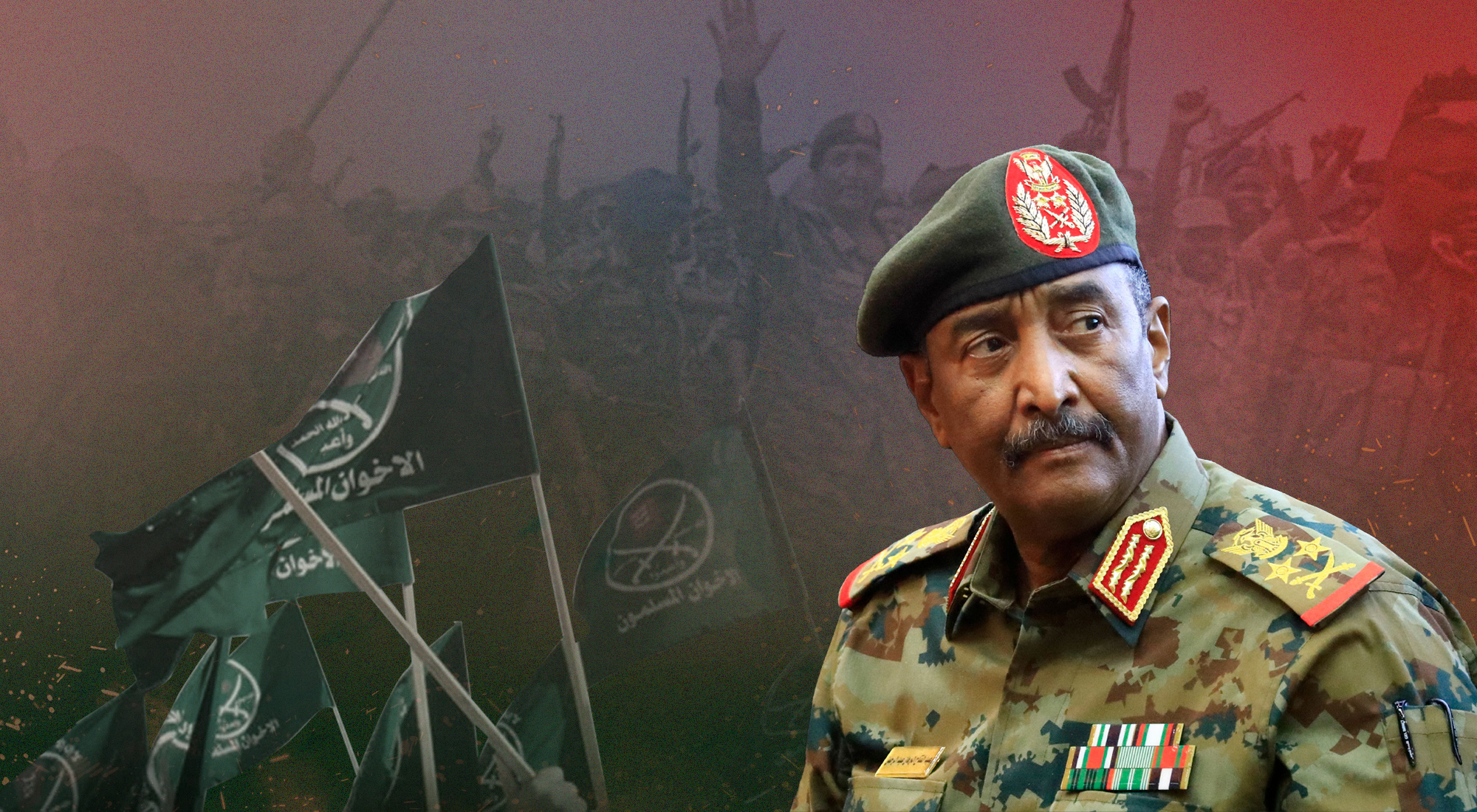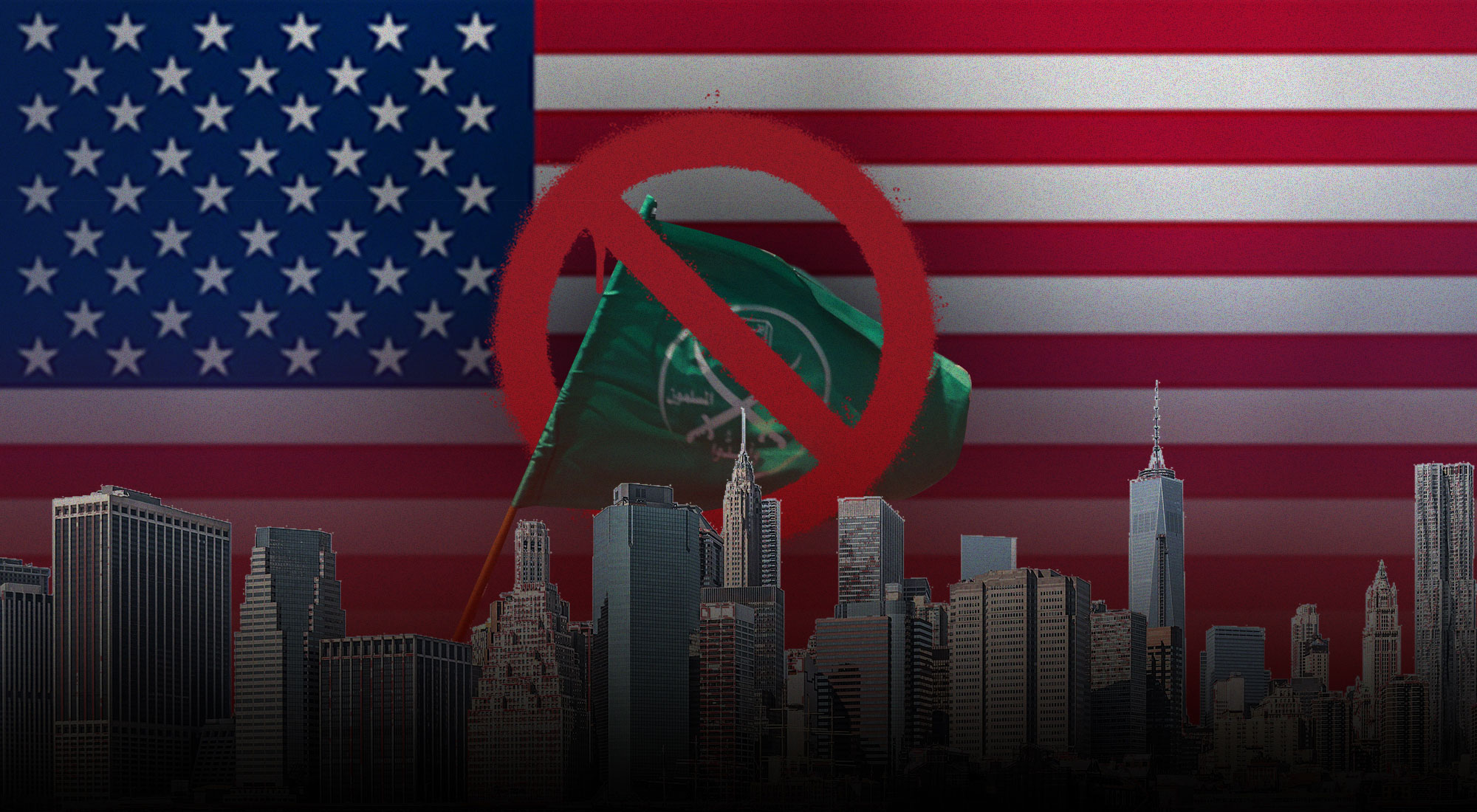



The Muslim Brotherhood, established in 1928 by Hassan al-Banna in Egypt as a transnational Islamist movement, has expanded its reach far beyond the Middle East, posing a risk to regions like Latin America, where Muslim populations are small but strategically positioned. The Brotherhood advocates for the establishment of societies governed through a combination of political activism, social welfare, and jihadist ideology.
Despite the region’s historically limited Muslim demographic—approximately 6 million people, or about 1% of the total population, primarily concentrated in countries like Argentina, Brazil, Mexico, and Venezuela—the Brotherhood’s global strategy of leveraging diaspora communities for financial support and ideological dissemination has found permissive environments in Latin America’s porous borders, illicit economies, and political instabilities. Academic analyses from institutions like the U.S. Air Force’s Air University reveal that a portion of the zakat (religious charity) donations, remittances, and other contributions from Latin America’s roughly 1.5 million Muslims, especially in hubs like Argentina and Brazil, is inadvertently or deliberately channeled to the Muslim Brotherhood alongside its affiliates, as well as other designated extremist organizations and groups, including Hezbollah, al-Qaeda, and possibly ISIS, thereby sustaining a network that undermines regional stability and international security.[1]
This financial lifeline, estimated to generate tens of millions annually through both legitimate charitable avenues and illicit activities, allows the Brotherhood to maintain its public image of moderation while funding operations that promote radicalization and terrorism globally. Critics argue that this approach exemplifies the Brotherhood’s nature of presenting itself as a nonviolent political entity in some contexts while harboring ties to violent offshoots, a pattern that could exploit Latin America’s economic vulnerabilities and anti-Western sentiments in nations aligned with leftist regimes, potentially increasing the region’s risk of becoming a staging ground for broader Islamist objectives that threaten democratic institutions and U.S. hemispheric interests.[2]
The Brotherhood’s ideology, which al-Banna articulated as encompassing “jihad as an obligation from Allah on every Muslim,” has evolved into a developed framework that blends social services with political infiltration, enabling it to radicalize under the guise of community support, a tactic that, if firmly established in Latin America, may undermine secular governance and may contribute to environments associated with increased extremist risk.[3]
Historical Roots and Pathways for Ideological Penetration
The historical context of Islam in Latin America illuminates the pathways through which the Muslim Brotherhood could amplify its influence, revealing a landscape marked by immigration patterns, cultural adaptation, and external funding that create vulnerabilities for ideological penetration. Muslim presence in the region traces back to the 16th century with the arrival of enslaved African Muslims under colonial rule, followed by significant waves of Arab immigrants from Syria, Lebanon, and the Palestinian territories between the late 19th and early 20th centuries, establishing communities that are predominantly Sunni with notable Shi’ite elements in areas like the Tri-Border region spanning Argentina, Brazil, and Paraguay.
These groups have largely integrated as economic contributors, focusing on trade and professional pursuits rather than overt political activism, yet recent conversions—accounting for about 1% of the Muslim population—have been swayed by puritanical ideologies funded by external actors, setting the stage for Brotherhood-style narratives to take hold. Scholarly examinations, including those from the Pew Research Center’s forums on Islam in Latin America, note that these communities exhibit low levels of mosque attendance and political engagement in an Islamist vein, prioritizing cultural preservation amid declining immigration rates.[4] However, the Tri-Border area, infamous for generating billions through illicit economies like smuggling and money laundering, has long alarmed U.S. security experts due to its facilitation of funds to radical groups, including Hezbollah and, by extension, the Muslim Brotherhood’s affiliates.[5]
U.S. congressional testimonies highlight the Brotherhood’s global threat, portraying it as an organization with militant-linked branches with affiliates in over 70 countries, some designated as terrorists, where its ideology justifies violence against perceived enemies, including coalition forces, and facilitates funding for terrorist activities.[6] This adaptability is considered concerning in Latin America, where repression of Islamist elements could draw comparisons to Egypt’s experience, pushing Brotherhood sympathizers toward radicalization and violence, as analyzed by scholars who warn that excluding the group from politics destabilizes regions by driving members underground or toward jihadism. Moreover, the Brotherhood’s historical ties to terrorism, such as the 1948 assassination of Egypt’s prime minister, highlight its capacity for militancy, a legacy that could inspire similar actions in Latin America’s fragile democracies if financial and ideological networks are not disrupted.[7]
Indirect Networks and Escalating Security Risks
While overt Muslim Brotherhood structures in Latin America may be limited, the movement’s indirect operations through financial conduits and affiliated organizations pose a significant and demonstrable risk. These activities reflect a strategy of gradual ideological entrenchment, often framed as humanitarian engagement. Research from George Washington University’s Program on Extremism details how the Brotherhood establishes Western networks via organizations promoting “Islamization of knowledge,” often under the pretext of interfaith dialogue, a model that could replicate in Latin America through diaspora-funded initiatives.[8] In Puerto Rico, for instance, youth identity formation amid global Islamist currents suggests potential entry points for Brotherhood ideology. Furthermore, financial flows from Latin America, channeled through hubs like the Tri-Border, Margarita Island in Venezuela, and other illicit zones such as Maicao in Colombia or Colón in Panama, have reportedly been documented to support the Brotherhood and its violent affiliates, with estimates indicating tens of millions annually bolstering its terror branches.[9]
UNICRI reports on the nexus between transnational organized crime and terrorism in Latin America highlight how Islamist networks collaborate with local criminal syndicates in drug trafficking, arms smuggling, and money laundering, expanding their reach and supporting extremist financial activities across the continent. Lebanese narcotraffickers in the region, for example, launder proceeds that benefit Islamist coalitions, including Brotherhood elements.[10] The Brotherhood’s designation as a terrorist organization by Egypt and similar U.S. actions stem from its supranational ambitions, as critiqued in Georgetown’s Bridge Initiative, which cautions against overbroad labels but acknowledges the group’s role in sustaining militant ideologies.[11] Brookings dialogues further expose the Brotherhood’s social services as politically motivated, aimed at voter mobilization rather than purely charitable intent, a critique that resonates in Latin America, where economic inequality has made such appeals appealing, influencing the ideological orientation of converts and diaspora youth.[12] Additionally, prior to 2001, the Brotherhood allegedly utilized the Al Taqwa Bank in the Bahamas for money laundering, illustrating its exploitation of Western Hemisphere financial systems to evade scrutiny and fund operations.[13]
The security ramifications of the Muslim Brotherhood’s latent presence in Latin America are multifaceted, intertwining with U.S. national interests due to the region’s proximity, shared borders, and interconnected criminal-terrorist networks that could facilitate attacks on Western targets. Historical incidents, such as Hezbollah’s 1992 bombing of the Israeli embassy in Buenos Aires (killing 29) and the 1994 AMIA attack (killing 85), demonstrate how Islamist groups use Latin America as a logistical base, with facilitation that extends to Brotherhood affiliates. While the Brotherhood publicly disavows violence, its ideological overlap with extremists, as outlined in RAND Corporation’s post-9/11 assessments, spans a continuum from purported moderation to outright militancy, threatening hemispheric peace.[14]
In Latin America, where Islam is largely apolitical, the Brotherhood’s inroads via extremist funding or remittances radicalize susceptible populations, particularly in anti-Western environments like Venezuela, under regimes that have provided permissive spaces for their activities.[15] UNICRI analyses reveal that global jihadist groups, including the Brotherhood, collaborate with Latin American cartels like Mexico’s Los Zetas or Brazil’s Comando Vermelho for smuggling operatives, counterfeit documents, and funds, enabling extremist financing that sustains operations in the Middle East.[16] For instance, al-Qaeda’s negotiations with MS-13 in Central America for U.S. infiltration show the potential for Brotherhood networks to exploit similar alliances, given their shared roots and rhetoric.[17] Furthermore, works like “Crescent over Another Horizon” emphasize Islam’s adaptive history in Latin America, from African slaves to contemporary converts, but caution against external ideologies like the Brotherhood’s that subordinate national loyalty to the global Ummah, potentially nurturing divided allegiances.[18] U.S. congressional hearings assert that the Brotherhood pursues power through infiltration, risking terrorism, a view supported by FBI testimonies confirming elements’ support for extremism.
To effectively counteract the Muslim Brotherhood’s threat in Latin America, policymakers must adopt a multifaceted strategy that exposes its tactics while bolstering regional resilience against radicalization. This includes intensified monitoring of financial flows from diaspora communities, as highlighted in Air University studies, where zakat and illicit proceeds fund Brotherhood affiliates, necessitating international cooperation to dismantle networks like those in the Tri-Border or Venezuelan islands.[19] Counter-radicalization programs should promote inclusive education and economic opportunities to pre-empt Brotherhood appeals in vulnerable areas. Strengthening alliances with Latin American governments to curb false passport issuance—evident in cases from Venezuela and Suriname, aiding radicals—would hinder logistical support for Brotherhood-linked operations. Moreover, designating additional Brotherhood offshoots as terrorist entities, as pursued in recent U.S. executive actions targeting chapters in Egypt and Jordan for supporting Hamas violence, could extend to Latin American facilitators.[20] Academic critiques from MDPI portray the Brotherhood as a sect monopolizing truth, incompatible with pluralism, urging public awareness campaigns to demystify its charitable activities as a tool for dominance.[21] Ultimately, vigilance against the Brotherhood’s global agenda demands isolating its networks without alienating moderate Muslims, ensuring Latin America’s sovereignty remains intact.
From a strategic perspective, the Muslim Brotherhood’s activity in Latin America is characterized by financial networks, collaboration with criminal syndicates, and deliberate ideological implantation within diaspora environments. Taken together, these dynamics pose a potential threat to secular governance and regional stability, particularly under conditions of institutional fragility. The evidence presented indicates that this risk is policy-relevant and warrants monitoring.
Endnotes
[1] Ellis, R. Evan, Radical Islam in Latin America and the Caribbean: Implications for U.S. National Security, Maxwell Air Force Base, AL: Air University Press, 2015.
[2] Ibid.
[3] U.S. House of Representatives, Subcommittee on National Security, The Muslim Brotherhood’s Global Threat, Hearing, 115th Congress, Washington, DC: U.S. Government Publishing Office, 2018.
[4] Szűcs, Veronika, CEE Activities of the Muslim Brotherhood: Mapping the Ikhwan’s Presence in the Region, Bratislava: GLOBSEC, 2020; Mapping the Global Muslim Population. Washington, DC: Pew Research Center, 2009; The Future of the Global Muslim Population. Washington, DC: Pew Research Center, 2011.
[5] United Nations Interregional Crime and Justice Research Institute (UNICRI), The Nexus between Transnational Organized Crime and Terrorism in Latin America, Turin: UNICRI, 2023/2024.
[6] U.S. House of Representatives, Subcommittee on National Security, The Muslim Brotherhood’s Global Threat, Hearing, 115th Congress, Washington, DC: U.S. Government Publishing Office, 2018.
[7] Ibid.
[8] Vidino, Lorenzo, The New Muslim Brotherhood in the West. New York: Columbia University Press, 2010.
[9] Ellis (2015).
[10] Ibid.
[11] Lost in Transition: The Muslim Brotherhood in 2022, The Hague: Clingendael, Netherlands Institute of International Relations, 2022.
[12] El Houdaiby, Ibrahim, From Prison to Palace: The Muslim Brotherhood’s Challenges and Responses in Post-Revolution Egypt, FRIDE Working Paper no. 117, 2013. Available at: https://www.files.ethz.ch/isn/160981/WP_117_From_Prison_to_Palace.pdf (Accessed February 6, 2026).
[13] Ellis (2015).
[14] Paredes Esteban, J., Penetration and influence of the Islamic Republic of Iran in Latin America, International Institute for Counter-Terrorism, 2023.
[15] U.S. House Committee on Homeland Security, Subcommittee on Counterterrorism and Intelligence, Hezbollah in Latin America—Implications for U.S. Homeland Security, Hearing, Washington, DC: U.S. Government Publishing Office, 2012. Available at: https://www.govinfo.gov/content/pkg/CHRG-112hhrg72255/html/CHRG-112hhrg72255.htm (Accessed February 6, 2026).
[16] Azevedo (2024).
[17] Ellis (2015).
[18] United States Congress (2012).
[19] Ellis (2015).
[20] The White House, Designation of certain Muslim Brotherhood chapters as foreign terrorist organizations and specially designated global terrorists, November 24, 2025, https://www.whitehouse.gov/presidential-actions/2025/11/designation-of-certain-muslim-brotherhood-chapters-as-foreign-terrorist-organizations-and-specially-designated-global-terrorists/ (Accessed February 6, 2026).
[21] U.S. Department of State, Country Reports on Terrorism 2019, https://www.state.gov/reports/country-reports-on-terrorism-2019 (Accessed February 6, 2026).