


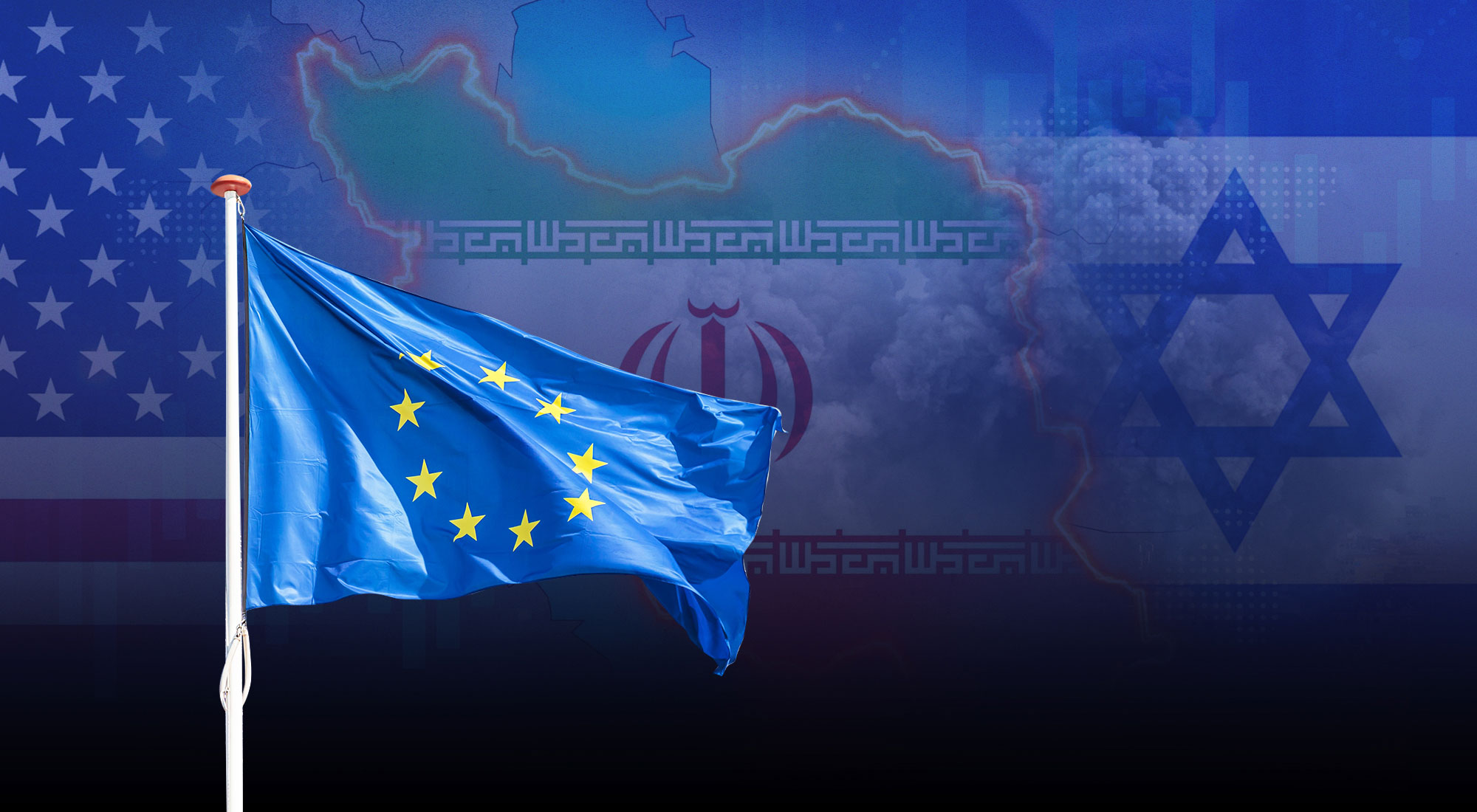
A report by TRENDS Research & Advisory stated that the war with Iran has exposed deep fractures within the transatlantic alliance, placing Europe in a difficult strategic position.
According to the report, military operations led by the United States and Israel were launched without prior consultation with European allies, who are now under pressure to contribute—particularly in securing the Strait of Hormuz—while already bearing economic costs such as rising energy prices and disrupted trade.
The report noted that the conflict falls outside the traditional mandate of NATO, prompting hesitation among European countries, including Germany, and reflecting a broader reluctance to engage in externally driven conflicts.
Meanwhile, the administration of President Donald Trump has called for greater burden-sharing, urging countries dependent on Gulf energy to take more responsibility. This stance has been met with skepticism in Europe.
The report outlined three scenarios: limited European involvement focused on maritime security, accelerated strategic autonomy, or growing strain within the alliance leading to weakened coordination.
It concluded that the war is testing rather than breaking the transatlantic alliance, with key issues now centered on risk-sharing, accountability, and decision-making—factors that will shape the future of Western partnerships.
