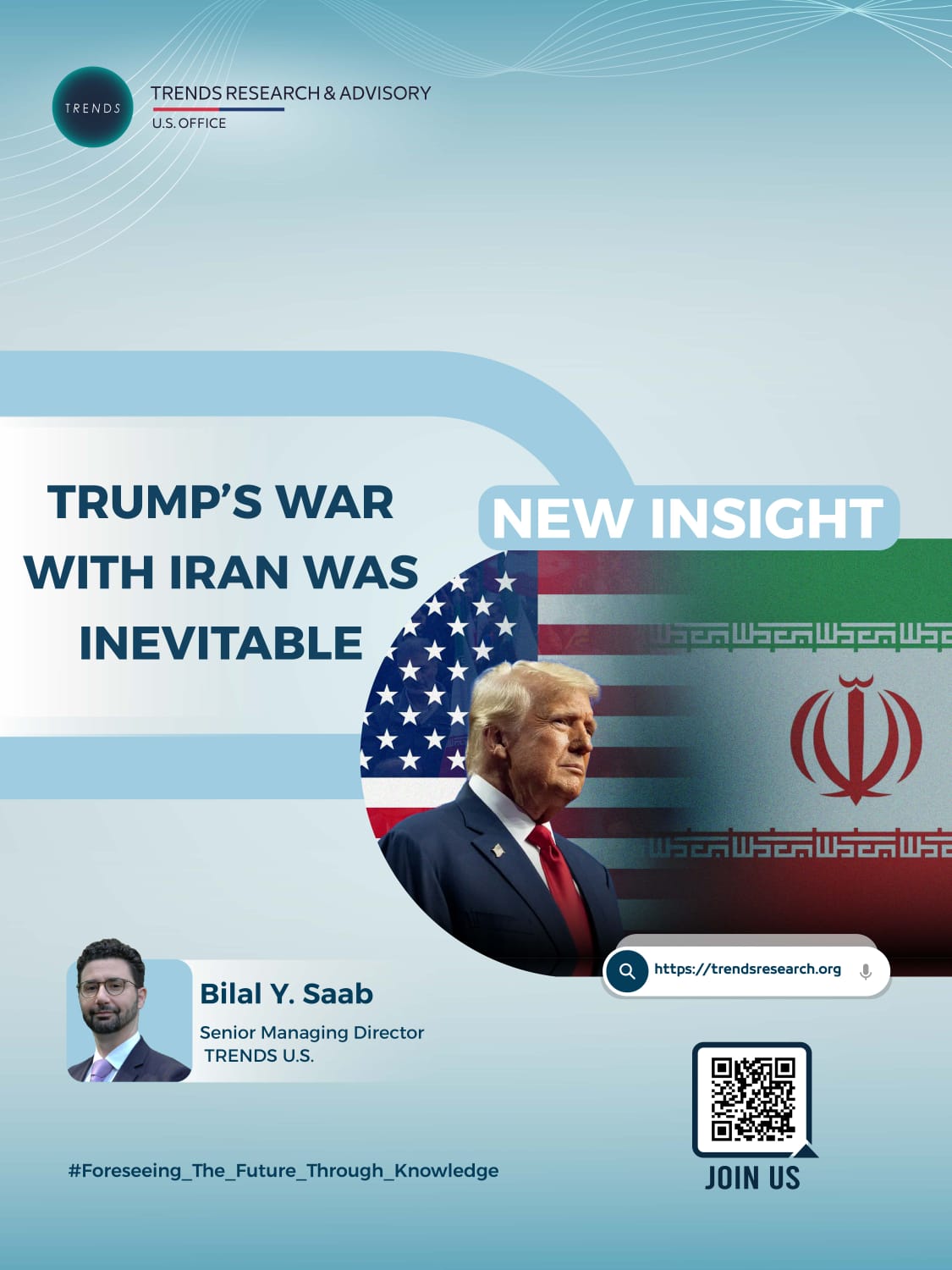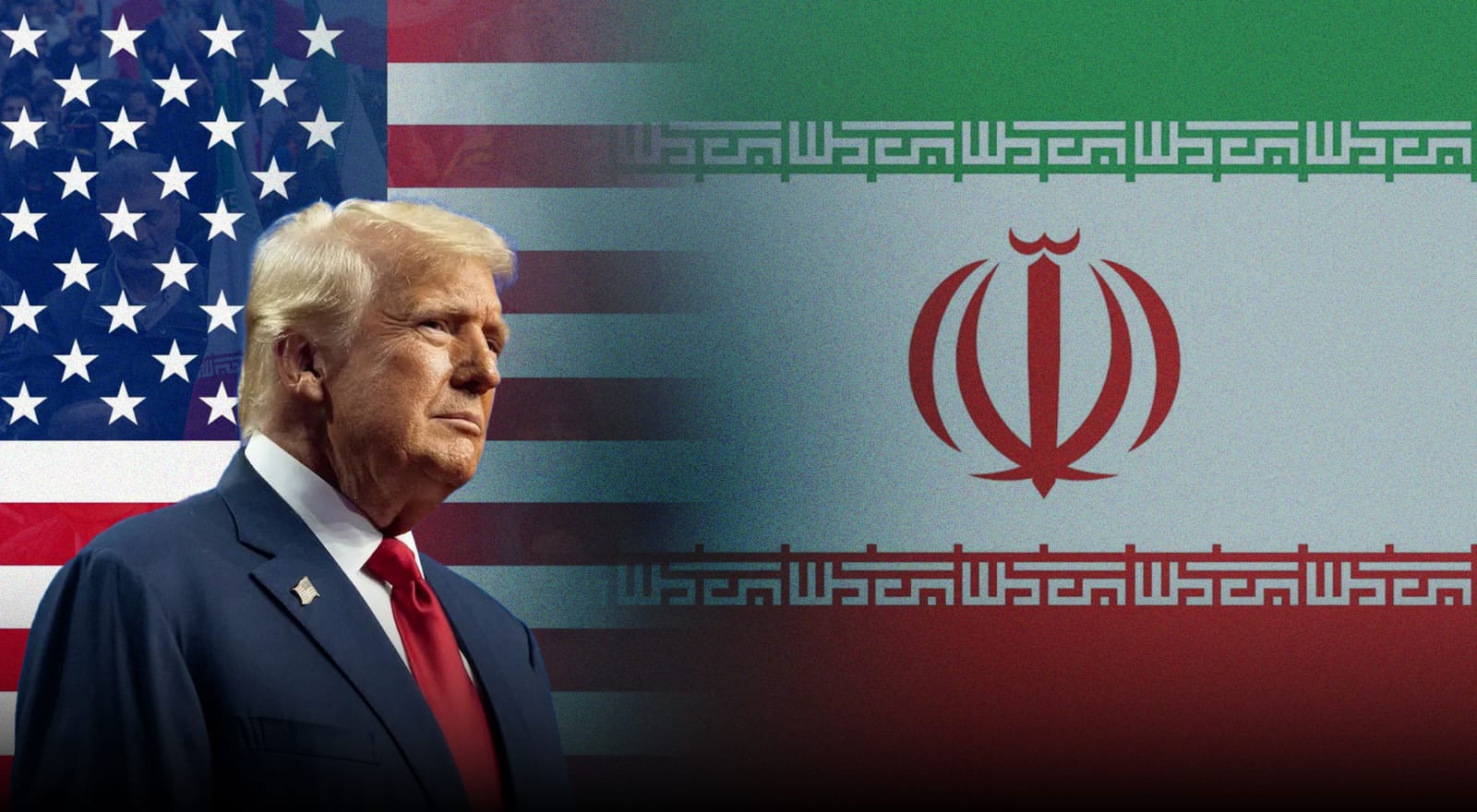
A research study issued by the TRENDS Research & Advisory office in the United States confirmed that the war between Washington and Tehran was not the result of a sudden moment, but rather the outcome of a long process of historical tensions and accumulated geopolitical factors that made confrontation almost inevitable.
The study, prepared by Bilal Saab, Director of the TRENDS office in the United States, explained that the roots of the conflict date back to 1979, with the hostage crisis at the U.S. Embassy in Tehran, which marked a pivotal turning point that led to the collapse of relations between the two countries and the continuation of a state of hostility and competition for influence in the Middle East.
It noted that this rivalry has witnessed indirect confrontations over the decades, particularly during the 1980s and after the 2003 Iraq War, as the conflict escalated through regional proxies and actors without reaching direct military confrontation, up until the present phase.
The study highlighted the events of October 7, 2023, describing them as a turning point following the Hamas attack on Israel and the subsequent strategic shifts in Israeli security doctrine, including a greater willingness to assume higher risks in confronting threats, while holding Iran indirectly responsible for supporting those attacks.
It also pointed out that Iran has spent years building a regional network of allies and proxies, including groups in Lebanon, Iraq, Yemen, and the Gaza Strip, aiming to expand its influence and confront the United States and Israel, which has further complicated the regional landscape.
The study stressed that Donald Trump’s rise to power, coinciding with the policies of Israeli Prime Minister Benjamin Netanyahu, represented a decisive turning point in the crisis, as the two sides’ political visions aligned on the need to confront Iran, amid the belief that conditions were ripe for achieving rapid strategic gains.
It explained that U.S. and Israeli assessments pointed to what was considered a “phase of weakness” in Iran, both economically and
domestically, along with a decline in the capabilities of some of its regional allies, encouraging a shift toward military escalation.
The study added that technological developments, particularly in artificial intelligence and precise intelligence capabilities, played a role in strengthening decision-makers’ confidence in the possibility of achieving major strategic objectives, including targeting the structure of the Iranian regime.
It further noted that U.S. demands, which included halting uranium enrichment, limiting the missile program, and abandoning regional allies, were considered red lines by Tehran, making diplomatic settlement increasingly difficult.
The study concluded that diplomatic efforts in Muscat and Geneva failed to contain the escalation, amid growing indications that confrontation had already become a reality, with continued U.S. military buildup in the region, making the outbreak of war the near-inevitable result of a long trajectory of tensions and complex interactions.