



The Iran War and Europe’s Strategic Dilemma
Strategic Studies Department
30 Mar 2026
Over the past few weeks, the war with Iran has exposed deeper fractures inside the transatlantic alliance. While the fighting is concentrated in the Gulf, the political and economic shockwaves are being felt across Europe, forcing European governments to rethink long-standing assumptions about alliance responsibilities and decision-making.
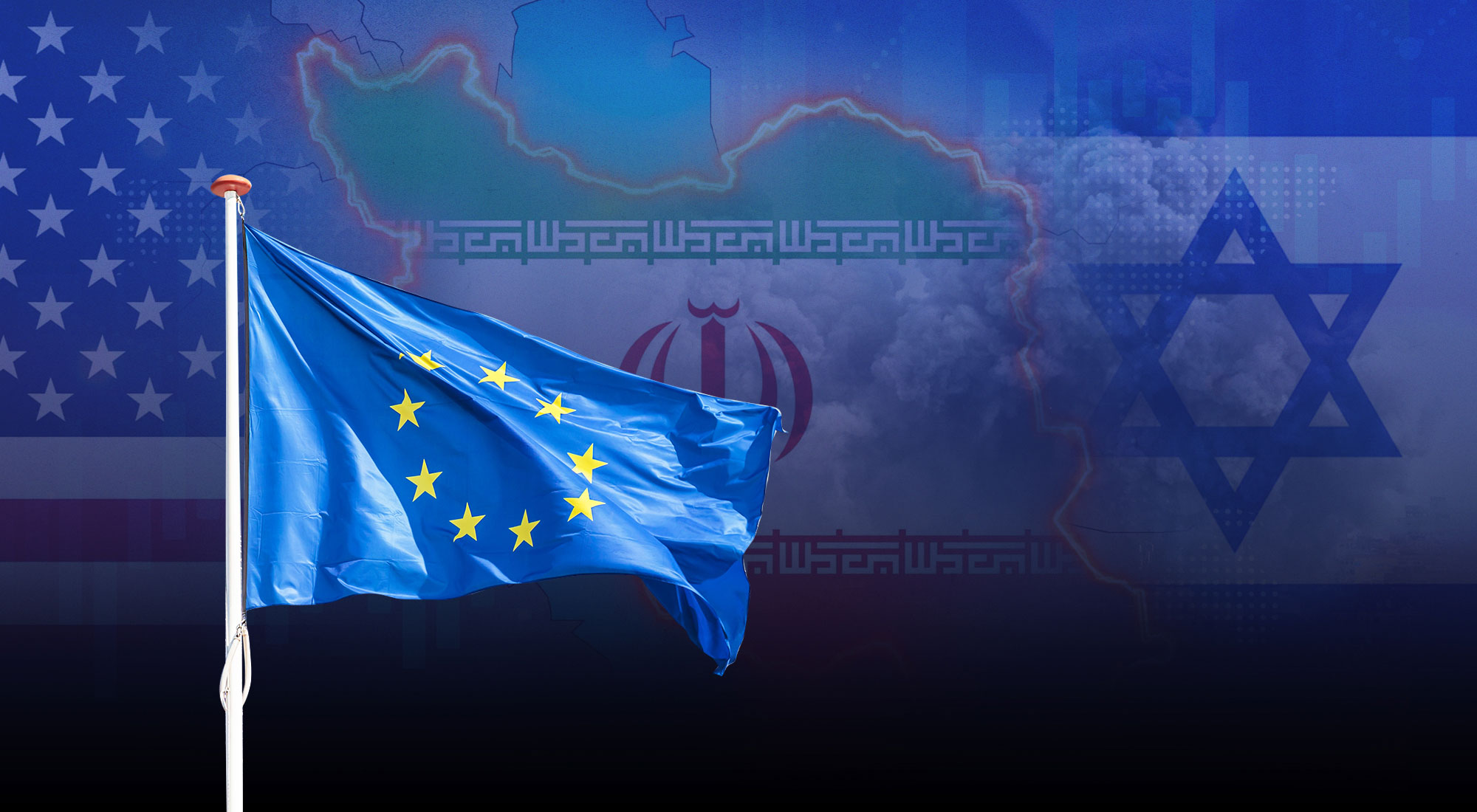
Europe has been in an awkward position since the United States and Israel launched military operations against Iran. European capitals were not consulted ahead of the escalation, yet they are now facing growing pressure from Washington to contribute militarily—particularly in securing the Strait of Hormuz. At the same time, Europe is already absorbing the costs of the conflict: higher energy prices, disrupted shipping routes, and heightened market volatility.
This is not a NATO operation, and it falls outside the alliance’s traditional collective defense mandate. That distinction matters. German officials, among others, have publicly questioned whether there is any obligation to intervene. Their position reflects a broader European reluctance to be drawn into wars driven externally, without clear strategic alignment or prior consultation. It also signals a gradual shift away from automatic support for U.S.-led military campaigns.
Washington, however, has taken a harder line. The Trump administration argues that countries dependent on Gulf energy flows—particularly in Europe and Asia—should shoulder more responsibility for protecting them. Many European policymakers remain unconvinced. They question why they should assume military risk for a conflict they neither initiated nor endorsed.
From a strategic perspective, this moment highlights growing uncertainty within the partnership. Europe lacks both the political appetite and the strategic incentive to become directly involved, even though it remains economically exposed to instability in the Gulf. At the same time, the United States appears increasingly willing to link its security commitments to burden-sharing, using public pressure to push allies toward deeper involvement.
Three broad paths now seem possible.
First, limited European engagement. Under this scenario, Europe maintains political distance from U.S. military operations while contributing a narrowly defined naval presence focused on protecting commercial shipping. This allows partial alignment without full commitment.
Second, an acceleration of strategic autonomy. European states refuse direct involvement, accept the political fallout, and use the crisis as a catalyst to strengthen their own defense capabilities and reduce reliance on the United States.
Third, alliance strain and drift. Public disagreements intensify, trust erodes, and coordination weakens, gradually producing a more fragmented and less predictable transatlantic alliance.
Ultimately, the Iran war is testing the transatlantic alliance rather than breaking it. The central issue is no longer shared values alone, but risk, accountability, and who gets to make the decisions. How Europe and the United States manage this moment will shape not only the outcome of the current crisis, but also the future structure of the Western alliance itself.
