

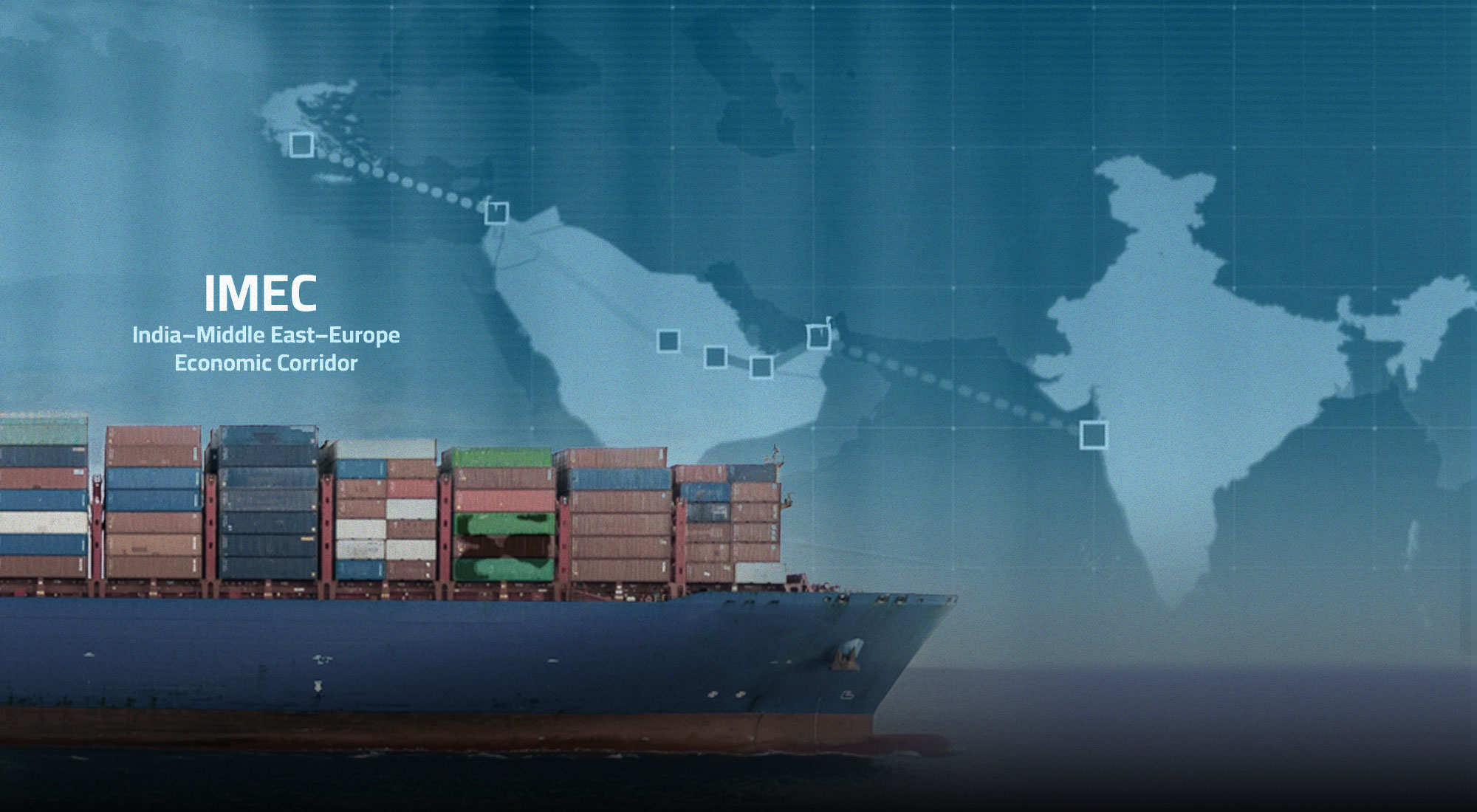



When it was announced at the Group of Twenty (G20) Summit in New Delhi in 2023, the India-Middle East-Europe Economic Corridor (IMEC) appeared to open a new chapter in the connectivity architecture, promoting economic and trade cooperation between India and the European Union (EU) crossing the Middle East region, along a maritime route connecting the Indo-Pacific area with the Mediterranean Sea.
India, the United States, the EU, France, Germany, Italy, Saudi Arabia and the United Arab Emirates (UAE) have been involved in this pact that the European Commission president Ursula von der Leyen defined as “nothing less than historic,”[1] while the former U.S. President Biden, India’s Prime Minister (PM) Narendra Modi and Saudi Arabia’s Crown Prince Mohammed bin Salman strongly emphasized the impact of the project. Moreover, during the official visit of the Indian PM in Washington in February 2025, President Donald Trump also praised IMEC as “one of the greatest trade routes in history.”[2]
In the last two years, the reliability and the security of trade corridors and supply chains have dramatically emerged as a global concern: after IMEC’s launch, the implications of the war between Israel and Hamas have spread a condition of high vulnerability and instability in the “wider” Middle East (Lebanon, Syria, Iran, Yemen), severely affecting the concrete implementation of some transport corridor projects such as the INSTC (International North-South Trade Corridor, crossing Iran and Russia) and some maritime trade routes crossing Hormuz and along the Red Sea. In this perspective, IMEC could offer an alternative option to the transit through the Suez Canal, given the disruption provoked by the attacks of Houthi militias targeting ships crossing the Bab al-Mandeb Strait—between the Gulf of Aden and the Red Sea—paralyzing the Suez Canal route that handles 12 percent of global trade.[3]
However, the geopolitical landscape in which the IMEC initiative emerged has been partially reshaped by ongoing conflicts and instability in the Middle East, persistent funding constraints, and the expansion of competing projects, most notably the Middle Corridor-Trans Caspian International Transport Route (TIRT). These developments raised questions about the practical feasibility of IMEC and prompted discussions about revising its original infrastructural concept through geographic diversification and the development of alternative transport routes.
IMEC’s original intent and strategic rationale
IMEC was conceived to strengthen supply-chain resilience by reducing exposure to geopolitical disruptions and natural shocks that can interrupt trade flows to global markets. Within the broader effort to diversify global transport routes and reduce reliance on traditional corridors and dominant suppliers—such as Russia for energy and China for trade and critical minerals—the IMEC project aims to establish an alternative corridor that is not controlled by China and that bypasses the Red Sea maritime route, which has been increasingly disrupted by Houthi attacks.
Following the Abraham Accords in 2020, the original tripartite cooperation group among the U.S., Israel, and the UAE was extended to India in 2021, creating the I2U2 format, a forerunner and source of inspiration for the IMEC initiative.
The initial IMEC project envisioned two sections: an eastern maritime link between India and the Gulf and a northern section that would connect the Arabian Peninsula to Europe. This overland corridor will be based on a new railway network to link the Gulf with the Mediterranean via Jordan and Israel, while undersea cables and pipelines would facilitate the exchange of data, clean electricity and green hydrogen supply.[4] The Israeli port of Haifa in the Mediterranean Sea, as well as Gulf and Arabian Sea ports, will play the role of shipping hubs in this connectivity blueprint.
The implementation of this strategic corridor could have a significant impact on global trade by offering an attractive alternative to transit through the Suez Canal, a major chokepoint vulnerable to geopolitical tensions, natural disruptions, and technical accidents, such as the blockages in 2021 and 2023. According to initial estimates, IMEC’s overland transport route could reduce logistics costs by 30% and transit times by 40% compared with shipping via the Suez Canal.[5]
The IMEC railway backbone is expected to traverse the Arabian Peninsula, accelerating completion of the long-delayed Gulf Cooperation Council (GCC) railway project—originally conceived in 2009 and now projected for completion around 2030. This network would connect all six GCC states, supporting deeper economic integration, enhanced supply-chain resilience, and the expansion of greener mobility across the region. The first proposed segment will be the railway connection between the UAE’s Fujairah Port and Ghuwaifat at the UAE-Saudi border. The UAE’s newly launched Etihad Rail has successfully connected the Saudi border to Fujairah through all seven emirates, establishing the first operable connection with another GCC state. The remaining GCC countries are engaged in developing domestic rail infrastructure as segments for the wider GCC railway project, even if the building process has been frequently stalled and delayed. The second railway segment will depart from Ghuwaifat to Hadithah near the Jordanian border, while the third segment will be the connection from Hadithah to Israel’s port of Haifa.[6]
In addition to the overland routes, port infrastructures in the Gulf region will be the main IMEC gateway of the shipping routes from India. In the original agreement, the UAE’s Khalifa port has been identified as the key hub in the IMEC project, but Jebel Ali in Dubai can also be included, even if growing attention is focused on the Emirati port in Fujairah, strategically located on the Gulf of Oman, allowing it to overcome geopolitical concerns linked to the vulnerability of crossing the Strait of Hormuz.[7]
EU and India interests in the project: IMEC as a counterbalance to the BRI
According to the EU Commission and U.S. Administration perspective, IMEC will represent an alternative route compared to the Chinese maritime corridors under the Belt and Road Initiative (BRI) label, allowing the United States and EU member states to implement a de-risking policy aimed at reducing the dependence on China-controlled supply chain, particularly for imports of green energy technology components (critical minerals, solar panels, wind turbines, rare earth elements) fundamental for achieving the carbon neutrality target and the decarbonization process.[8]
India can provide a significant contribution to this strategy of diversification because it is attracting a growing share of investments in the semiconductor, electric vehicle, and battery industries to expand its industrial capacity. These efforts align with parallel initiatives in the EU and U.S. efforts to strengthen domestic manufacturing production of green energy components.[9]
Cooperation on green hydrogen has emerged as another area of converging interests, driven by India’s vast renewable energy potential for green hydrogen production and the EU’s advanced technological capabilities. According to the REPowerEU energy document, the EU has to import 10 million tons of green hydrogen per year (mt/y) by 2030 (combined with a European production of 10 mt/y of green hydrogen) to satisfy rising consumption, while India has the ambitious target of producing 5 mt/y by 2030, creating the condition for a very promising energy partnership, within which IMEC underwater pipelines will be used to deliver Indian clean energy to the EU.[10]
The EU and India have concluded negotiations for the EU-India Free Trade Agreement, Investment Protection Agreement, and Geographical Indications Agreement in order to provide a legal framework for their strong bilateral trade partnership. The EU is India’s second-largest trading partner, accounting for trade in goods worth €120 billion in 2024, or 11.5 percent of India’s total trade. India is the EU’s 9th largest trading partner, accounting for 2.4 percent of the EU’s total trade in goods in 2024, well behind the USA (17.3 percent), China (14.6 percent) or the UK (10.1 percent), but IMEC could play a pivotal role in increasing trade exchanges.[11]
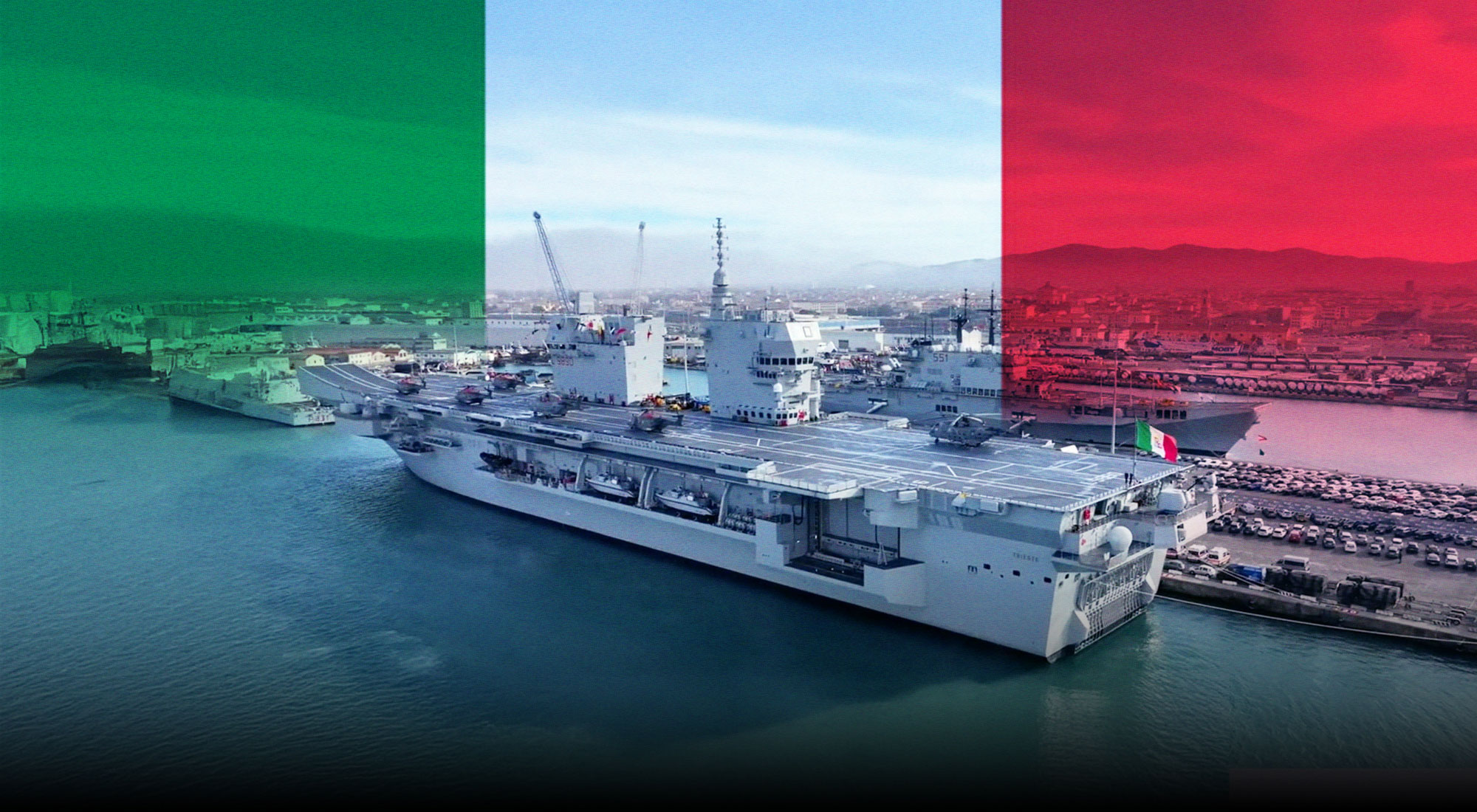
In addition to the EU, France and Italy—signatories of the IMEC agreement—have undertaken diplomatic moves to legitimize their role in the project, appointing IMEC Special Envoys to support the candidature of national ports as EU terminals of this corridor. France has advanced Marseille while Italy has bet on the Trieste seaport, connected with an integrated railway grid with Austria and Germany, opening the possibility to ship goods directly in the economic heart of the EU.[12] These initiatives have to be undertaken to address one of the main debated issues in the original IMEC agreement, which envisaged the Piraeus port in Greece as the EU gateway of the corridor without considering that the port is controlled by the Chinese COSCO Shipping company and it is a BRI maritime hub in the Mediterranean Sea, creating the conditions for renewed competition.
The diversification of the EU entry points represents a relevant priority to ensure the IMEC’s success and its coherent implementation, focusing on European alternative seaports in the Mediterranean Sea, which escape from the control of Chinese companies, which could be upgraded in order to become maritime hubs of this trade corridor. Italy, France and other EU countries with maritime access in the Mediterranean Sea would be potential partners for enhancing IMEC’s relevance as an alternative transport infrastructure.
The role of Saudi Arabia and the UAE as key partners for the project
For Saudi Arabia and the UAE, IMEC represents a key opportunity to support the diversification of their oil-dependent economies while advancing their ambitions to become major trade hubs between Asia and Europe. The corridor would also enable both countries to host and supply the green hydrogen infrastructure envisaged under IMEC, supporting future exports to EU markets. While the UAE currently exports green hydrogen shipped as liquid ammonia to Germany, the potential development of an underwater hydrogen pipeline connecting the Israeli coast to the EU, via the Eastern Mediterranean, could open a new “clean energy” corridor. This route would broadly overlap with previously proposed but stalled infrastructure projects, such as the EastMed gas pipeline and the EuroAsia electricity interconnector. Moreover, Saudi Arabia plans to use the GCC railway backbone within the IMEC blueprint to export critical raw materials to the international market, given the untapped reserves in the Kingdom, thus emerging as a potential alternative market compared to China.[13]
The UAE and India historically maintain deep trade relations (UAE-India trade reached US$65 billion in 2024), and they are fully committed to deepening cooperation on IMEC, increasing economic opportunities: in 2024, Abu Dhabi and New Delhi authorities signed the Intergovernmental Framework Agreement, also launching a digital/virtual trade corridor and expressing the shared commitment to modernize seaports.[14] The UAE companies have invested to boost and upgrade the capacity of the Indian ports on the western coast; among them, Vadhavan deep-water port will become in the next decade the main IMEC gateway for shipping routes from India.[15]
Digital connectivity appears to be another field of geopolitical competition involving China and the United States-EU. As a matter of fact, China benefits from a significant position on data cable connections along the Indian Ocean-Mediterranean Sea maritime digital corridor, with its flagship project, the PEACE cable—which starts in Pakistan and ends in France—connecting Asia, Africa and Europe, with a carrying capacity of 192 terabytes per second. To challenge Chinese control on the Internet bandwidth, IMEC partners are working to realize a super-capacity data pipeline, offering a high-speed data cable that follows the same route as IMEC.
One of the main tasks of the Gulf countries will be to promote an efficient and tailored manufacturing policy so that this asset could become an added value linked to their participation in the corridor. Some specific manufacturing sectors—namely critical mineral refining, defense, and data centers—have to be developed in coordination with the promotion of advanced manufacturing zones, special economic zones and industrial parks, which will benefit the intermodal connectivity ensured by railway corridors (the GCC railway project) and the regional seaports as strategic logistic and distribution hubs. Gulf countries should coordinate their national industrial policy with the expected investments in transit and logistics, offering a coherent regional approach within the IMEC project.[16]
Geopolitical Constraints on IMEC Implementation
Since its launch in 2023, the IMEC project has represented a vision to promote improved trade relations and dialogue among the countries involved, attracting the interest and support of Western countries to cooperate with the Gulf countries and India to develop a new reliable transport route. However, a combination of unsolved constraints severely affects the concrete implementation of this project, thus delaying the expected transition from the vision to the reality.[17]
Regional Conflict and the Impact on Normalization Dynamics
The recent conflict in Gaza between Israel and Hamas has stalled progress on the IMEC project, as heightened tensions in an already volatile region undermine the stability required to develop large-scale connectivity infrastructure. The normalization of relations between Israel and several Arab states under the Abraham Accords had been a key enabling factor for IMEC. However, these dynamics have now stalled, effectively freezing momentum toward Saudi Arabia-Israel normalization, which remains the diplomatic cornerstone of this cooperation framework.[18] This geopolitical volatility has created additional challenges that are now affecting the IMEC project.
Financing Gaps and Investment Uncertainty
Despite the potential impact of this strategic project, IMEC suffers from the lack of a clear funding structure.[19] According to the original estimates in 2023, the cost to realize all IMEC segments ranged from US$3 billion to US$8 billion, but none of the member states has made formal financial commitments to IMEC. Following the launch of the project, Saudi Arabia committed to an investment of US$20 billion for IMEC, while the UAE declared its intention to invest US$75 billion in India, but after two years, the project’s costs appear underestimated, also considering the conditions of global geopolitical uncertainty.[20]
The EU considers the relevance of IMEC for the creation of an alternative supply chain, which aligns with the main goal of its Global Gateway Initiative (which specifically allocated €10 billion for the Middle Corridor connectivity project), without, however, envisaging specific investments to support the project: only the European Investment Bank (EIB) pledged a €1 billion investment in July 2023 specifically allocated for the India Hydrogen Alliance to support clean energy financing for hydrogen.[21]
IMEC and the BRI: Competition or Coexistence?
The financial aspect introduces another element of analysis based on a comparative approach with the Chinese BRI and on the mismatch between the U.S.-EU perspective and the Gulf countries’ position toward the Chinese initiative.
Indeed, Gulf countries completely reject the Western position to consider IMEC as an alternative to the BRI, privileging a more pragmatic approach because they are fully aware of their geostrategic position of centrality between Asia, Europe and Africa as a crossroads of shipping routes, so they intend to maximize economic gains while also following the economic diversification’s domestic priority. Gulf countries benefit from lucrative trade and energy relations with Beijing, which is the main destination of Arab oil exports: the UAE and Saudi Arabia signed a strategic partnership with China as well as joined the BRI a decade ago, while in 2024, both were invited to join BRICS.[22] Unlike IMEC promoters, China has invested billions of dollars through state-owned banks to develop infrastructural corridors and seaports along the Gulf region. Since 2013 (launch of the BRI), China has invested more than US$40 billion in Saudi Arabia, US$34 billion in the UAE, US$10.3 billion in Kuwait, US$6 billion in Qatar.[23]
Consequently, the adoption of a competitive approach toward BRI—excluding coexistence and cooperation—appears strategically counterproductive and can derail the effective implementation of the IMEC project, mainly because these connectivity projects often overlap on the same logistical points, while Chinese-tailored investments in key seaports can challenge IMEC’s success as an alternative corridor.[24] For instance, China has already invested in the Etihad Rail project, which aims to connect the northeastern city of Fujairah to the border with Saudi Arabia—a key infrastructural segment of IMEC, while a Chinese company operates in the Khalifa port (mentioned as a key hub in the IMEC agreement 2023); moreover, Beijing has stakes in strategic regional ports such as Oman’s Duqm and the Red Sea Gateway Terminal, the largest port in Saudi Arabia.[25]
Structural Geopolitical Risks, Corridor Viability and Alternative Routing Options
Geopolitical volatility, socio-political instability, and the lack of inclusiveness of the IMEC original project have emerged as serious issues to carefully manage to avoid further delays or hampering the realization of the corridor. Partner countries need to study the feasibility of alternative infrastructural segments of transport within the IMEC framework, extending the participation to other countries, which could support the purpose of diversification, thus reshaping the geography of this multimodal project to overcome existing constraints.
The condition of persistent conflict and tension in Israel and along its northern border with Lebanon makes the IMEC’s Israeli segment politically and physically inoperable.[26] In addition to this, no progress has been registered about the realization of another key railway segment from the Jordan border to Israel, while the current instability and widespread distrust will further undermine a positive spirit of regional cooperation as a precondition to realizing a regional connectivity architecture.
Moreover, the original idea to focus on the Israeli port of Haifa as IMEC terminal in the Eastern Mediterranean raises significant concerns about the protection of critical infrastructures as a potential target for terrorist attacks, given its geographic proximity to the Gaza Strip and Hezbollah’s missile system in Lebanon. Also, the identification of the Greek port of Piraeus as the IMEC entry point in the EU should be reconsidered, because Piraeus is 67% owned by COSCO Shipping (a Chinese state-owned company) and a hub of the maritime Silk Road, highlighting a sensitive vulnerability, especially if we consider IMEC—according to the official narrative—as a BRI rival.
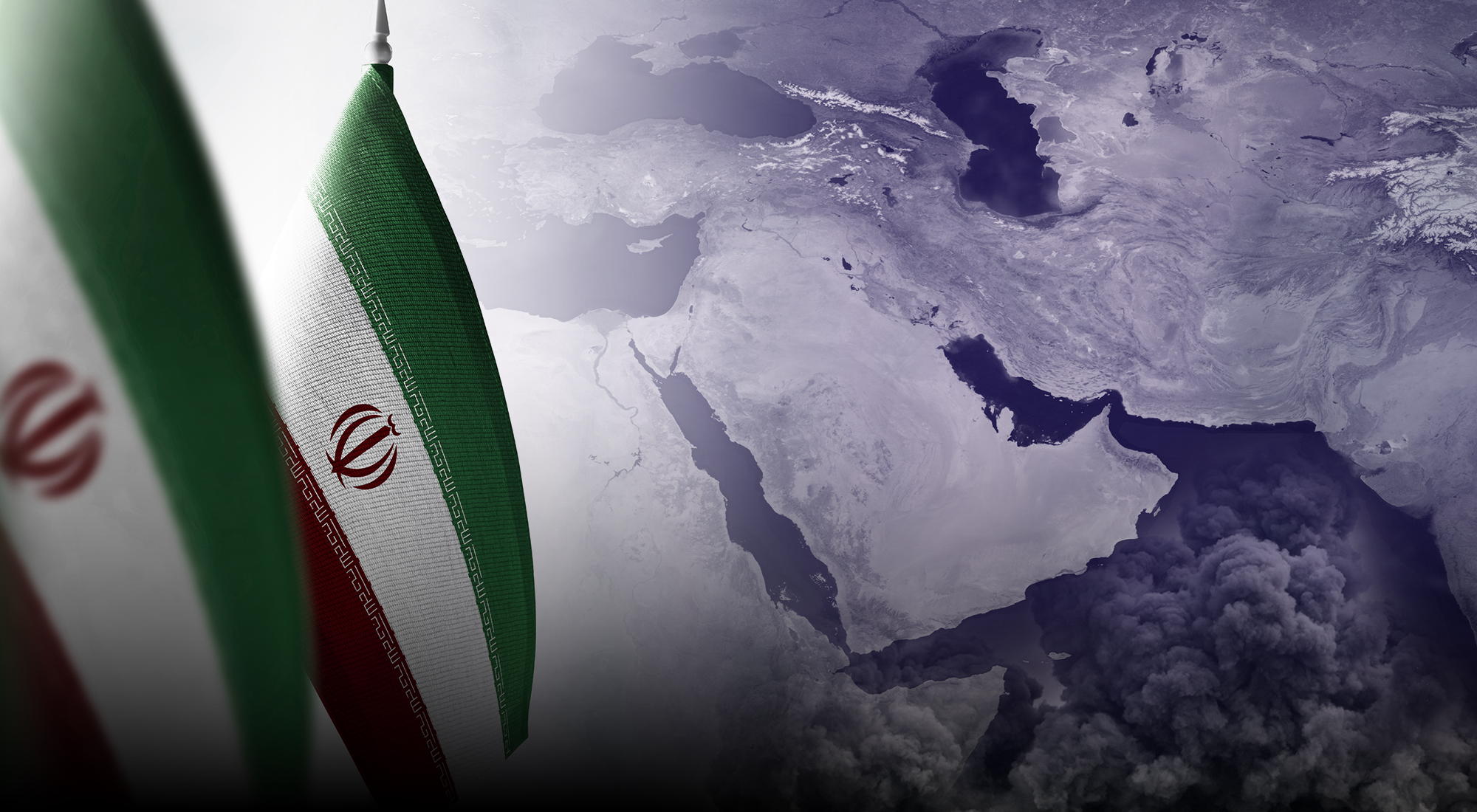
Iran also has a role as an alleged actor in regional conflicts. Its instability emphasizes another vulnerability of the IMEC project, originally conceived to cross the Hormuz Strait, a condition that heavily undermines the potential of Gulf ports such as Khalifa, Jebel Ali and Saudi terminals to play the role of trade hubs of the IMEC shipping routes from India.
A potential solution to avoid the Hormuz chokepoint is to identify alternative maritime hubs in the Arabian Peninsula, such as Fujairah—the only emirate in the UAE placed beyond the Hormuz Strait—and Omani ports. Following the Houthis’ attacks from Yemen against commercial shipping, oil and LNG tankers, Oman has emerged as a key partner to achieve a strategy of diversification due to its geographic position as the only GCC state with direct access to the Indian Ocean. Salalah, Duqm, and Sohar ports have already attracted financial investments to bolster their connectivity and can benefit from important trade connections with India. In 2024, Oman and the UAE expanded their cooperation to realize the Hafeet Rail project to connect Sohar port, in the north of Oman, to Al Ain in the inner Abu Dhabi emirate, paving the way for an alternative route bypassing Hormuz.[27] Another project currently under study is the development of the Duqm-Riyadh railway, envisaging a parallel south-north railway route complementary to the others crossing the UAE territory.[28]
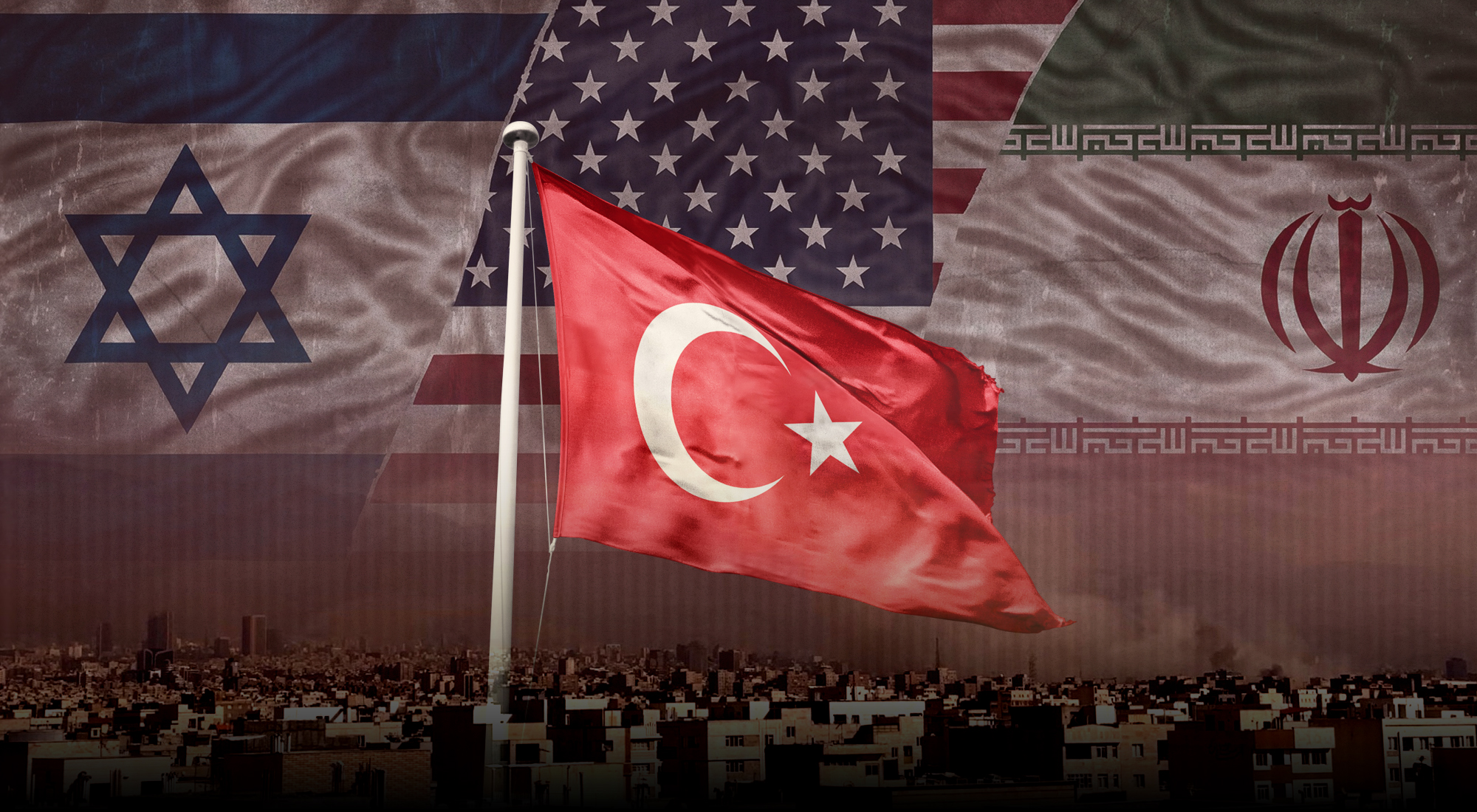
Finally, an element of potential weakness is represented by the exclusion of relevant regional partners such as Qatar, Iraq, and Türkiye from the project. Türkiye’s exclusion from the original version of IMEC has been strongly criticized by President Erdoğan, who declared “there is no corridor without Türkiye,” emphasizing the role of the country as a potential hub, a large and promising market and its geographic position in the Eastern Mediterranean, offering an alternative route and ports for IMEC in spite of Haifa. As a kind of reaction to this exclusion, Türkiye is supporting the Development Road Project (DRP), together with Iraq, Qatar, and the UAE, conceived as an alternative and apparently less problematic corridor than IMEC: this new intermodal project will be based on a system of railways and highways linked with the new Iraqi port of Grand Faw as the main trade gateway.[29]
Conclusion
The vision behind IMEC—to connect Asia and Europe via the Arabian Peninsula—remains a significant option for strengthening the global connectivity architecture by offering an alternative trade corridor involving middle powers such as India, the UAE, and Saudi Arabia. Despite the EU’s privileged approach to the Middle Corridor—from Asia to Europe crossing the Caspian Sea—IMEC can equally contribute to the European strategy of diversification through the implementation of an alternative supply chain. The security threats that affect the Bab el Mandeb chokepoint and the trade transit along the Red Sea impose the urgent need to promote safe and reliable corridors, avoiding disruptions.
However, IMEC’s original project design cannot completely meet the expectations due to vulnerability-security factors, namely shipping routes that cross Hormuz, Israel as the main IMEC gateway in the Mediterranean (given the instability in Israel and its neighborhood), and a cautious approach to cooperation expressed by the regional players (compared to 2023). Consequently, rethinking IMEC represents a priority, envisaging new alternative routes and expanding the format to other regional actors currently excluded from the project.
Given its geostrategic potential, Oman should be the main candidate to relaunch the IMEC vision, allowing it to achieve the strategic result of bypassing the Strait of Hormuz and potential trade disruptions; however, its inclusion poses new challenges because the Sultanate has no diplomatic relations with Israel, and it is a BRI member, while Chinese authorities massively invested to develop Dumq port facilities, creating a similar dilemma with the role of Piraeus port.
Another intriguing option appears to be the realization of a US$4 billion bridge (or an underwater tunnel) connecting Saudi Arabia to Egypt’s Sinai Peninsula, crossing the Red Sea through Tiran Island: in that case, Egypt will support this IMEC alternative leg, becoming a new gateway replacing Israel, also bypassing Bab el Mandeb transit.[29]
The possibility to promote reliable and safe routes clearly represents a key precondition to attract financial investments and economic support from involved countries, international banks and organizations, in cooperation with the sovereign wealth funds of the Gulf countries. Despite the geopolitical and stability concerns, the IMEC project represents a great opportunity for the Gulf countries to successfully achieve the transition to a non-oil economy, legitimizing themselves as trade and green energy hubs, expanding cooperation with India and the EU on a new basis.
References
[1] European Commission, “Statement by President von der Leyen at the Partnership for Global Infrastructure and Investment event in the framework of the G20 Summit,” September 9, 2023, https://ec.europa.eu/commission/presscorner/detail/en/statement_23_4420.
[2] The White House, “United States-India Joint Leaders’ Statement,” Briefings and Statements, February 13, 2025, https://www.whitehouse.gov/briefings-statements/2025/02/united-states-india-joint-leaders-statement/.
[3] “The India-Middle East-Europe Economic Corridor: Connectivity in an era of geopolitical uncertainty,” Atlantic Council, March 2025, p. 5, https://www.atlanticcouncil.org/in-depth-research-reports/report/the-india-middle-east-europe-economic-corridor-connectivity-in-an-era-of-geopolitical-uncertainty/.
[4] Alberto Rizzi, “The infinite connection: how to make the India-Middle East-Europe Economic Corridor happen,” ECFR Policy Brief, April 2024, https://ecfr.eu/publication/the-infinite-connection-how-to-make-the-india-middle-east-europe-economic-corridor-happen/; India-Middle East Economic Corridor, official website, https://www.imec.international/.
[5] Dalia Ghanem, “IMEC’s Ambitious Gamble: Overcoming Geopolitical Obstacles in a Fractured Mediterranean,” Middle East Council on Global Affairs, March 27, 2025, https://mecouncil.org/publication_chapters/imecs-ambitious-gamble-overcoming-geopolitical-obstacles-in-a-fractured-mediterranean/.
[6] Samriddhi Vij, “The Gulf Railway Project: Bridging the Gaps between Vision and Reality,” ORF Middle East, April 25, 2025, https://www.orfonline.org/research/the-gulf-railway-project-bridging-the-gaps-between-vision-and-reality; “IMEC and BRI: Beyond Complementary Competition,” EPC Asia Research Unit, October 20, 2023, https://epc.ae/en/details/scenario/imec-and-bri-beyond-complementary-competition.
[7] Navdeep Suri, Nilanjan Ghosh, Kabir Taneja, Sameer Patil, and Promit Mookherjee, “India-Middle East Europe Economic Corridor: Towards a new discourse in global connectivity,” Observer Research Foundation (ORF), April 9, 2024, https://www.orfonline.org/research/india-middle-east-europe-economic-corridor-towards-a-new-discourse-in-global-connectivity.
[8] “New US-backed India-Middle East trade route to challenge China’s ambitions,” CNN, September 11, 2023, https://edition.cnn.com/2023/09/11/middleeast/us-india-gulf-europe-corridor-mime-intl/index.html.
[9] Alberto Rizzi, “The infinite connection: how to make the India-Middle East-Europe Economic Corridor happen.”
[10] Manish Vaid and Mrityunjaya Dubey, “India-EU green hydrogen partnership: Powering a sustainable future,” ORF (Observer Research Foundation), January 2025, https://www.orfonline.org/expert-speak/india-eu-green-hydrogen-partnership-powering-a-sustainable-future.
[11] European Commission, “Trade and Economic Security. India,” https://policy.trade.ec.europa.eu/eu-trade-relationships-country-and-region/countries-and-regions/india_en.
[12] Ian Oxnevad, “IMEC could reshape Europe’s trade dynamics,” GIS, April 23, 2025, https://www.gisreportsonline.com/r/imec/.
[13] Clara Denina and Aziz El Yaakoubi, “Saudi Arabia ups mineral resource estimates to $2.5 trillion -minister,” Reuters, January 9, 2024, https://www.reuters.com/world/middle-east/saudi-arabia-ups-mineral-resource-estimates-25-trillion-minister-2024-01-09/.
[14] Rachel Rizzo and Nicholas Shafer, “It is Europe’s time to shine on IMEC,” Atlantic Council, May 29, 2025, https://www.atlanticcouncil.org/blogs/new-atlanticist/it-is-europes-time-to-shine-on-imec/; Kabir Taneja, “IMEC As a Modern Connectivity Blueprint. Challenges and Opportunities,” in Carlo Secchi and Alessandro Gili (eds), Infrastructure Grids and Networks, The Challenges Ahead, amid Security and Efficiency, ISPI, LediPublishing 2025.
[15] “UAE-based NMDC signs MoU with JNPA to invest ₹21,000 crore in the Vadhavan Port,” Hindustan Times, February 20, 2025, https://www.hindustantimes.com/cities/mumbai-news/uaebased-nmdc-signs-mou-with-jnpa-to-invest-21-000-crore-in-the-vadhavan-port-101739993209760.html.
[16] Navdeep Suri, Nilanjan Ghosh, Kabir Taneja, Sameer Patil, and Promit Mookherjee, “India-Middle East Europe Economic Corridor: Towards a new discourse in global connectivity.”; Robert P. Beschel Jr, Justin Durgin, Paul Dyer and Andrew Letzkus, “Gulf Industrial Policy in a Changing Global Economy,” Middle East Council on Global Affairs Policy Paper, October 2025, https://mecouncil.org/publication/gulf-industrial-policy-in-a-changing-global-economy/.
[17] Moksh Suri and Shashank Tiwari, “Can IMEC Transition From Vision to Reality?,” The Diplomat, March 12, 2025, https://thediplomat.com/2025/03/can-imec-transition-from-vision-to-reality/.
[18] Dalia Ghanem, “IMEC’s Ambitious Gamble: Overcoming Geopolitical Obstacles in a Fractured Mediterranean.”
[19] Wina G.S. Simanjuntak, “IMEC: A Corridor Built on Optimism, Destined for Reality Check,” Modern Diplomacy, December 2, 2025, https://moderndiplomacy.eu/2025/12/02/imec-a-corridor-built-on-optimism-destined-for-reality-check/.
[20] “India-Middle East-EU corridor to have multiple routes, but hurdles remain,” The Hindu, September 17, 2023, https://www.thehindu.com/news/national/india-middle-east-eu-to-have-multiple-routes-but-hurdles-remain/article67315835.ece; Navdeep Suri, Nilanjan Ghosh, Kabir Taneja, Sameer Patil, and Promit Mookherjee, “India-Middle East Europe Economic Corridor: Towards a new discourse in global connectivity.”
[21] Dalia Ghanem and Amaia Sánchez-Cacicedo, “From Hype to Horizon: What the EU Needs to Know to Bring IMEC to Life,” EUISS Brief 10, June 2024, https://www.iss.europa.eu/sites/default/files/EUISSFiles/Brief_2024-10_IMEC.pdf.
[22] Cinzia Bianco, “Policy Recommendations for the EU: Seizing the Gulf’s Connectivity Momentum,” in Eleonora Ardemagni (ed), The Security Side of Gulf Visions. Adapting Defence to the Connectivity Age, LediPublishing ISPI, Milan, 2024, p. 135, https://www.ispionline.it/en/publication/the-security-side-of-gulf-visions-adapting-defence-to-the-connectivity-age-166495.
[23] “China Global Investment Tracker,” American Enterprise Institute (AEI), 2024, https://www.aei.org/china-global-investment-tracker/.
[24] “IMEC and BRI: Beyond Complementary Competition,” EPC Asia Research Unit, October 20, 2023, https://epc.ae/en/details/scenario/imec-and-bri-beyond-complementary-competition.
[25] Abdul Moiz Khan, “The India-Middle East-Europe Economic Corridor (IMEC): Too Little, Too Late?,” Carnegie-Sada Journal, December 12, 2023, https://carnegieendowment.org/sada/2023/12/the-india-middle-east-europe-economic-corridor-imec-too-little-too-late?lang=en.
[26] Kabir Taneja, “IMEC As a Modern Connectivity Blueprint. Challenges and Opportunities.”
[27] Eleonora Ardemagni, “Oman’s Connectivity Strategy Maximizes Multi-Alignment,” MedOr Insights, March 5, 2025, https://www.med-or.org/en/news/la-strategia-di-connettivit%C3%A0-delloman-massimizza-il-multi-allineamento.
[28] Alberto Rizzi, “The infinite connection: how to make the India-Middle East-Europe Economic Corridor happen.”
[29] Ragip Soylu, “Turkey’s Erdogan opposes India-Middle East transport project,” Middle East Eye, September 11, 2023, https://www.middleeasteye.net/news/turkey-erdogan-opposes-india-middle-east-corridor; The Development Road, Official Website, https://www.thedevelopmentroad.it/.
[30] Patrick Werr, “Egypt working to integrate railways into Asia-Europe trade,” Reuters, May 25, 2025, https://www.reuters.com/world/middle-east/egypt-working-integrate-railways-into-asia-europe-trade-2025-05-25/; Amit Yarom, “Moses parts the Red Sea: Israel’s strategic challenges as new routes emerge,” Atlantic Council, November 13, 2025, https://www.atlanticcouncil.org/blogs/menasource/moses-parts-the-red-sea-israels-strategic-challenges-as-new-routes-emerge/.