


As part of its research tour in Spain, the delegation of TRENDS Research & Advisory held an academic meeting with a number of officials and professors at Loyola University (Spain.) The meeting discussed prospects and mechanisms for joint cooperation in areas related to political Islam studies, AI-enhanced interfaith dialogue, the translation of research from Arabic into Spanish and vice versa, and the strengthening of academic partnerships in comparative research and the strategic analysis of contemporary intellectual and political issues.
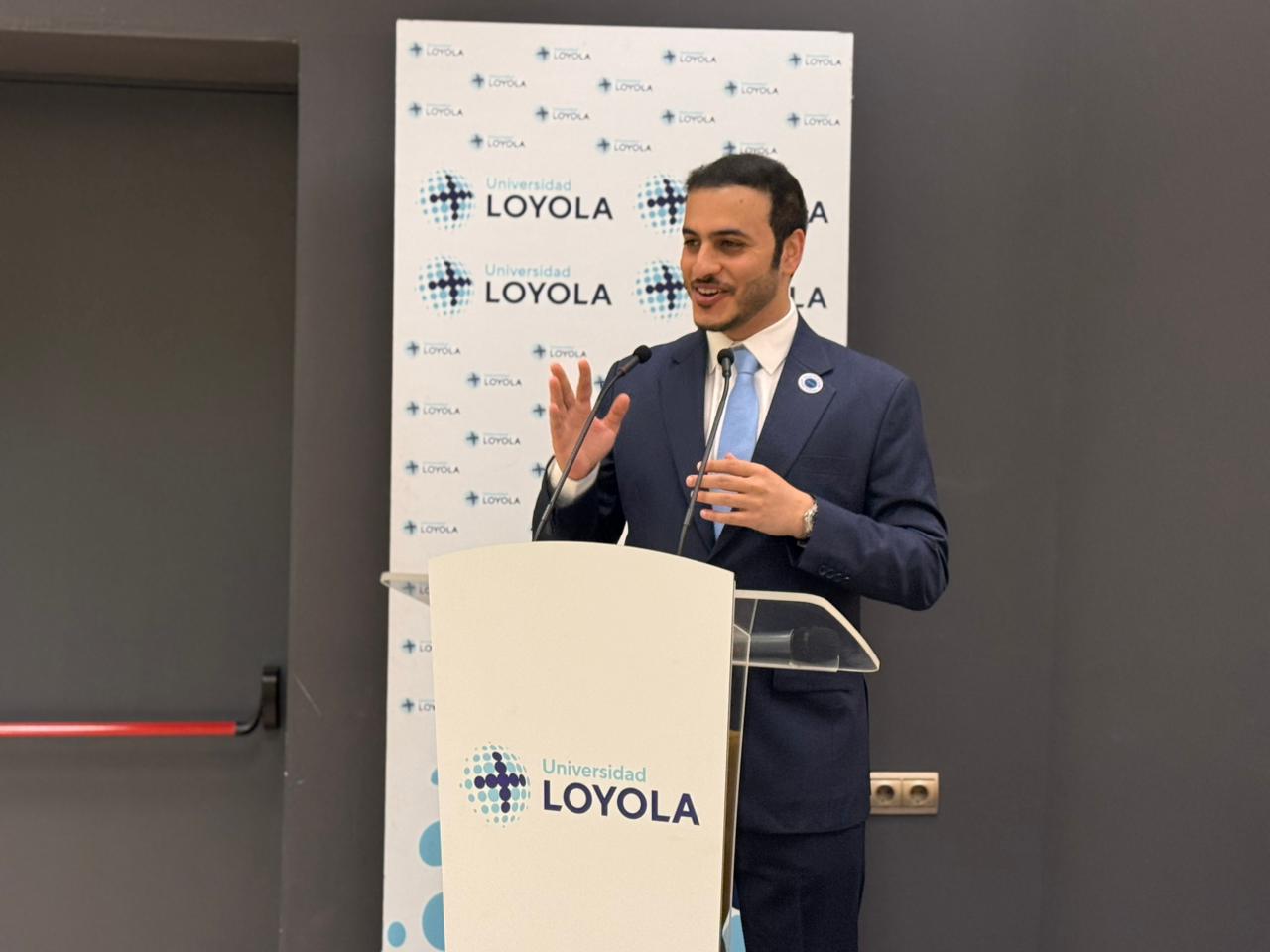
The delegation included Senior Researcher Hamad Al-Housani, Director of the Political Islam Department at the Center, and Dr. Wael Saleh, Advisor to the Department and Director of the TRENDS Virtual Offices in France and Canada.
The delegation also visited Casa Árabe, the research, educational, and cultural institution concerned with promoting Arab-Spanish dialogue, where areas of scientific cooperation, exchange of publications, and the organization of joint events were discussed.
During both visits, an extensive dialogue was held focusing on ways to develop joint scientific research and expand institutional cooperation between TRENDS and Spanish academic and research institutions, in support of producing rigorous studies that address contemporary intellectual and civilizational issues through a systematic scientific approach.
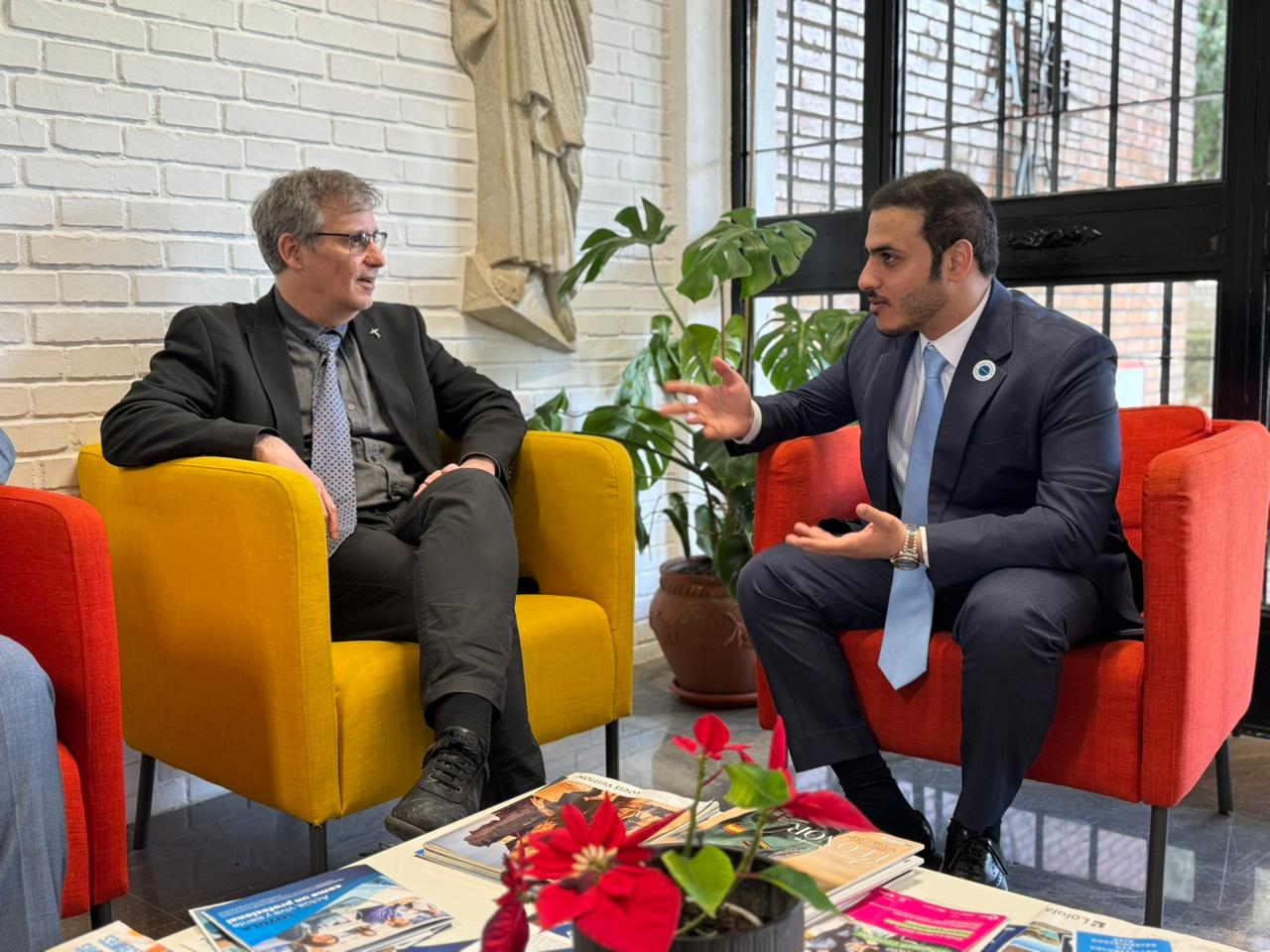
Professor Jaume Flaquer, Director of the CANDIR Chair (the Andalusian Chair for Interreligious Dialogue), at Loyola University in Córdoba, affirmed that the meeting with TRENDS reflects the importance of building cross-border research bridges. He praised the role played by the Center in studying contemporary intellectual movements and currents, particularly in the field of political Islam, through solid analytical approaches that contribute to deepening academic understanding of related issues.
For his part, Javier Rosón, Head of International Relations at Casa Árabe, expressed appreciation for cooperation with TRENDS, noting that partnership with specialized research centers strengthens cultural and intellectual dialogue and opens the way for joint projects that contribute to a modern reading of Islamic heritage, where ethical and aesthetic dimensions intersect with issues of identity and coexistence.
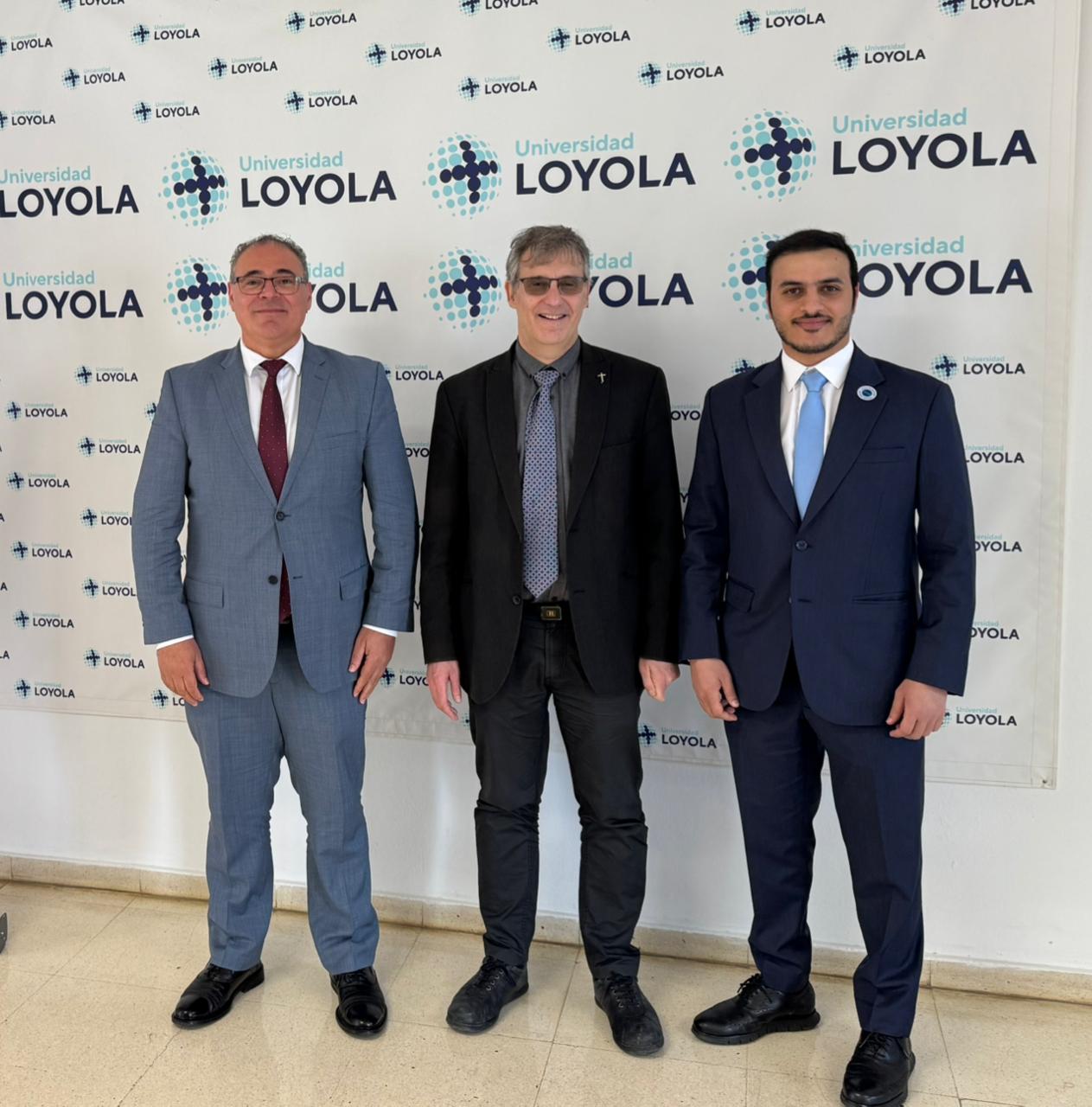
The TRENDS delegation affirmed that these visits come within the framework of the Center’s strategy to enhance its international research presence and expand its network of academic partnerships, in service of its goals to produce objective scientific knowledge that supports intellectual stability and promotes civilizational dialogue.
These meetings took place on the sidelines of TRENDS’ participation in the Sixth Scientific Conference, held in Córdoba from 10 to 15 February under the title “Ethics and Aesthetics in Islamic Heritage,” with broad participation from academics and researchers from international universities and research centers, within the framework of activating the memorandum of cooperation between the Center and the University Platform for the Study of Islam.
