Insight Image

At a high-level symposium held under the patronage of the Prime Minister of Egypt TRENDS, Egyptian Cabinet’s Information and Decision Support Center, Highlight AI’s Role in Accelerating the Development Agenda

27 Jan 2026

At a high-level symposium held under the patronage of the Prime Minister of Egypt TRENDS, Egyptian Cabinet’s Information and Decision Support Center, Highlight AI’s Role in Accelerating the Development Agenda

27 Jan 2026

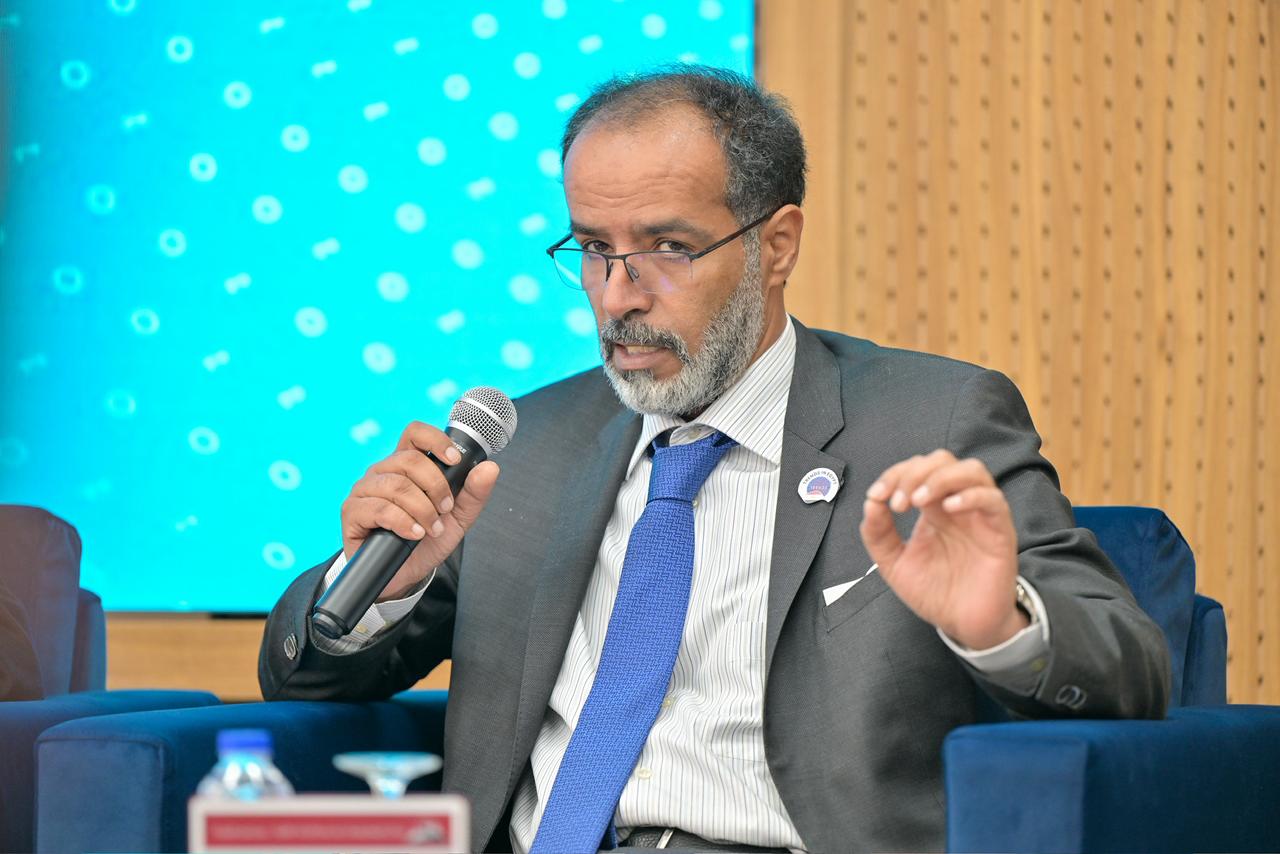
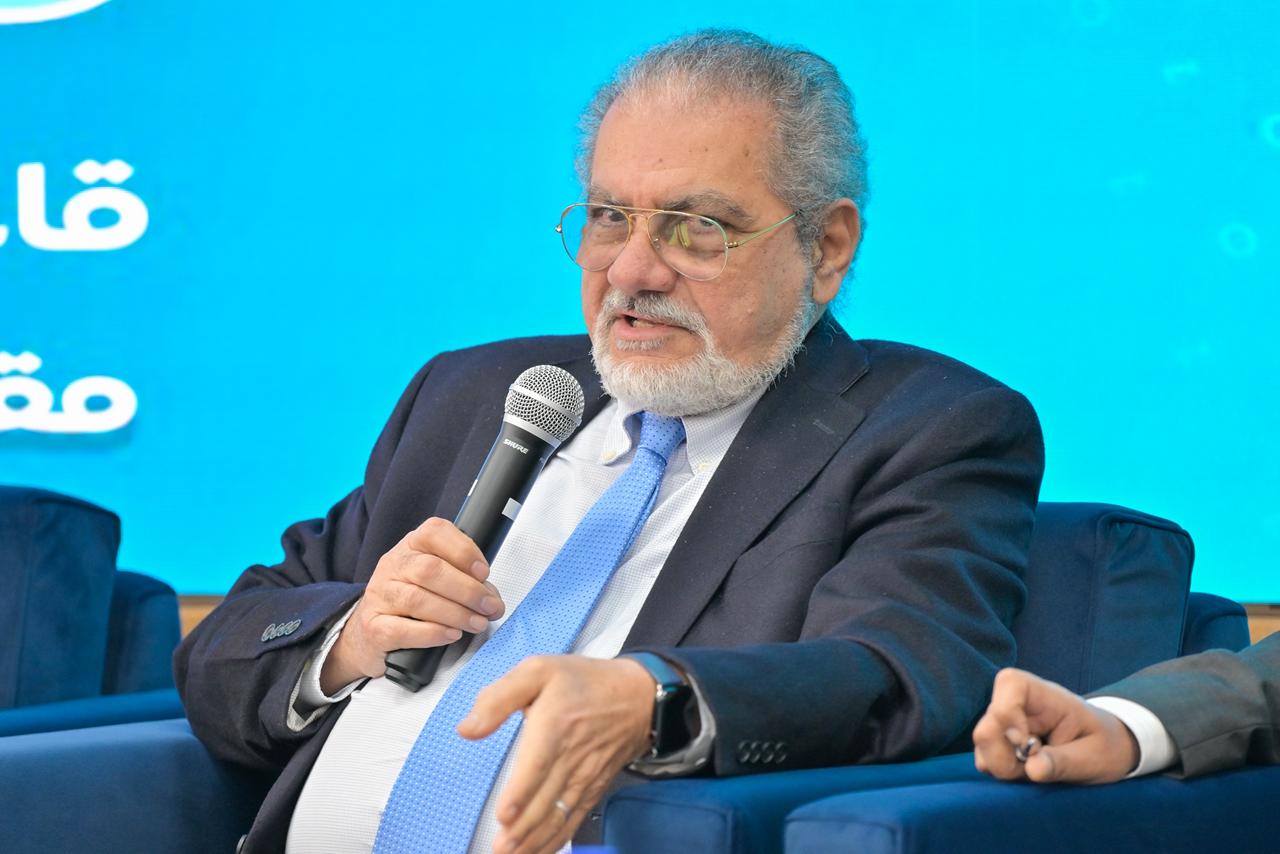
-The Egyptian Minister of Investment: Owning technology and its tools determines who will shape the future of artificial intelligence -Dr. Mohammed Al Ali: The key challenges of AI lie in building human capacities and developing legislative frameworks -Dr. Mohammed Al Kuwaiti: Cybersecurity has become a core pillar amid the rapid acceleration of artificial intelligence technologies -Dr. Osama El Gohary: Preparing for the future of AI is first and foremost a governance and development issue -Ambassador Abu Bakr Hefny: Expected investments in digital infrastructure will reach USD 1.3 trillion by 2030. -Dr. Abdullah Al Kaabi: AI technologies boost productivity, improve services, and enable precise resource allocation
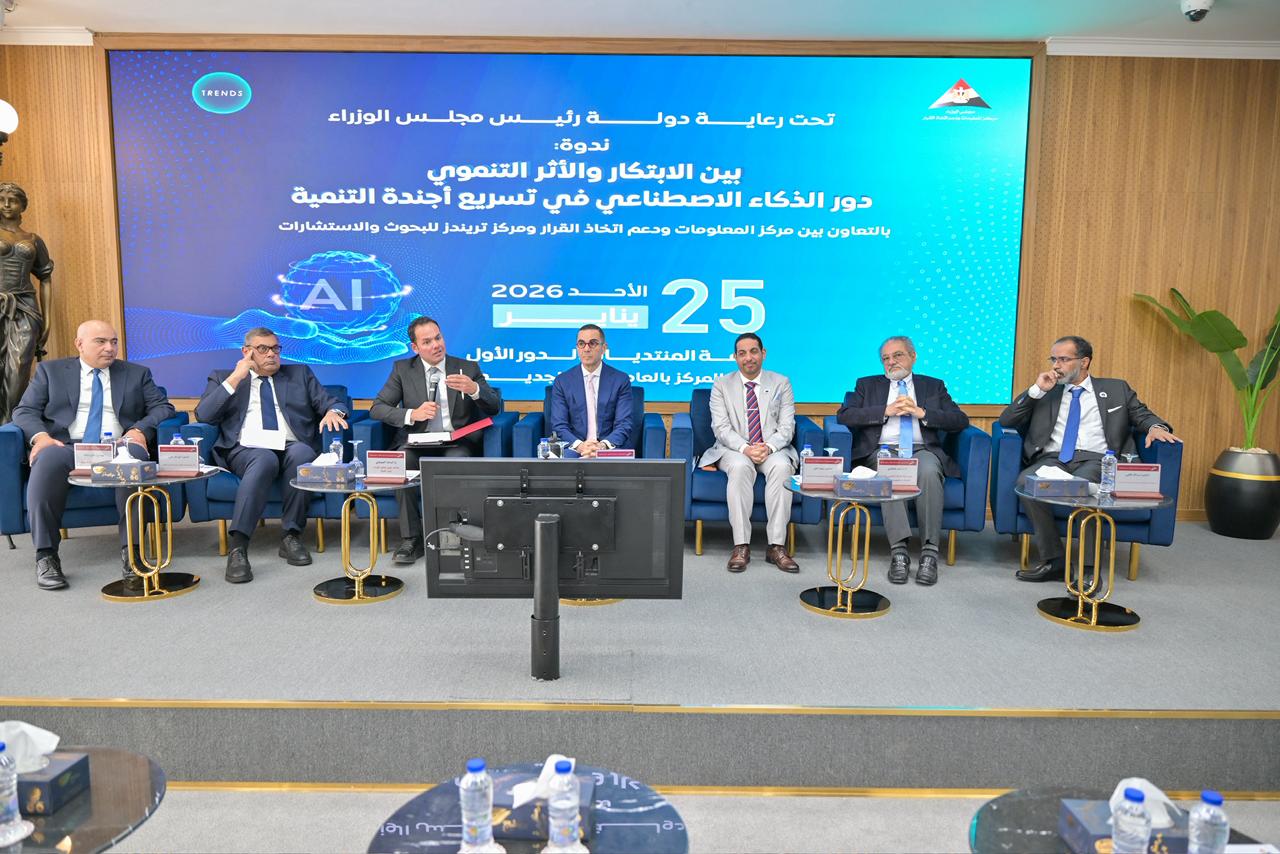
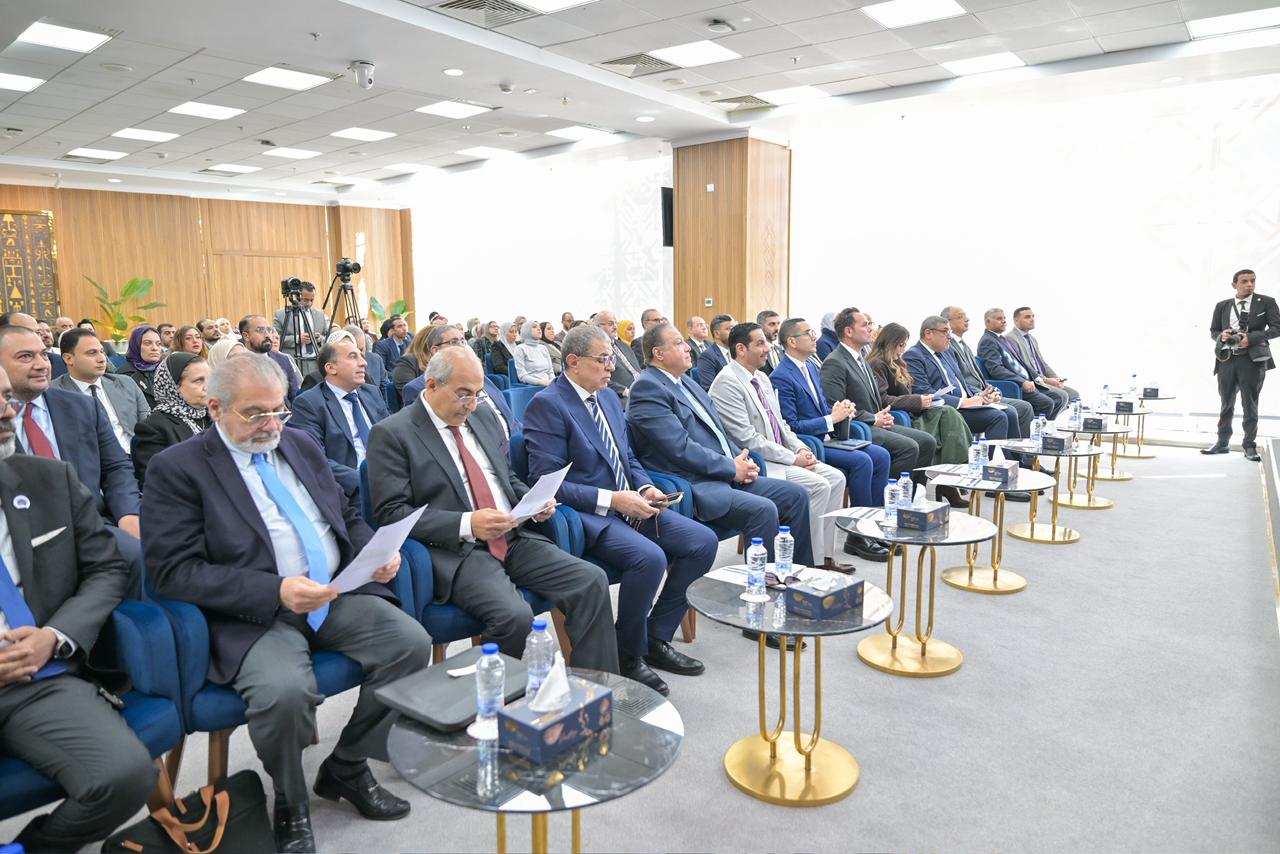
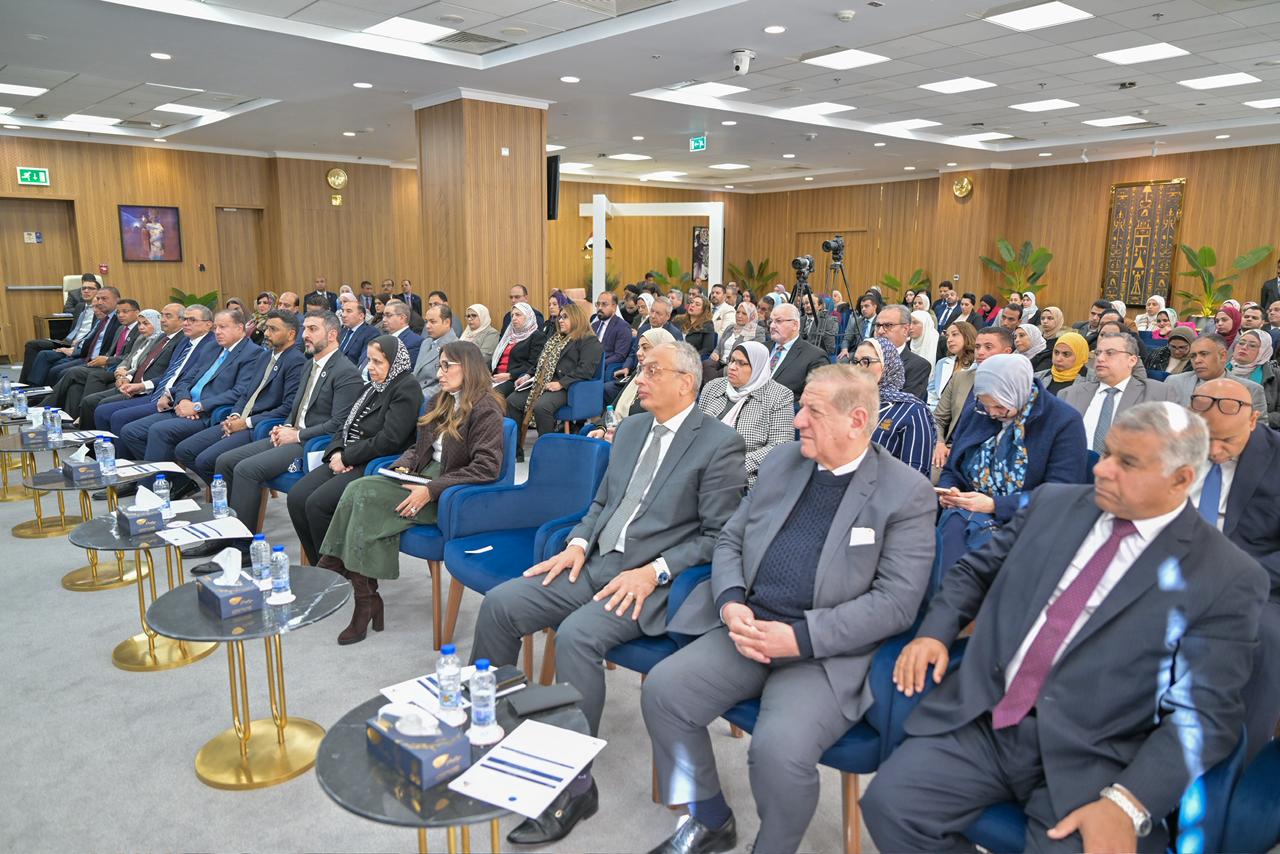
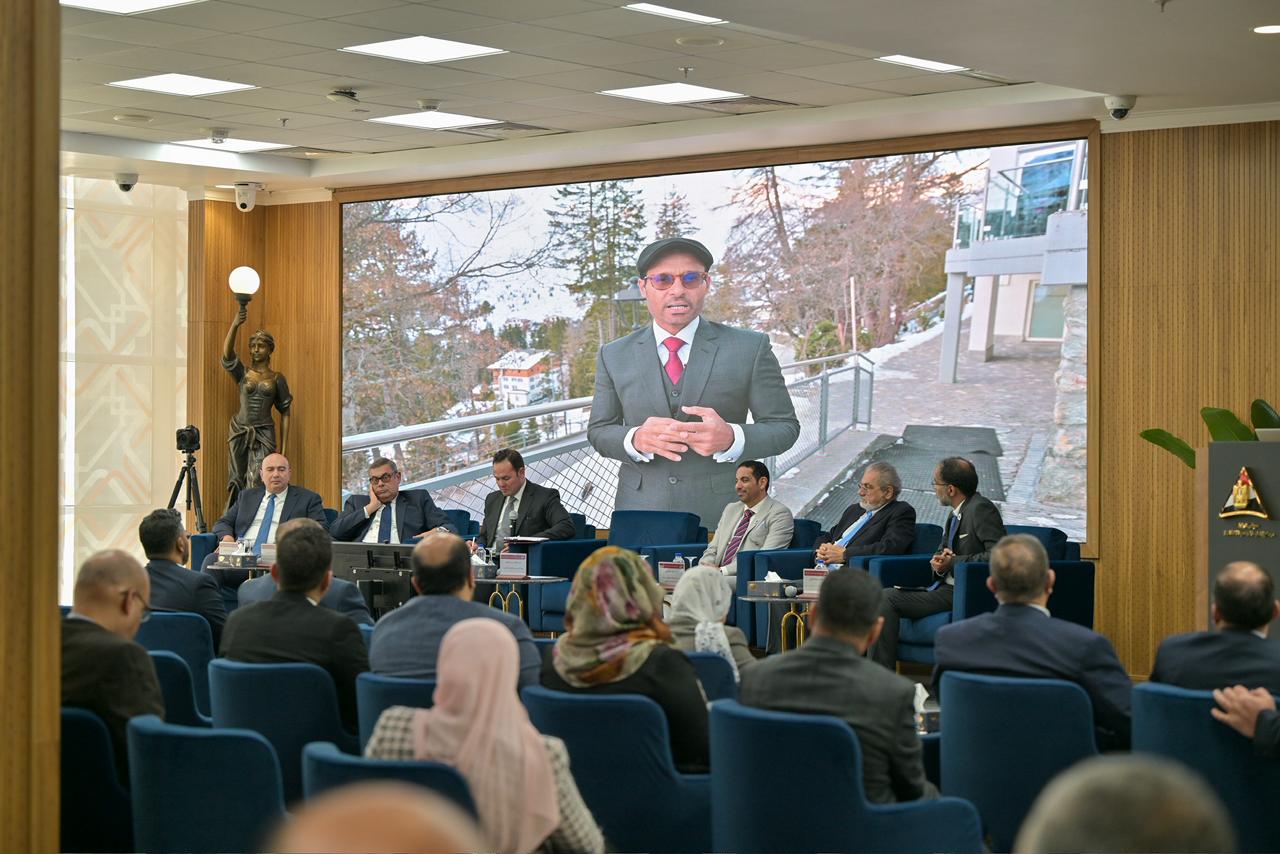
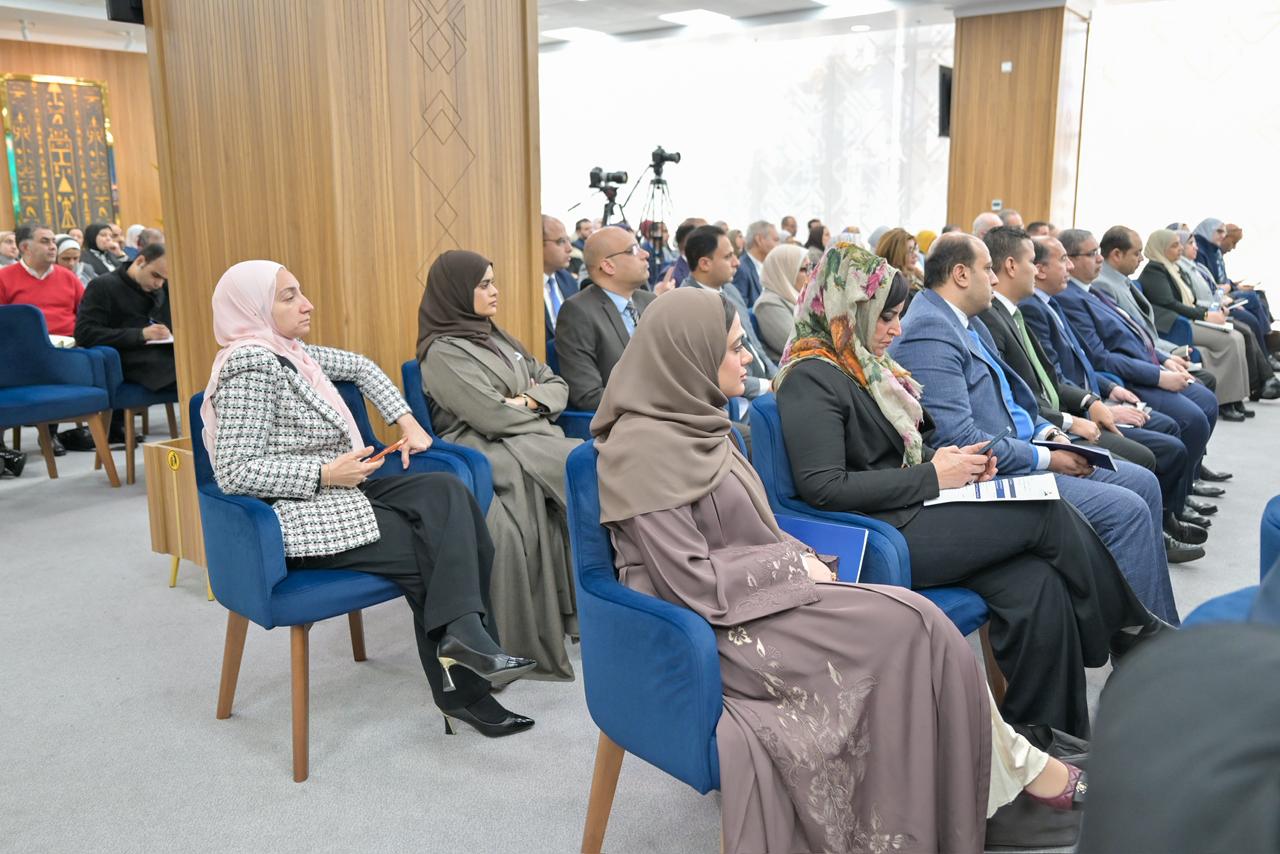
Under the patronage of His Excellency Dr. Mostafa Madbouly, Prime Minister of Egypt, TRENDS Research & Advisory, in partnership with the Information and Decision Support Center of the Egyptian Cabinet, organized a high-level symposium — Between Innovation and Development Impact: The Role of Artificial Intelligence (AI) in Accelerating the Development Agenda. The event brought together ministers, senior officials, and experts and was held at the Information and Decision Support Center’s headquarters in the New Administrative Capital, Cairo.

Participants included Professor Dr. Osama El Gohary, Assistant to the Prime Minister and Head of the Information and Decision Support Center; His Excellency Engineer Hassan El Khatib, Egypt’s Minister of Investment and Foreign Trade; His Excellency Dr. Mohammed Hamad Al Kuwaiti, Chairman of the Cybersecurity Council of the Government of the United Arab Emirates; Dr. Mohammed Abdullah Al Ali, CEO of TRENDS Research & Advisory; His Excellency Ambassador Abu Bakr Hefny, Deputy Minister of Foreign Affairs, Immigration, and Egyptian Expatriates Affairs; Dr. Abdullah Al Kaabi, Senior Director of Technology Consulting at PwC Middle East; Dr. Ahmed Tantawy, Supervisor of the Applied Innovation Center at Egypt’s Ministry of Communications and Information Technology; and Engineer Tarek Shabaka, Chairman of the Board of the Mideast Communication Systems (MCS).

  Reshaping Development Pathways Speakers at the symposium emphasized that AI is no longer a technical option or an economic luxury. It has become a strategic pillar for reshaping development pathways and strengthening the ability to address accelerating economic and social challenges. They stressed that the actual value of these technologies lies in integrating them into comprehensive national visions, flexible legislative frameworks, and evidence-based public policies that place people at the center of digital transformation. They also noted that accelerating development impact requires effective partnerships between governments, the private sector, think tanks, and research institutions to ensure that knowledge is translated into actionable decisions. Such cooperation, they added, turns AI into a genuine driver of sustainable development, a catalyst for regional integration, and a pathway toward a more prosperous and inclusive future.

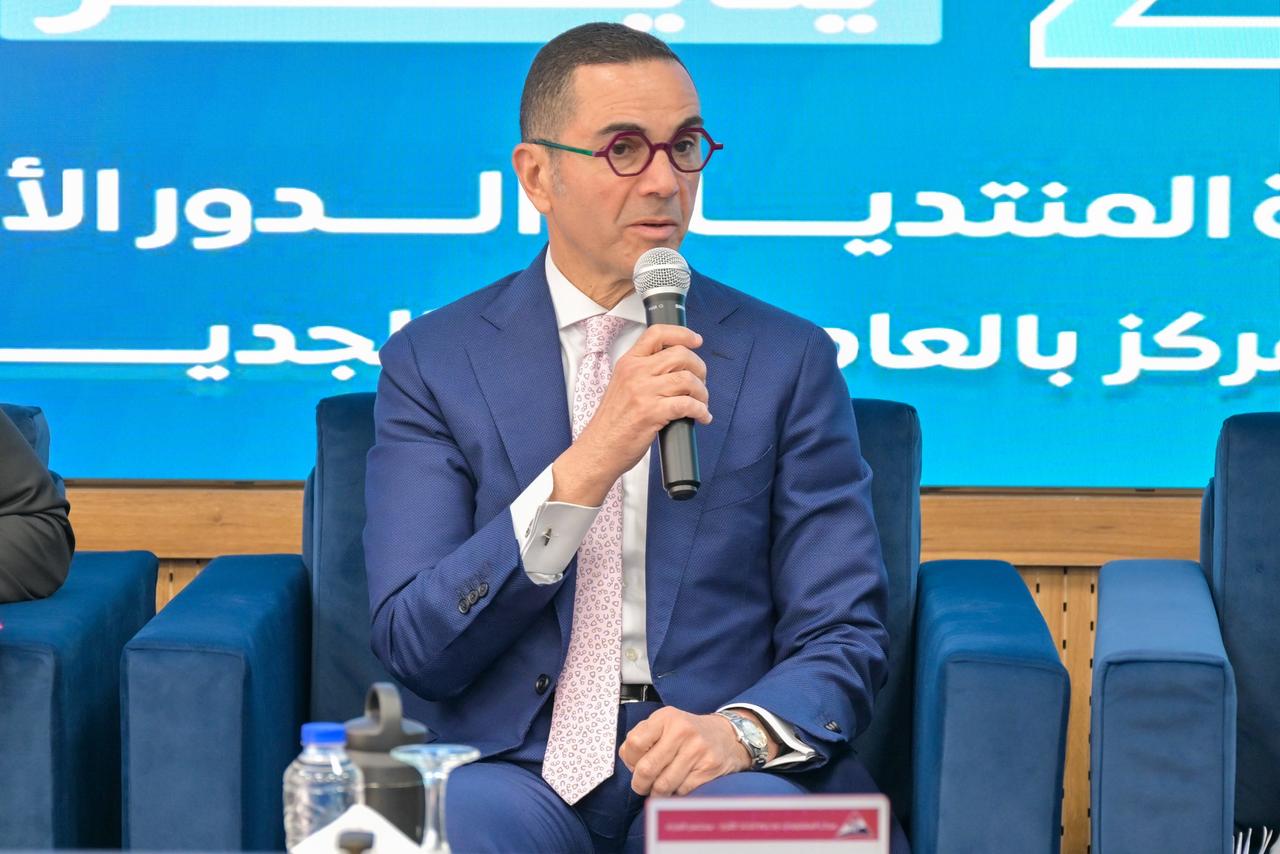
  Exporting Digital Services The discussion opened with remarks by His Excellency Engineer Hassan El Khatib, Egypt’s Minister of Investment and Foreign Trade, who stated that the world is witnessing a historic transformation driven by AI. He noted that the United States and China currently lead the field, while the UAE ranks third globally. He warned that countries that fail to secure a place in this transformation risk falling far behind, as ownership of technology and core tools is what ultimately determines who will shape the future of artificial intelligence. He added that five key elements define a country’s ability to benefit from artificial intelligence: energy, infrastructure, chips, models, and applications. He highlighted the UAE’s advanced experience in smart investment in artificial intelligence, noting that it is among the leading countries regionally and globally in digital transformation and in harnessing advanced technologies to support sustainable development. He also pointed to the UAE’s unique efforts to eliminate bureaucracy, leveraging advanced technologies to achieve excellence and societal well-being. El Khatib emphasized that private-sector data indicate that Egypt has massive solar energy potential in the Western Desert, estimated at 700-1,000 gigawatts. He explained that the passage of 70% of global data through Egypt creates significant opportunities for the country to become a hub for attracting data center investments, in addition to its strong capabilities in outsourcing and exporting digital services. He also noted that Egypt has launched a digital investment platform that enables investors to interact with a single unified government platform to obtain services. This platform, he explained, uses AI tools to expand service delivery and reduce burdens. He added that Egypt is working to establish a similar unified digital platform for trade, linking investors with commercial representation offices and executive entities within an integrated digital ecosystem.

  Localizing AI In his welcoming remarks, Dr. Mohammed Abdullah Al Ali, CEO of TRENDS Research & Advisory, stressed that AI is no longer merely a technical tool or a specialized research field. It has become a driving force reshaping economies, redefining production, reengineering value chains, and shaping the future of work and development. He noted that the world has already entered an intense race to own and localize AI applications, not only to enhance competitiveness but also to secure long-term economic and social sustainability.

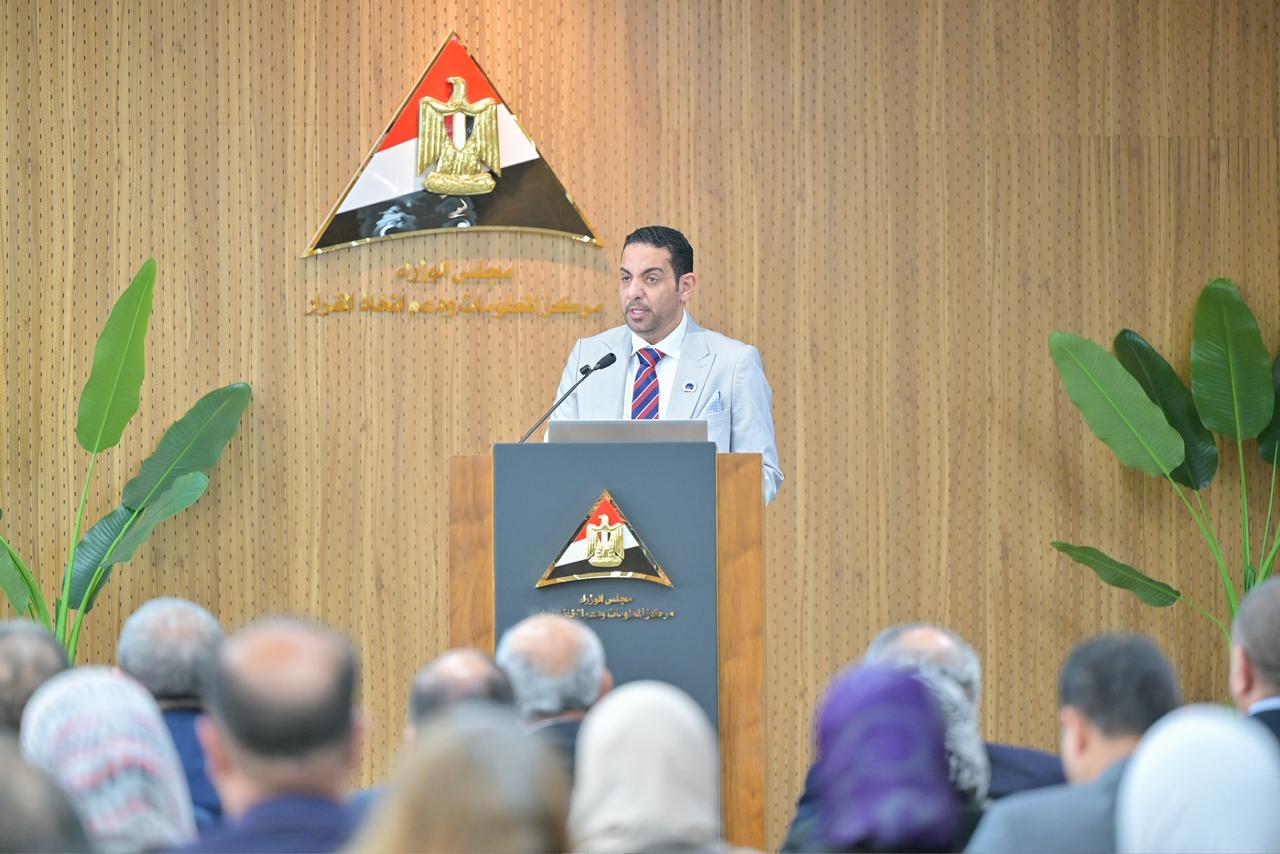
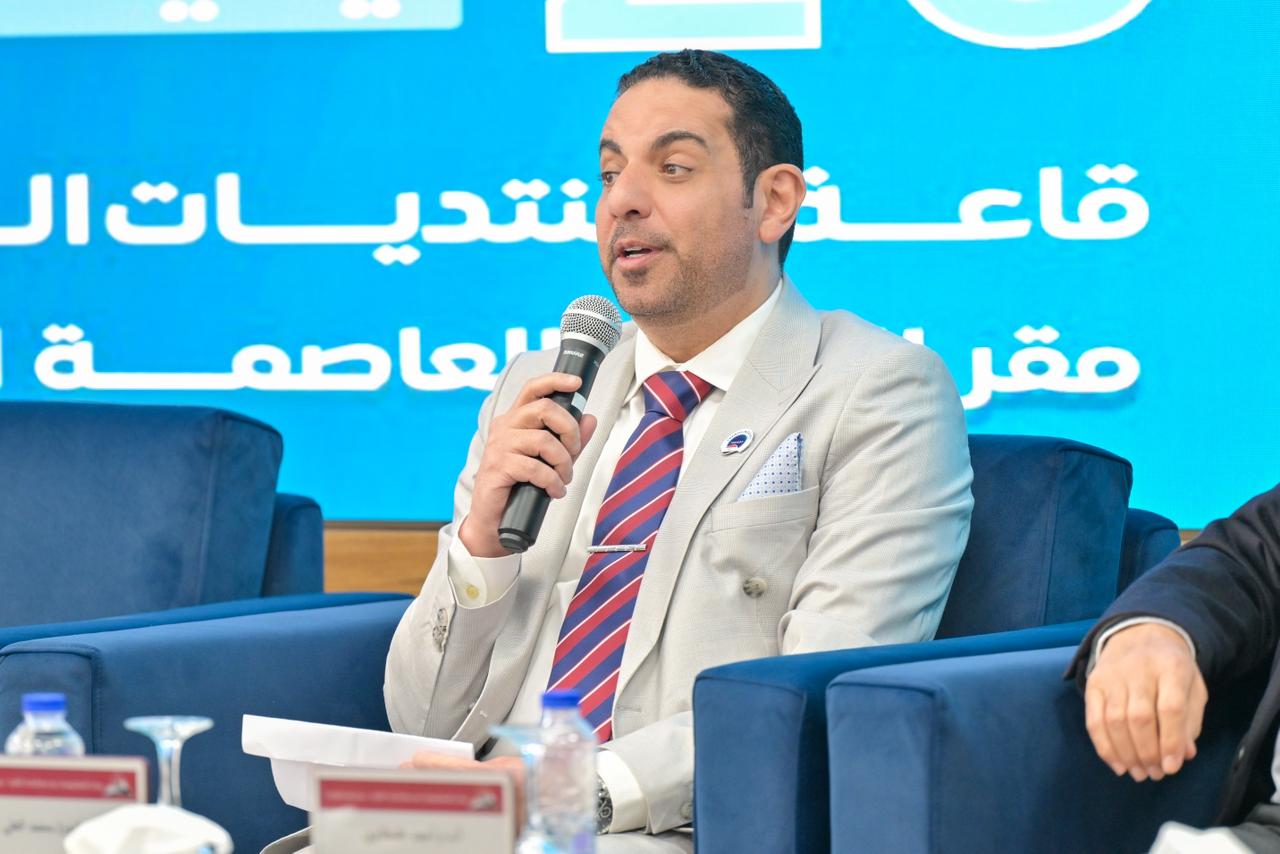
He explained that AI offers countries unprecedented opportunities to overcome traditional structural challenges across areas such as smart agriculture, manufacturing, cross-border trade, digital services, and sustainable urban planning. At the same time, it places significant responsibilities on governments to build human capacities, develop legislative frameworks, ensure digital equity, and prevent the emergence of new development gaps. Dr. Al Ali added that the importance of this symposium lies in its role as a thought platform that brings together decision-makers and experts in a deep dialogue aimed at translating ideas into actionable initiatives. He emphasized that TRENDS places particular importance on the role of think tanks in turning knowledge into impact, bridging the gap between research and decision making, and providing strategic insights that help governments anticipate the future and make evidence-based decisions.

  Five Strategic Pillars His Excellency Dr. Mohammed Hamad Al Kuwaiti, Chairman of the Cybersecurity Council of the Government of the UAE, said that the world is living through a period of constant change marked by growing technical and technological demands. This reality has elevated cybersecurity to a core pillar and a key national asset, especially amid the rapid acceleration of AI technologies. He explained that the UAE’s national cybersecurity strategy is built around five main pillars, starting with governance, laws, and policies. Building human and technical capacities is another pillar, he said. The third is creativity and innovation, as the goal is not to be mere users of technology but active producers and contributors to it. He noted that the fourth pillar focuses on protection and defense, as countries and societies must safeguard digitally transforming systems, particularly in health, energy, and education. The fifth pillar, he added, is partnerships, emphasizing that countries cannot confront technological challenges without cooperation and consultation, and the exchange of expertise.


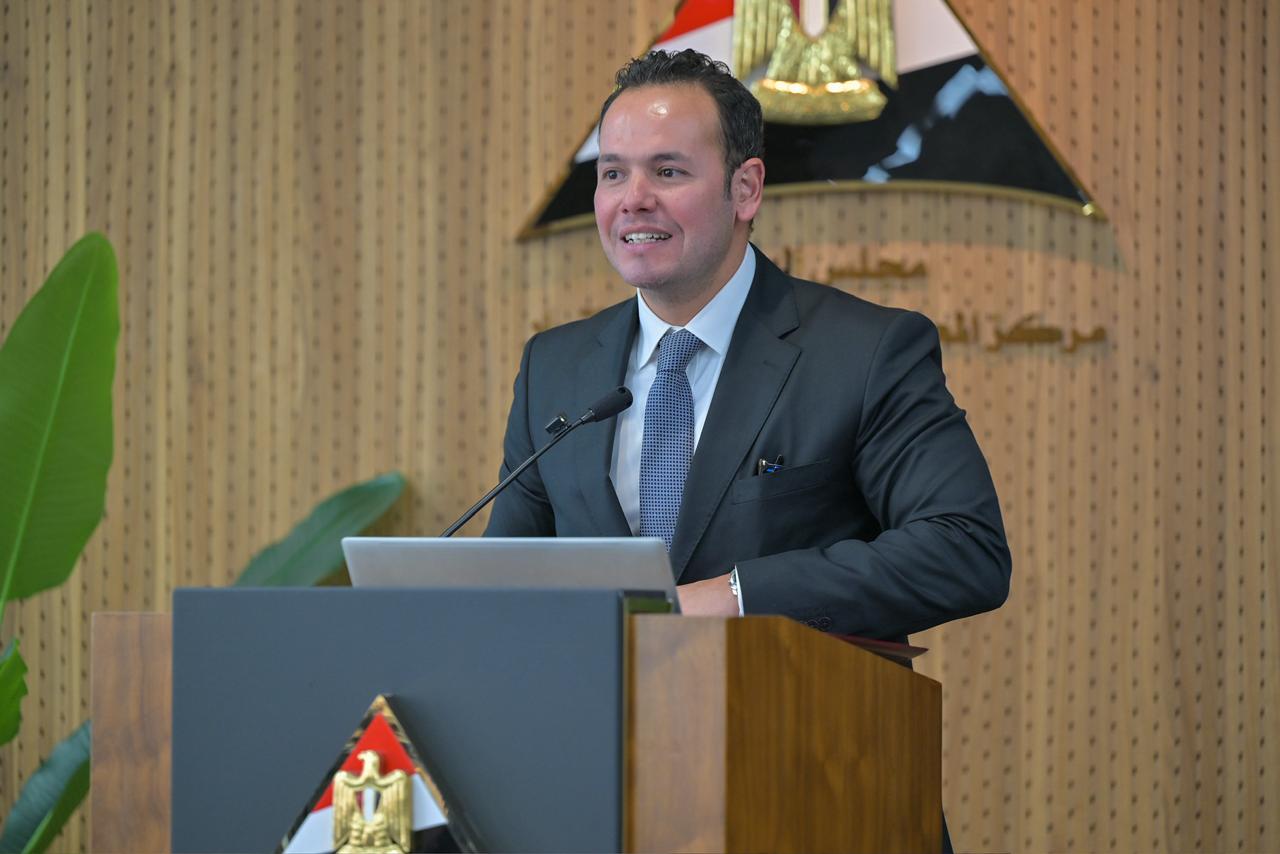
The Speed of Transformation In his welcoming address, Dr. Osama El Gohary, Assistant to the Prime Minister and Head of the Information and Decision Support Center, said that the real challenge of AI does not lie in its ability to increase efficiency or eliminate specific jobs, but rather in the speed of transformation itself. Technology, he explained, is advancing faster than societies and labor markets can adapt, and the time lag between innovation and institutional and social absorption represents the core risk, as it opens the door to economic and social imbalances. He added that preparing for the future of AI has become primarily a governance and development issue, not a separate technical matter. The challenge facing governments is not simply adopting tools, but building the institutional capacity to manage them. he noted that investment and trade policies represent key instruments for early preparedness for AI-driven transformations. El Gohary emphasized that discussions on AI are directly linked to investment incentives, the quality of targeted investments, and connecting capital attraction with skills development and technology transfer. This approach, he said, ensures that transformation enhances both competitiveness and sustainable development. He concluded that this dialogue provides an opportunity to move from diagnosing the challenge to discussing how investment and trade policies can become an integral part of national preparedness for the AI era.

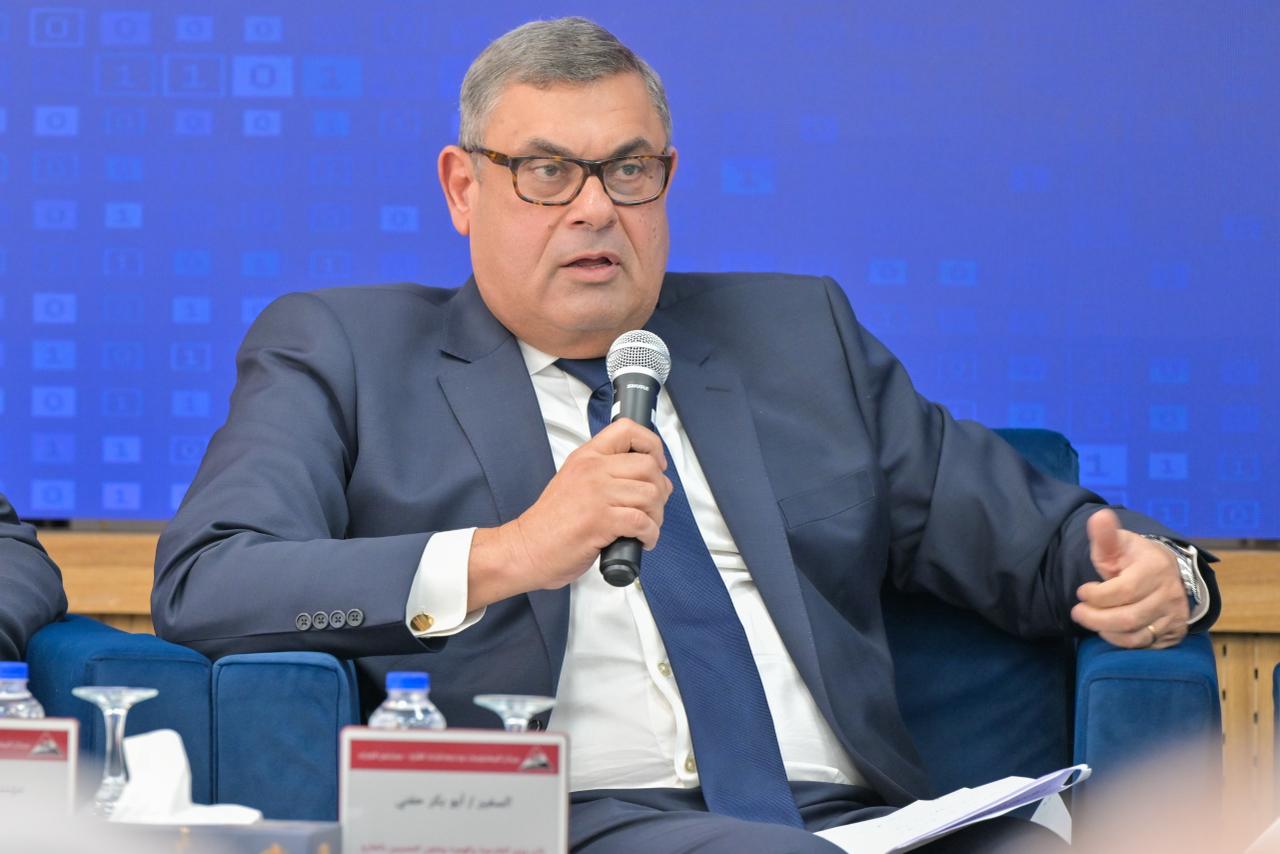
  Industrial Sovereignty His Excellency Ambassador Abu Bakr Hefny, Deputy Minister of Foreign Affairs, Immigration, and Egyptian Expatriates Affairs, stated that the latest data indicate that countries worldwide are expected to invest around USD 1.3 trillion in digital infrastructure by 2030 to achieve industrial sovereignty. He noted that Egypt’s Ministry of Foreign Affairs plays multiple roles to maximize the benefits of partnerships with Europe and the United States in supporting African renewable energy capabilities and the establishment of data centers. He added that the ministry’s efforts go beyond traditional diplomacy to include strengthening AI cooperation among major powers and across the region and the continent.

Boosting Productivity and Improving Services Dr. Abdullah Al Kaabi, Senior Director of Technology Consulting at PwC Middle East, said that AI technologies should be approached not merely as technical tools, but through the development impact they deliver by boosting productivity, improving services, and enabling more precise resource allocation. He added that Egypt and the UAE have significant potential to create a shared space for AI cooperation, enabling both countries to export ready-to-deploy technological capabilities and solutions eventually. He pointed out that recent studies indicate the impact of AI on the Middle East could reach USD 320 billion by 2030. The UAE, he noted, could achieve an effect equivalent to nearly 14% of its 2030 GDP, while Egypt could see an impact of about USD 42.7 billion, representing 7.7% of its 2030 GDP. These figures, he said, confirm that the opportunity is shared and that cooperation can turn potential impact into a tangible development and economic pathway.

  Improving Government Performance Dr. Ahmed Tantawy, Supervisor of the Applied Innovation Center at Egypt’s Ministry of Communications and Information Technology, said it is essential to raise awareness of the importance of new technologies in production and development, rather than limiting their use to chat applications and similar tools. He explained that over the past six years, the ministry has successfully developed technological solutions that improve government performance through advanced technologies. However, he noted that successful adoption of AI requires enhancing data quality and readiness, as well as preparing the legislative environment to support effective use of AI applications. While artificial intelligence will affect current employment patterns, he added, it will also create new jobs.

  Developing Technological Products Engineer Tarek Shabaka, Chairman of the Board of the Mideast Communication Systems (MCS), said that AI applications now offer multiple opportunities to develop new technological products that support various fields of work. He highlighted significant advancements in the medical sector worldwide, driven by AI technologies that diagnose patients, reduce medical errors, detect diseases, and support research into the latest treatments.