

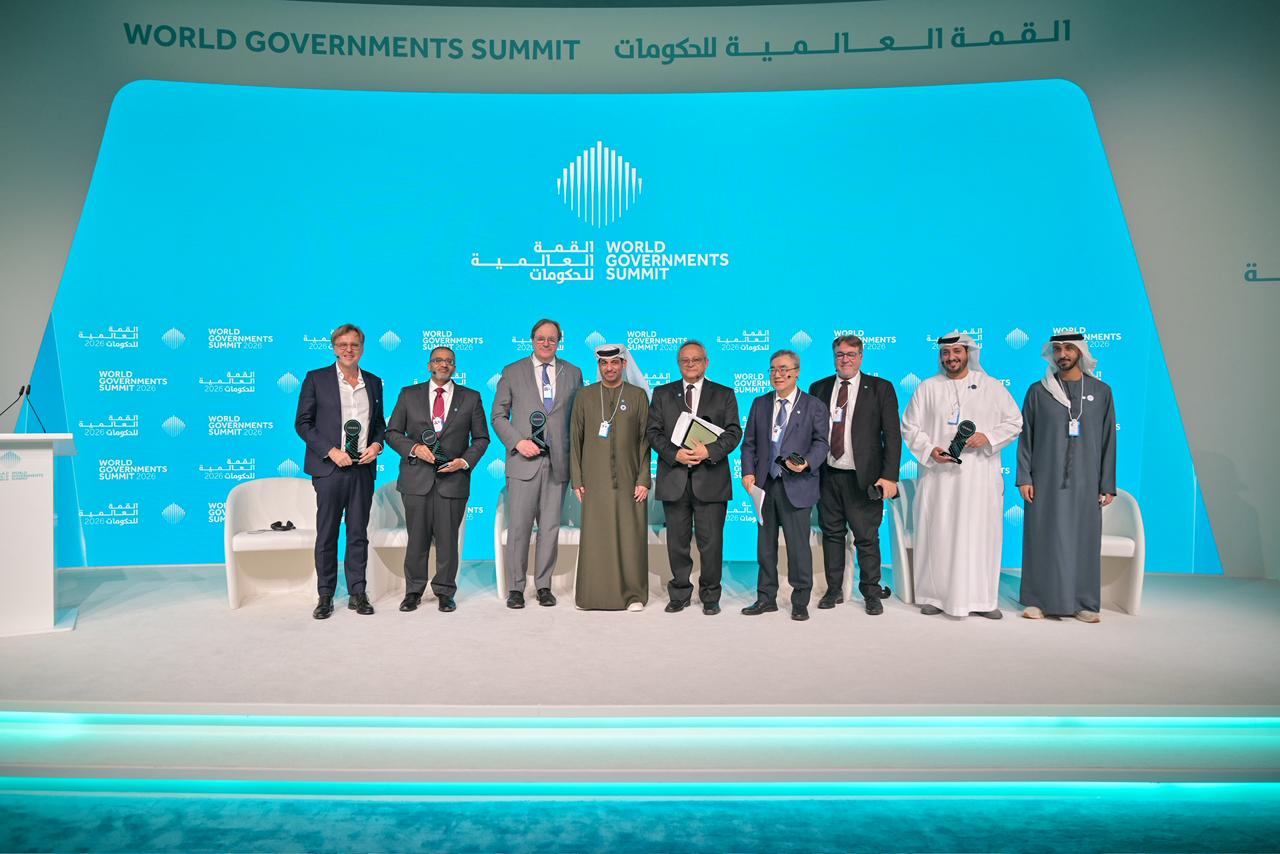
On the sidelines of the World Governments Summit 2026, as a contributing member, TRENDS Research & Advisory convened a strategic foresight session – Governments of the Future: Global Trends – Insights from Global Think Tanks. The session brought together a distinguished group of leaders from research institutions and think tanks worldwide to discuss the key trends shaping governance, policy, and decision-making amid profound technological transformations and intensifying competition between economic models.
Participants underscored the increasingly pivotal role of think tanks in interpreting complexity, shaping public policy, and providing comprehensive strategic insights across different regions and systems. Their discussions spanned issues ranging from economic security and technological competition to governance reform and shifting regional and global power balances. They emphasized that think tanks are well-positioned to translate research into tangible impact, support evidence-based decision-making, and adapt to a more competitive, multipolar world.
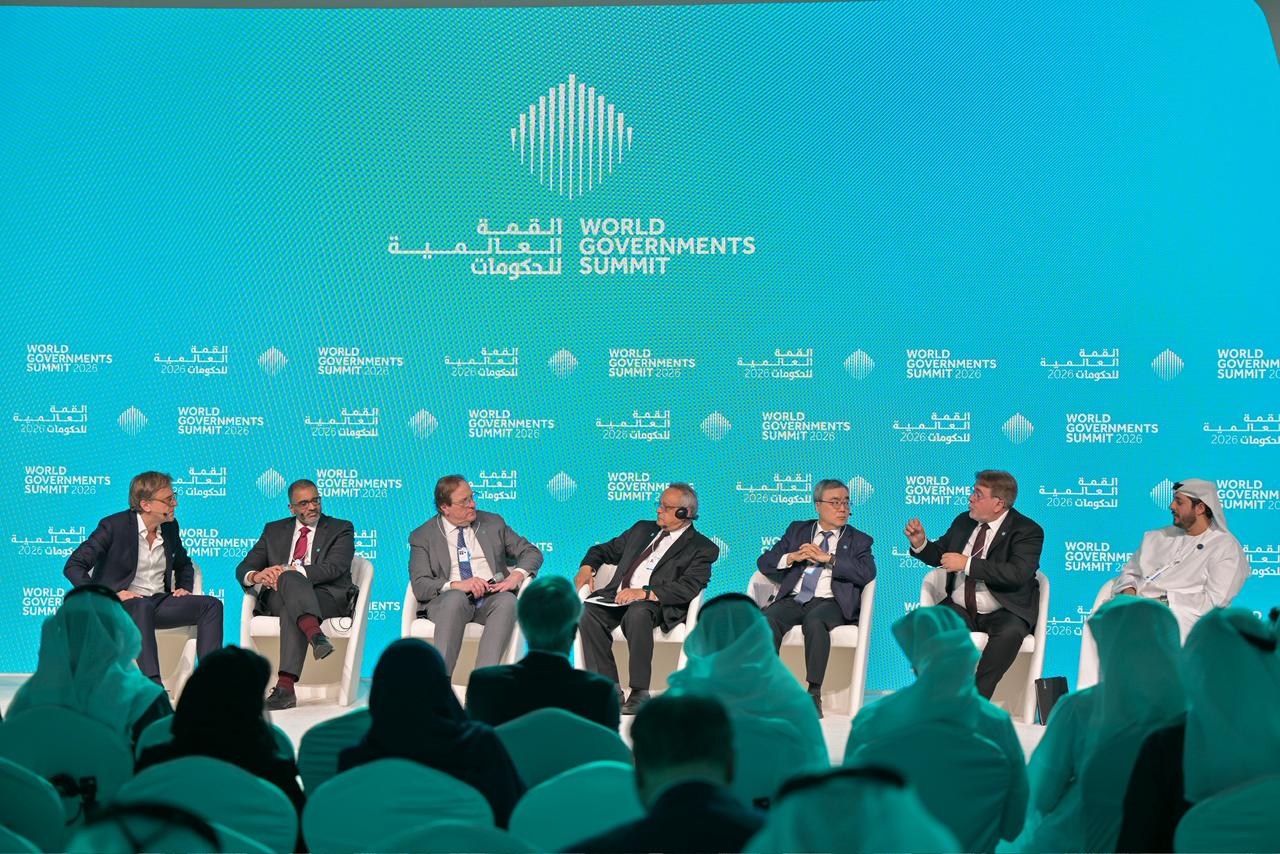
The session, moderated by Matthew Kaminski, Editorial Chair of Middle East Broadcasting Networks (United States), and hosted in the Roads and Transport Authority hall at the summit venue, featured the participation of Dr. Mohammed Al-Ali, CEO of TRENDS Research & Advisory; H.E. Ahmed Zayed, Director of Bibliotheca Alexandrina; Frederick Kempe, President and Chief Executive Officer of the Atlantic Council; Navin Girishankar, President of the Economic Security and Technology Department at the Center for Strategic and International Studies (CSIS); Dr. John Bruni, CEO of SAGE International; Prof. Huck-Ju Kwon, President of the Korea Institute of Public Administration; and Sultan Majed, Deputy Head of TRENDS Dubai Sector at TRENDS Research & Advisory.
Knowledge-Driven Policymaking
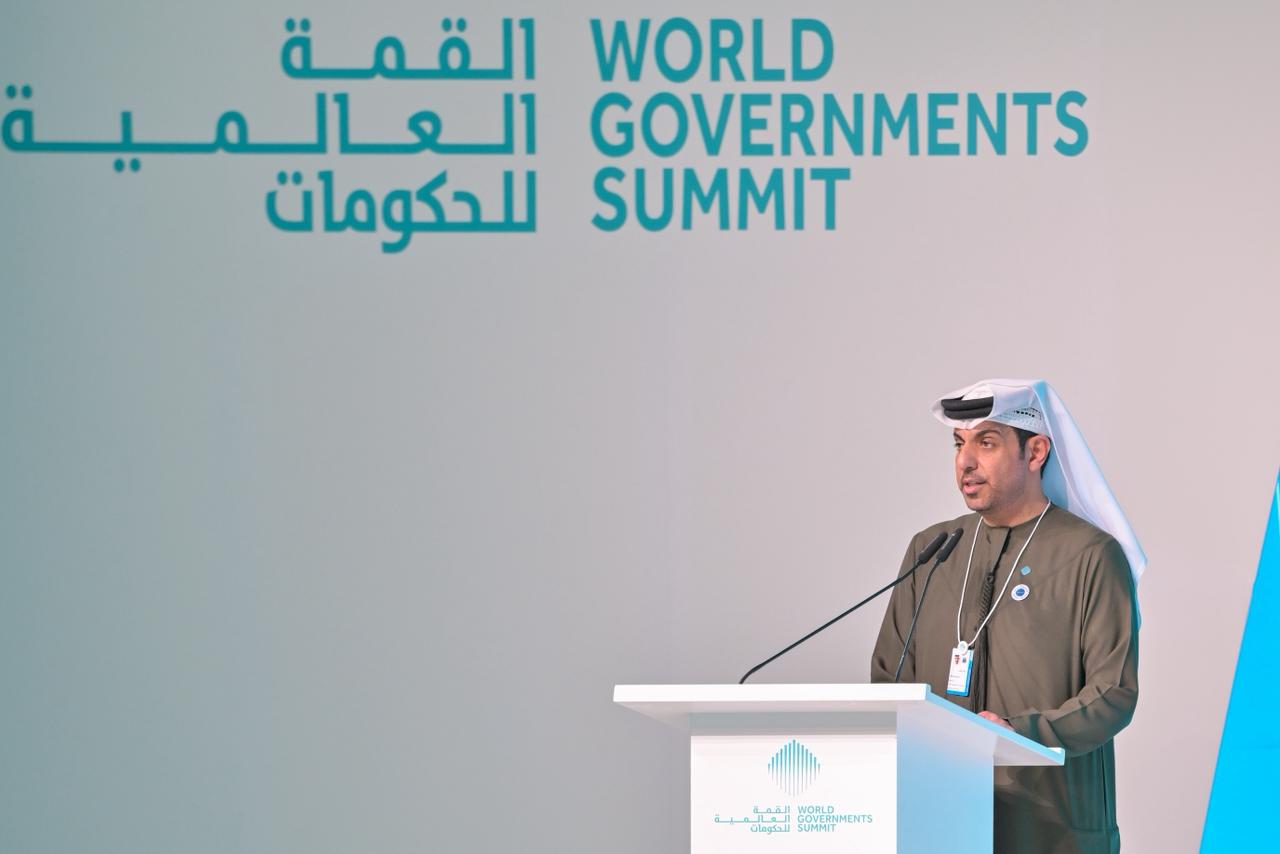
Dr. Mohammed Abdullah Al-Ali, CEO of TRENDS Research & Advisory, opened the session with a keynote address in which he stated that geopolitical, technological, and economic transformations no longer unfold along separate tracks, but have become intertwined, accelerated, and at times contradictory. He noted that the world is operating in an increasingly unstable international environment marked by diminishing certainties and intensifying competition over influence, resources, and knowledge. Power, he added, is no longer measured solely by military or economic capabilities, but by the ability of states and institutions to anticipate the future, manage risks, and formulate knowledge-based policies.
He explained that think tanks are playing a growing role not only as producers of research, but as strategic intermediaries between knowledge and decision-makers, and between academic analysis and the practical requirements of public policy. From this perspective, he outlined three interconnected global trends expected to shape the coming decade. The first involves a redefinition of security to encompass technological, economic, and knowledge dimensions, requiring more integrated governance models and multidisciplinary analytical tools to address emerging risks. The second trend is the intensifying technological competition as a strategic contest for influence, with advanced technologies and artificial intelligence increasingly determining global power dynamics. The third trend concerns the transformation of globalization toward more regionalized models that emphasize local contexts while preserving the logic of international cooperation.
Dr. Al-Ali further noted that amid these shifts, think tanks face a dual challenge: maintaining credibility and independence in a fragmented information environment while continuing to exert meaningful influence on public policy. Effective responses, he said, require moving beyond descriptive research toward strategic foresight, expanding cross-border partnerships, and communicating clearly through data-driven analysis. He concluded that a healthy relationship between governments and think tanks depends on trust, transparency, and respect for institutional independence, as the true value of think tanks lies in their role as critical yet constructive partners in policymaking.
Generating Reliable Knowledge
H.E. Professor Ahmed Zayed, Director of Bibliotheca Alexandrina, addressed the role of think tanks in strengthening evidence-based policymaking in an increasingly fragmented world. He reviewed the key factors shaping the modern information landscape, including widening time and space gaps, rapid technological advancement, unstable political and cultural contexts, the digital challenge, the decline of collective social tendencies in favor of individualism, and the erosion of ethical standards.
He emphasized that this reality poses a significant challenge to the design of strategies and public policies, as well as to the decision-making process. Accurate and reliable data are essential, he said, as is the generation of trustworthy knowledge and the formulation of precise, evidence-based policies and decisions. He added that evidence-based policymaking must draw upon all forms of data, particularly those collected and analyzed by research centers, which also develop roadmaps, policy papers, strategic plans, data-driven recommendations, and analytical reports covering economic, political, and social dimensions.
Prof. Zayed explained that think tanks are advancing a new model of knowledge production and policymaking, grounded in the growing importance of expertise in managing globalized societies exposed to complex risks. In his view, think tanks have transformed ideas into an industry, replacing the traditional model of the public intellectual with that of the thought leader, a model better suited to the fast-paced nature of uncertainty and risk in today’s world.
Attracting Young Talent
Frederick Kempe, President and Chief Executive Officer of the Atlantic Council, addressed the key global trends that are expected to shape geopolitics, economic security, and governance over the coming decade. He noted that there are different types of think tanks around the world, explaining that in the United States, some are closer to the Democratic Party and others to the Republican Party, while the Atlantic Council operates in a spirit of bipartisan consensus and maintains its independence. He said that the Atlantic Council seeks to work with partners and allies to help shape the world, but stressed that this requires recruiting talent from among them.
He highlighted the need to attract professionals from the Middle East, Europe, and Asia, as well as to focus on young talent. He pointed to the Atlantic Council’s Millennium Leadership Program, dedicated entirely to individuals under 35, and its Young Global Professionals internship program. Kempe revealed that 65 percent of the Atlantic Council’s total workforce of 300 employees are under 35, underscoring the institution’s commitment to preparing a new generation of leaders while continuing to engage with international partners and collaborate closely with the United States.
Critical Funding Challenges
Prof. Huck-Ju Kwon, President of the Korea Institute of Public Administration, examined the role of think tanks from a public administration perspective. He described think tanks as specialized organizations that draw on expertise and innovative ideas to support and effectively influence public policymaking, serving as a crucial bridge between academic research and policy implementation. However, he noted that they face significant funding challenges. He explained that when South Korea launched ambitious economic development plans in the 1970s, the government recognized the need to design systematic, evidence-based policies that went beyond traditional bureaucratic expertise. This created demand for specialized policy experts from outside the government, including Korean expatriates with international experience.
Prof. Kwon added that economic policy think-tanks in South Korea form the backbone of strategic planning, covering areas ranging from macroeconomic management to industrial transformation and global economic integration. Meanwhile, social policy research institutes address critical issues related to employment, welfare, gender equality, and skills development, shaping policies that affect the lives of millions of citizens. Specialized research centers, he noted, focus on challenges unique to South Korea in fields such as environmental sustainability, agricultural modernization, and marine resource management, striving to balance economic development with environmental preservation.
Expanding Strategic Horizons
Dr. John Bruni, CEO of Australia’s SAGE International, spoke about fiscal policy and the role of research centers, explaining that governments today do not suffer from a lack of information, but rather from a growing deficit in decision clarity under pressure. He noted that effective think tanks function as strategic support institutions rather than advocacy platforms or political actors. Their real value lies in broadening strategic perspectives, stress-testing assumptions, and identifying long-term trade-offs before final decisions are made.
He added that objectivity in this context means disciplined analysis that serves national decision-making, not detachment from national interests. He stressed that the most effective advisory relationships are continuous rather than transactional, built on trust, confidentiality, and transparency. Well-integrated think tanks strengthen governance by helping leaders see the full scope of their choices and make decisions with a forward-looking perspective. By contrast, politicization and narrative-driven analysis undermine the usefulness of think tanks for policymakers.
The Biotech Revolution
Navin Girishankar, President of the Economic Security and Technology Department at CSIS in the United States, said that America has previously rebuilt its competitive advantages not through centralized direction, but through coordinated action between the public and private sectors. He pointed to the success of the Defense Advanced Research Projects Agency (DARPA) in creating the internet, the biotechnology revolution sparked by the Bayh–Dole Act, and the electrification of rural areas, all of which were driven by the combined efforts of government, the private sector, universities, and the workforce.
He noted that 2025 served as a wake-up call for the United States, but stressed that 2026 demands immediate action. Either Congress and the executive branch must unite around technological leadership, or they risk descending into trade wars and political skirmishes that would erode advantages other countries cannot replicate. He warned that inaction could prevent emerging American technologies from scaling due to the “missing middle” in industrial capacity. Early steps toward establishing a technological prowess fund could help build trust among allies and supply chain partners. He further argued that the United States must strengthen its innovation capabilities across technology sectors, make “speed to scale” the organizing principle for infrastructure enablement and technology deployment, and defend its domestic and international networks of innovators against commercial and malicious threats.
Bridging Government Skills Gaps
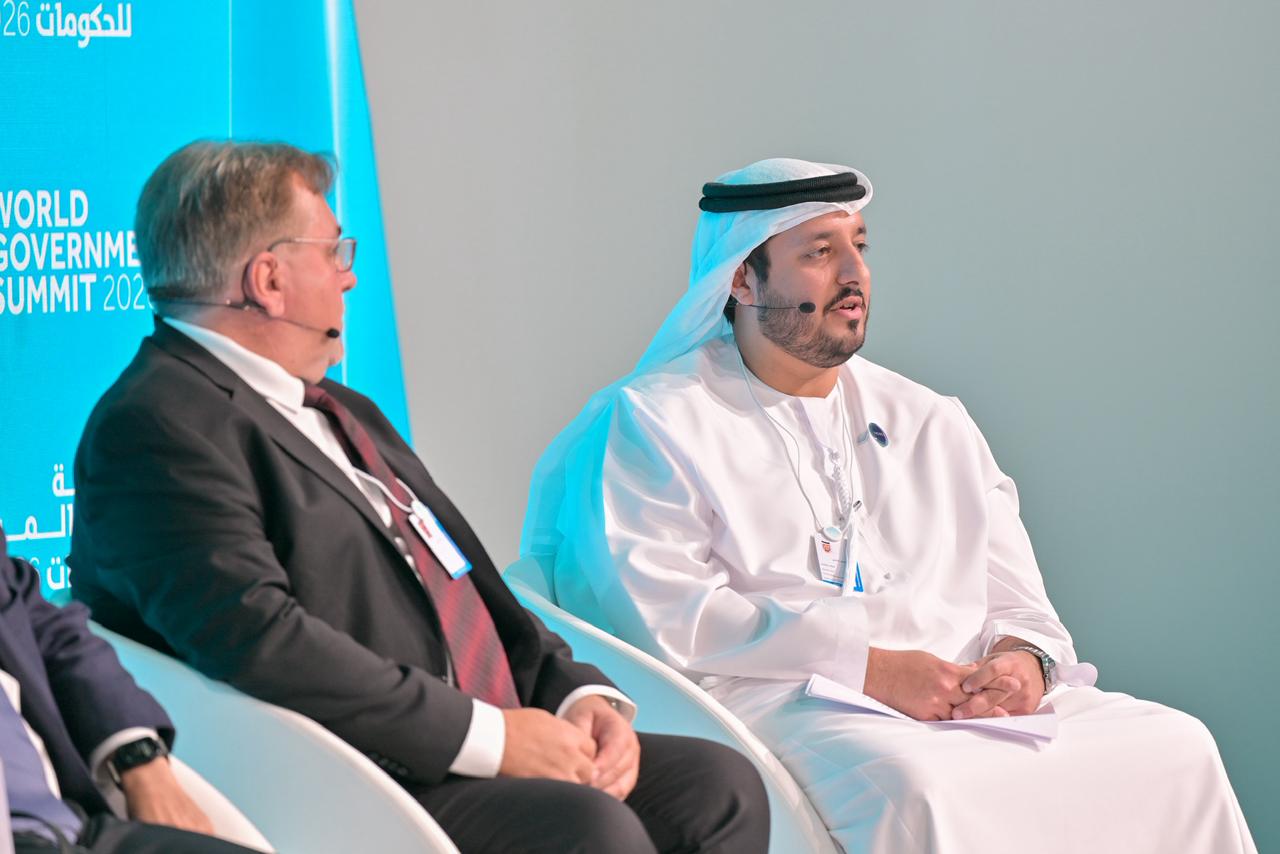
Sultan Majed, Deputy Head of TRENDS Dubai Sector at TRENDS Research & Advisory, addressed the role of think tanks in bridging future government skills gaps and building capacity quickly and effectively. He emphasized that governments worldwide are facing a severe and widespread skills shortage, leaving public institutions insufficiently prepared to manage rapid technological change, growing policy complexity, and systemic uncertainty.
He identified the most critical future skills gaps hindering effective governance as strategic foresight, systems thinking, and adaptive decision-making. He argued that traditional public-sector capacity-building methods, based on slow, bureaucratic training or workforce expansion, are simply inadequate to keep pace with the pace of change.
Majed highlighted that think tanks, as agile actors at the intersection of knowledge and policy, are uniquely positioned to build these capabilities rapidly through integrated partnerships, policy labs, and talent exchange models. He added that one practical way to enhance the strategic capabilities of the public sector without increasing permanent staffing is to leverage think tanks’ comparative advantages in synthesis, experimentation, and flexibility, thereby strengthening institutional resilience and anticipatory capacity.

