


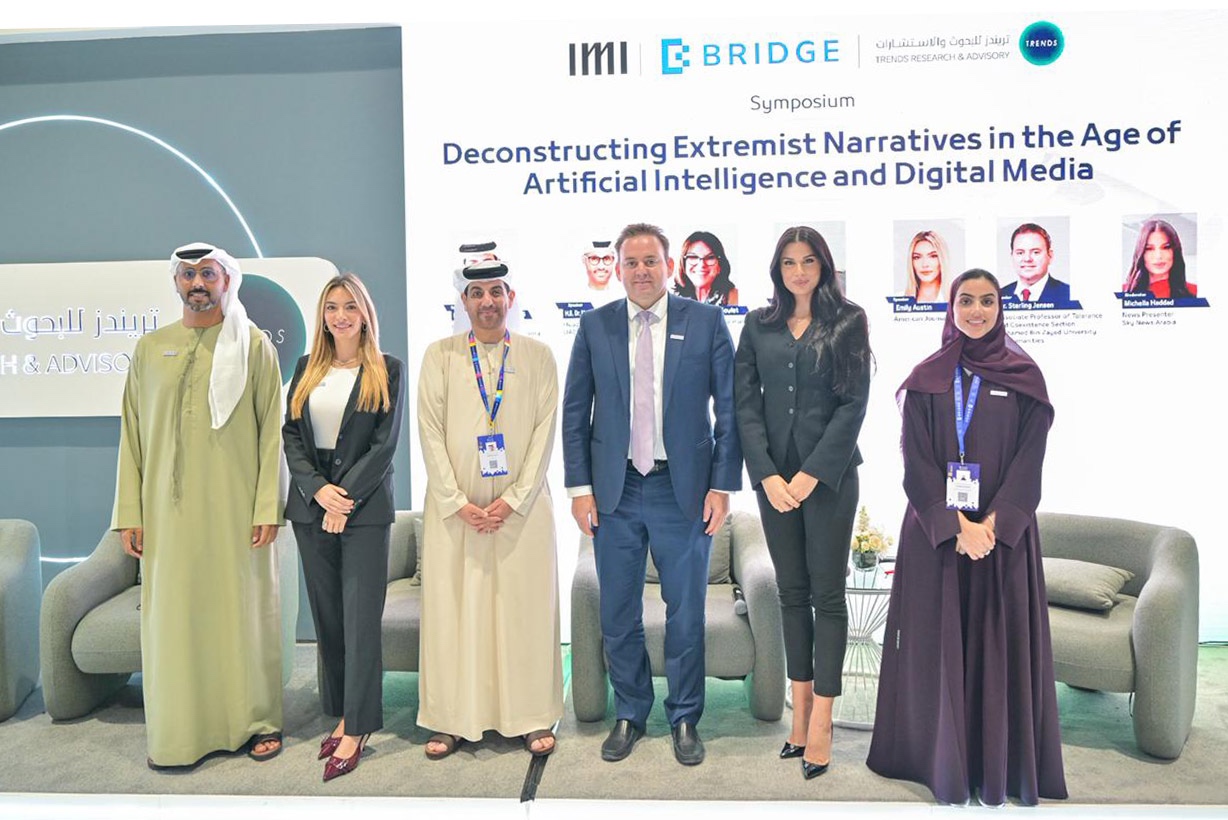
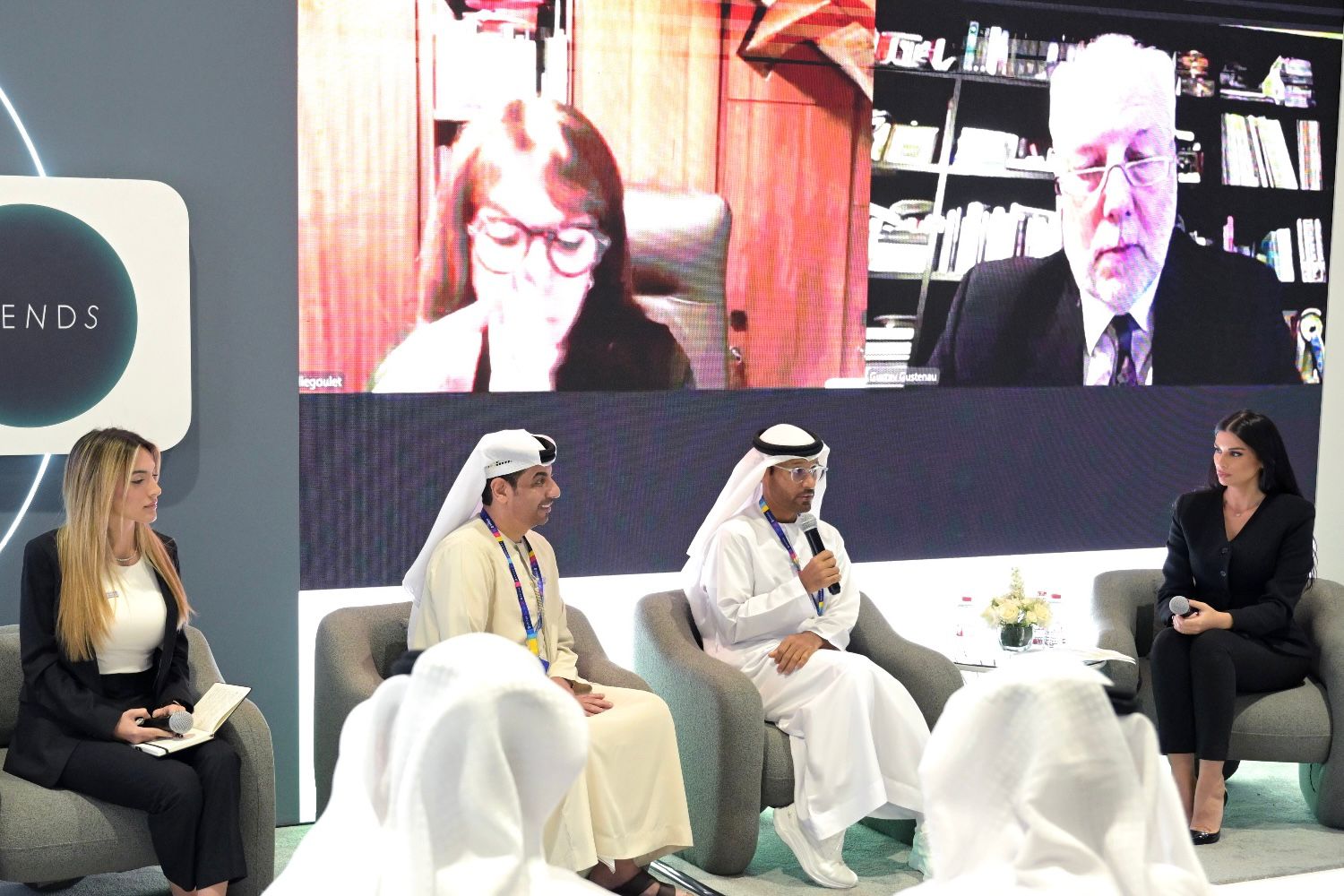
As part of its participation in BRIDGE Summit 2025, the world’s largest gathering for media and digital content, TRENDS Research & Advisory, in collaboration with IMI Media Group, organized an international symposium titled Deconstructing Extremist Narratives in the Age of Artificial Intelligence and Digital Media. The event brought together a distinguished group of experts, academics, and media professionals.
From the Street to the Screen
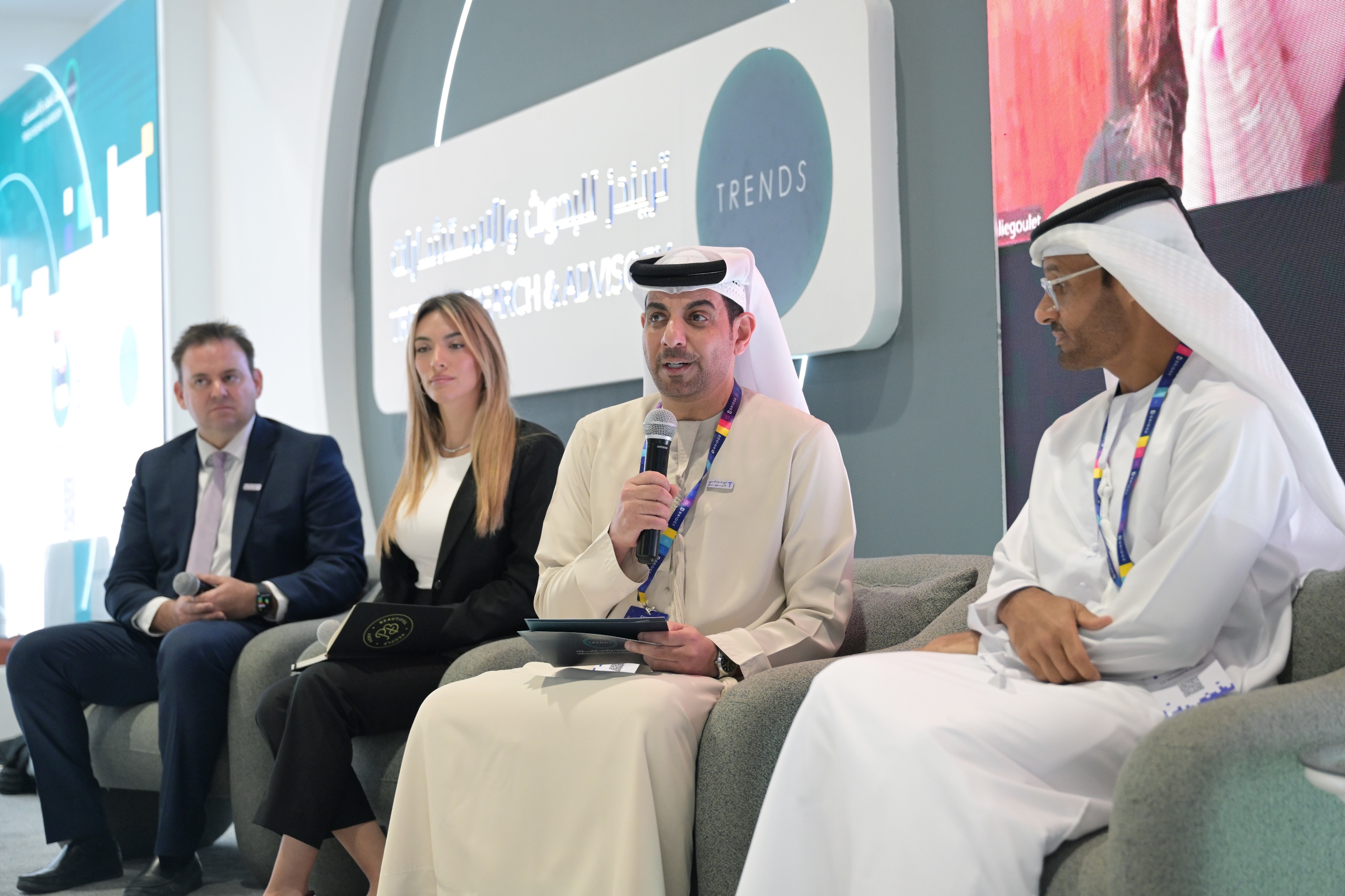
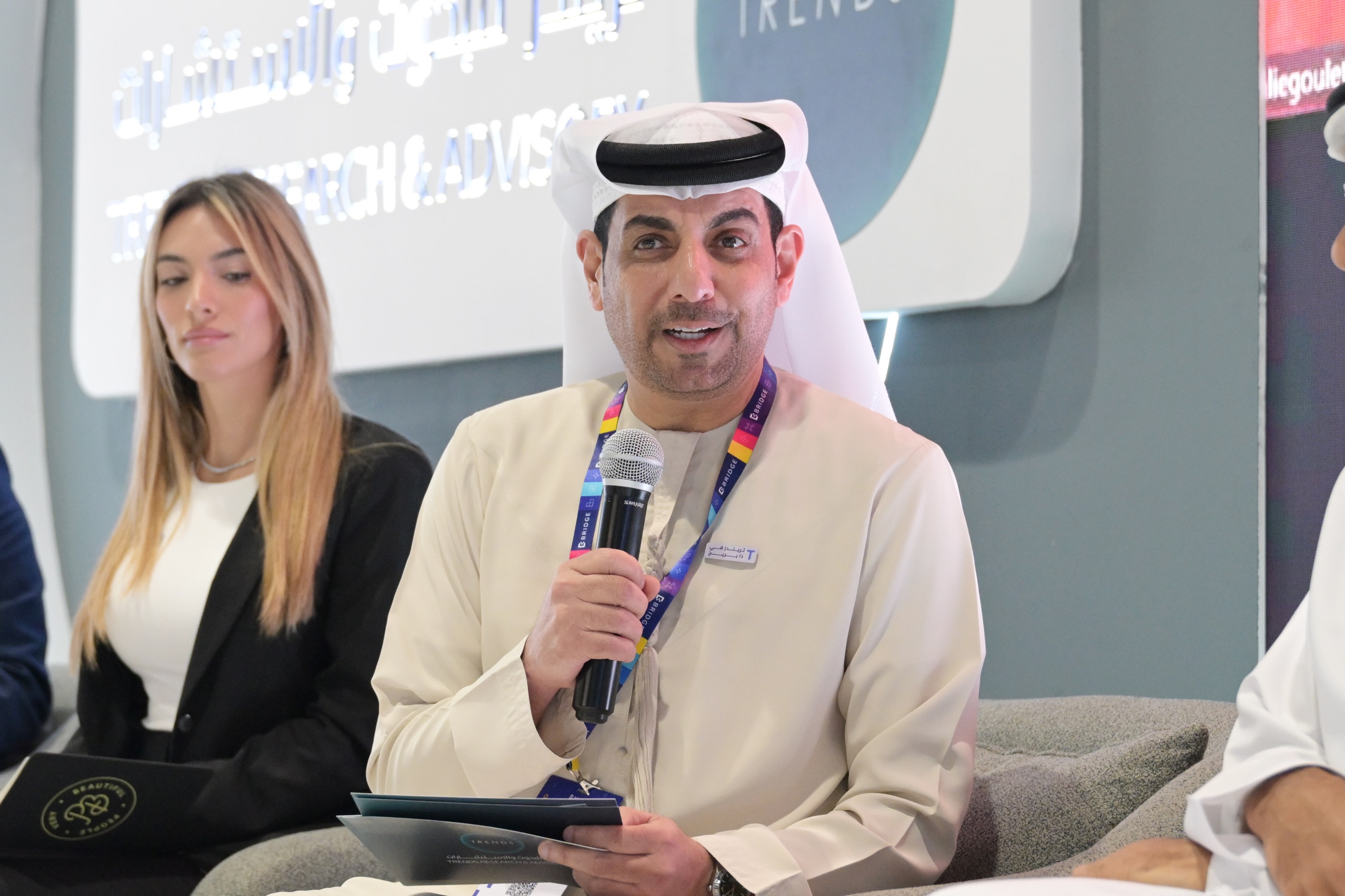
The symposium opened with remarks by Dr. Mohammed Abdullah Al-Ali, CEO of TRENDS, who emphasized that extremism is no longer driven by direct interaction but has shifted to concealed digital spaces that are increasingly difficult to monitor. He explained that extremist groups now possess unprecedented capabilities to segment content and target particular audiences, particularly young people and consumers of short-form media.
Dr. Al-Ali noted that TRENDS is working to leverage knowledge to deconstruct extremist discourse and develop alternative narratives that promote peace and moderation, and expressed appreciation for the efforts of international partners and symposium participants.
He added that confronting this “soft extremism” requires multiple pillars, including education, media, legislation, and research analysis, stressing that building broad intellectual resilience is the most crucial long-term solution.
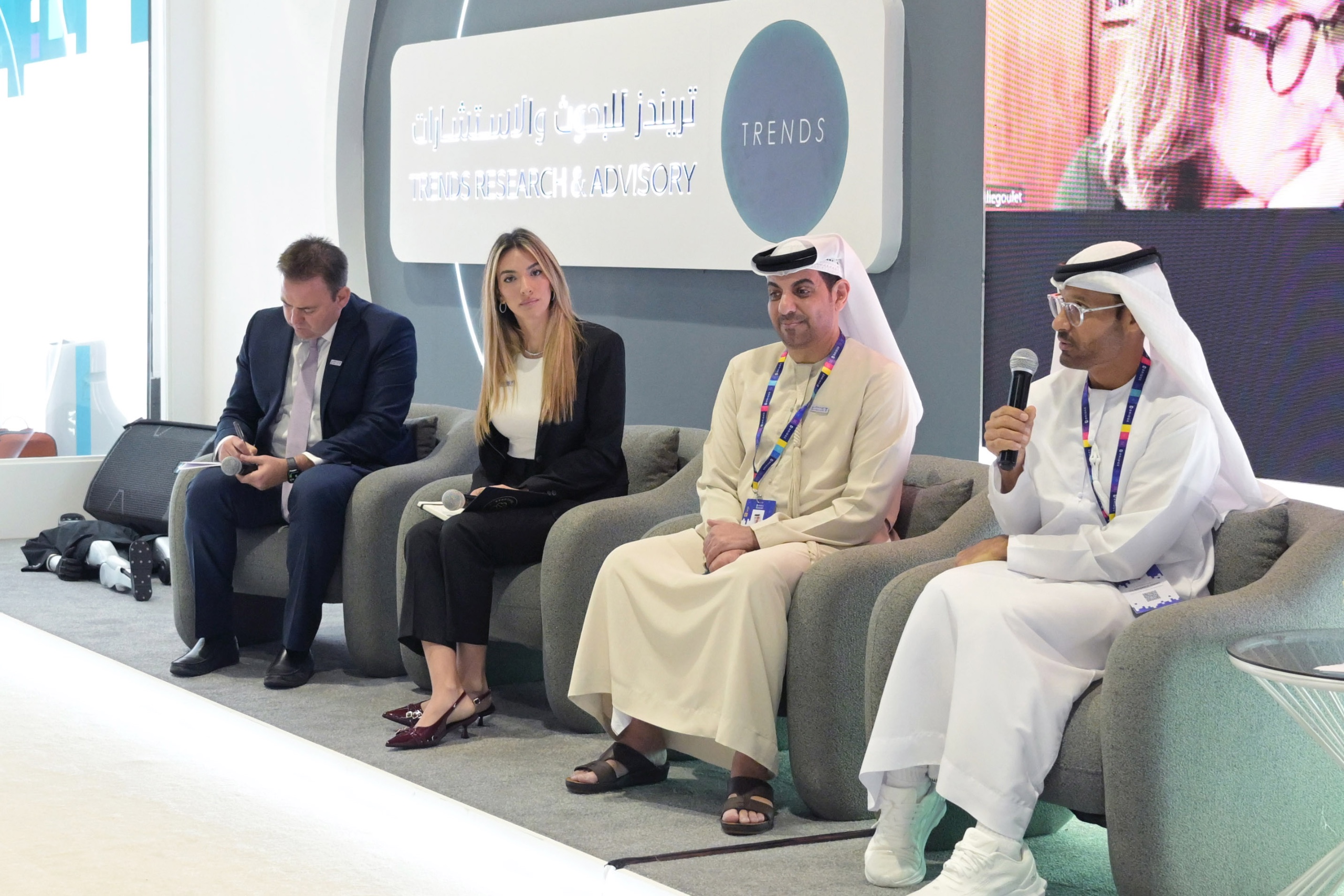
The symposium featured several speakers who offered deep analytical insights into the evolving dangers posed by extremist narratives in the artificial intelligence (AI) and digital communication environment and proposed a set of strategic solutions to counter them.
Participants in the symposium included H.E. Dr. Mohamed Hamad Al-Kuwaiti, Chairman of the UAE Cyber Security Council; Senator Nathalie Goulet, Senator of Orne (Normandy) in the French Senate; Gustav Gustenau, Secretary General of the European Institute for Counter Terrorism and Conflict Prevention (EICTP); American journalist Emily Austin; and Dr. Sterling Jensen, Associate Professor of Tolerance and Coexistence Section at Mohamed Bin Zayed University for Humanities.
Open Digital Warfare
The discussion was moderated by Michella Haddad, News Presenter at Sky News Arabia, who outlined the nature of contemporary digital threats and stressed that the world is currently living in a “digital war zone,” where battles are waged through content, software, and algorithms rather than traditional armies.
Haddad noted that extremist groups have exploited the digital environment in unprecedented ways, gaining the ability to disseminate their messages widely without needing any physical presence. She emphasized that “a single click on a phone is now enough to push a radical message to thousands of people within seconds.”
She underscored that the media today plays a central role in confronting these narratives, not only through reporting but also through analysis and by exposing the hidden frames that fuel hate-driven content, highlighting the importance of public awareness and Self-monitoring.
Haddad added that successfully countering digital extremism depends on the ability of research institutions, media platforms, and policymakers to collaborate, describing the symposium as “an important intellectual milestone for charting a real roadmap to confront this escalating challenge.”
Cybersecurity as a Project
H.E. Dr. Mohamed Al-Kuwaiti delivered a comprehensive overview of the UAE’s digital security systems, emphasizing that the country’s success in topping global cybersecurity indicators is the result of an integrated ecosystem involving society, educational institutions, technology companies, and security agencies.
He explained that digital extremism today targets not only information infrastructure, but also the collective awareness system, with extremist groups relying on information manipulation, content recycling, and emotional polarization to generate reactions filled with doubt and hostility.
He called for the development of digital prevention programs that help build a protective knowledge shield that precedes any technical solutions.
A Muslim Brotherhood Hybrid Model
Gustav Gustenau, Secretary General of the European Institute for Counter Terrorism and Conflict Prevention, presented findings from an analysis on how the Muslim Brotherhood employs digital communication. He explained that the group operates through gradual strategies that begin with constructing a charitable image and ultimately evolve into producing narratives that undermine the state and society.
He noted that the group’s most dangerous tool is what he described as “communication jihad,” meaning the intensive, professional use of digital platforms to build digital audiences, not only for immediate mobilization but also as a future reserve to activate protests or exert political pressure.
He stressed the need to counter hybrid extremist organizations through specialized analysis centers that focus not only on content but also on the organized networks that produce it.
Platforms Bear legal Responsibility
Senator Nathalie Goulet emphasized that a significant portion of the threat posed by digital extremism stems from the absence of accountability among major platforms, which have effectively become unofficial editors of online content.
She explained that artificial intelligence prioritizes content based on its circulation volume rather than its accuracy or ethical value, giving extremist material greater visibility than educational or awareness-raising content.
She called for clear legislation that holds platforms responsible for the content they disseminate, especially material targeting minors and minority groups, stressing that “rethinking the legal framework is a core part of the battle against invisible extremism.”
Critical Thinking is Essential
Dr. Sterling Jensen addressed the educational and psychological dimensions of countering digital extremism, noting that young people now rely on AI to search for information without the ability to assess its credibility.
He explained that the absence of real-world social experiences allows distorted narratives to take root, creating closed ideological environments.
He emphasized the need to incorporate skills for analyzing media messages and distinguishing fact from claim into school and university curricula, stressing that “intellectual resilience is the strongest weapon before any technical safeguards.”
The speakers discussed the importance of integrating narrative-analysis mechanisms with AI, adopting comparative methodologies to track how extremist content evolves, and developing models capable of predicting dissemination patterns and levels of influence. The symposium concluded with recommendations highlighting the need to strengthen cooperation between think tanks and global technology companies, build specialized knowledge-monitoring networks to track misleading narratives, design educational curricula that promote critical thinking rather than passive consumption, and develop interactive initiatives targeting youth within digital gaming environments, short content ecosystems, and AI platforms.
