


The symposium discussed the rise of middle powers amid an international order characterized by multipolarity.
TRENDS Research & Advisory hosted a strategic symposium at its headquarters in Abu Dhabi titled Global Security Transformation: Central Europe-Turkey-GCC Partnership. The symposium discussed the rise of middle powers amid an international order characterized by multipolarity and the declining effectiveness of traditional alliances. It brought together an elite group of researchers and policymakers from Ludovika University of Public Service, the Danube Institute, TRENDS researchers, with organizational support from TRENDS’ Virtual Office in Turkey.
In the opening session, participants stressed that TRENDS’ hosting of this dialogue reflects the United Arab Emirates’ position as a global hub of influence and an effective bridge between East and West. They noted that 2026 represents a decisive moment in navigating global uncertainty, as countries such as the UAE, Turkey, and Hungary seek to balance their interests within an emerging international order by moving away from rigid bloc politics toward flexible partnerships based on shared interests.
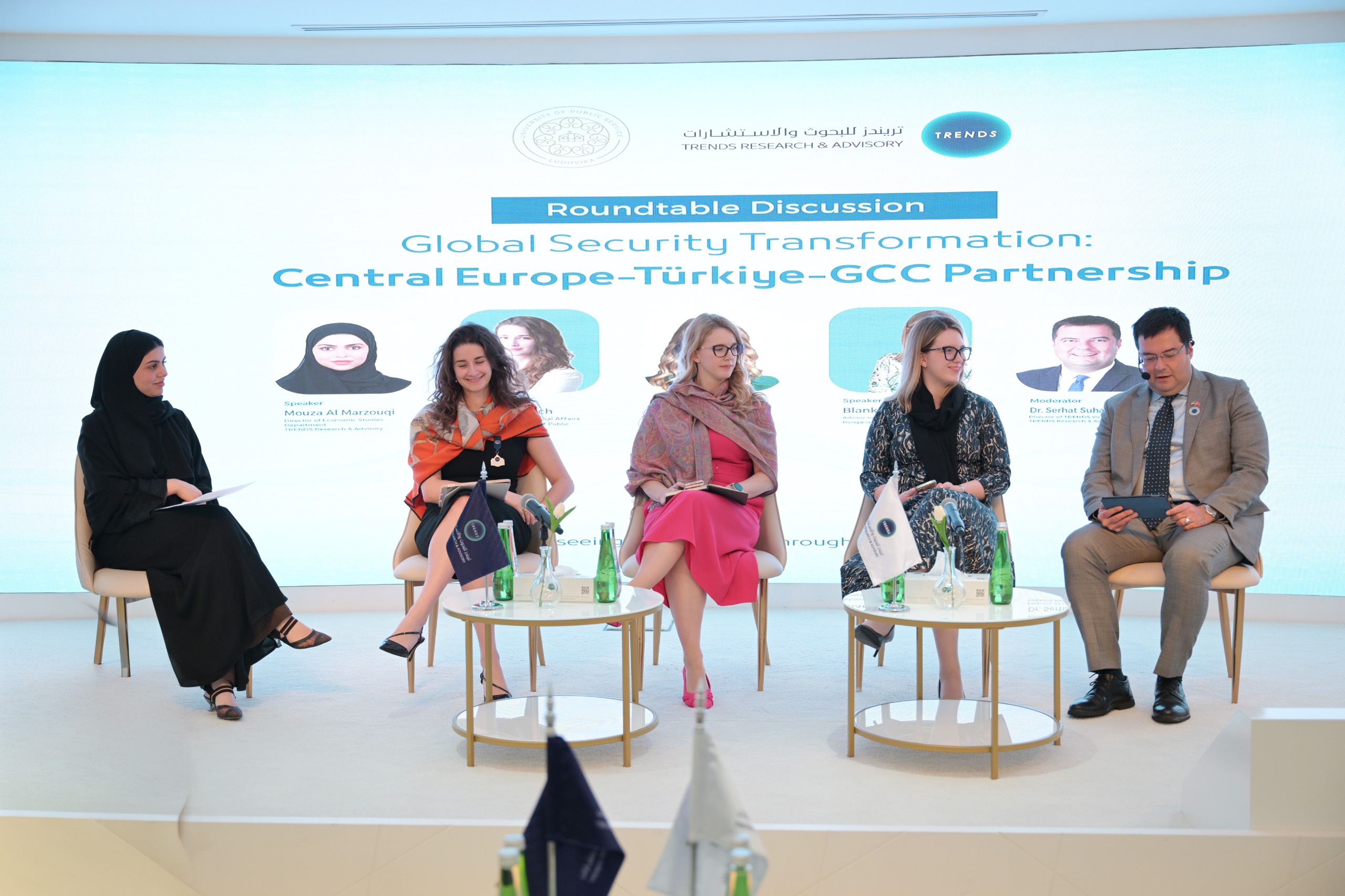
Drivers of the New International Order
The symposium sessions emphasized that Central European countries, including Hungary, Poland, and Slovakia, as well as Gulf Cooperation Council states, are no longer peripheral actors in international politics. Instead, they have become influential forces actively shaping the trajectories of a multipolar global system.
Ms. Liliana Śmiech of Ludovika University of Public Service noted that the U.S.–China rivalry has prompted Europe to rethink the concept of strategic autonomy, pointing out that the Gulf states represent ideal partners for diversifying Europe’s partnerships beyond traditional frameworks.
Ms. Noémi Pálfalvi of the Danube Institute explained that the war in Ukraine has reshaped threat perceptions across Europe and pushed Central European countries to seek new forms of engagement with Gulf states, particularly in energy security and supply chains, away from traditional international bureaucracies.
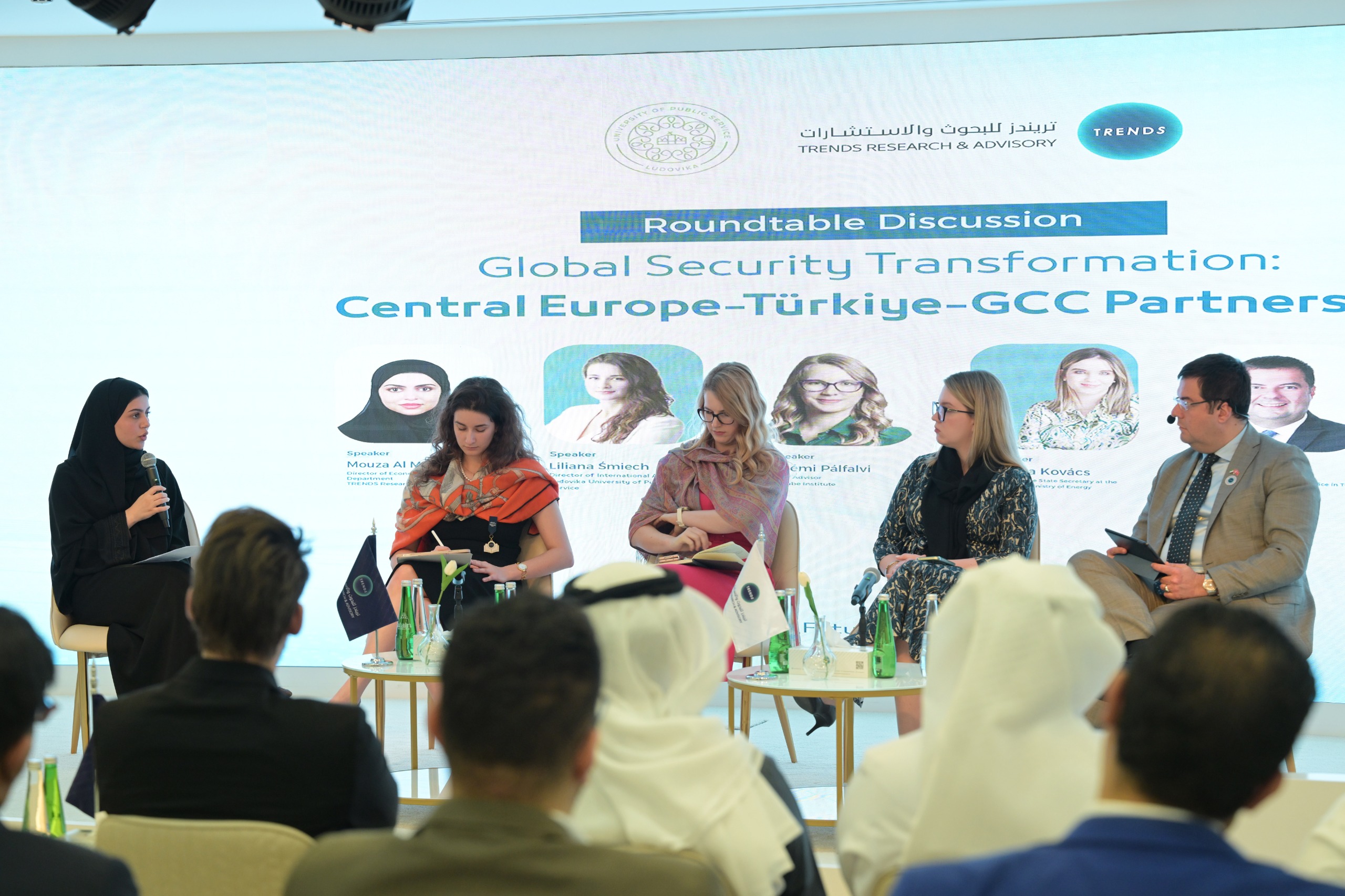
Economic Vision
TRENDS presented an in-depth analytical vision of the prospects for economic partnership between the Gulf and Central Europe. In this context, Ms. Mouza Hasan Al Marzouqi, a researcher at TRENDS, raised key questions about how Central European countries can be factored into Gulf strategies for supply-chain resilience and industrial diversification. She emphasized that the energy, defense, and logistics sectors provide a solid foundation for a sustainable partnership between the two sides.
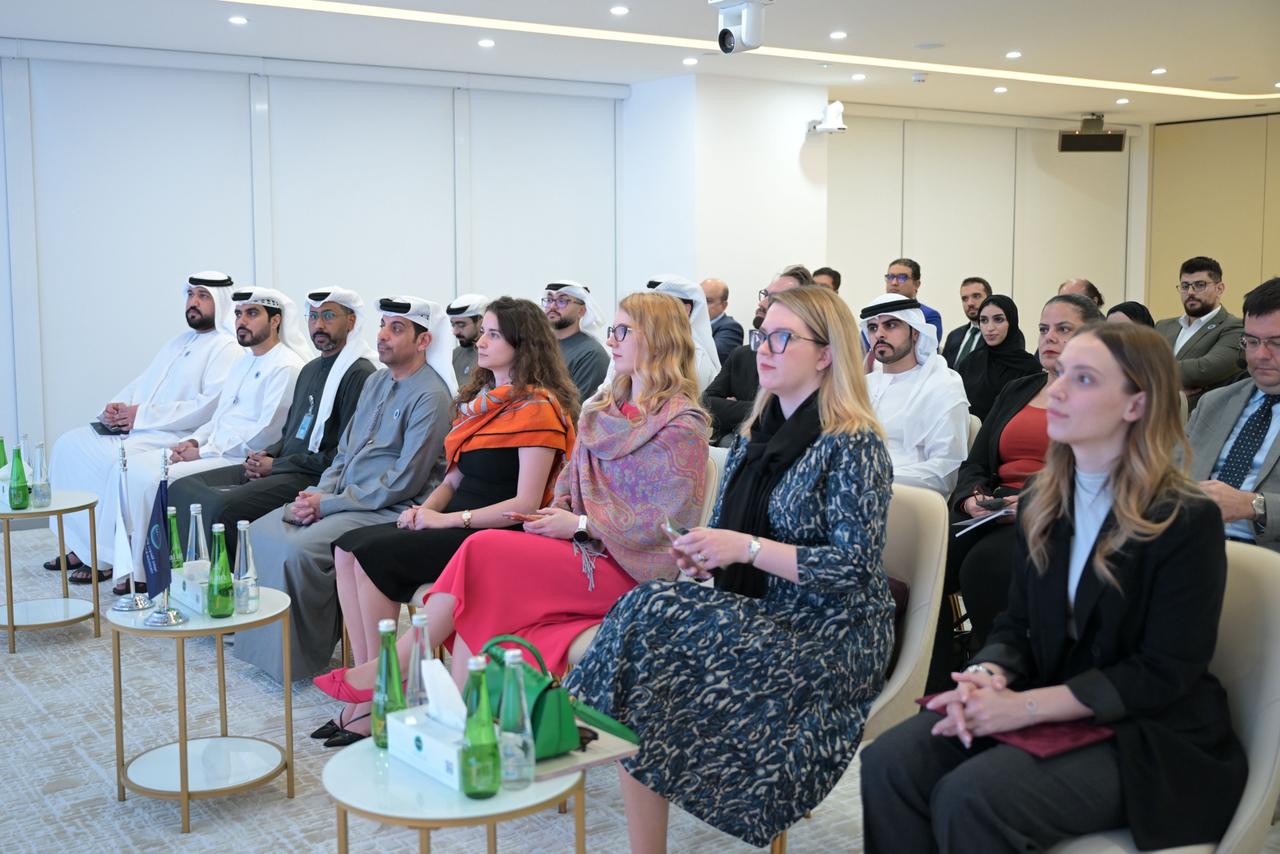
Energy and Strategic Corridors
Experts discussed the importance of strategic economic corridors, such as the Middle Corridor and the Three Seas Initiative. Ms. Blanka Benkő-Kovács noted that these projects are not merely trade routes, but also serve as sovereign tools to enhance protection against geopolitical shocks and sanctions. She highlighted the pivotal role of Gulf states as major energy producers, alongside Central Europe’s role as a vital hub for the distribution and regulation of hydrogen and liquefied natural gas.
The symposium also shed light on Turkey’s role as a strategic bridge linking the Gulf and Central European spaces, particularly in industrial and defense cooperation. Participants observed that Turkey’s approach to achieving strategic autonomy within the North Atlantic Treaty Organization (NATO) closely aligns with the Gulf and Hungarian approaches to building balanced relations with major powers, without falling into absolute dependence on any side.
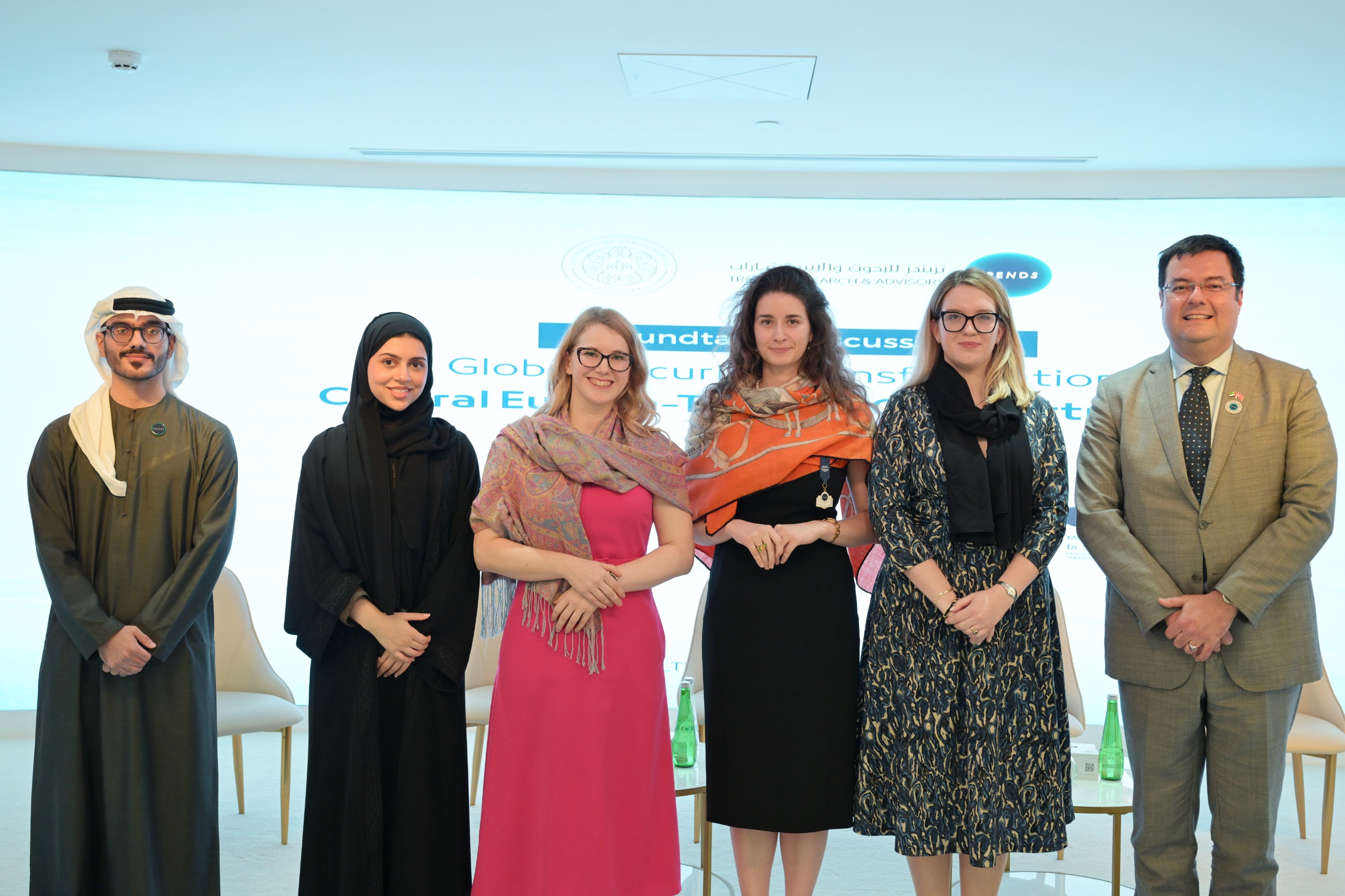
The symposium concluded by underscoring the vital role played by think tanks, foremost among them TRENDS Research & Advisory, in building bridges of dialogue across different geopolitical regions. Participants agreed that the core strength of cooperation between Central Europe, Turkey, and the Gulf lies in its flexibility and its ability to form issue-based coalitions focused on specific priorities, such as technology security and critical minerals, rather than engaging in ideological conflicts. This approach, they noted, contributes to enhancing stability and shaping the contours of the new international order.
