


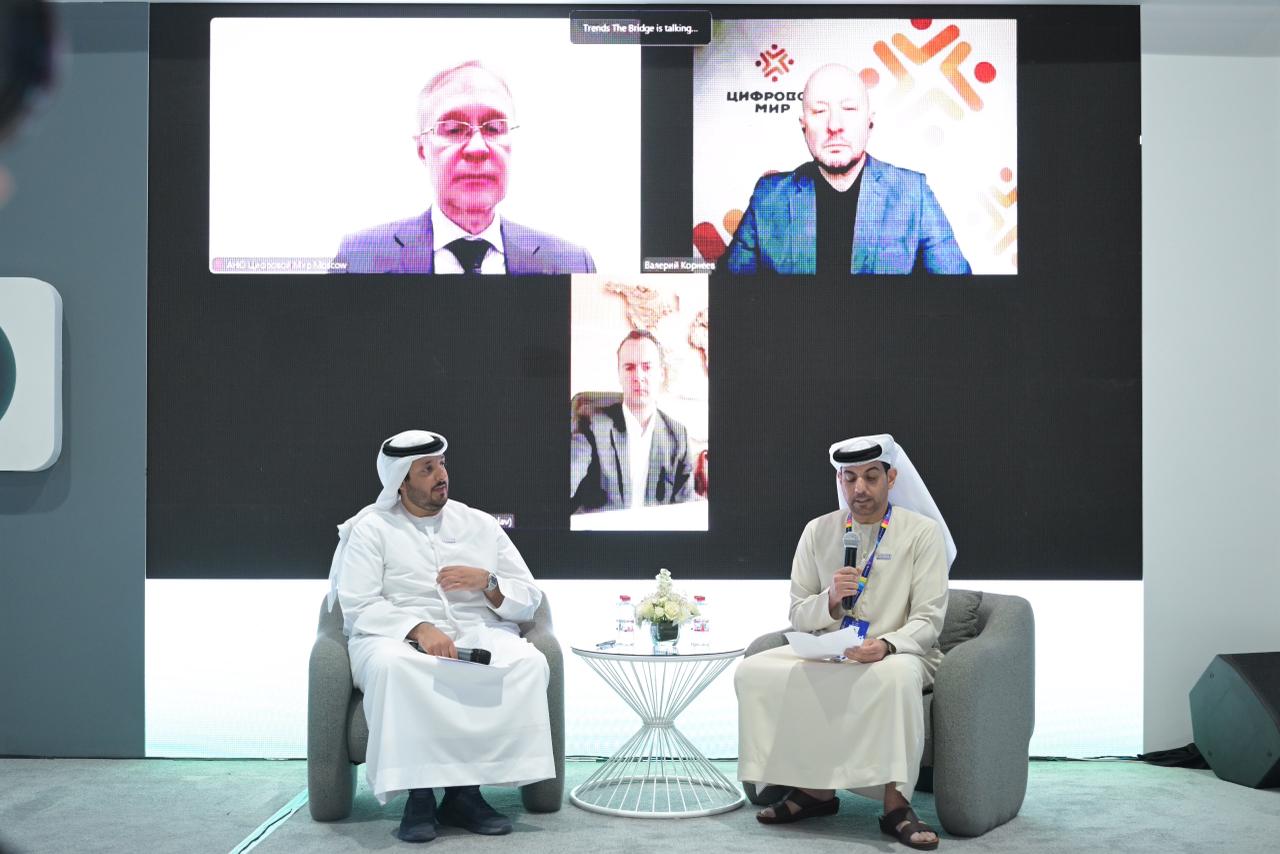
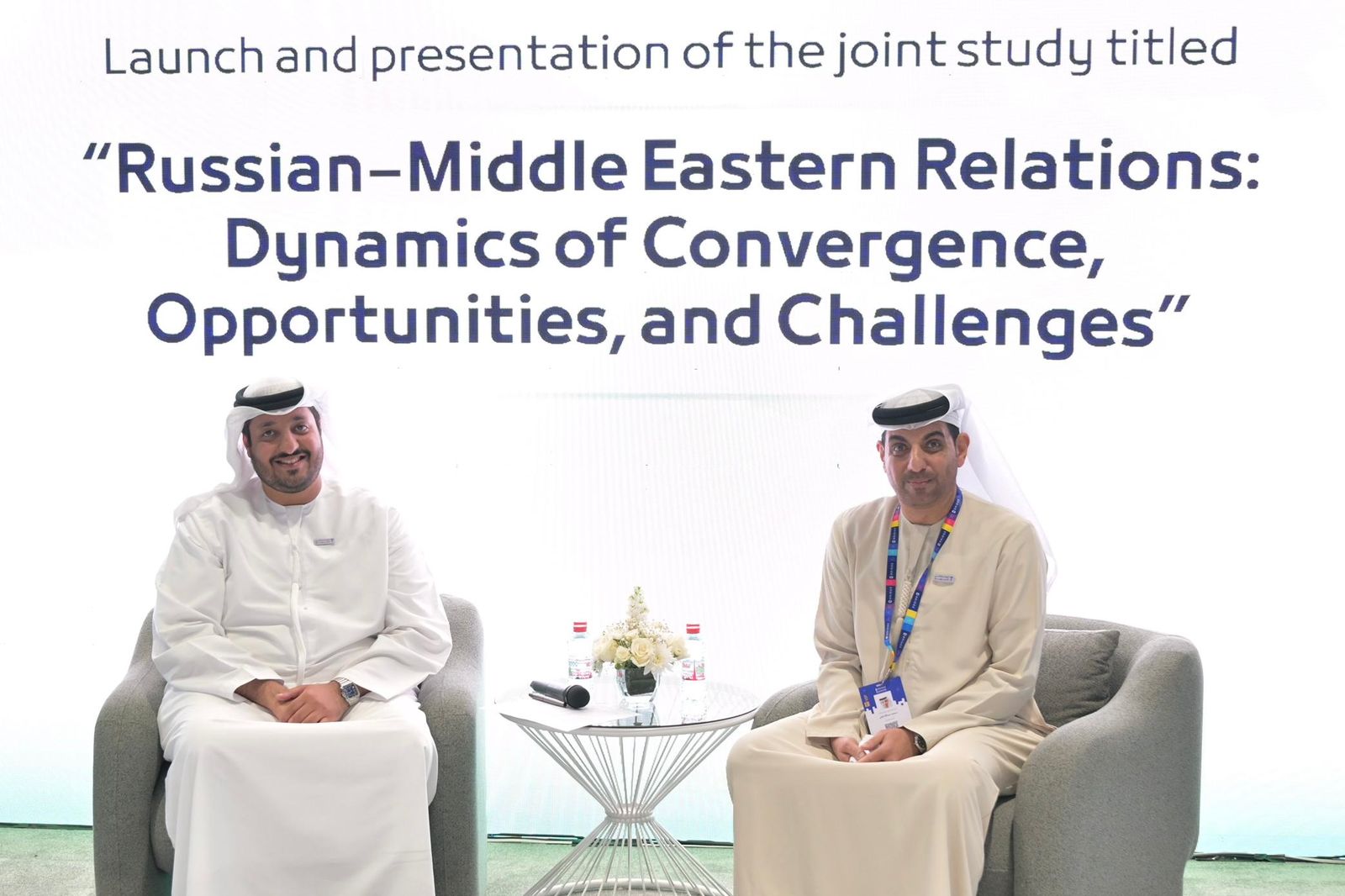
A recent study «Russian-Middle Eastern Relations: Dynamics of Convergence: Opportunities and Challenges» prepared by TRENDS Research & Advisory in cooperation with Digital World, has claimed that the United Arab Emirates has played a pivotal role in strengthening relations between Middle Eastern countries and Russia. This contribution has created thriving opportunities for cooperation and has reinforced ties based on mutual respect, shared interests, and unified strategies to address future challenges.
The study Launched on the sidelines of the global BRIDGE Summit in Abu Dhabi, and aims to provide a comprehensive overview of opportunities and mechanisms for overcoming challenges, and of prospects for relations between the Russian Federation and the Middle East. It also examines the strategic trajectory of UAE–Russia relations, describing them as a unique model of “hybrid diplomacy” characterized by flexibility and multidimensionality within a framework that combines economic pragmatism, cultural influence, and adaptive strategic behavior.
Economic and Financial Ties
The joint study indicates that economic and financial relations constitute the keystone of the UAE–Russia partnership, with trade between the two countries exceeding USD 12.2 billion in 2024. This reinforces the UAE’s position as Russia’s largest trading partner among the GCC countries, while UAE investments in Russian manufacturing, transport, and finance have surpassed USD 16 billion.
The share of the UAE dirham in bilateral trade settlements rose to approximately 45 percent in the first half of 2025, signaling a gradual decline in reliance on the US dollar and a rise in financial sovereignty. The UAE–Russia partnership was further consolidated through the signing of the Comprehensive Economic Partnership Agreement between the Eurasian Economic Union and the UAE in June of this year, in addition to the Trade in Services and Investment Agreement concluded in August of last year.
A rigorous scientific methodology
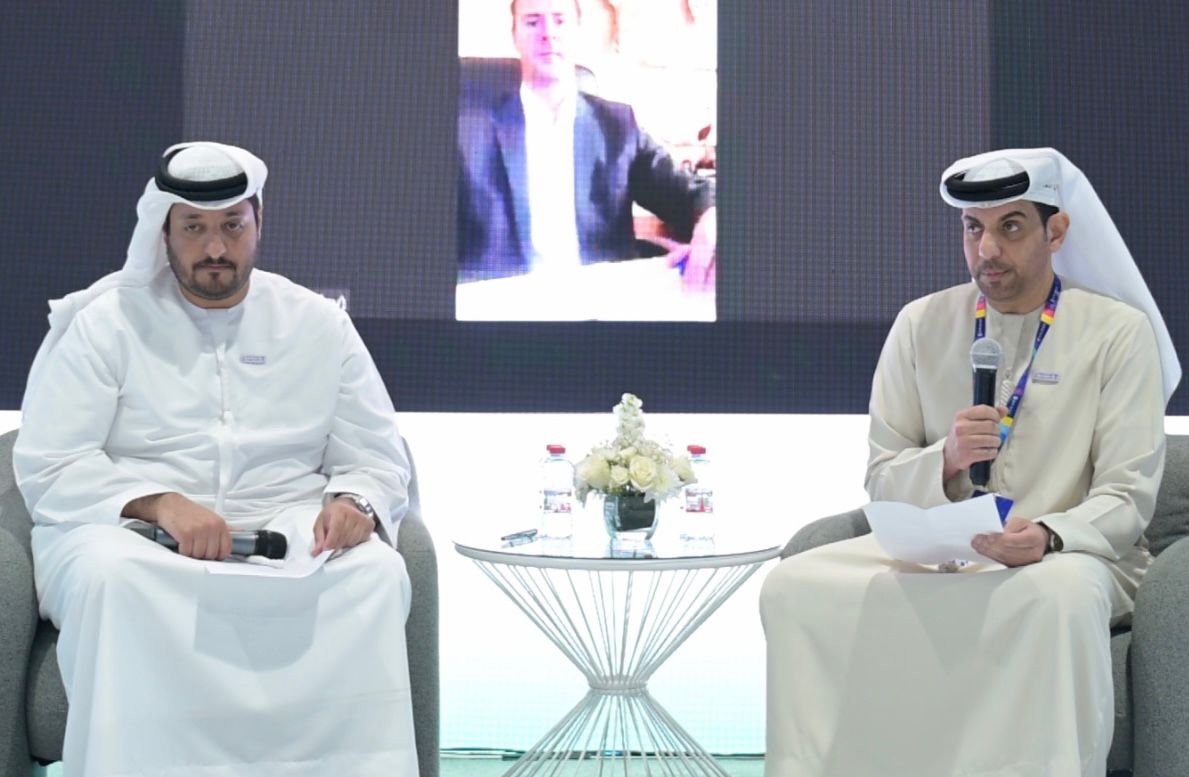
Dr. Mohammed Abdullah Al Ali, CEO of TRENDS Research & Advisory, stated that the preparation of this joint study was carried out using a rigorous scientific methodology. The research team examined the evolution of relations between Russia and Middle Eastern countries-particularly the United Arab Emirates-through a comprehensive analysis of their political, economic, cultural, and technological dimensions. The study also highlights the opportunities available to deepen cooperation in the fields of energy, innovation, and advanced technologies, in addition to the human and cultural ties that help strengthen mutual understanding and enhance communication between societies.
He noted that TRENDS emphasizes that institutional research partnerships are a fundamental pillar in producing knowledge with real added value. Collaboration between think tanks and international research institutions-such as the ongoing partnership with Digital World-helps broaden perspectives and contributes to building a deeper knowledge base capable of interpreting rapidly evolving geopolitical developments.
Political and Diplomatic Coordination
Dr. Al-Ali noted that the joint study shows that Russian–Middle Eastern–Emirati political and diplomatic relations are characterized by high coordination and primarily aimed at promoting regional and international stability. This has been evident in the UAE’s neutral stance toward Western sanctions against Russia and its continued engagement in dialogue within international organizations such as the United Nations and OPEC+.
He noted that the UAE played a mediating role in the Yemen and Sudan negotiations in 2024–2025, and that its initiatives received Russian support at the UN Security Council, affirming a new model of middle-power diplomacy.
Trade and Investment Cooperation
Dmitry Gennadievich Gusev, First Deputy Chairman of the Control Committee of the Russian State Duma and Chairman of Digital World, confirmed that the study – Russian–Middle Eastern Relations: Dynamics of Convergence, Opportunities and Challenges – sought to assess the level of trade and investment cooperation between member companies of the Moscow Chamber of Commerce and Industry and Arab countries. A questionnaire was designed to measure the extent of these companies’ interest in expanding economic relations, their awareness of available opportunities, and their perceptions of the business environment and cultural compatibility between both sides.
The study revealed that 91 percent of participating companies from the Moscow Chamber of Commerce and Industry wish to work with the UAE and consider it the preferred business environment for Russian enterprises. Additionally, 36 percent of the companies already maintain trade or investment ties with Arab countries, with the UAE being the most prominent partner.
Common National Interests
Gusev stated that the joint study concluded that the UAE–Russia partnership represents a model of adaptive cooperation capable of withstanding global instability. By combining resources, energy, logistics, and cultural diplomacy, the two countries seek to build bridges of stability and development that serve shared national interests and help shape a more balanced and multipolar world order.
Development of Russian-Arab Relations
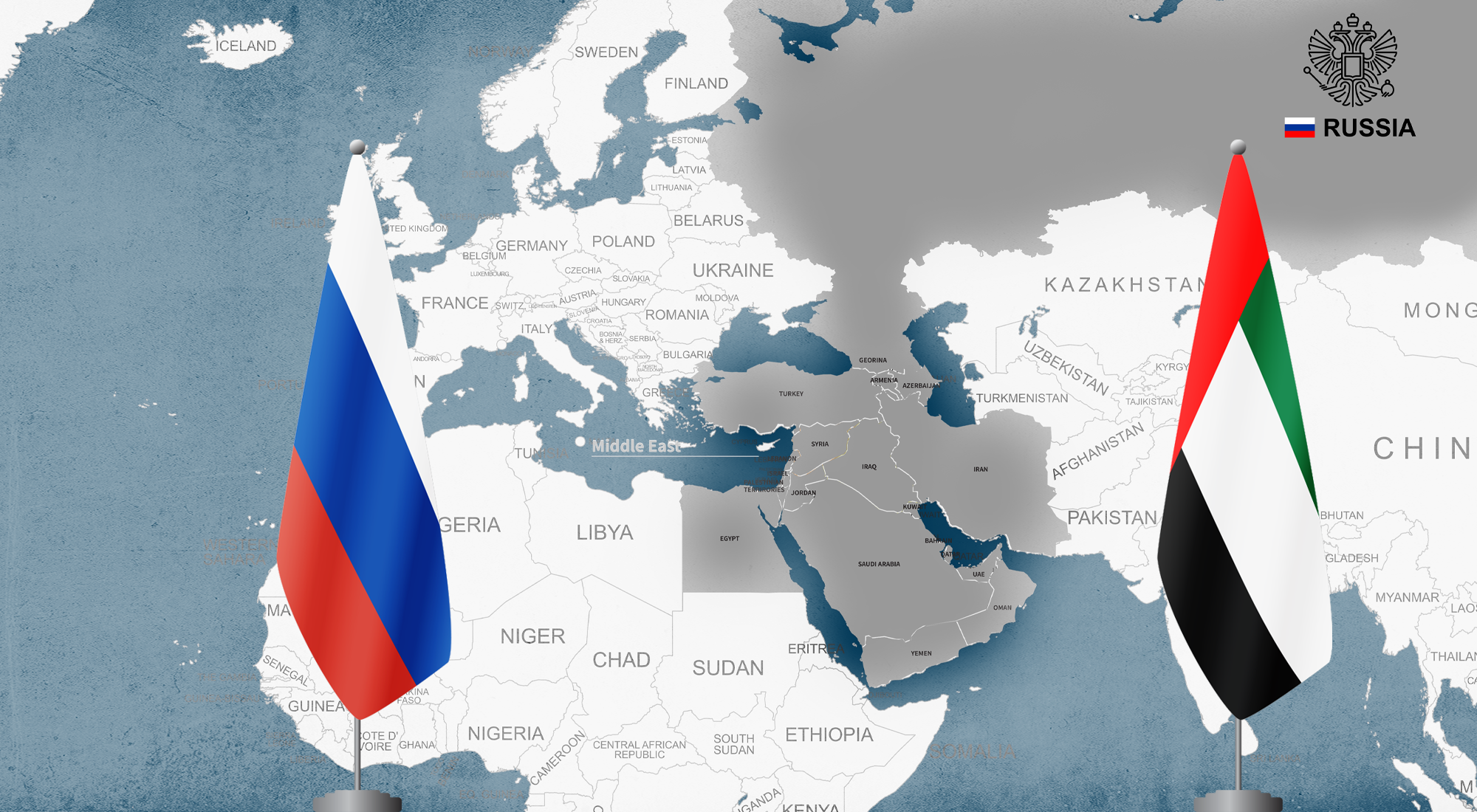
Dr. Valery Korneev, Chairman of the Digital World Union of Users of Digital Platforms, stated that relations between Russia and the Arab world are developing at a remarkable pace. Survey findings indicate growing interest among Russian companies in engaging with Arab countries and with states across the Middle East and North Africa. Several companies are already active in trade and investment, while an even larger number are looking to expand cooperation. He added that in 2024, trade between Russia and the United Arab Emirates grew by 30% compared to the previous year, exceeding USD 12.2 billion. In 2025, this upward trend continues, driven by stronger petrochemical exports and the wider use of national currencies in commercial settlements.
Cross-Cultural Communication
Dr. Anna Balagina, Rector of the International Institute of Management of the Chamber of Commerce and Industry of Russia (MIMOP), noted that mutual awareness between Russian and Arab companies remains limited. She attributed this to differences in cross-cultural communication, business etiquette, and the logic and pace of decision-making. She added that the specifics of mutual settlements and financial procedures remain a major challenge. For this reason, the Chamber of Commerce and Industry and the Chamber of Russia place strong emphasis on working with business councils that bring together business leaders from Russia and the Arab region. They also focus on developing and implementing specialized educational programs that take into account the nuances of both commercial and interpersonal communication.
