

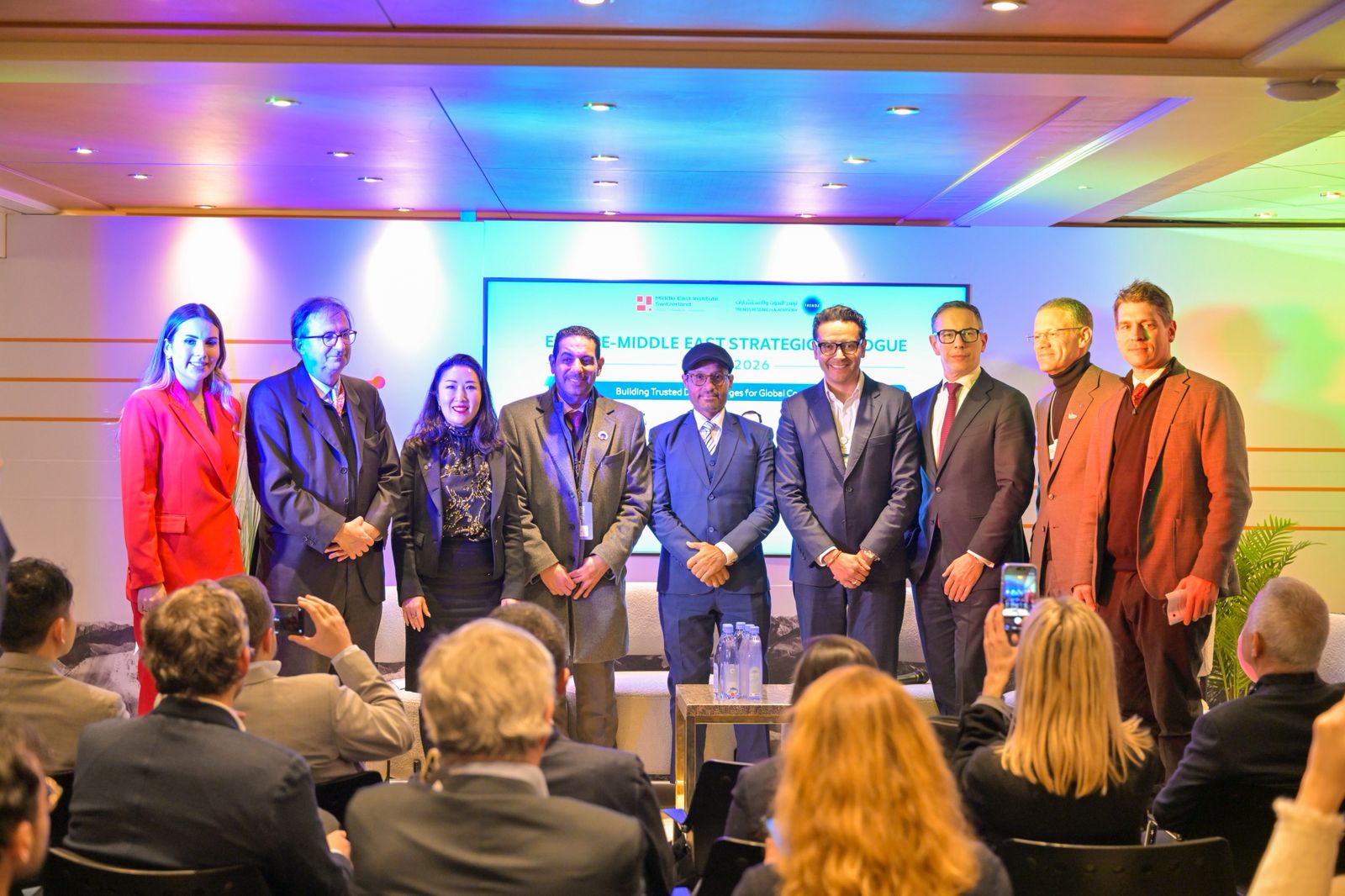
On the sidelines of the 2026 Annual Meeting of the World Economic Forum, TRENDS Research & Advisory, in collaboration with the Middle East Institute Switzerland (MEIS), organized the “Europe-Middle East Strategic Dialogue” at Davos Lodge. The high-level event brought together ministers, policymakers, CEOs, thought leaders, and strategic experts from Europe and Gulf countries.
The dialogue took place amid profound shifts in the international system, with unipolarity giving way to an emerging multipolar world, necessitating a redefinition of economic and technological partnerships among mid-level and influential powers.
From Traditional Cooperation to Strategic Partnership
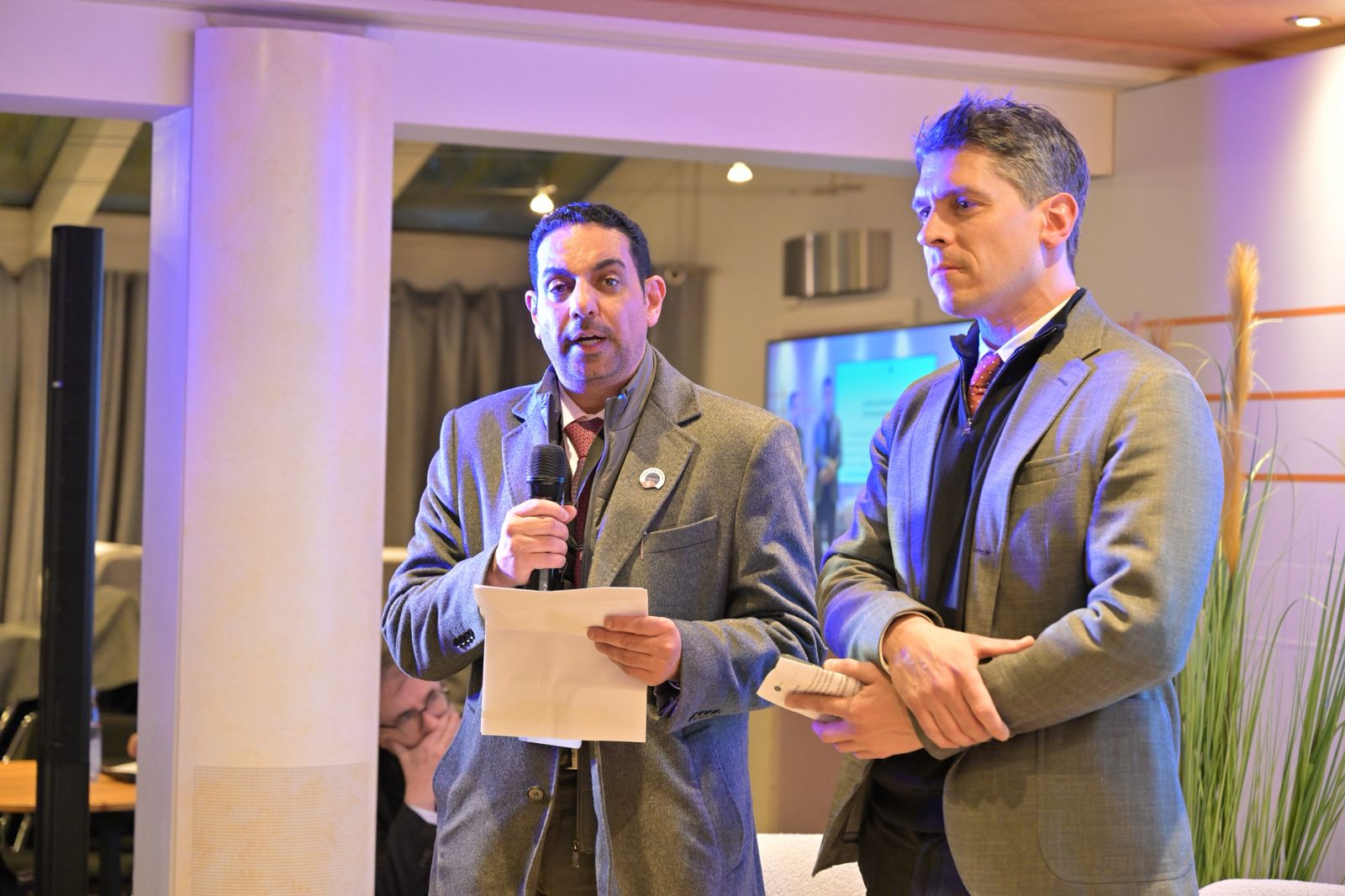
Dr. Mohamed Abdullah Al Ali, CEO of TRENDS, opened the dialogue by emphasizing that 2026 marks a pivotal moment in which global influence and alliances are being redrawn. He highlighted that Europe-Gulf relations, particularly with the Gulf states, have evolved beyond trade or ad hoc partnerships into a strategic alliance shaped by global geopolitical and economic transformations.
Dr. Al Ali called for moving the relationship from a “de-risking” approach to one focused on “resilience-building”, through diversified supply chains, investments in future-oriented sectors, and enhanced integration across energy, technology, and knowledge domains.
Dr. Victor J. Willi, Executive Director of MEIS, stressed that the dialogue reflects the growing recognition on both sides of the need for long-term cooperation frameworks based on trust and joint innovation, especially amid accelerating geopolitical changes.
Digital Sovereignty and Artificial Intelligence: Bridges, Not Barriers
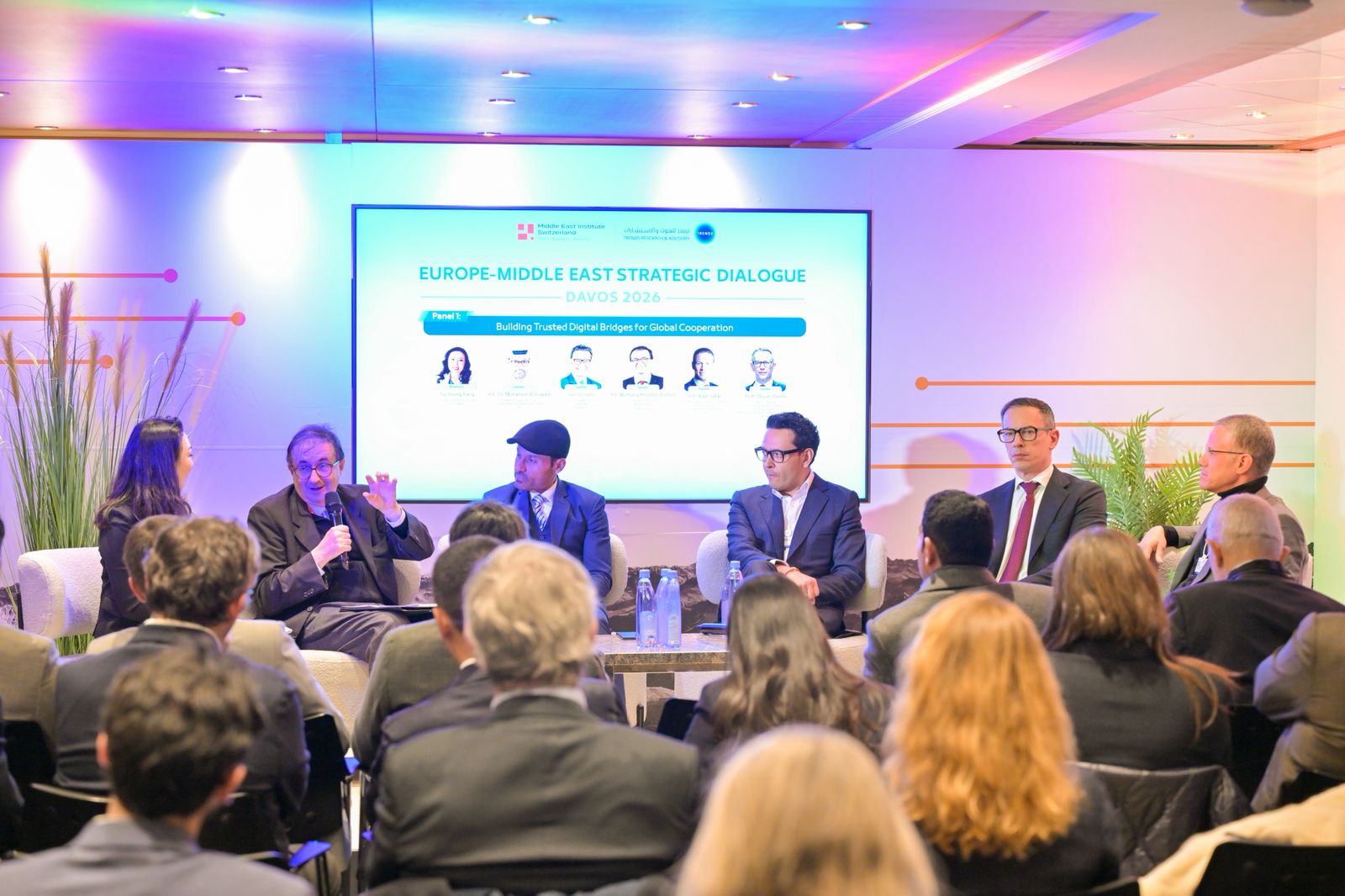
The first session, “Building Trusted Digital Bridges for Global Cooperation”, explored digital sovereignty and artificial intelligence as pillars of the future Europe-Gulf partnership. It was moderated by Su-Young Kang, Founder and CEO of Gnowbe, Singapore.
Dr. Mohamed Al Kuwaiti, Head of Cyber Security for the UAE Government, highlighted the UAE’s experience in developing advanced national frameworks for AI governance and cybersecurity as a global model balancing innovation with security. He emphasized the importance of cross-border R&D cooperation between the EU and Gulf countries in emerging technologies.
Ambassador Wolfgang Amadeus Brülhart, Swiss Special Envoy to the Middle East and North Africa, discussed challenges facing small and neutral states amid major power competition, noting economic and digital corridor projects like the “Middle East Corridor” as strategic opportunities for Europe-Gulf cooperation.
Prof. Olivier Ollier, Visiting Professor at Mohamed bin Zayed University of Artificial Intelligence (MBZUAI), and Ivan Gonzalez, CEO of Corporate Solutions at Swiss Re Group, underscored the integrative potential of combining energy resources with AI development, enhancing Europe-Gulf bargaining power on the international stage.
From “Rule-Takers” to “Rule-Makers”
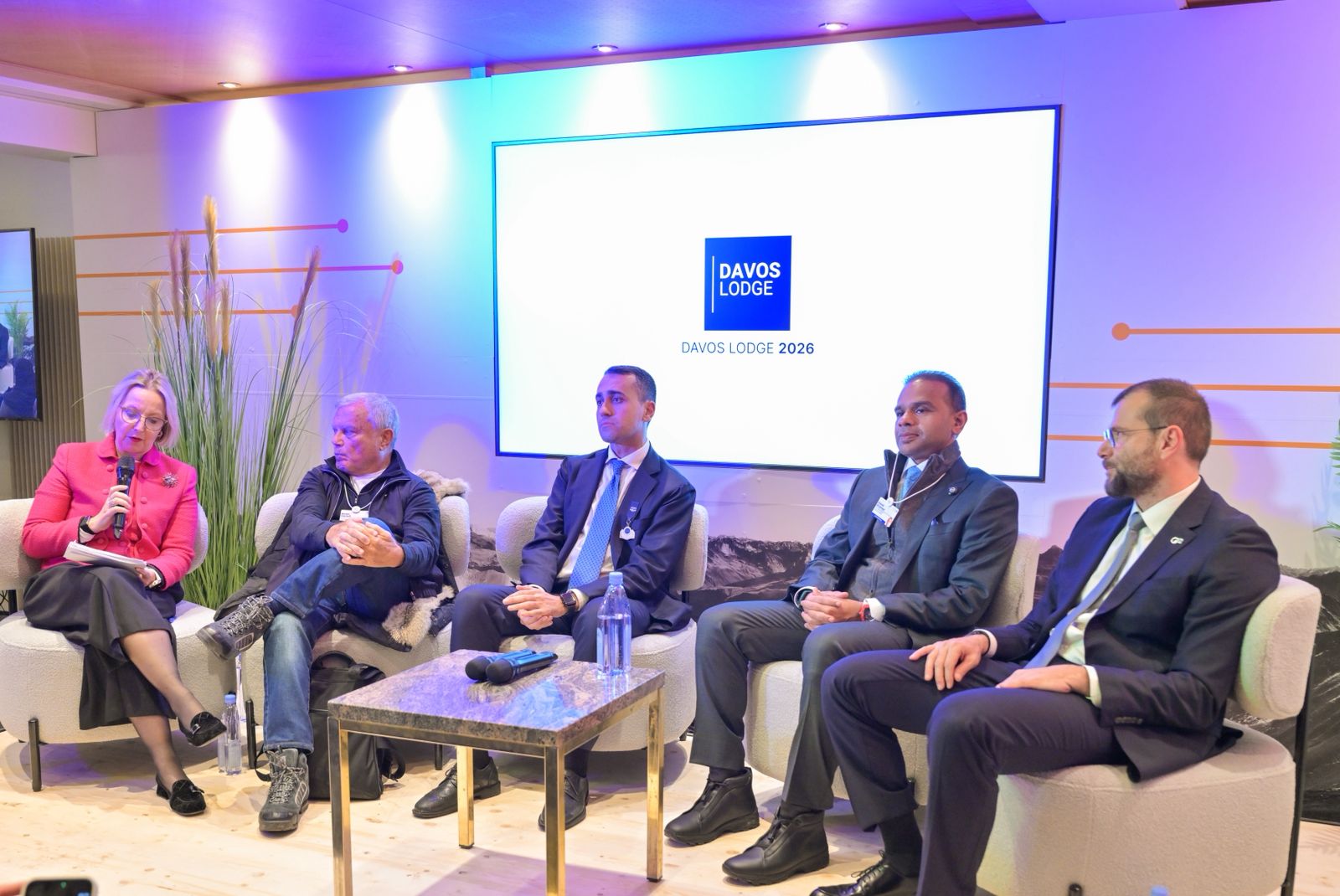
The second session, “Investing in Resilience: Strengthening Trade and Economic Partnerships”, moderated by Christine Claire Graefff, Chief Growth Officer at FGS Global (USA), focused on the Gulf’s accelerated transformation into a global hub for business, investment, and innovation.
H.E. Luigi Di Maio, EU Special Representative for the Gulf, stressed that “middle powers” must enhance coordination to stabilize supply chains and protect markets from geopolitical shocks, citing progress in free trade negotiations between the EU and both the UAE and Qatar.
Sir Martin Sorrell, Founder and Executive Chairman of S4 Capital, warned that payment and financial transaction patterns now reflect new geopolitical alignments, emphasizing that AI and energy are reshaping the global growth map and positioning the UAE as a reliable alternative in the global AI landscape.
Ali Al Amine, CEO of G42 Group, introduced the concept of “trusted digital corridors”, highlighting that combining European research capabilities with Gulf digital and energy infrastructure can create a new global tech hub capable of competing in the digital economy.
Adeeb Ahmed, Managing Director of Lulu Financial Holdings, stressed the private sector’s pivotal role in enabling Europe and the Gulf to transition from “rule-takers” to “rule-makers” in emerging markets.
Knowledge as the Foundation of International Partnerships
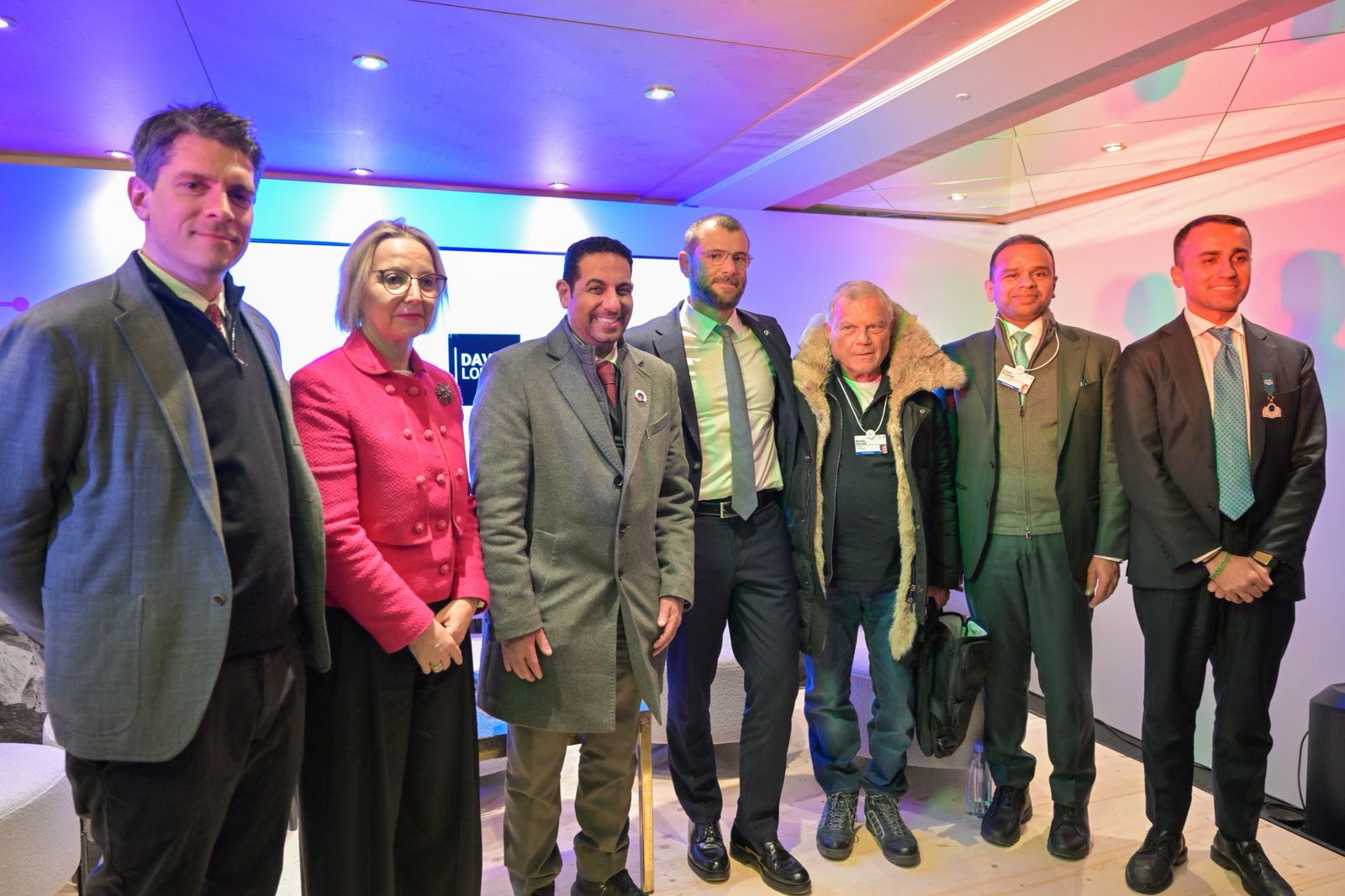
Naser Al Ali, Head of Administrative Affairs and Media Sector at TRENDS, emphasized that scientific research and knowledge are critical for building sustainable international partnerships. He stressed that Gulf-European relations require a solid knowledge-based foundation to ensure their continuity and effectiveness. He further explained that think tanks play a pivotal role in connecting policymakers with rigorous scientific analysis and enhancing mutual understanding between the two regions, contributing to the formulation of more balanced policies capable of keeping pace with rapid international developments.
Key Figures and Indicators
The dialogue highlighted the depth of the Europe-Gulf partnership, noting that the EU is the Gulf’s second-largest trading partner, with trade exceeding €161 billion. The partnership is characterized by diversity in advanced technologies, energy, chemical industries, consulting services, and research collaboration.
Sustainable Dialogue
The dialogue concluded with an emphasis that the Davos 2026 meeting is not merely a routine or ceremonial event, but rather marks the launch of a sustainable strategic dialogue between Europe and the Gulf states. This dialogue aims to strengthen cooperation in areas such as artificial intelligence, energy security, climate transition, and scientific research, thereby contributing to shaping the international order in the post-2026 era.
TRENDS Research & Advisory and the Middle East Institute Switzerland (MEIS) affirmed that this dialogue reflects a shared vision: that knowledge and strategic partnership constitute the most effective path to addressing the complexities of the world beyond 2026.

