


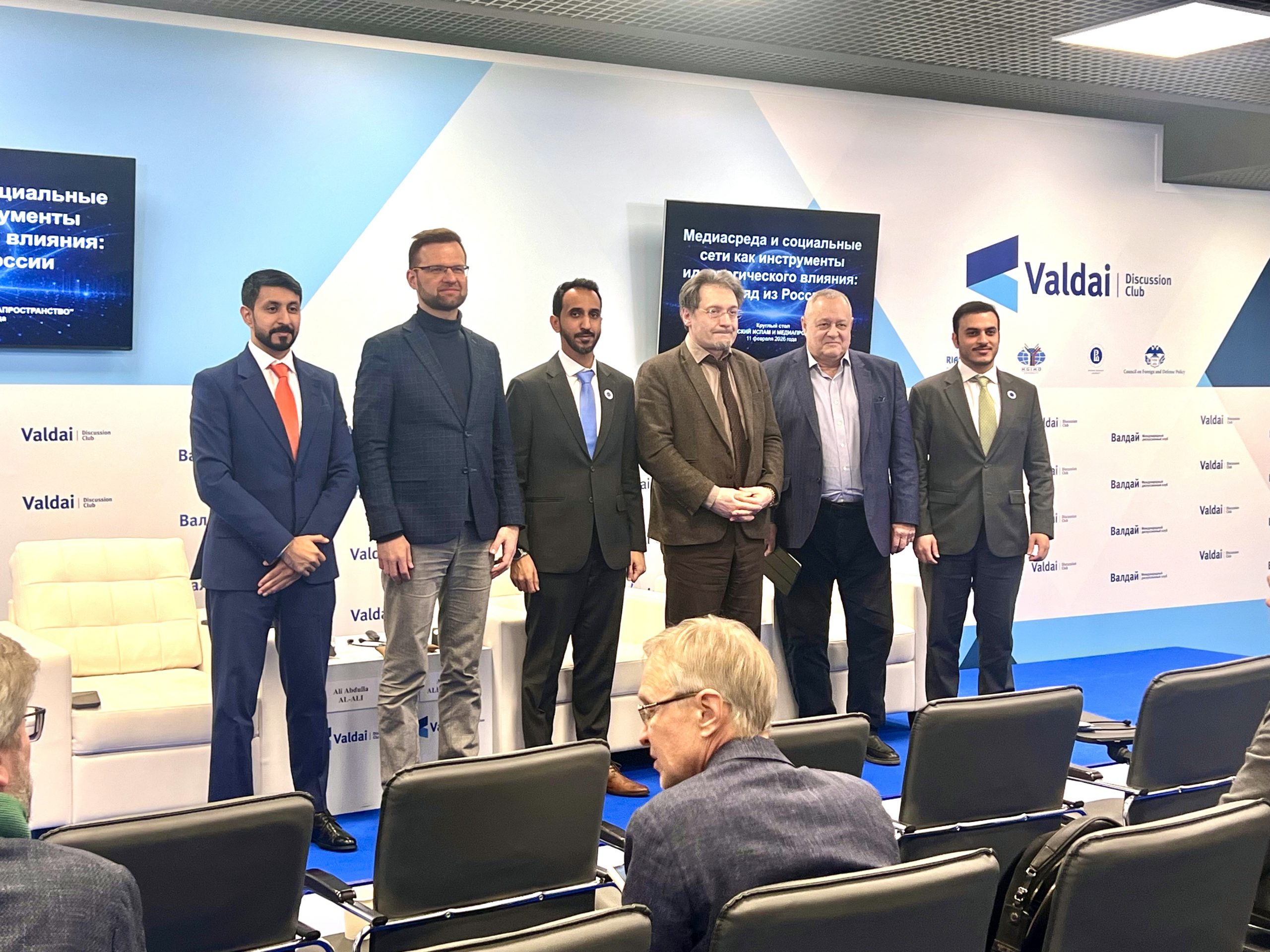
As part of its research tour to Moscow, TRENDS Research & Advisory, through its Russia office, organized a discussion session – A Reading of the 2025 Muslim Brotherhood International Power Index – during the Valdai Middle East Summit, hosted by the Valdai Discussion Club, Russia. The session reviewed the key findings of the latest 2025 edition of TRENDS’ index measuring the global influence of the Muslim Brotherhood.
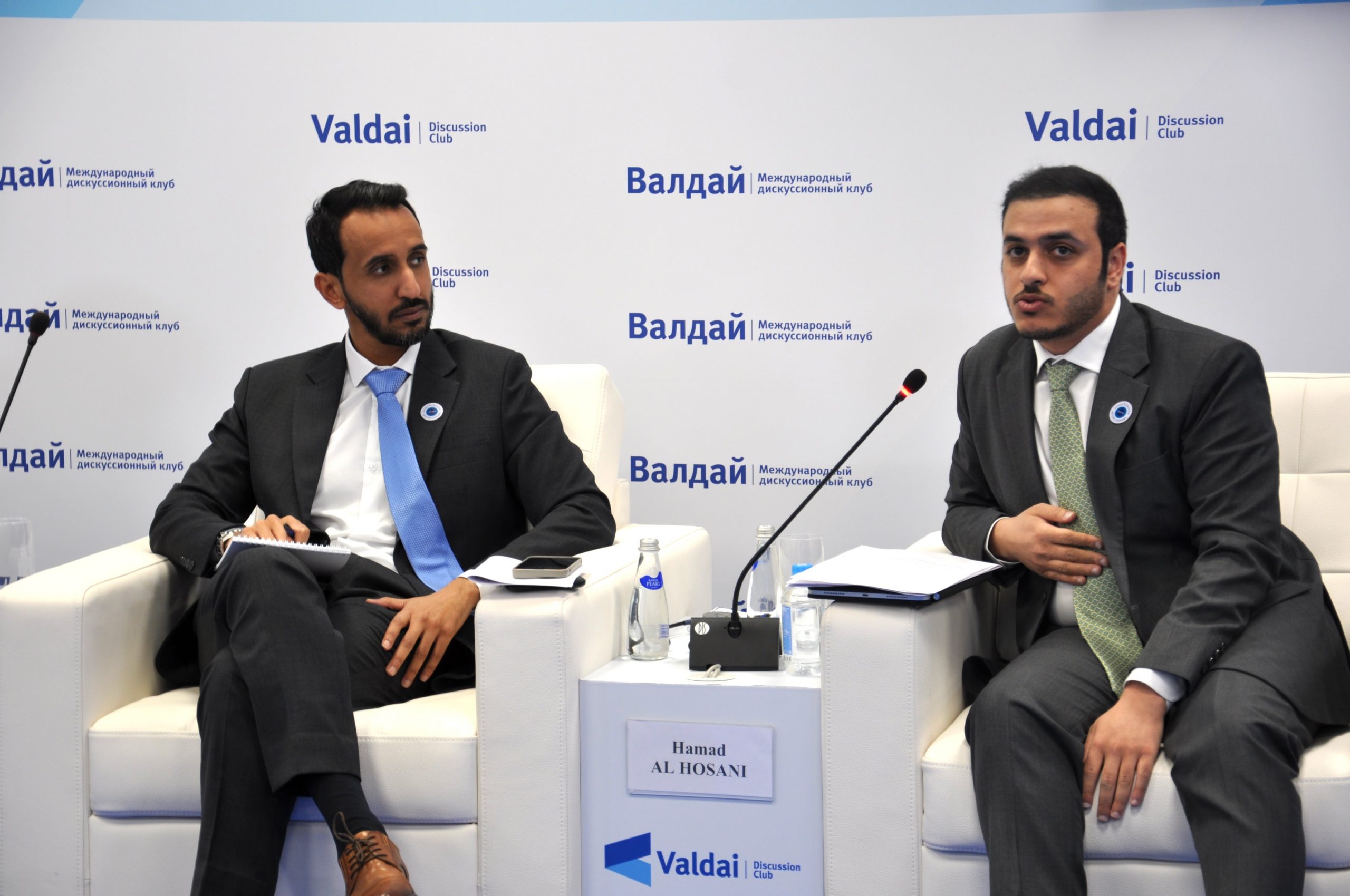
Leveraging Spaces of Freedom
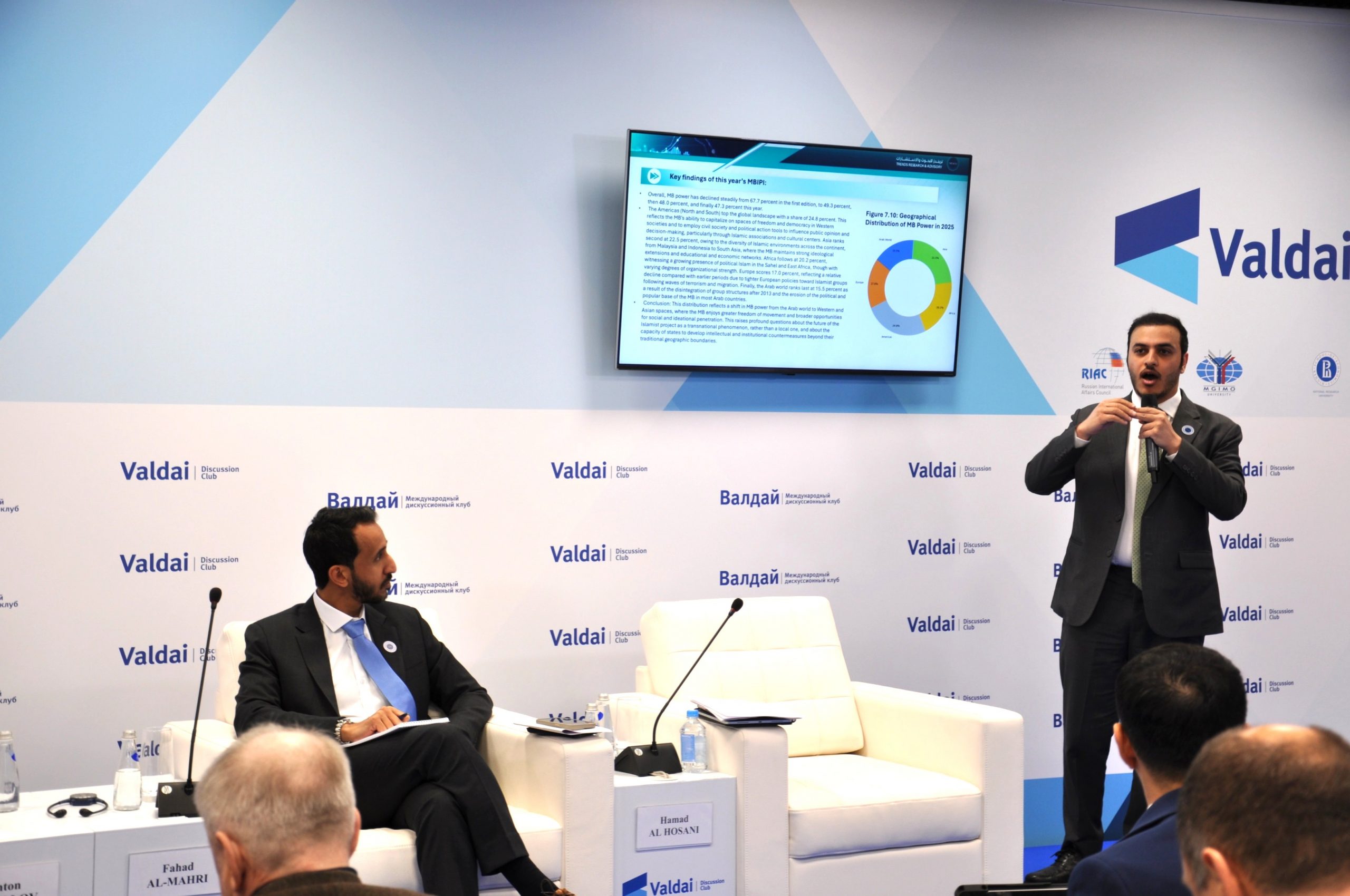
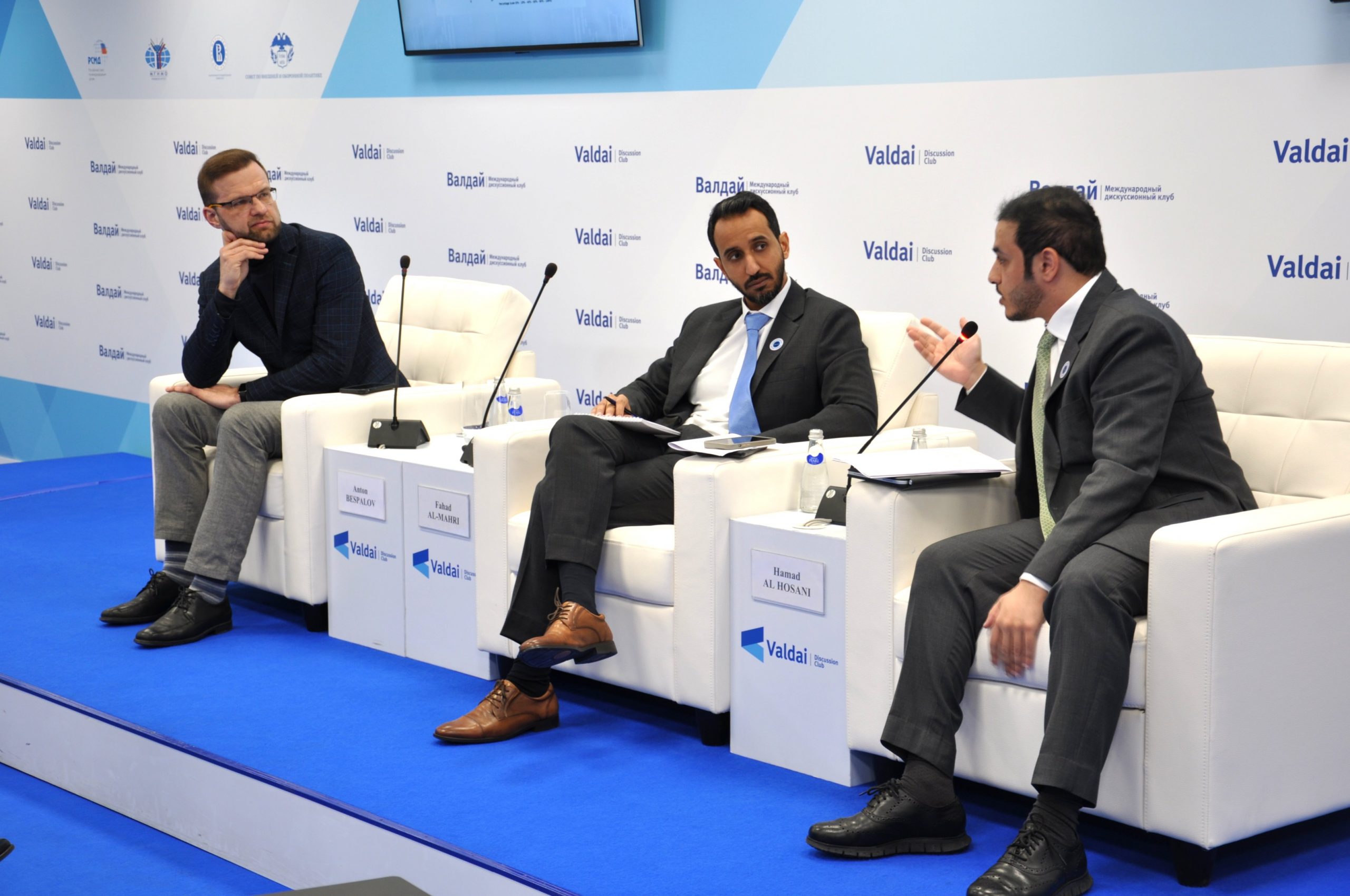
Fahad Essa Al Mahri, Senior Researcher and Head of TRENDS Dubai Sector, opened the discussion by noting a decline in the Brotherhood’s overall strength from 67.7% in 2024 to 47.3% in the 2025 index. He added that the Americas led with 24.8%, reflecting the group’s ability to leverage civil liberties and civic spaces to influence public opinion and decision-making. Asia ranked second at 22.5%, due to diverse Islamic environments and intellectual, educational, and economic extensions.
Tighter European Policies
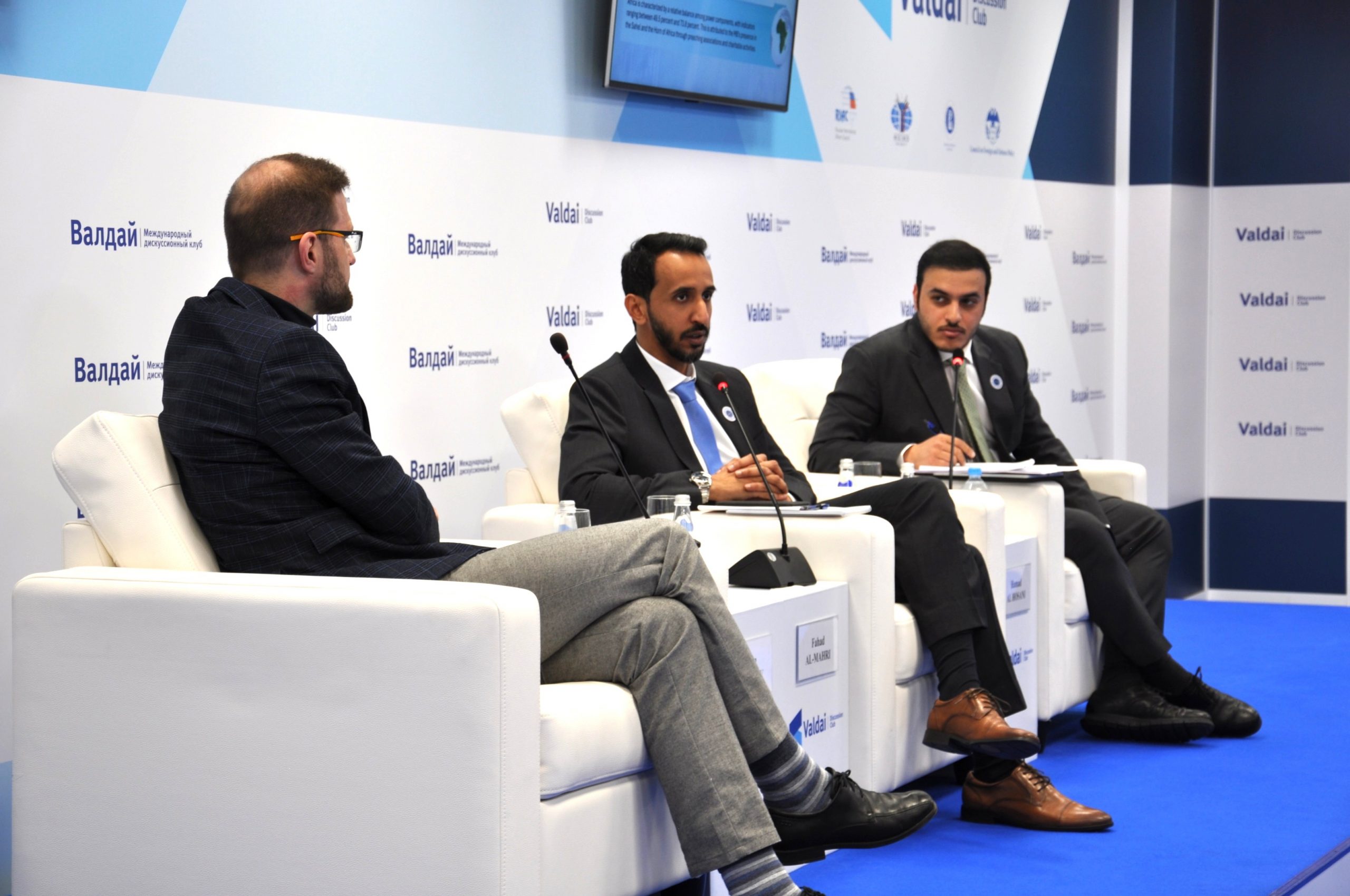
Al Mahri pointed out that Africa recorded 20.2% with a growing presence of political Islam at varying organizational levels. In comparison, Europe fell to 17.0% due to tighter policies following waves of terrorism and migration. The Arab world ranked last at 15.5%, reflecting the fragmentation of organizational structures and declining political support since 2013, with the Brotherhood’s center of gravity shifting to Western and Asian spaces.
Fragmentation and International Pressure
Hamad Abdullah Al Hosani, Senior Researcher at TRENDS, explained that the Brotherhood’s strength has changed across regions. The index shows relative weakness in the Arab world, averaging 47.5% overall, with declines in political and security influence (46.4%), economic (48.6%), media (45.4%), and social (49.7%) areas. This is attributed to fragmentation and international pressures since 2013. In contrast, the index shows greater concentration in Europe in media (60.1%) and social (53.6%) spheres, with weaker direct political influence (37.2%), highlighting the group’s reliance on cultural and religious work within migrant Muslim communities.
Loss of Credibility and Professionalism
Al Hosani noted several factors behind the Brotherhood’s declining influence, including a weakened media apparatus, loss of credibility and professionalism in propaganda, ongoing internal conflicts and divisions, and increased international pressures—as seen in Germany and Austria. Security actions against members, the exposure of the group’s violence through dramatic works, and the dismantling of international Brotherhood-affiliated organizations further contributed to the decline.
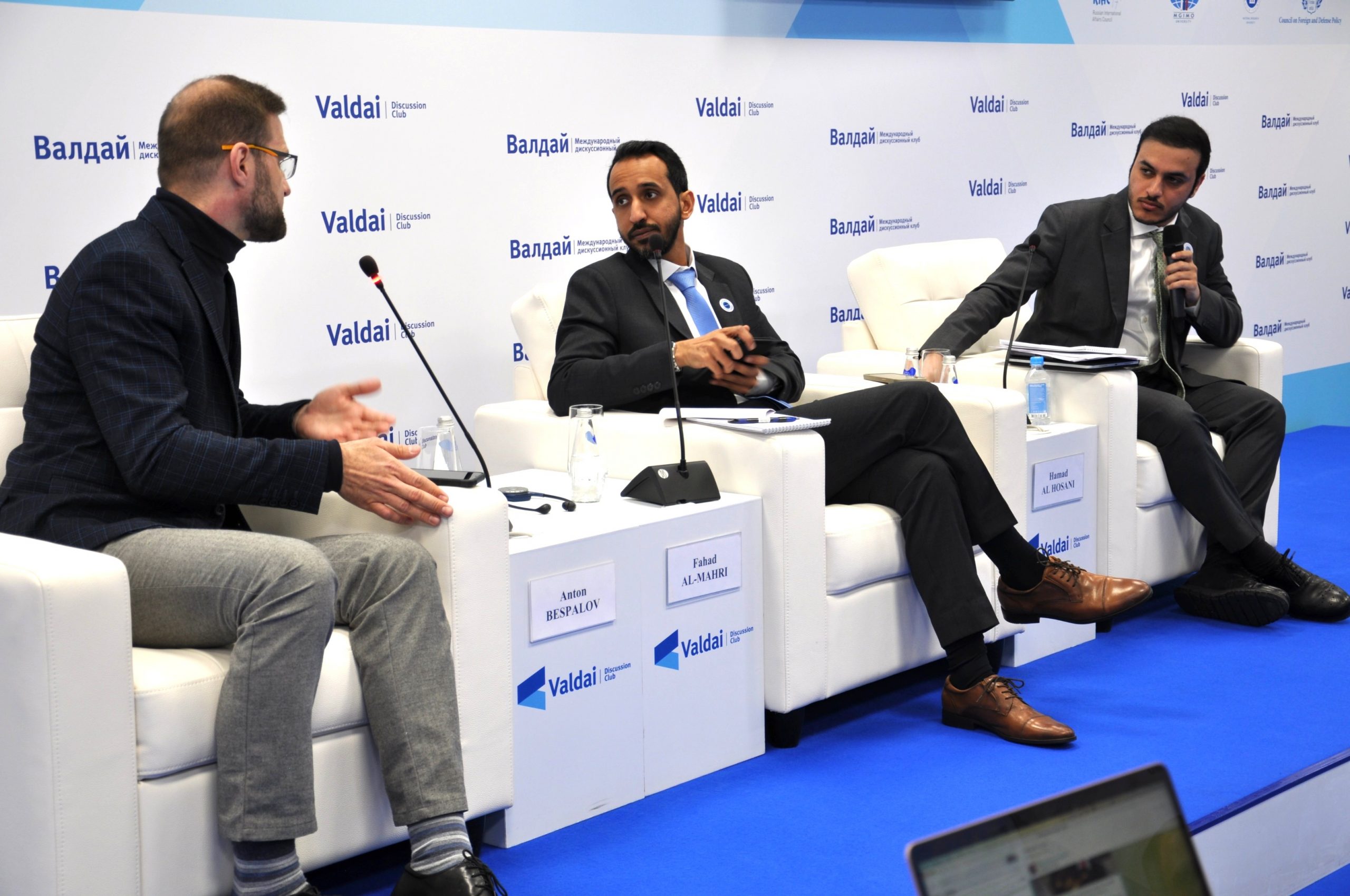
He emphasized that the Brotherhood’s overall strength dropped from 67.7% in the first edition of the index to 47.3% in the current 2025 edition. The index also highlights the continued erosion of the Brotherhood’s power due to internal and external factors, reflecting changes in international responses—particularly in the United States, where President Donald Trump issued an executive order designating branches of the Muslim Brotherhood as foreign terrorist organizations, alongside measures in Texas and Florida to classify the group and affiliated organizations as terrorist entities.

