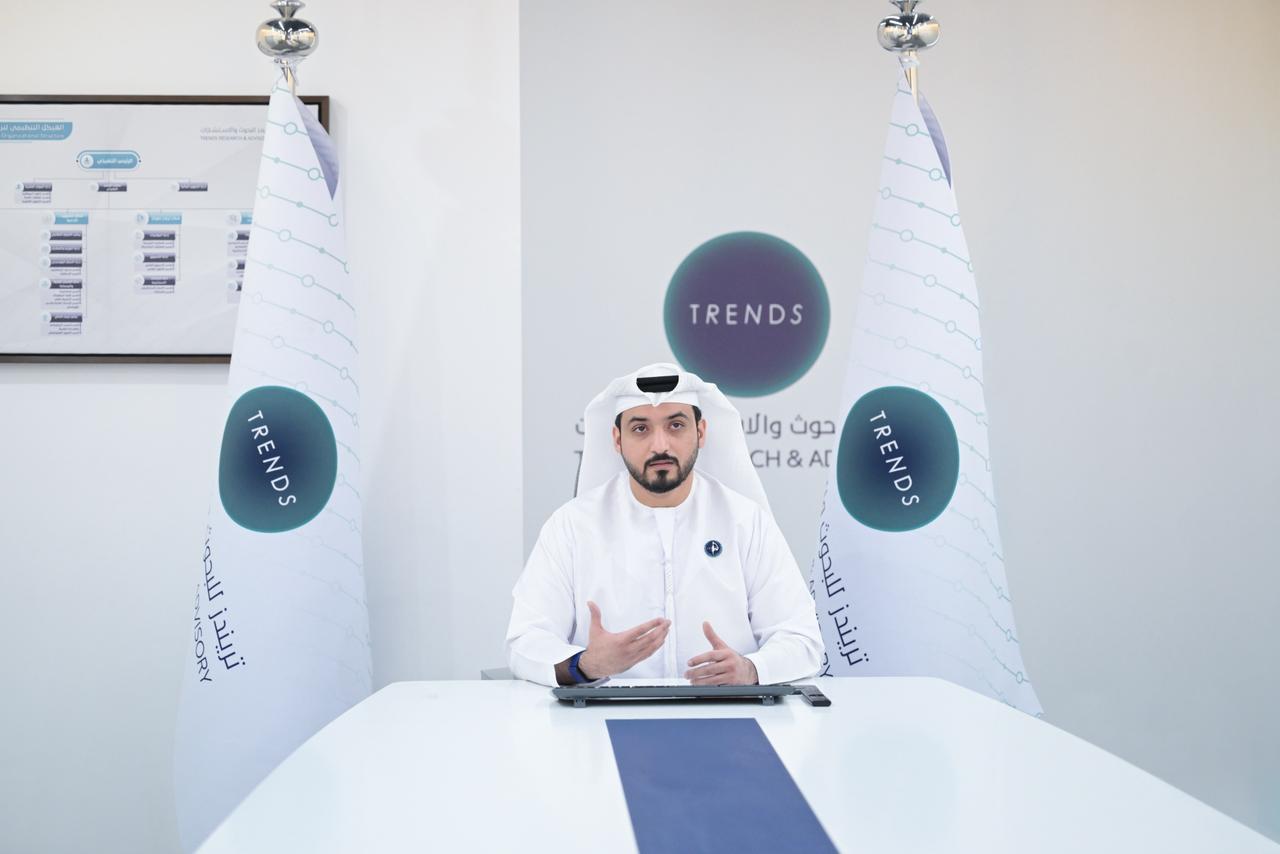
Dialogue participants emphasized China as a key pillar of the global power balance and as the GCC’s indispensable strategic partner, particularly amid transformations in global order.
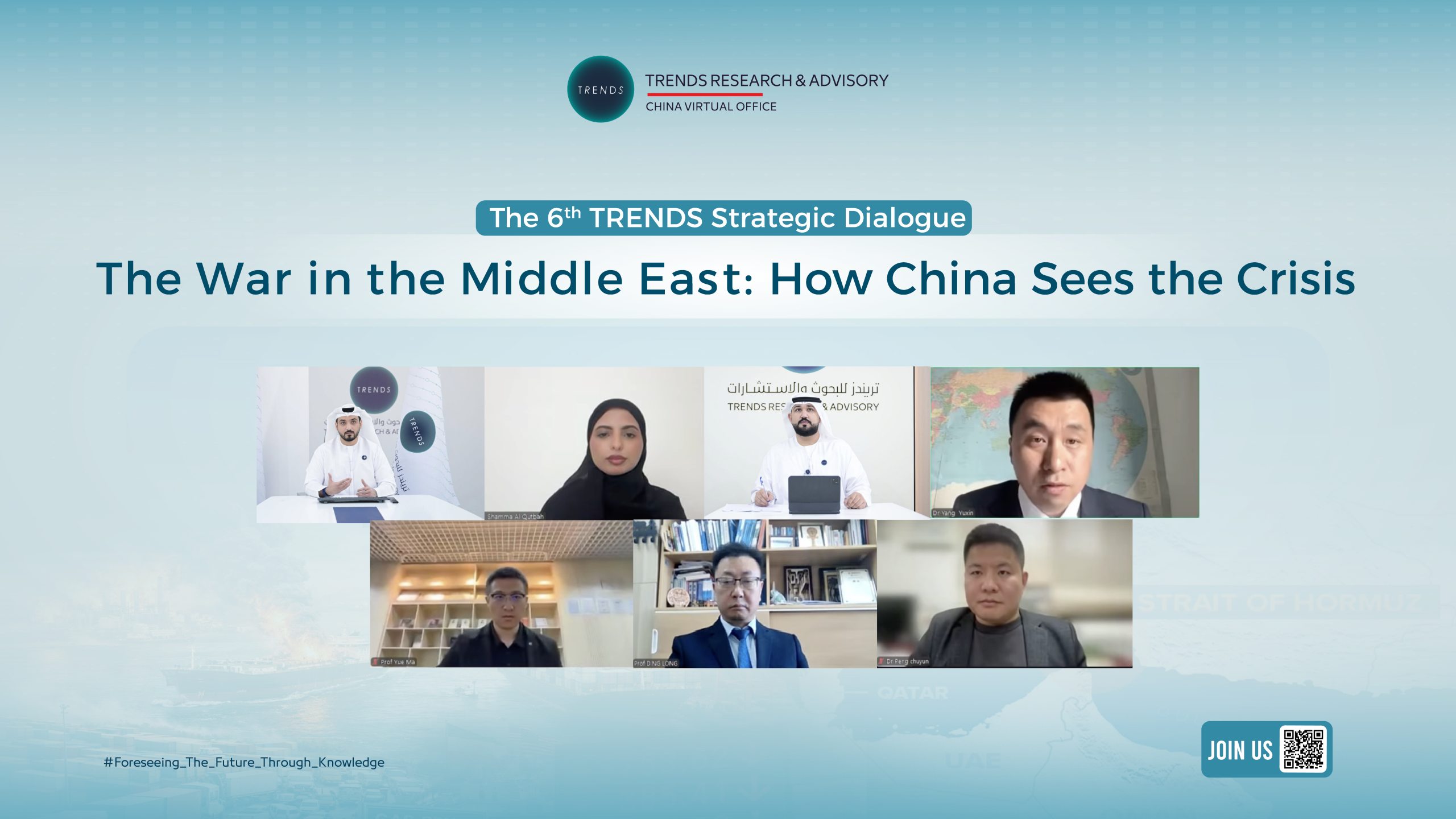
Amid an accelerating global research trend reflecting the complexities of the current geopolitical landscape, TRENDS Research & Advisory convened its Sixth Strategic Dialogue through its virtual office in Beijing, titled The War in the Middle East: How Does China View the Crisis?
The dialogue brought together a distinguished group of senior Chinese scholars, experts, and academics representing leading think tanks and institutions, including Shanghai International Studies University, Beijing International Studies University, China Today magazine, and a select group of TRENDS researchers.
A Real Test
Participants emphasized that China represents a key pillar in the international balance of power and an indispensable strategic partner for the Gulf Cooperation Council (GCC) countries, particularly amid the rapid transformations shaping the global order. They stressed that Beijing’s political and economic weight enables it to play a constructive role in shaping a more sustainable regional security architecture, particularly amid mounting threats to global energy security and disruptions to supply chains.
Speakers highlighted the depth of the UAE-China partnership, describing it as a pivotal relationship that has evolved beyond traditional trade and oil frameworks into advanced domains such as the digital economy, high-tech industries, advanced manufacturing, renewable energy, as well as education, scientific research, and cultural exchange – ensuring the long-term sustainability of these ties.
Highlighting the ongoing security crises, Chinese scholars underscored the importance of respecting the sovereignty of Gulf states and non-interference in their internal affairs, while expressing firm condemnation of any attacks targeting civilian infrastructure. Participants agreed that military solutions have proven ineffective and often exacerbate tensions, stressing that China’s vision promotes “sustainable diplomacy” grounded in the principles of common, comprehensive, and cooperative security as the optimal pathway to resolving conflicts.
They also called for institutionalizing such dialogues by establishing permanent platforms for consultation between Middle Eastern and Chinese think tanks to foster mutual understanding and shape the contours of the “emerging international order.” The ongoing war, they noted, represents a real test of the international system’s resilience, and integrating the Chinese perspective into strategic discussions has become essential to ensuring global balance and market stability.
Deconstructing China’s Strategic Behavior
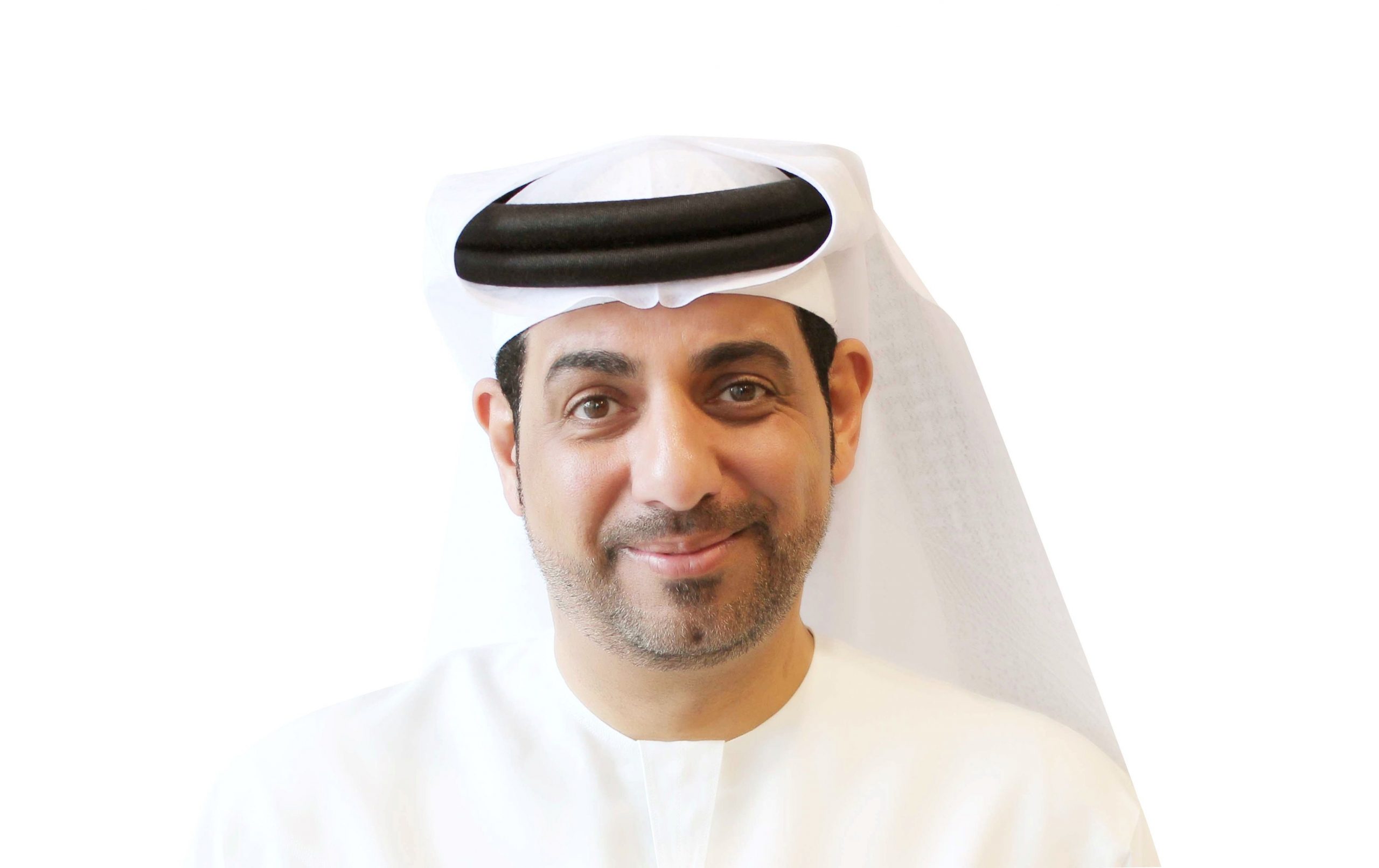
Dr. Mohammed Abdullah Al-Ali, CEO of TRENDS Research & Advisory, stated that the dialogue comes at a highly sensitive moment, where military, economic, and political dimensions of the Iran-Israel conflict are deeply intertwined, necessitating a thorough reassessment of major powers’ positions – foremost among them China, which has become a central actor in shaping the emerging global order.
He explained that the Sixth Strategic Dialogue served as an advanced intellectual platform to analyze the determinants of Chinese behavior from both an economic and a deeper philosophical lens, grounded in Beijing’s views on sovereignty, non-interference, collective security, and international balance.
Soft Power in Crisis Management
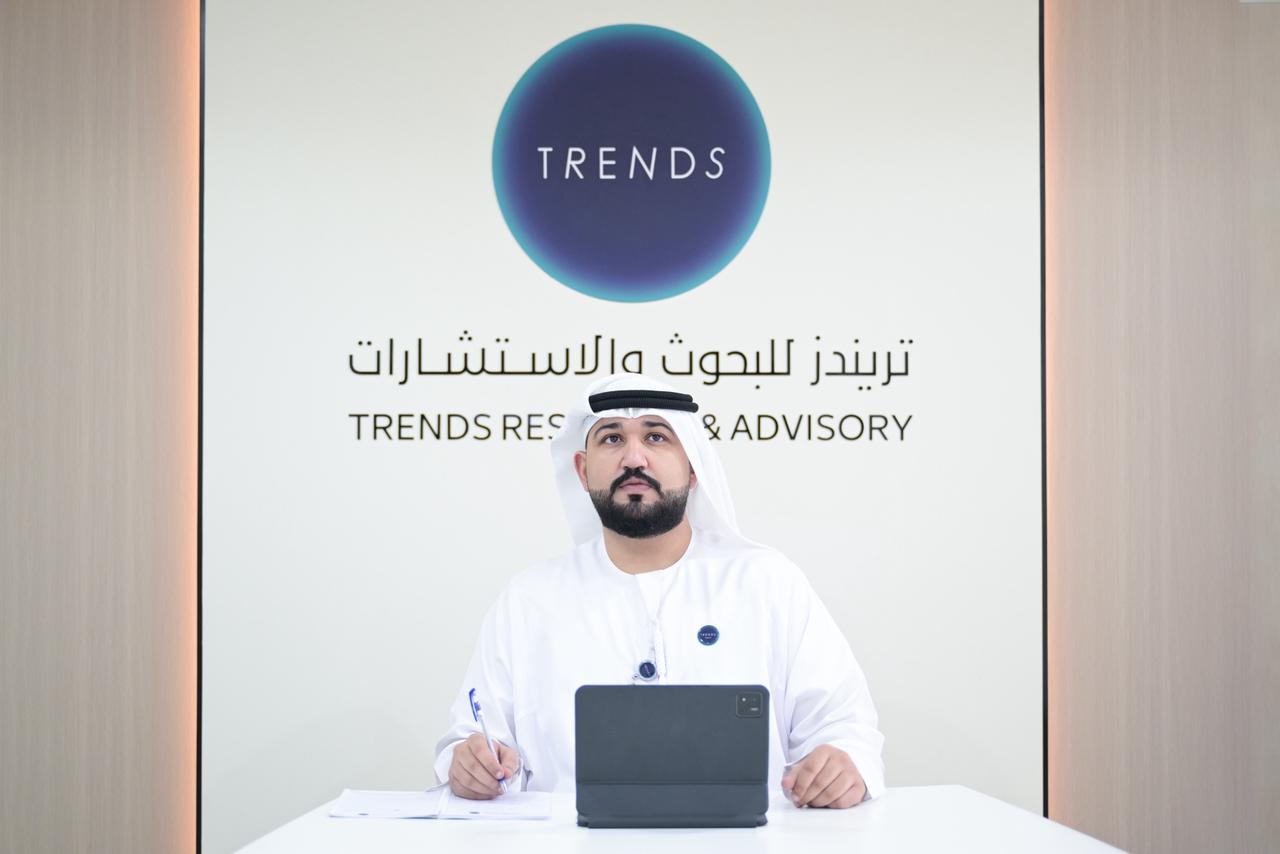
The dialogue opened with a keynote by Abdulaziz Al-Shahi, Senior Researcher at TRENDS, who emphasized that maintaining a research presence in Beijing is no longer a procedural formality but a strategic necessity for understanding the major shifts in global power dynamics, particularly given China’s growing international influence.
He noted that the Middle East is undergoing a phase of “geopolitical reconfiguration,” during which Gulf states have faced increasing pressures and unjustified targeting amid Iranian attempts to escalate tensions and expand the conflict, threatening regional stability and raising the cost of collective security. Al-Shahi raised critical questions regarding China’s position at the UN Security Council, asking: “Does China’s recent veto reflect a tactical, temporary stance, or is it part of a deeper strategic philosophy that prioritizes economic stability over military calculations?”
He affirmed that TRENDS seeks to unpack what he described as the “Chinese approach to peace,” which places development and prosperity at the heart of the security equation rather than traditional deterrence-based models. The session, moderated by Dr. Yang Yuxin, Director of TRENDS’ China Office, then opened for in-depth discussions on the future of regional stability and mechanisms to enhance international cooperation toward sustainable peace.
Between Legitimacy and Interests
Professor Ding Long, Professor of Middle East Studies at Shanghai International Studies University, provided a nuanced analysis of China’s position, noting that Beijing operates on a careful balance between adherence to international legitimacy and the protection of its strategic interests in the region.
He explained that China views military escalation with deep concern and considers actions outside the UN framework as lacking legitimacy. However, it simultaneously recognizes the security threats facing Gulf states. He added that China’s use of veto power does not indicate alignment with any party but rather reflects an effort to preserve regional balance and prevent further destabilization.
Iranian Behavior: Between Rhetoric and Practice
Researcher Shamma Al-Qutba presented an in-depth analysis of Iranian behavior, highlighting the gap between political rhetoric and field practices. She noted that the timing of certain Iranian attacks – particularly those occurring after ceasefire announcements – reflects a pattern of “managed escalation” aimed at testing adversaries’ readiness and gauging international responses.
She stressed that such actions undermine trust and hinder diplomatic efforts, noting that the UAE and GCC countries have demonstrated strong capabilities to safeguard their security through advanced defense systems while maintaining a firm commitment to peaceful solutions.
Global Security from a New Chinese Perspective
Dr. Peng Xun, Regional Head of China Today in the Middle East, presented an advanced perspective on China’s Global Security Initiative, describing it as an alternative framework for managing conflicts based on the principle of “indivisible security.”
He emphasized that China no longer views closed military alliances as effective tools for stability, but rather as part of the problem. Instead, it advocates for a collective security system rooted in shared development and economic integration. He also highlighted the strategic importance of securing vital maritime corridors, particularly the Strait of Hormuz, as a cornerstone of global economic stability.
A Strategic Partnership Beyond Crises
Professor Ma Yue, Associate Professor at the China-Arab Research Center at Beijing International Studies University, focused on the economic and strategic dimensions of UAE–China relations, affirming that the partnership has demonstrated remarkable resilience amid challenges.
He noted that bilateral trade exceeding $100 billion reflects deep economic interdependence and opens new horizons for cooperation in innovation, technology, and the digital economy, especially as China advances its long-term development strategies.
Strategic Recommendations for Global Balance
TRENDS researcher Rashid Al-Zaabi stated that the dialogue produced a set of high-quality recommendations to support decision-makers. Key recommendations included: strengthening knowledge diplomacy through permanent dialogue platforms between the Middle East and China; adopting smart balancing strategies that leverage China’s role as a stabilizing global force; accelerating the development of Gulf self-defense capabilities; launching joint initiatives to secure maritime routes; and integrating the Chinese perspective into future-oriented strategic foresight.
He concluded that such dialogues are essential for understanding global transformations and building bridges of trust and cooperation between East and West, ultimately enhancing prospects for security, stability, and sustainable development.