


-The region is moving toward a state of managed instability, requiring calculated adjustment and strategic patience
-Relations of Middle Eastern countries are now shaped by flexible alignments based on interests, competition, and cooperation
-The erosion of alliances creates space for diplomacy, de-escalation, and the development of regional mechanisms to manage crises
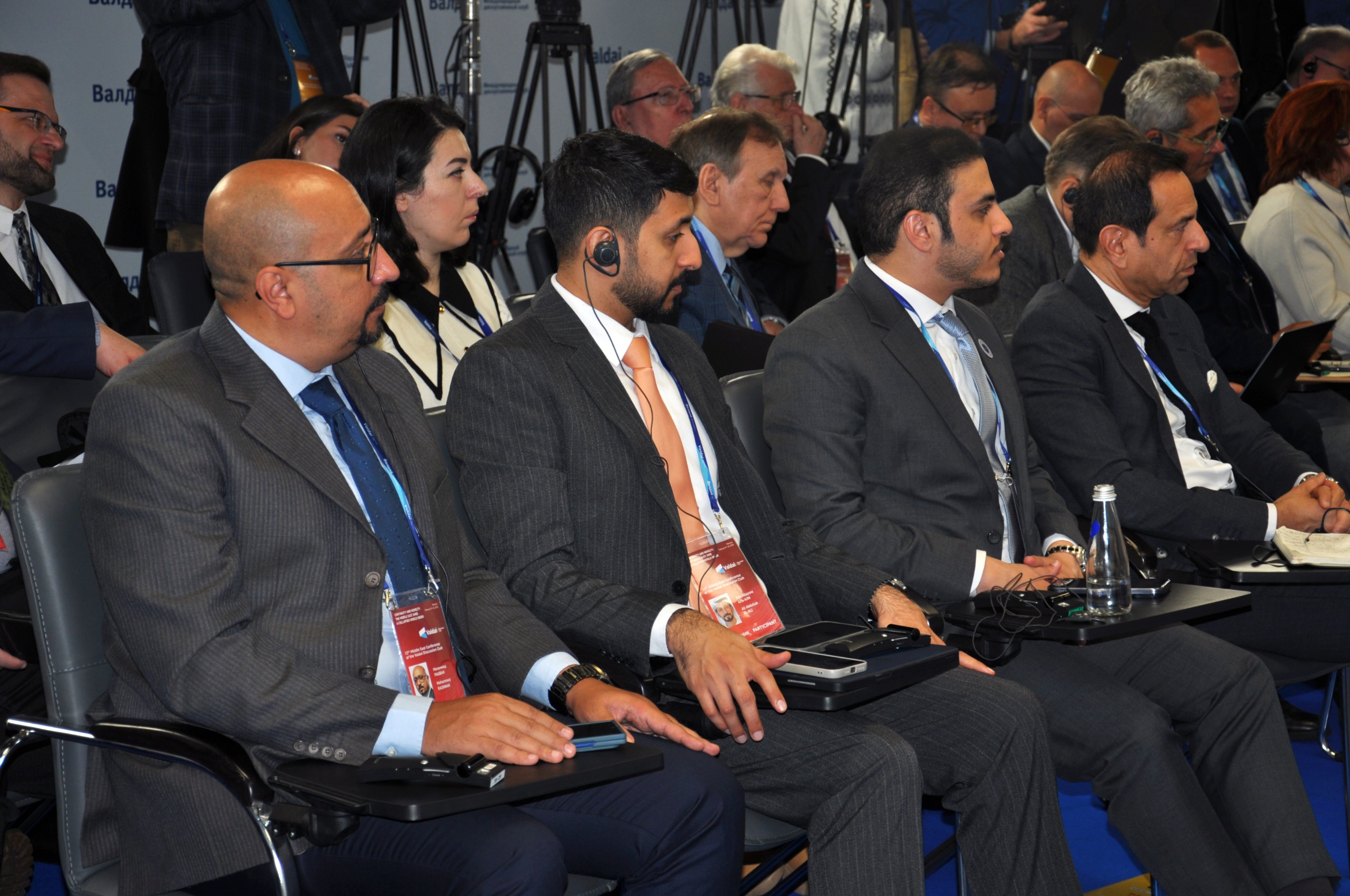
As part of its research tour to Moscow, TRENDS Research & Advisory, through its Russia office, participated in the 15th Valdai Middle East Conference, organized by the Russian Valdai Discussion Club at its headquarters in Moscow under the theme Continuity and Novelty: The Middle East Amid a Collapsed World Order. TRENDS contributed to the main session — Forget About Balance or Build a New One? Opportunities and Limits of Power in the Middle East in the Second Quarter of the 21st Century.
The session discussed the drastic transformations the Middle East’s geopolitical landscape has undergone in less than three years. Between 2023 and 2026, power balances shifted, patterns of relations among regional actors changed, and the behavior of external players evolved. The discussion also addressed future balance scenarios in the Middle East and the mechanisms for strategic response.
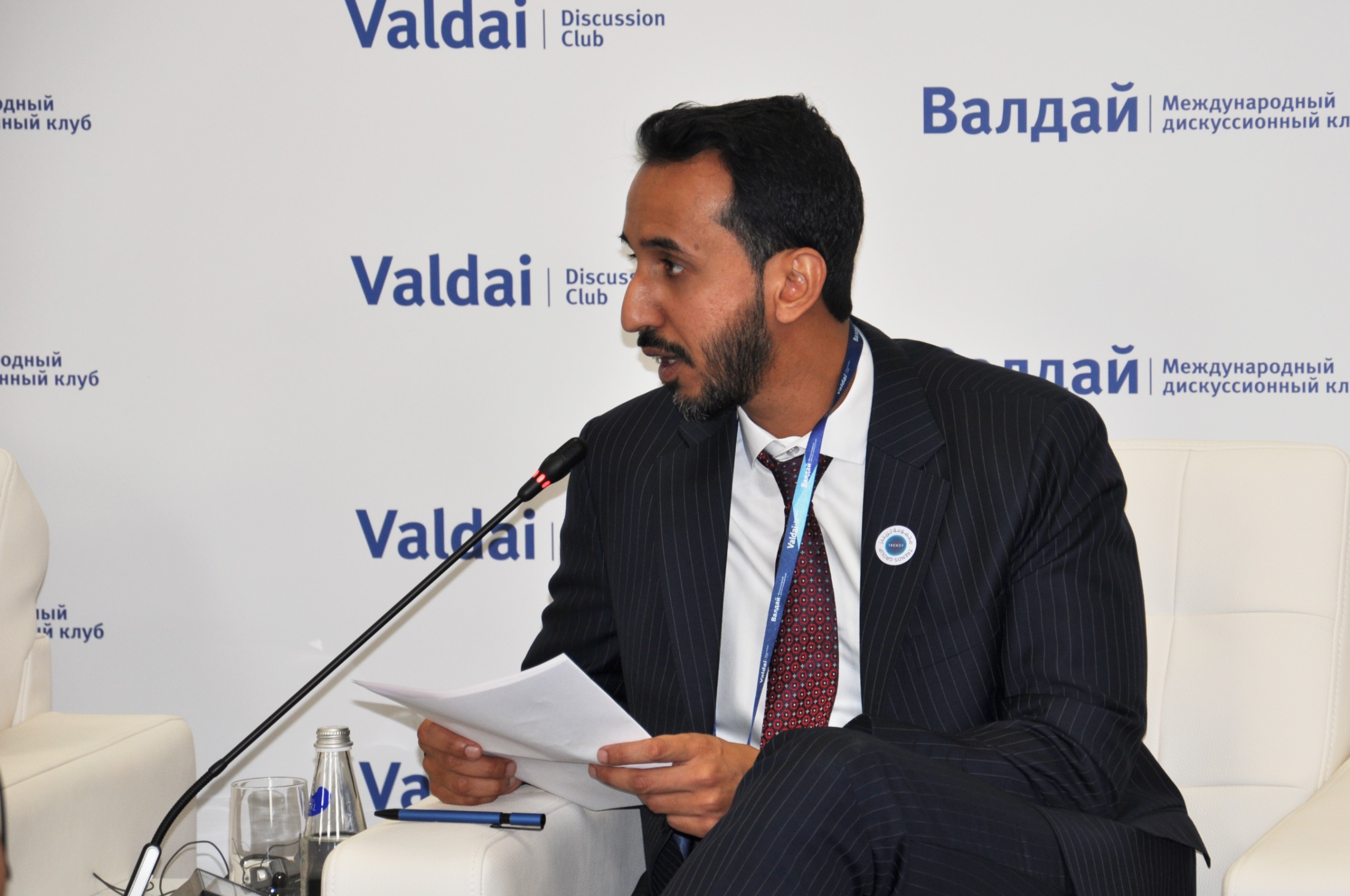
Accelerating Structural Transformations
Fahad Essa Al-Mahri, Senior Researcher and Head of the TRENDS Dubai Sector, said that the Middle East’s geopolitical landscape has undergone transformations best described as structural. Power balances have shifted, alliances have been tested and, in some cases, unraveled, and regional countries have entered a phase of realignment among themselves. The rules governing regional interactions have been redefined. What is unfolding today is not a passing phase of turbulence but big, accelerating structural changes.
He noted that both countries and non-state actors now possess unprecedented tools of power – military, economic, technological, and informational. However, their ability to turn these tools into sustainable outcomes has declined sharply. At the same time, the traditional pillars of the regional order have weakened. Large conventional armies, once seen as the ultimate guarantors of influence, have shown clear limitations in confronting hybrid warfare, proxy networks, cyber operations, and precision strike capabilities. Meanwhile, small and mid-sized powers have expanded their strategic influence at relatively low cost.
A Fragmented Deterrence Environment
Al-Mahri explained that regional powers today operate in a fragmented deterrence environment, where no single actor enjoys full dominance and every confrontation carries the risk of uncontrolled escalation. This has produced a clear paradox: frequent use of force alongside less decisive outcomes. Power has become more situational than structural, effective in specific moments but limited in shaping long-term results.
He added that relations among Middle Eastern countries have shifted from rigid blocs to flexible alignments based on interests. Competition and cooperation increasingly coexist, with countries favoring hedging over firm commitments, diversifying partnerships rather than relying on alliances, and prioritizing autonomy over dependency.
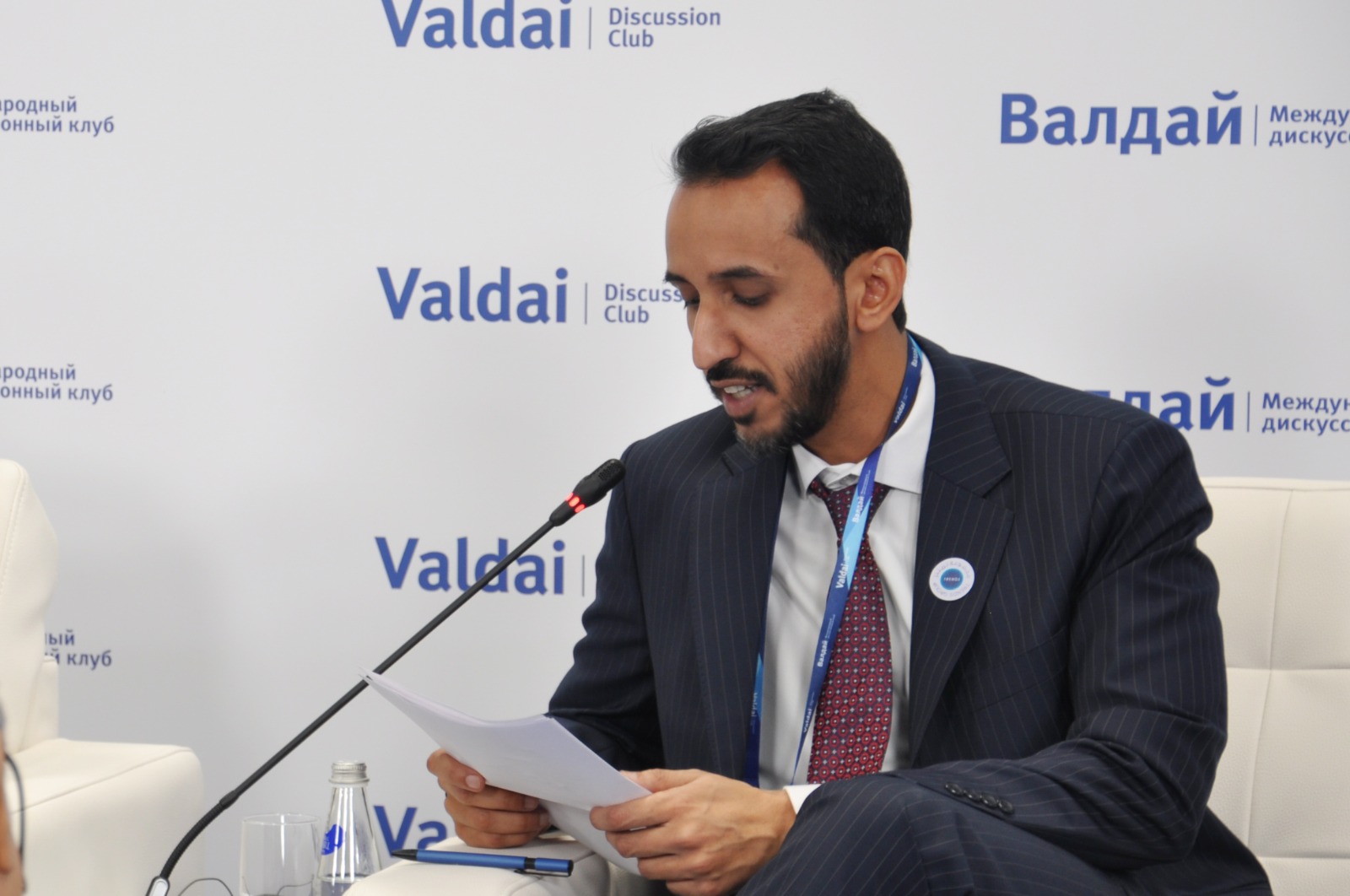
The Failure of Ideological Alignments
The Head of the TRENDS Dubai Sector stressed that this pragmatic approach reflects an important lesson: ideological alignments and external security guarantees have failed to achieve regional security. As a result, regional powers today seek to manage threats rather than eliminate them, and to contain crises rather than resolve them conclusively. While this flexibility reduces the risk of a large-scale regional war, it also normalizes a condition of chronic instability and persistent uncertainty, he added.
He explained that external powers, particularly the United States, no longer act as guardians of regional balance. Instead, they have become active players within a fragmented competitive arena. Although their influence remains significant, it is increasingly constrained by domestic politics, global strategic overstretch, and a declining willingness to sustain long-term commitments.

Managing Regional Crises
Al-Mahri pointed out that the erosion of rigid alliances and alignments opens space for diplomacy, de-escalation, and the development of regional mechanisms to manage crises. Economic interdependence, pressures linked to the energy transition, and post-conflict reconstruction requirements all serve as incentives for cooperation.
He concluded that the Middle East is heading toward a state of managed instability, a system in which escalation risks are contained while comprehensive solutions remain elusive. In this environment, survival and influence depend less on maximizing power and more on timing, calculated adjustment, and strategic patience. The ability to “respond at the right moment” remains important, but only when embedded within a broader political, economic, and diplomatic strategy.
