


– Dr. Ismail Abdel Ghafar: The initiative aims to create an aware generation capable of critical thinking and impact-making
– Dr. Mohammed Al Ali: The UFUQ initiative aspires to shape an Arab governance framework for the research and media uses of artificial intelligence
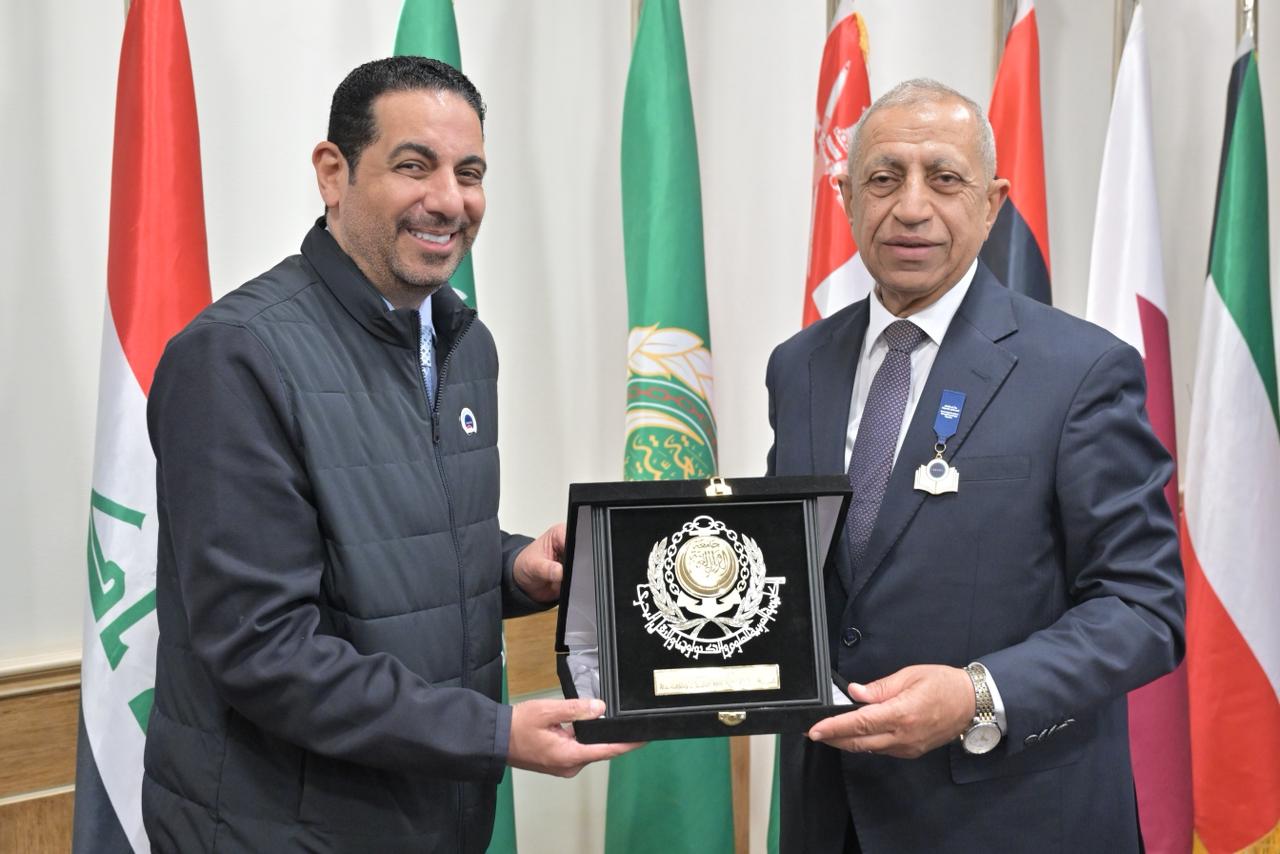
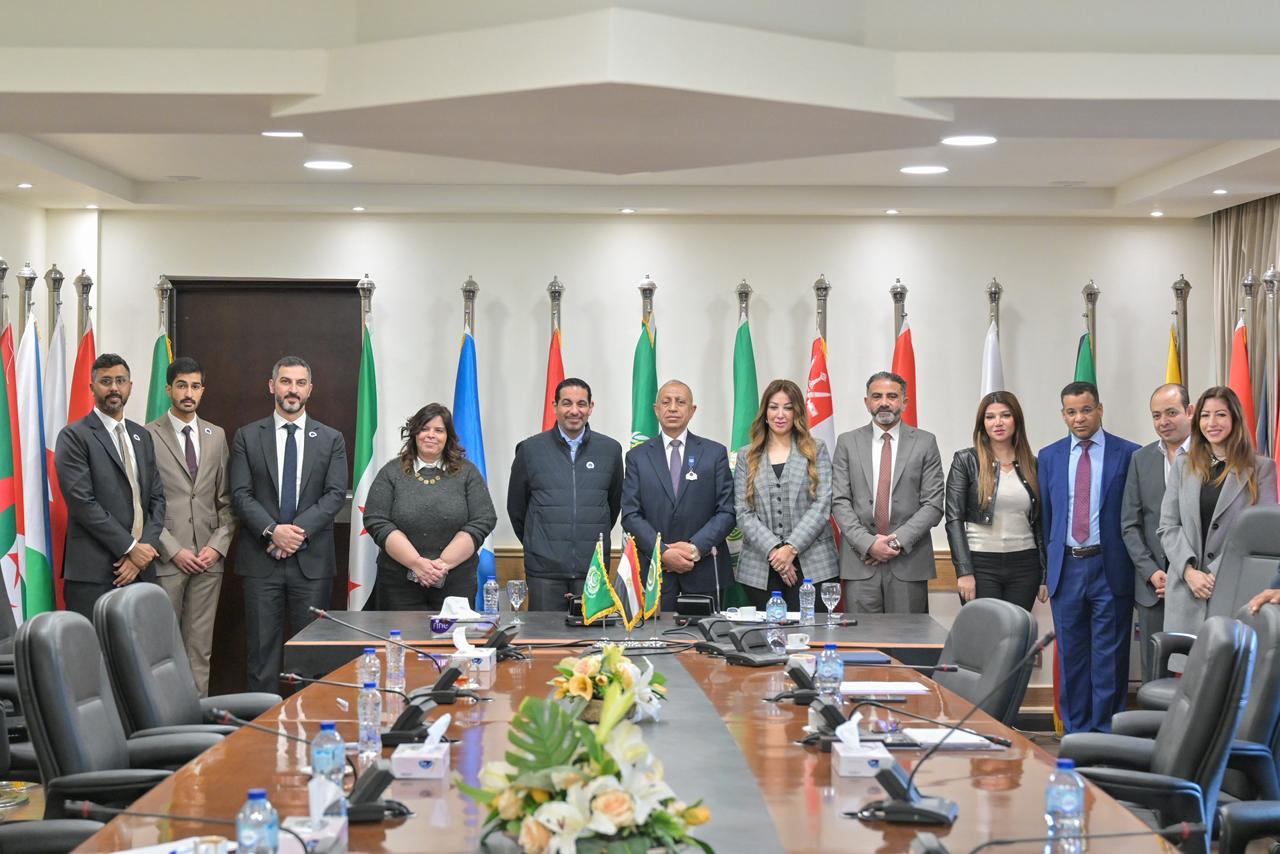
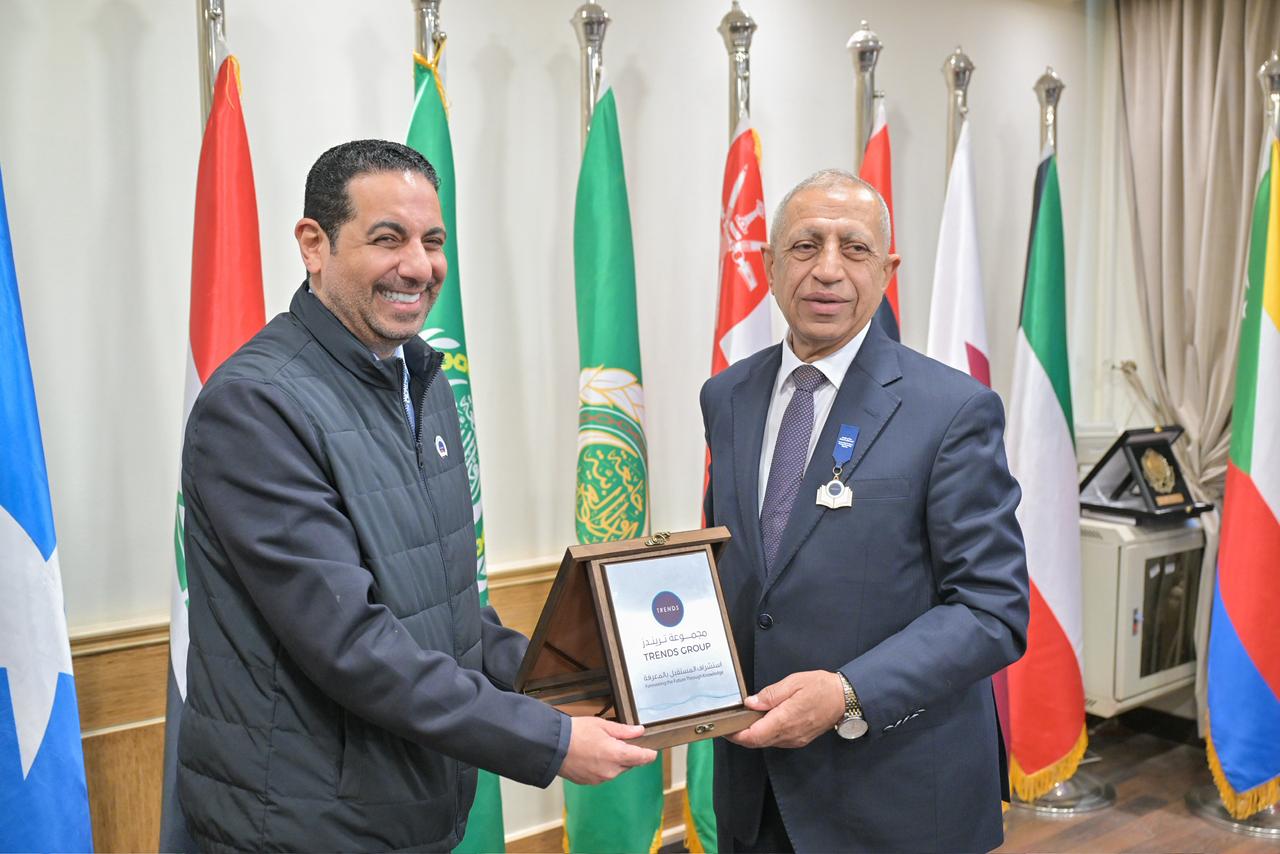
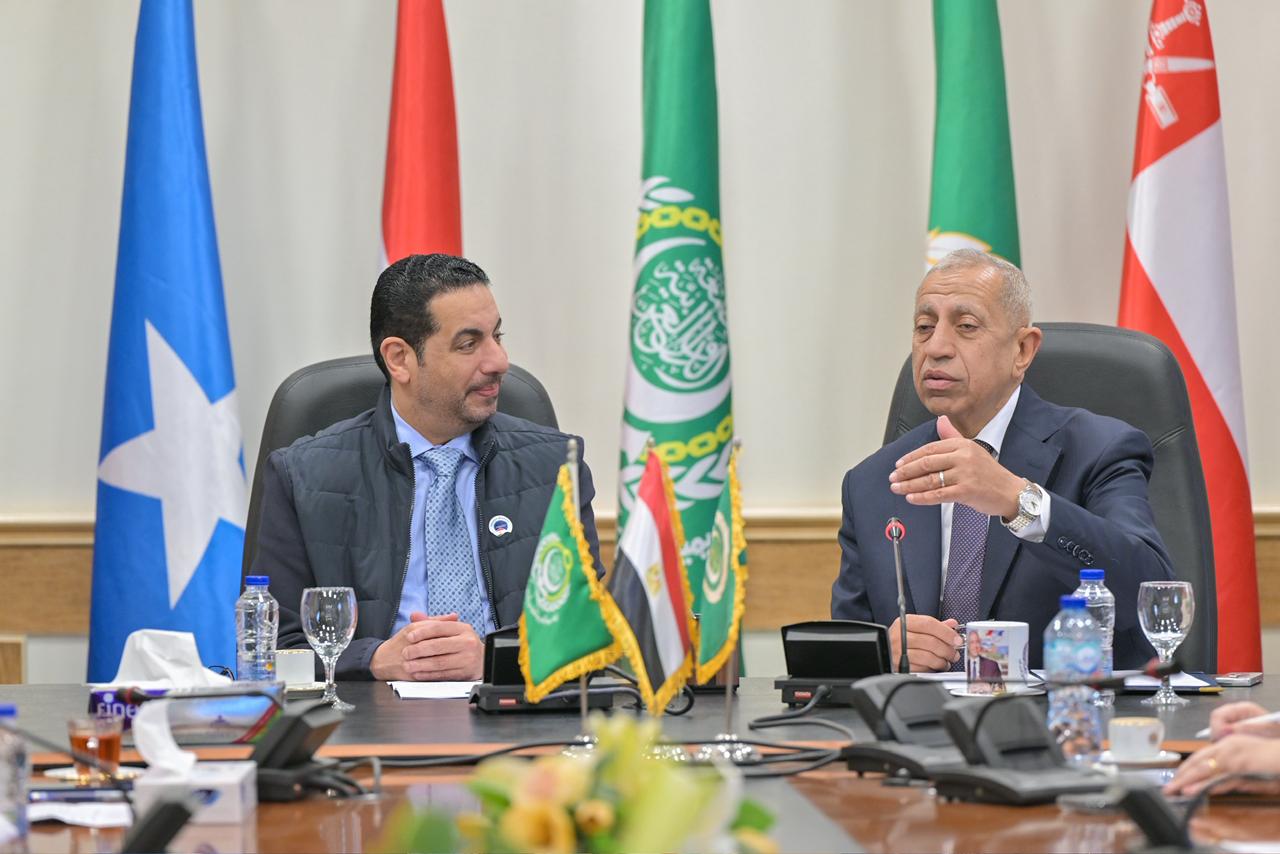
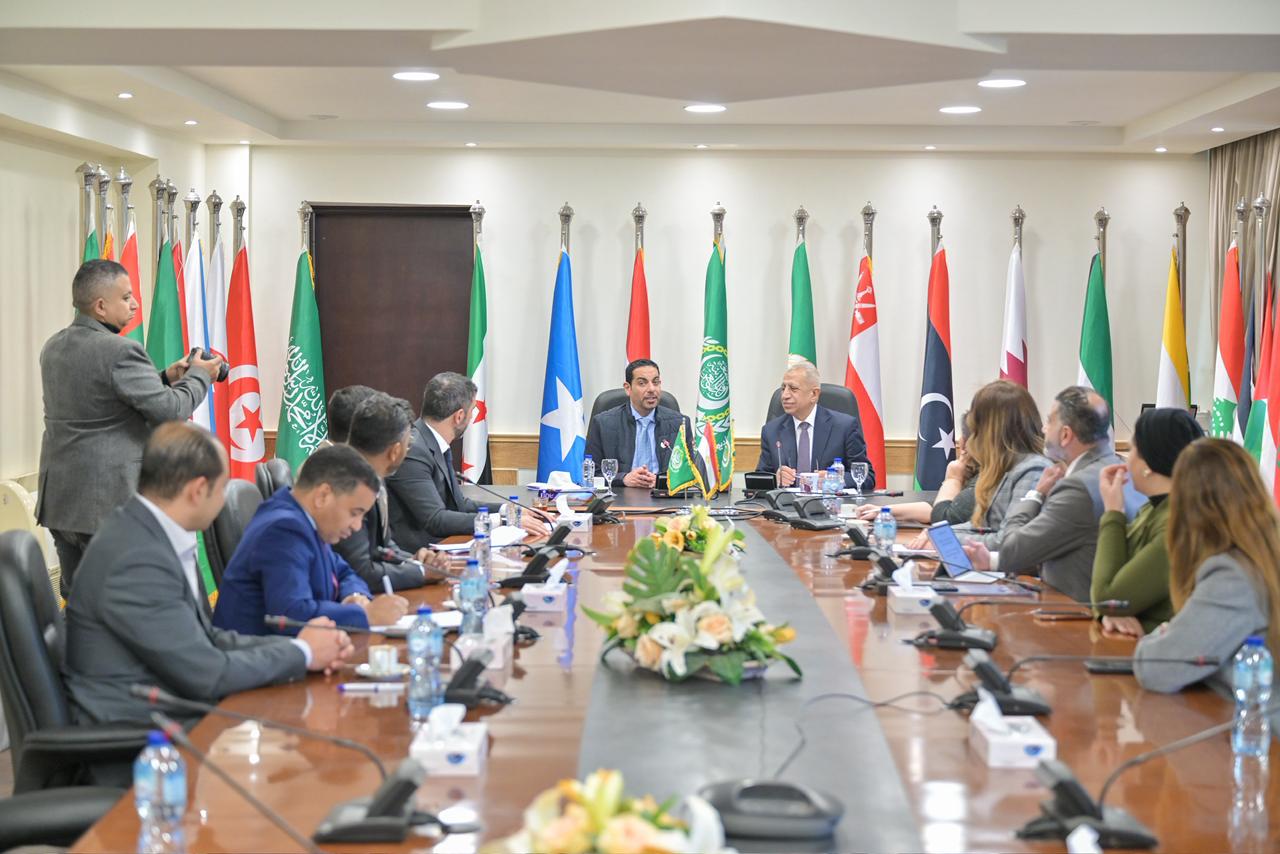
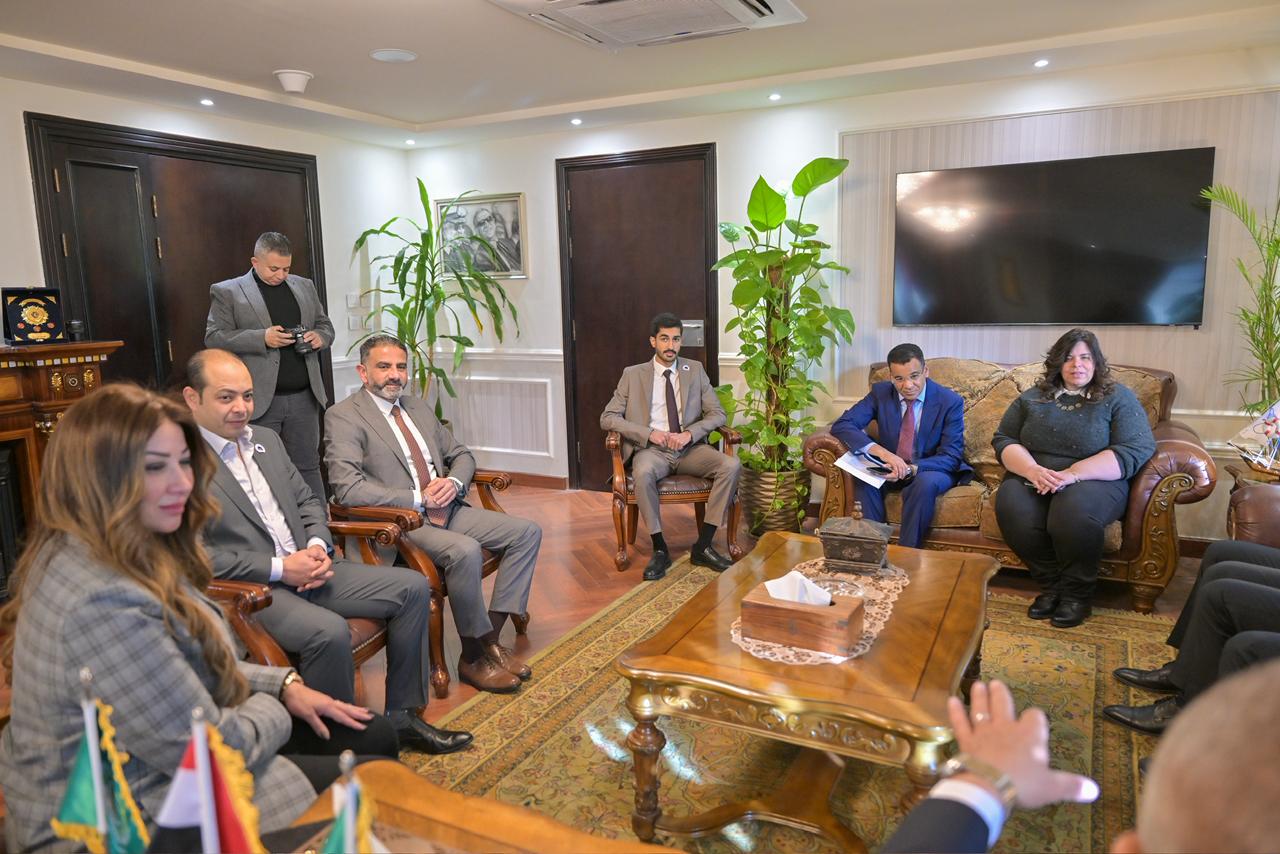
To activate their existing cooperation and partnership, TRENDS Research & Advisory and the Arab Academy for Science, Technology and Maritime Transport, a specialized academic organization affiliated with the League of Arab States, officially launched the UFUQ creativity initiative. The launch happened alongside the introduction of the “Sustainable Water Security from the Perspective of Modern Media” category, as part of the third edition of the TRENDS Hub Award for Scientific Research, implemented in partnership with the Academy. The launch took place during a roundtable held at the Academy’s headquarters in Cairo.
The pioneering initiative targets Arab youth and seeks to build a new generation of researchers and media professionals capable of leadership, innovation, and entrepreneurship, and of creating impact through artificial intelligence tools and solid scientific research skills. The initiative is the result of cooperation between TRENDS and the Arab Youth Media Creativity Summit. It serves as a bridge between scientific research and media creativity by launching youth initiatives and research projects and organizing training programs, qualification courses, and interactive workshops to elevate the skills and capabilities of younger generations.
Impact-making
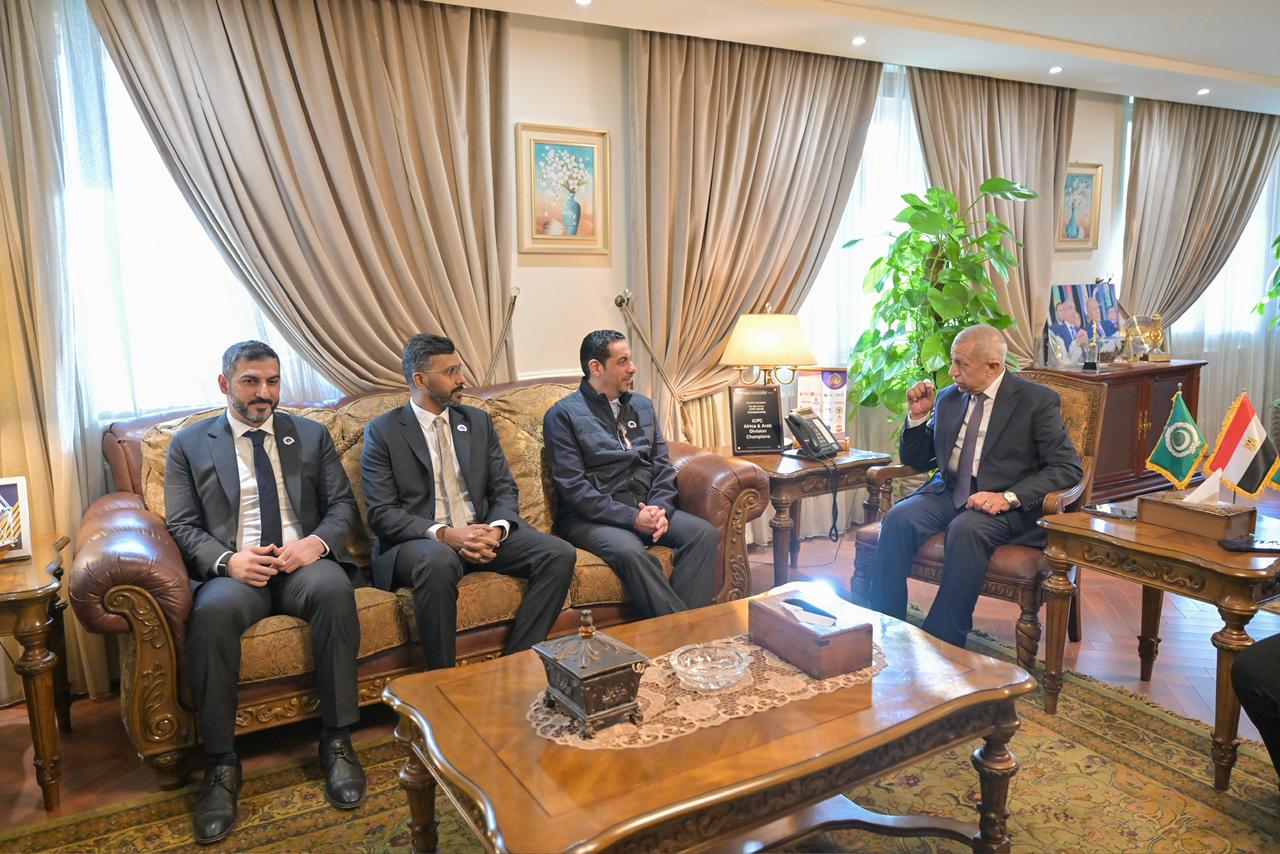
In his keynote address at the roundtable, Dr. Ismail Abdel Ghafar, President of the Arab Academy for Science, Technology and Maritime Transport, said that the UFUQ initiative represents the outcome of constructive cooperation between the Academy and TRENDS Research & Advisory, within a shared vision focused on supporting Arab youth, strengthening their capabilities in scientific research and media, and opening new pathways for innovation and impact-making. He added that the launch of the initiative does not occur in isolation from previous efforts, but instead constitutes a practical implementation and a genuine translation of the recommendations and outcomes of the Arab Youth Media Creativity Summit, whose various sessions emphasized the importance of moving from discussion and idea generation to implementation.
Supporting creativity and innovation
Dr. Abdel Ghafar explained that the initiative stems from a firm belief that Arab youth possess the energy and potential needed to be active partners in shaping the future. UFUQ seeks to build a strong bridge between scientific research and media creativity, placing knowledge at the heart of sustainable development. He noted that the initiative’s objectives are embodied in an integrated package of training courses, qualification programs, and interactive workshops, as well as the launch of youth initiatives and research projects. These efforts aim to create an aware generation capable of critical thinking and effective participation in comprehensive development, especially as the media has become an authentic partner in sustainable development.
Ethics of Research
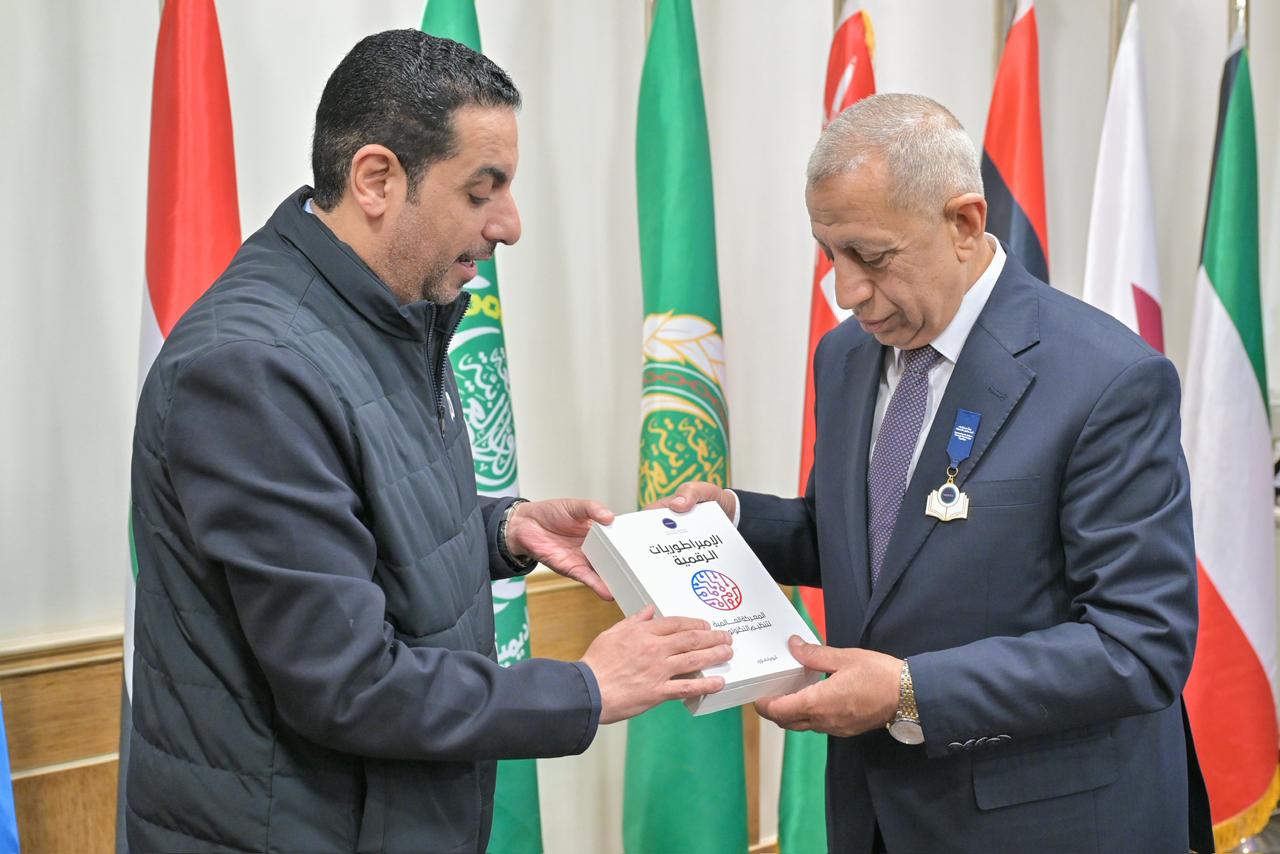
For his part, Dr. Mohammed Abdullah Al Ali, CEO of TRENDS Research & Advisory, emphasized in his keynote address that UFUQ is a pioneering creative initiative that places itself at the center of sustainable development in Arab societies. It does so by contributing to the training of young media professionals and researchers in the fundamentals of scientific research and in the effective use of technology, particularly artificial intelligence tools and applications, in their professional work. He also stressed the importance of adhering to the ethics of scientific research and media codes of conduct when writing research and studies, and when publishing reports and articles. In particular, the initiative aims to shape an Arab governance framework for the use of artificial intelligence in research and media.
Dr. Al Ali noted that the initiative seeks to achieve its goals through launching youth initiatives and research projects, and by organizing training programs, qualification courses, and interactive workshops targeting young people across the Arab world. He added that the initiative reflects a profound shift in how media is understood, from merely a conveyor of news to an essential partner in advancing comprehensive and sustainable development. It also reflects a new view of scientific research, not as a purely academic dialogue, but as a driver and enabler of development efforts. He concluded by affirming that this joint initiative between TRENDS and the Arab Academy will advance media and scientific research among youth, who are the backbone of sustainable development in our Arab societies.
Development and Awareness
The roundtable discussion, moderated by Dr. Sherif Mowafy, Director of the Central Administration for Training and Consulting at the Arab Academy for Science and Technology and Executive Director of the Arab Youth Media Creativity Summit, opened with remarks by Dr. Sally Gad, Vice Dean of the Faculty of Language and Media for Education Affairs at the Arab Academy and Vice Chair of the Summit.
Dr. Gad emphasized that water security has become a strategic challenge confronting Arab countries, not only as a matter of natural resources but also as a matter of development, stability, and national security. Water, she noted, is no longer simply a resource; it is now an issue of public awareness, good governance, and shared responsibility between the state and society.
She noted that, in water security, the media has become a powerful strategic tool for building awareness, shaping public opinion, and fostering societal consciousness. She stressed that the proper role of the media is to move beyond seasonal or event-driven coverage toward sustained, knowledge-based engagement with water security.
Dr. Gad added that the UFUQ initiative reflects a firm belief in the media’s role as a strategic partner in sustainable development and as a platform for creating and empowering young media professionals who are well informed about critical issues. She emphasized that water security is a shared responsibility. She informed that responsible media represents the first line of defense in safeguarding this vital resource and ensuring its sustainability for future generations.
Digital Transformation Strategy
Nasser Al Ali, Head of the Media Sector at TRENDS Research & Advisory, affirmed that many countries worldwide are facing growing water challenges, including the UAE, which is located in a semi-desert region and has limited natural water resources.
However, the UAE recognized early on that water security is not merely an environmental issue, but a fundamental pillar of national, economic, and social security, he noted. As a result, the strategic choice was to pursue digital transformation and deploy modern technologies to develop more efficient, sustainable water management systems.
He added that the significant role of new media, particularly social media platforms, cannot be overlooked in raising awareness and influencing societal behavior regarding water consumption. Media has become a driver of social change, enabling outreach to broad segments of society, especially youth, through innovative and interactive content that encourages water conservation and creative approaches to water use.
Dr. Al Ali further explained that while new media is a tool for awareness, modern digital technologies represent the core element in turning that awareness into action. The value of these technologies lies in their integration with new media, which play a central role in disseminating these innovations and increasing public awareness of how to apply them effectively.
Building Societal Awareness
Zayed Al Dhaheri, a researcher at TRENDS Research & Advisory, explained that social and development issues require integrated roles and coordinated efforts across sectors. He noted that the media stands at the forefront of these sectors due to its strong ability to influence public opinion and shape societal awareness. He also highlighted the pivotal role of civil society organizations, as they are closest to communities and best positioned to identify their needs.
He stressed that effective partnerships enable the media to deliver deeper, more credible content, while allowing civil society institutions to communicate their messages more broadly and effectively through traditional and digital media platforms, as well as new media tools. Such partnerships also help strengthen trust among different segments of society and reinforce a culture of participation and social responsibility.
Al Dhaheri concluded that building strong strategic partnerships between media institutions and civil society organizations represents a genuine investment in societal awareness and an effective means of supporting comprehensive development. Through this integration, the media can evolve from a transmitter of messages into a partner in driving positive change and building a more aware, cohesive, and sustainable future.
Public Awareness Management
Dr. Heba Nayef, Dean of the Faculty of Language and Media at the Arab Academy for Science and Technology, emphasized that the media’s role in times of crisis extends far beyond news reporting. It has become a pivotal instrument for managing public awareness, shaping meaning, and preserving social cohesion.
She noted that the launch of the UFUQ initiative reflects a strategic understanding of the need to shift toward research- and analysis-driven media, as the initiative’s name carries deep symbolic significance. The initiative also aligns with the Arab Academy’s vision of extending its role beyond the university campus to reach the wider community.

