


#Experts and Specialists:
-Effective soft power depends on sustained people-to-people engagement and academic exchange
-Small and middle powers have found cultural and educational diplomacy to be practical tools for strengthening their international presence
-Soft power is increasingly exercised through culture, education, development assistance, and diplomacy
TRENDS Research & Advisory concluded its research and knowledge events for 2025 by organizing a workshop through its Dubai office titled Soft Power in Comparative Perspective: Small and Middle Power Diplomacy in a Changing World. The workshop was held in partnership with the Arab-German Young Academy of Sciences and Humanities (AGYA) and Germany’s Federal Ministry of Research, Technology, and Space, at TRENDS’ headquarters in Abu Dhabi.
Participants in the workshop, moderated by Mariam Al-Jneibi, Researcher at TRENDS, affirmed that small and middle powers have increasingly turned to cultural, educational, and developmental diplomacy as practical tools to enhance their international presence and build sustainable partnerships. They emphasized that adequate soft power depends on sustained people-to-people engagement, with academic exchange serving as a core platform for building resilient, long-term relationships. Speakers noted that soft power is now exercised through culture, education, development assistance, and diplomacy by integrating cultural assets with effective diplomatic practices, development initiatives, and multilateral regional and international engagement.
Effective Strategic Tool
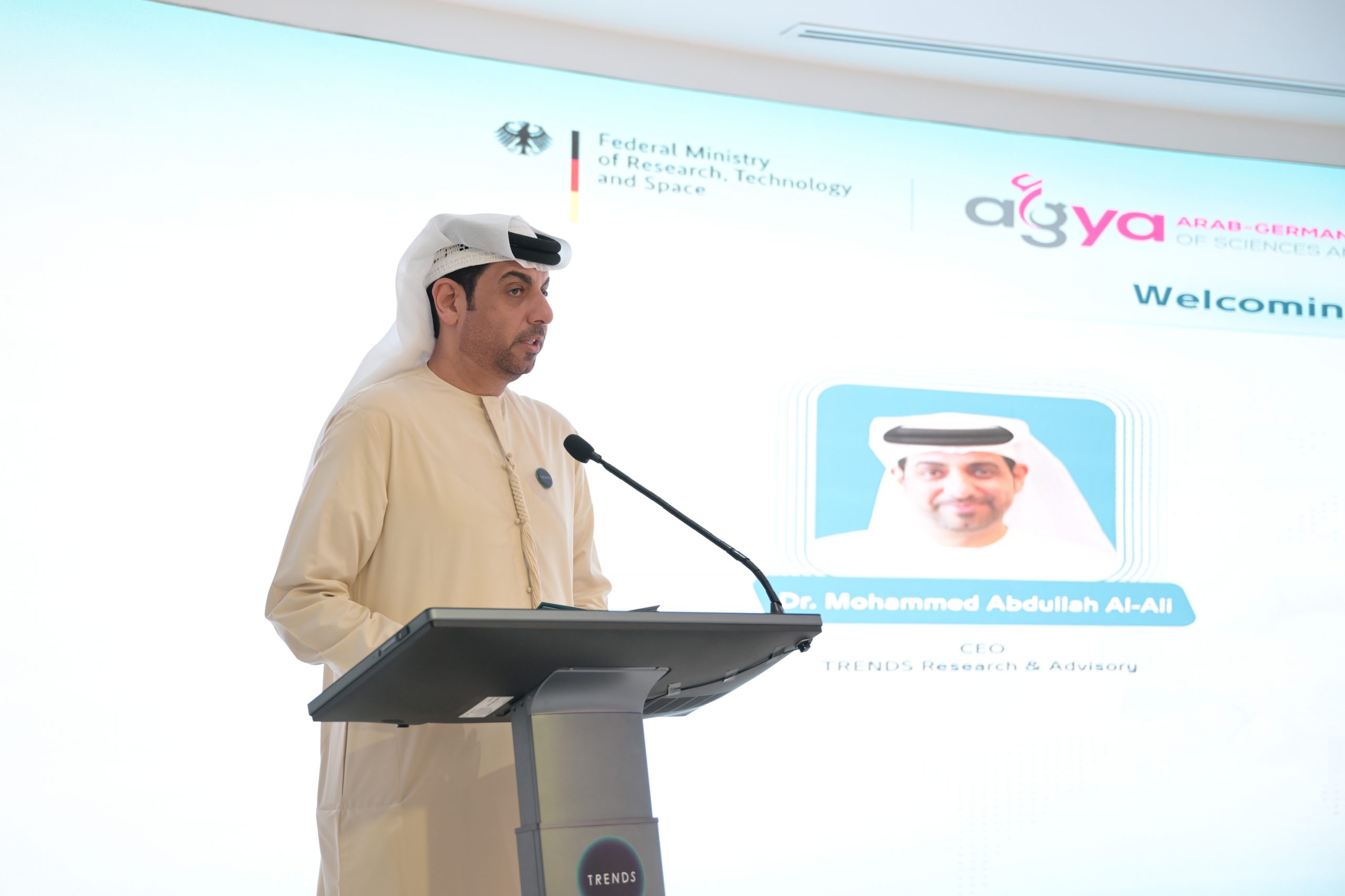
In his welcoming remarks, Dr. Mohammed Abdullah Al-Ali, CEO of TRENDS Research & Advisory, stated that developments over the past few decades have produced profound shifts in power and sources of influence. He noted that hard power alone is no longer sufficient to achieve national interests or build international standing. Instead, soft power has emerged as an effective strategic tool, particularly for small and middle powers, which have found in cultural, educational, and developmental diplomacy a means to enhance their global presence and forge sustainable partnerships.
Dr. Al-Ali explained that Germany and several Arab countries offer rich and diverse experiences in this field. Through investment in culture, education, scientific research, and dialogue, these countries have succeeded in shaping positive narratives about themselves and contributing to stronger mutual understanding and international cooperation. However, he emphasized that a fundamental question remains: how can the effectiveness of these tools be measured, and what are the limits of their influence in a world marked by intensifying geopolitical competition and rapid change?
Sustained People-to-People Engagement
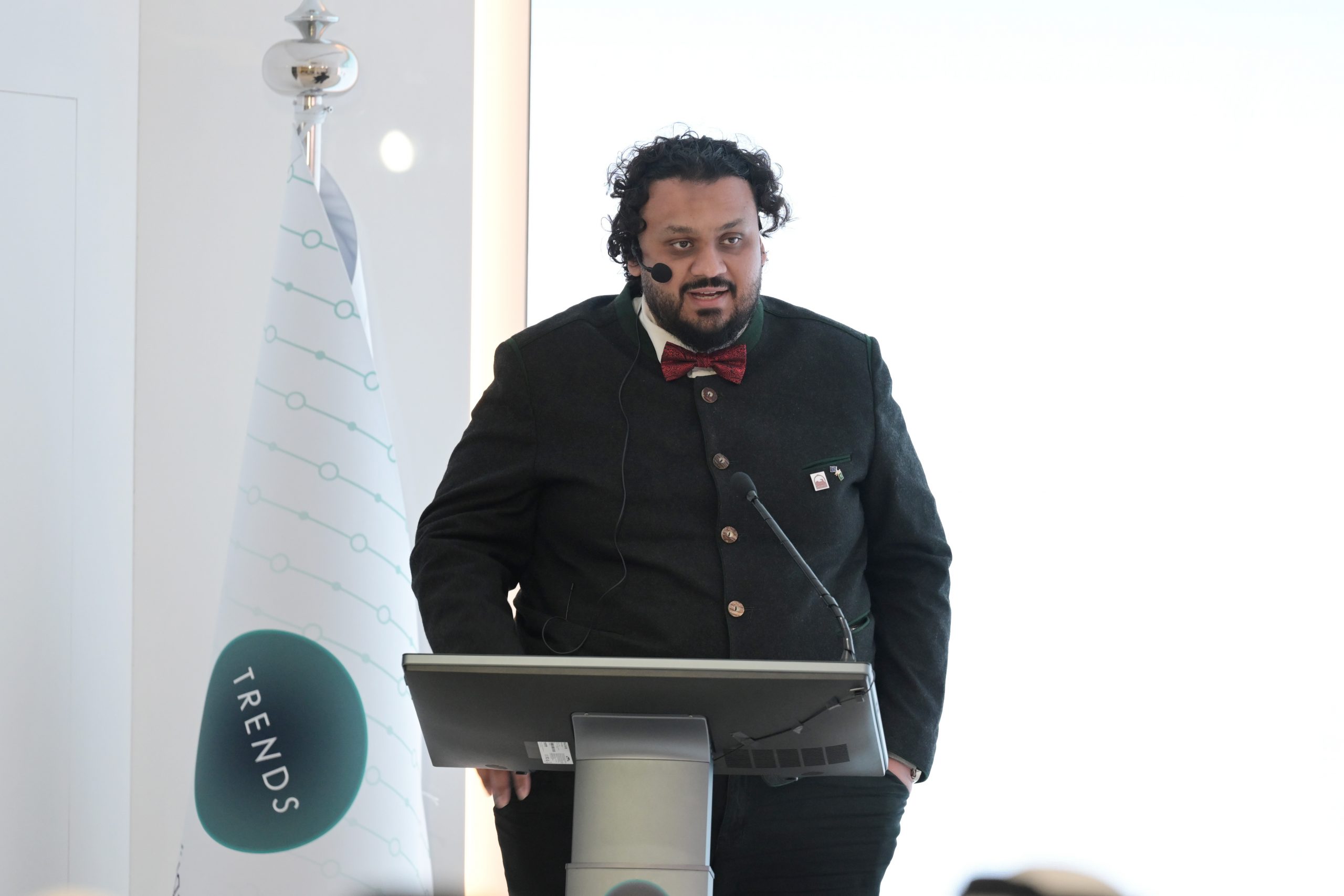
In his opening remarks, Dr. Mujtaba Ali Isani, Professor of Political Science, the German Academic Exchange Service (DAAD), and the Arab-German Young Academy of Sciences and Humanities (AGYA), emphasized that AGYA’s activities constitute science diplomacy and soft power. He noted that these initiatives strengthen relations between Germany and Arab countries, including the UAE. Dr. Isani stressed that adequate soft power depends on sustained people-to-people engagement and that academic exchange serves as a fundamental platform for building resilient, long-term relationships. He underscored the importance of future cooperation among AGYA, TRENDS Research & Advisory, and the National Defence College to build enduring ties among states.
Enabling Collective Action
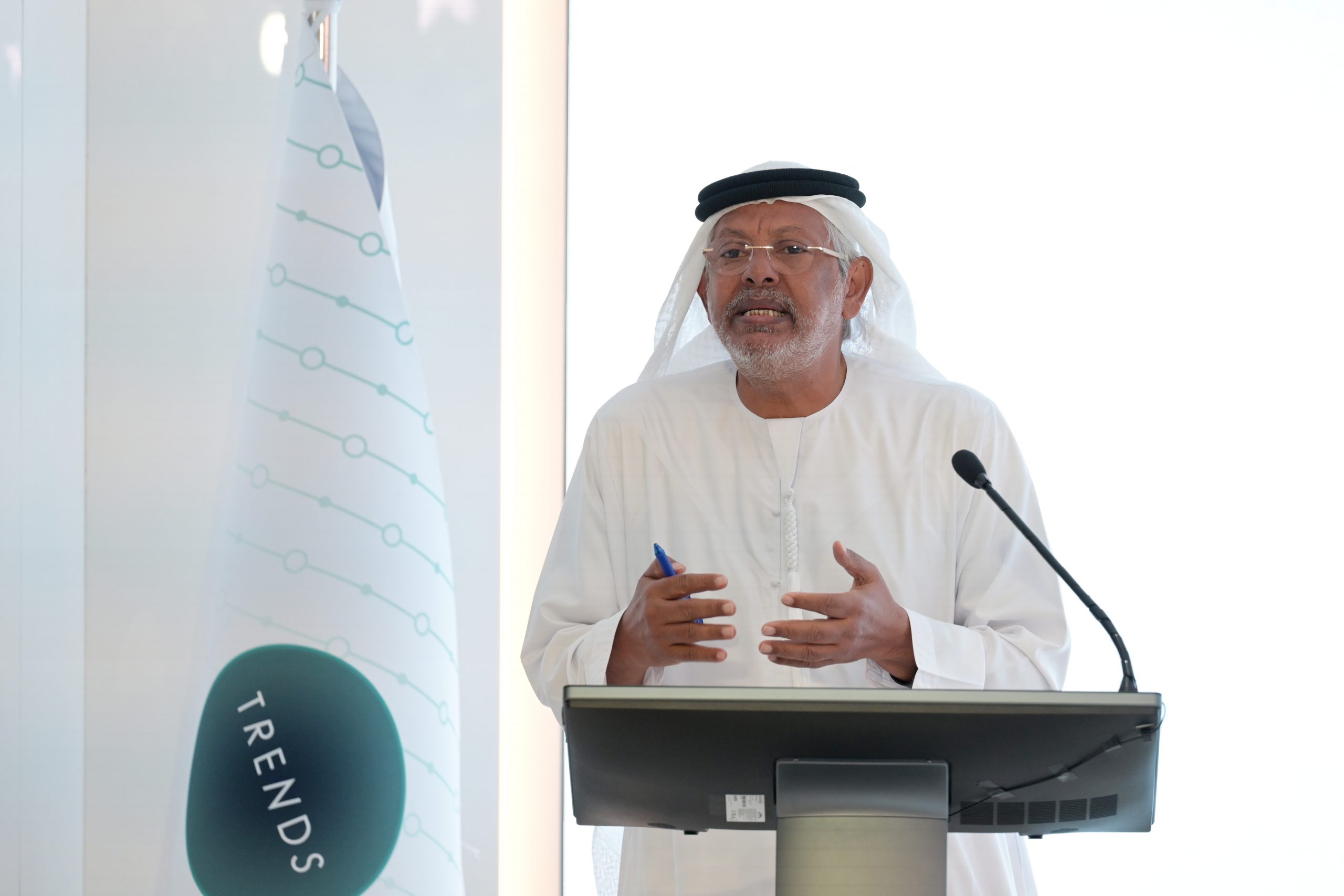
Professor Al-Badr Al-Shateri of the National Defence College in the UAE delivered a keynote address examining the various dimensions of power in international relations. He explained that diplomacy combines persuasion with material capabilities, distinguishing between coercive diplomacy and public diplomacy. He highlighted contrasts between assertive contemporary approaches, such as so-called “wolf warrior diplomacy,” and strategies that rely on culture, institutions, and civil society to shape perceptions and preferences. He also stressed the importance of legitimacy in sustaining influence and enabling collective action, linking classical theory with the art of modern governance. He concluded by emphasizing the concept of smart power, the strategic integration of hard and soft tools, and the need for clear conceptual distinctions to support effective policymaking.

Cultural Diplomacy
The first panel discussion — Cultural Democracy and Soft Power — was moderated by Dr. Mohammed Abu Ghazleh, Senior Researcher at TRENDS Research & Advisory. During the session, Dr. Mujtaba Ali Isani, Professor of Political Science, the German Academic Exchange Service (DAAD), and the Arab-German Young Academy of Sciences and Humanities, delivered a detailed presentation on the various approaches Germany employs to strengthen its relations in the Arab world and beyond through cultural diplomacy. He focused in particular on Germany’s diverse academic exchange programs, which foster people-to-people engagement by involving young academics from Germany and the Arab world.
Education and Development Initiatives
Dr. Riham Ashraf Bahi, Associate Professor at the Faculty of Economics and Political Science, Cairo University, and the National Defence College in the UAE, addressed advanced soft power practices adopted by middle powers in a rapidly changing international environment. She presented Egypt as a case study, explaining how the country deploys soft power through culture, education, development assistance, and diplomacy, particularly across Africa.
She noted that Egypt has adapted these tools to confront contemporary challenges by combining cultural assets with effective diplomacy, development initiatives, and multilateral engagement to enhance its international image and influence. She also highlighted Egypt’s role as an active bridge-builder and mediator, as well as its efforts to diversify partnerships and pursue strategic balance.
Values of Openness and Tolerance
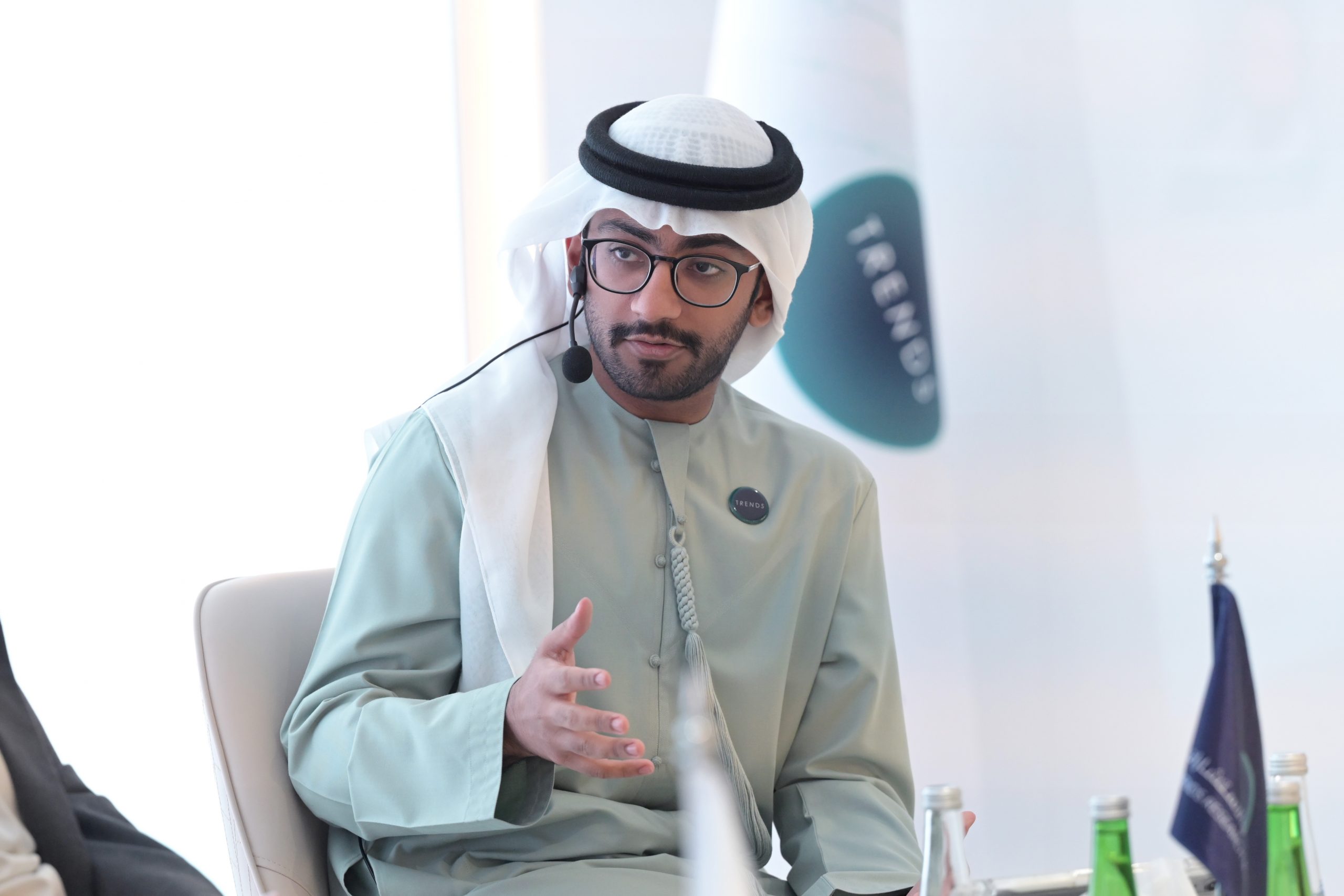
Abdullah Abdulrahman Al-Khaja, Researcher at TRENDS Research & Advisory, emphasized that the UAE views soft power as a strategic tool within its foreign policy, integral to its broader diplomatic approach, national positioning, and international engagement. Rather than treating cultural diplomacy as symbolic, the UAE deploys it to promote values of openness, tolerance, stability, and cooperation, thereby building trust and consolidating long-term relationships with global partners.
He noted that the digital era has brought about a profound transformation in this approach, shifting public diplomacy from periodic, state-led messaging to continuous engagement with international audiences. UAE digital platforms now enable the wide dissemination of cultural narratives, rapid responses to global developments, and direct communication with diverse segments of society.
Measuring Soft Power
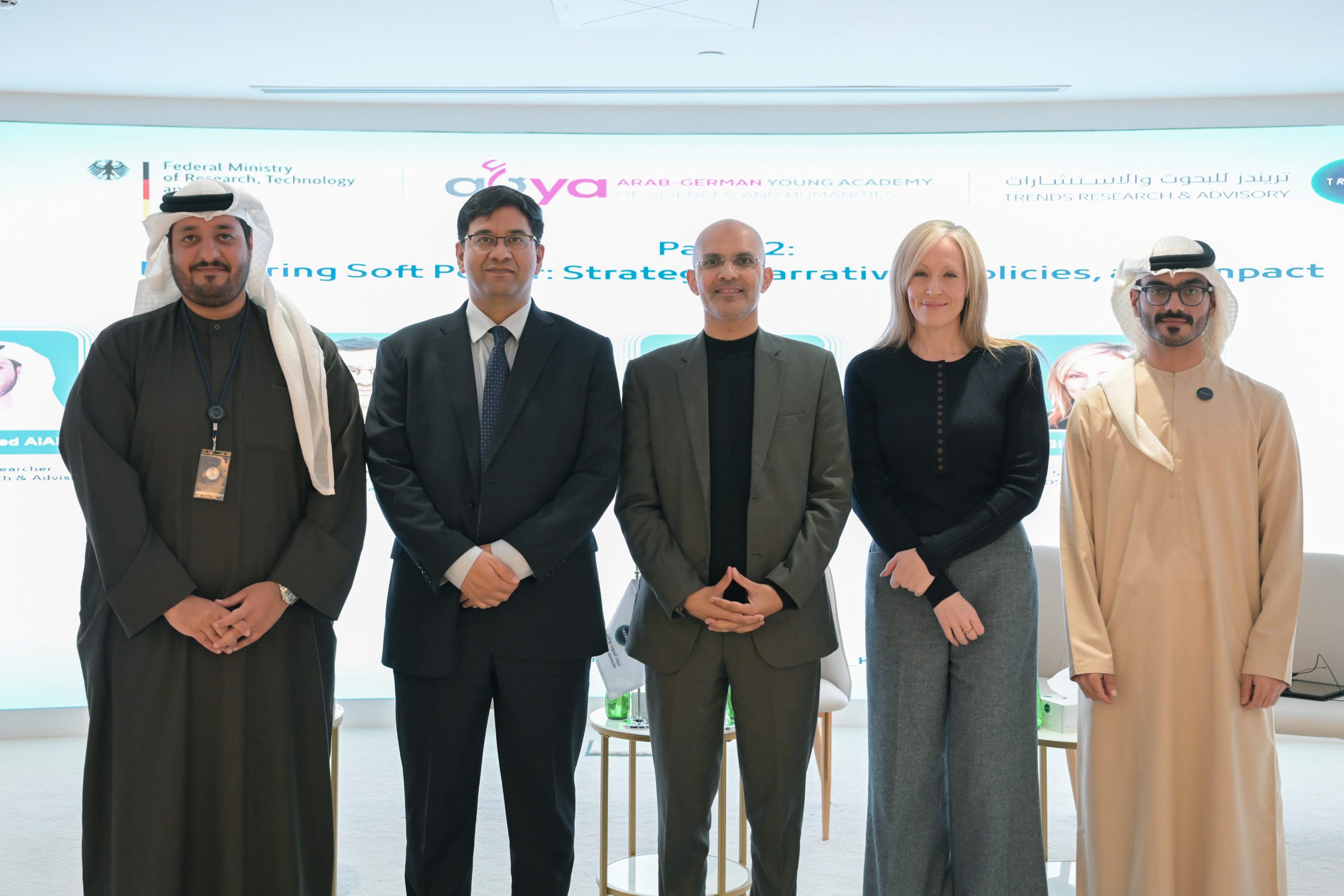
The second panel discussion — Measuring Soft Power: Strategic Narratives, Policies, and Impact — was moderated by Sultan Majed Al-Ali, Senior Researcher and Deputy Head of the TRENDS–Dubai Sector. The session featured Dr. Zahid Shahab Ahmed, Associate Professor at the National Defence College, UAE, who focused on assessing soft power using insights from his current and previous research on soft power in the Islamic world. Dr. Ahmed highlighted various dimensions of ideologically driven soft power and the methodologies used to measure it, drawing on a case study of the Kingdom of Saudi Arabia’s soft power dynamics.
Drivers of Attraction and Influence
Dr. Syed Ali Hussain, Assistant Professor at the University of Sharjah, examined how soft power can be better understood and measured through the lens of identity. He explained how religion, culture, history, and legitimacy function as key drivers of attraction and influence beyond material indicators. He noted that identity-based narratives, religious education, and cultural diplomacy operate as sustainable quality sources of soft power.
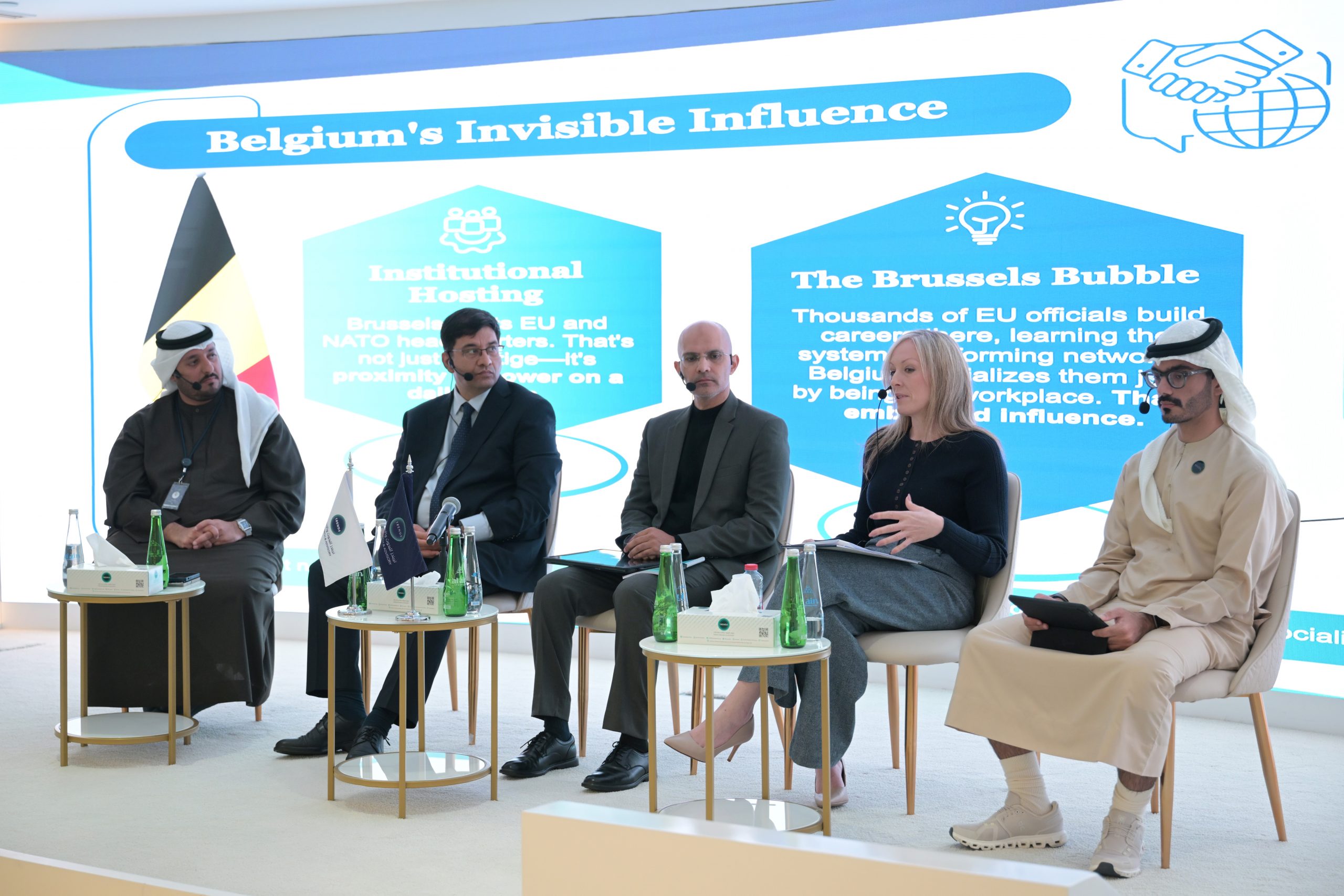
Gina Bou Serhal, Senior Researcher at TRENDS Research & Advisory, used Belgium as a case study to reassess prevailing approaches to measuring soft power. She highlighted the limitations of existing global soft power indices, noting that while many focus on visible indicators, they often fail to capture deeper, structural forms of influence rooted in institutional presence. Belgium, she explained, demonstrates how soft power can function through entrenched institutional positioning, hosting key decision-making bodies, raising policy awareness, and serving as a trusted neutral platform.
The Power of Ideas and Credibility
Rashed Al-Hosani, Researcher at TRENDS Research & Advisory, emphasized that the UAE represents a global model of how influence today extends beyond military power. While the UAE is often described as a “little Sparta” because of its defense capabilities, it has also been characterized as a “little Athens,” deriving its strength from ideas, openness, and institutional credibility. He noted that for small and middle powers, soft power has become a strategic tool for risk mitigation, expanding partnerships, and building influence. He added that the UAE’s outstanding performance has placed it at the top of global soft power rankings, alongside its active role in promoting tourism, economic connectivity, humanitarian action, and youth diplomacy.
