


TRENDS Research & Advisory participated in the first Eco Industrial Expo Forum and Exhibition, organized by the Sheikh Mohammed bin Khalid Cultural Center in Al Dhannah city, under the theme Smart Industry for a Clean Environment. The event was held under the patronage, and in the presence, of Sheikha Dr. Shamma bint Mohammed bin Khalid Al Nahyan, Chairperson of the Board of Directors of Sheikh Mohammed bin Khalid Al Nahyan Cultural and Educational Institutions, and was attended by H.E. Dr. Amna bint Abdullah Al Dahak, Minister of Climate Change and Environment, along with a distinguished group of officials, experts, and specialists in industry, sustainability, and environmental technology.
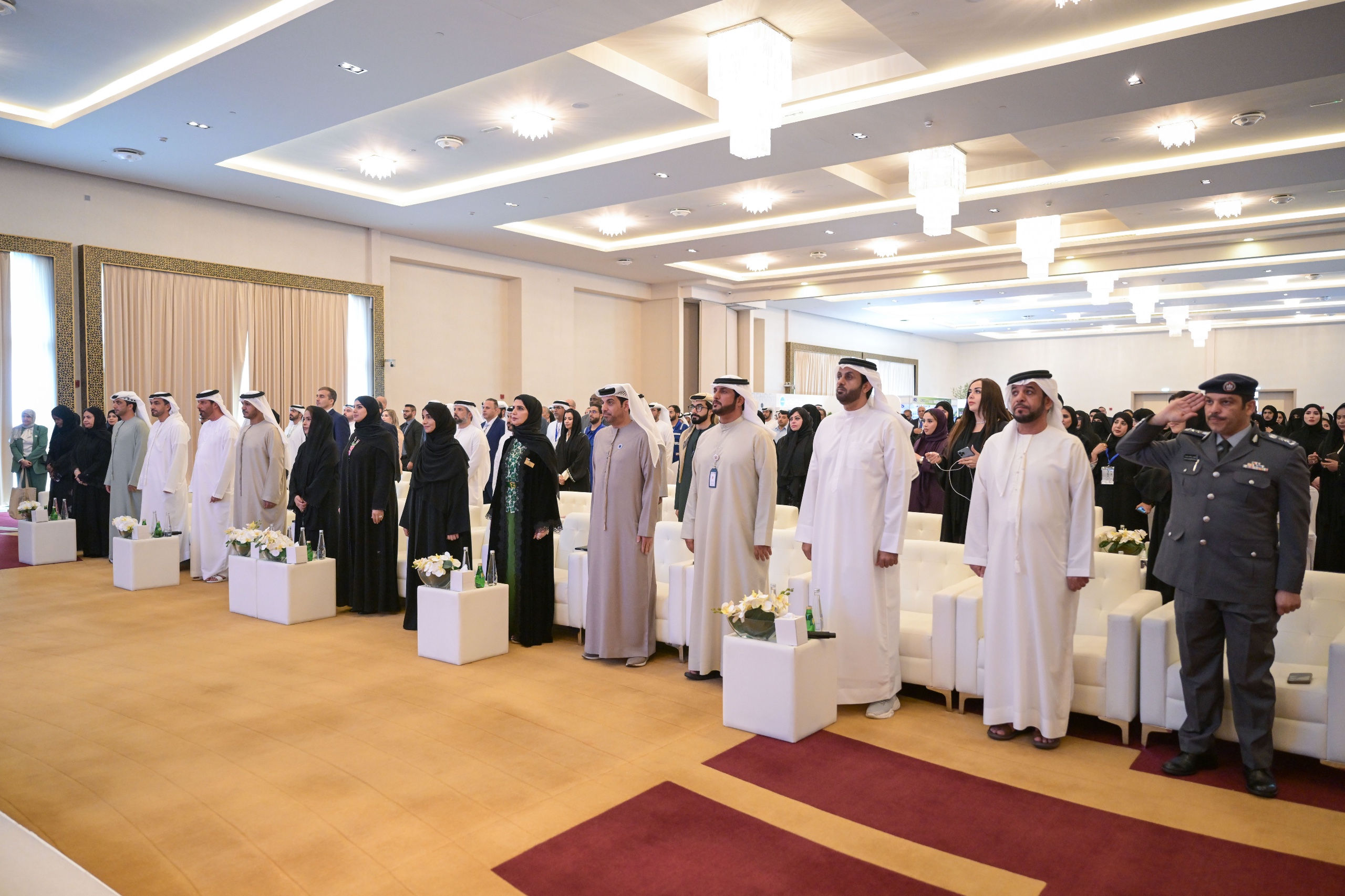
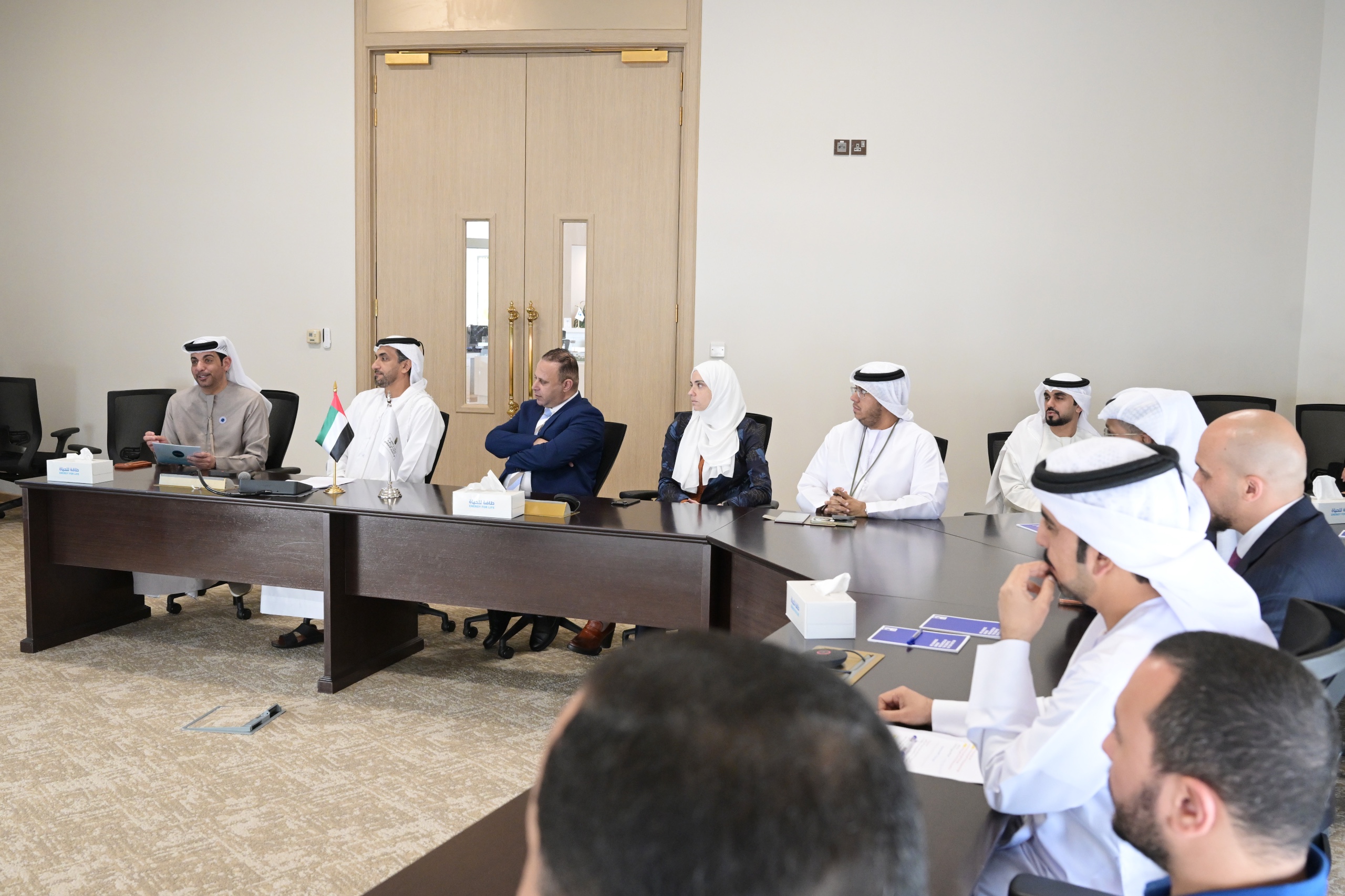
In his address, Dr. Mohammed Abdullah Al-Ali, CEO of TRENDS Research & Advisory, emphasized that integrating the circular economy into the industrial sector is a cornerstone for building a sustainable, smart industry that protects the environment and enhances quality of life. He stressed that this approach is no longer a discretionary choice, but a strategic imperative driven by current environmental and economic challenges.
Dr. Al-Ali thanked the forum organizers and commended the patronage of Sheikha Dr. Shamma bint Mohammed bin Khalid Al Nahyan. He noted that her support reflects a firm commitment to advancing sustainable development, strengthening environmental action, empowering women, and fostering cultural and intellectual vitality within Emirati society.
Circular Economy and Smart Industry
Dr. Al-Ali explained that the circular economy is built on responsible waste management and recycling to minimize resource depletion and maximize value extraction from materials and energy. This is achieved through the adoption of advanced technologies, more responsible consumption patterns, and environmentally sound waste-disposal practices, including product reuse via recycling, repair, or refurbishment.
He highlighted that implementing circular economy principles in industry delivers substantial economic and environmental benefits, including reduced pressure on natural resources, lower operational costs, decreased pollution, and reduced greenhouse gas emissions, while also contributing to ecosystem regeneration and improved quality of life.
He further noted that labeling an industry as “smart” depends on its ability to create a tangible positive impact on societal well-being. This, he said, is best achieved when circular economy principles are embedded as a long-term strategic framework rather than a short-term operational measure.
The UAE as a Leading Model
Dr. Al-Ali affirmed that the UAE has been a pioneer in embracing circular economy concepts, drawing inspiration from the vision of the late Sheikh Zayed bin Sultan Al Nahyan, may his soul rest in peace, to promote the responsible use of natural resources and protect the rights of future generations.
He pointed out that the UAE is among the first countries to establish clear strategies supporting the circular economy in industry, citing the regulatory framework for the circular economy in industry launched by the Abu Dhabi Department of Economic Development in December 2023. This framework seeks to reduce industrial operational waste by 50%, equivalent to at least 40,000 tons annually, achieve full compliance across key industrial sectors by 2030, and ensure complete adherence within the plastics industry by 2025.
Transition and Innovation
Addressing the challenges of this transition, Dr. Al-Ali explained that moving toward a circular economy requires structural changes in policies, regulations, and production practices, as well as a broader cultural shift in consumer attitudes and consumption behaviors.
He underscored the central role of technology in accelerating this transformation, particularly through investments in advanced recycling systems, digital platforms, and smart solutions that enhance resource efficiency and optimize supply chains.
Concluding his remarks, Dr. Al-Ali reiterated that the future of industry depends on its ability to align economic growth with environmental responsibility. He called for stronger collaboration between the public and private sectors and increased investment in innovation to build a sustainable industrial ecosystem that drives prosperity while safeguarding the environment for future generations.
TRENDS Pavilion at the Forum
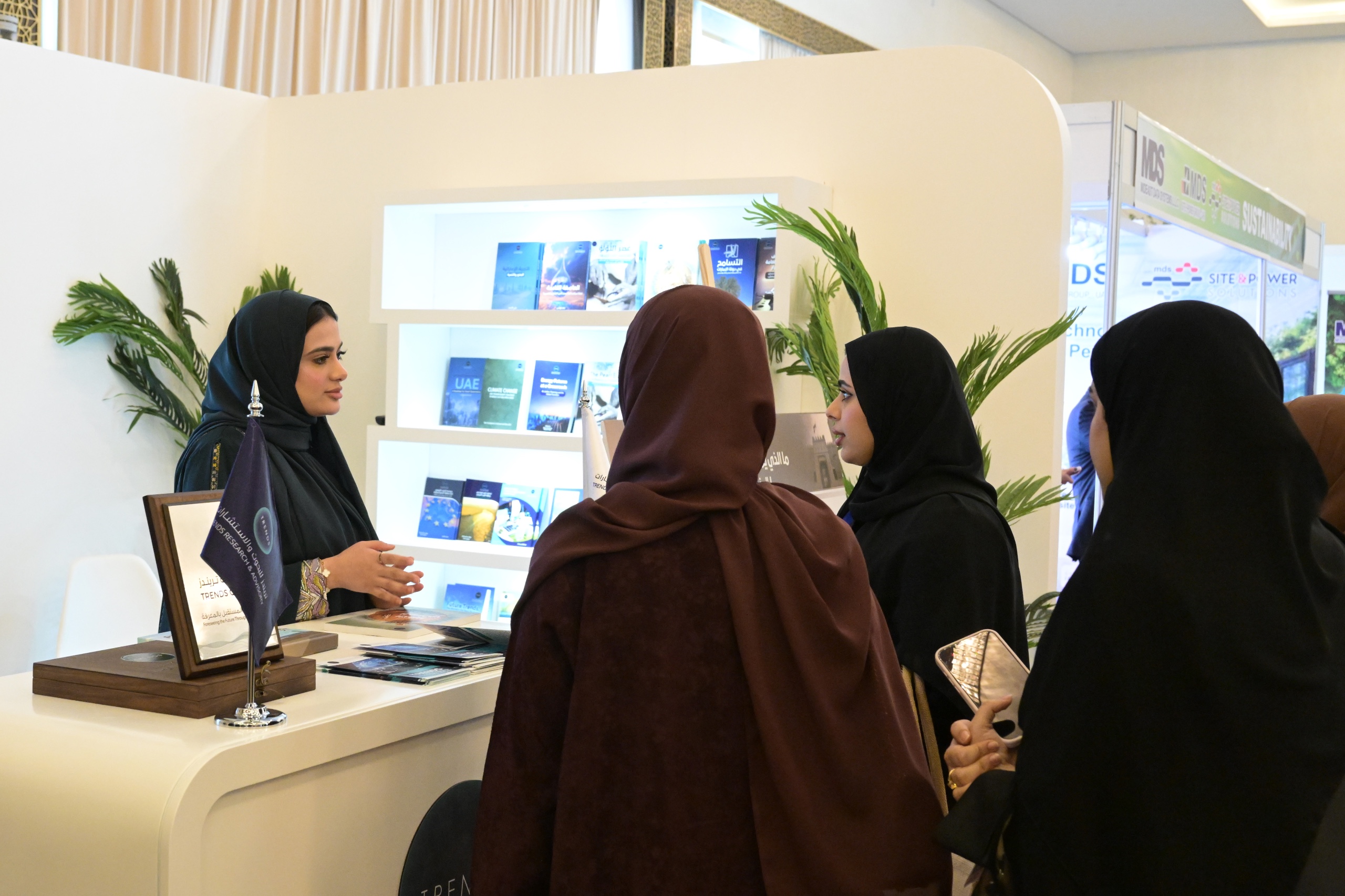
On the sidelines of the forum, the TRENDS Research & Advisory pavilion showcased the Center’s latest research and intellectual publications addressing sustainability, the circular economy, smart industry, and global environmental and economic transformations, reflecting TRENDS’ research-driven and knowledge-based role in supporting public policy and decision-making.
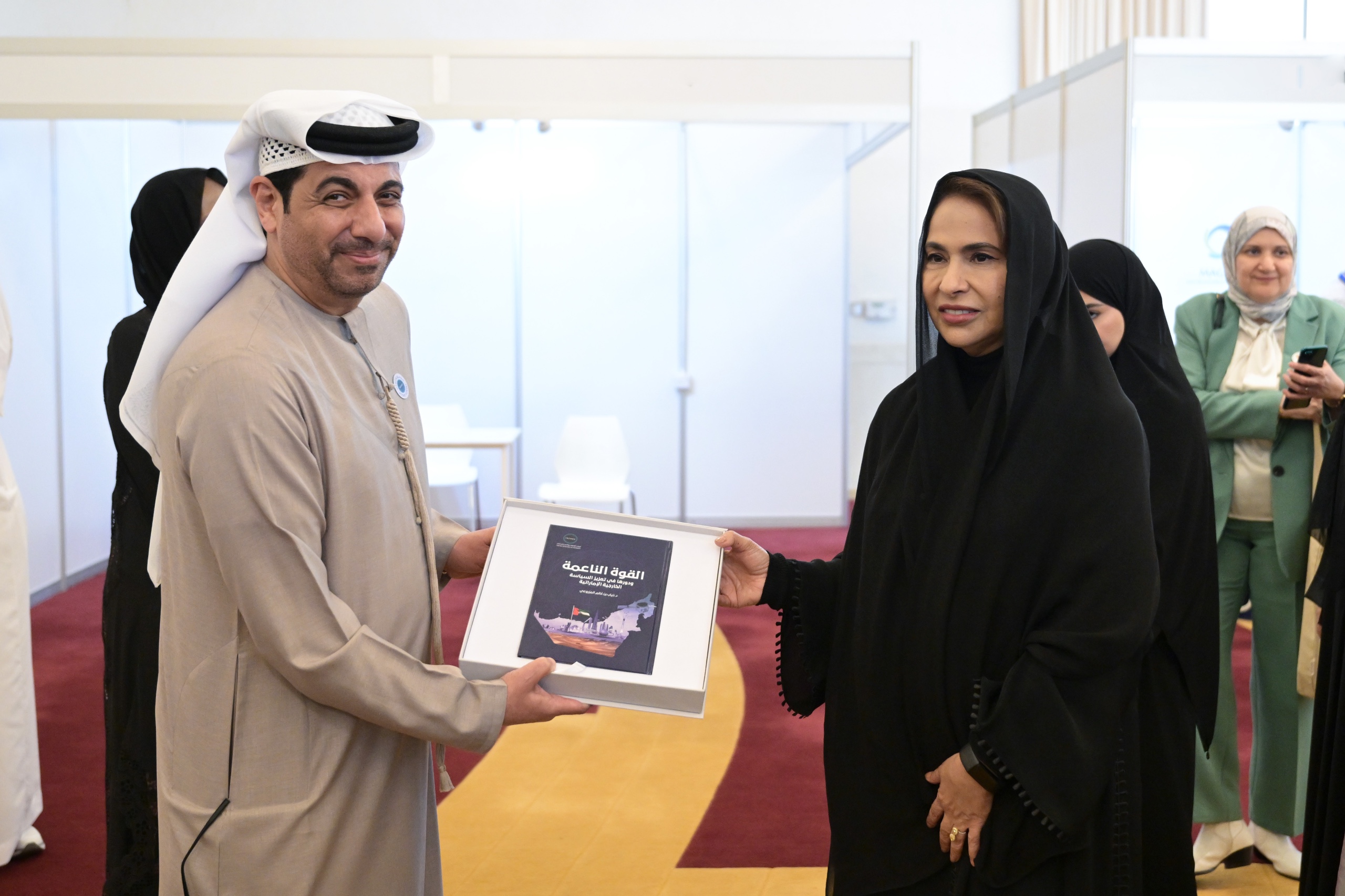
H.E. Sheikha Dr. Shamma bint Mohammed bin Khalid Al Nahyan toured the TRENDS pavilion and reviewed its recent studies and publications, commending the Center’s research efforts and its role in raising awareness of environmental and sustainable development issues. She also underscored the importance of intellectual and knowledge partnerships in supporting national directions toward a green economy and a sustainable smart industry.
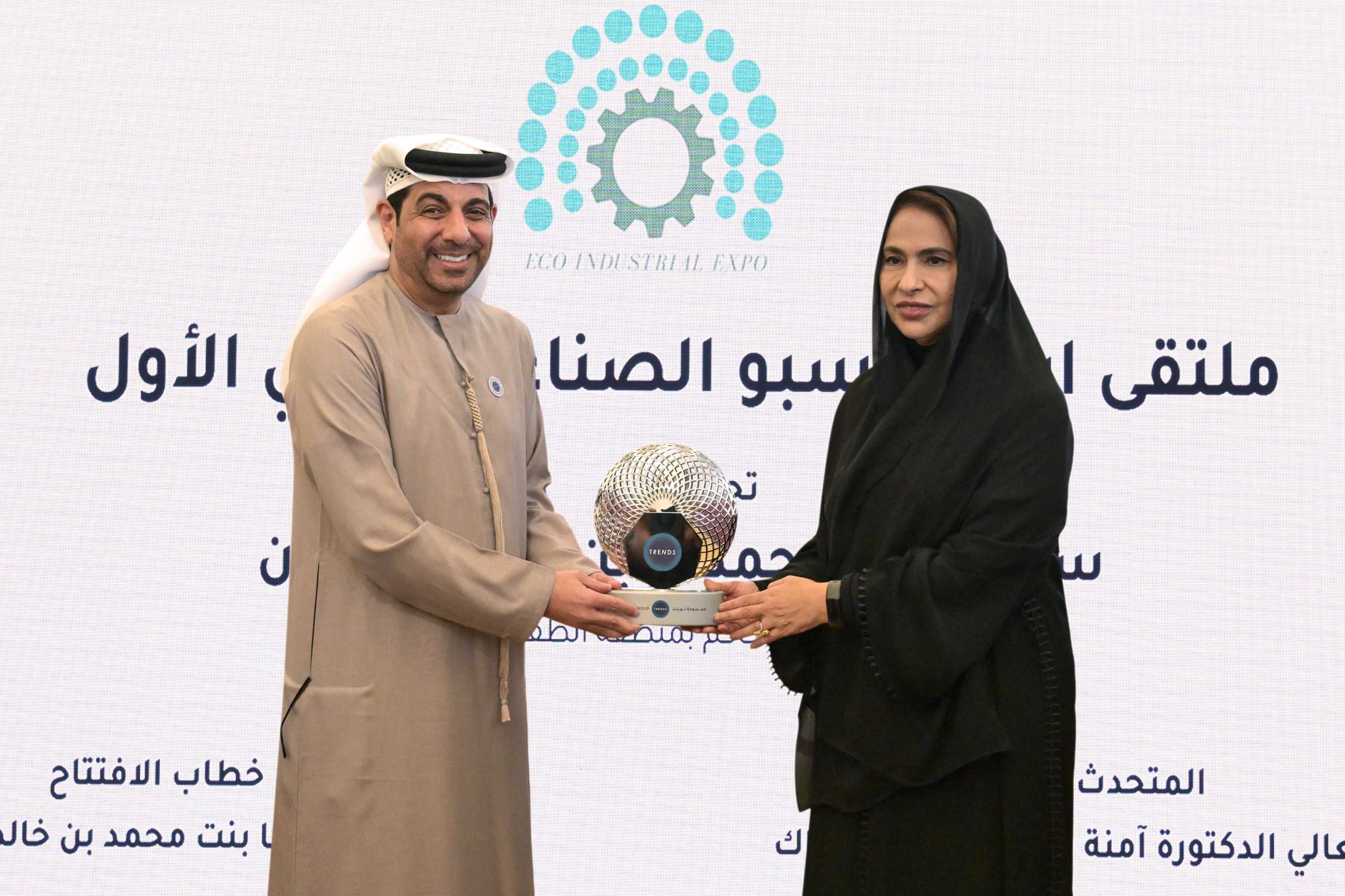
She praised TRENDS’ participation, affirming that its presence constituted a qualitative addition that enriched intellectual and scientific discussions and strengthened the integration between scientific research and practical application in the fields of sustainable industry and environmental protection

