

Insight Image

TRENDS Study Assesses the War in Iran and Its Regional and Global Repercussions

03 Mar 2026

TRENDS Study Assesses the War in Iran and Its Regional and Global Repercussions

03 Mar 2026

The study considered expansion an unacceptable escalation, a violation of the principles of good neighborliness and international law, and an infringement of the sovereignty of states.
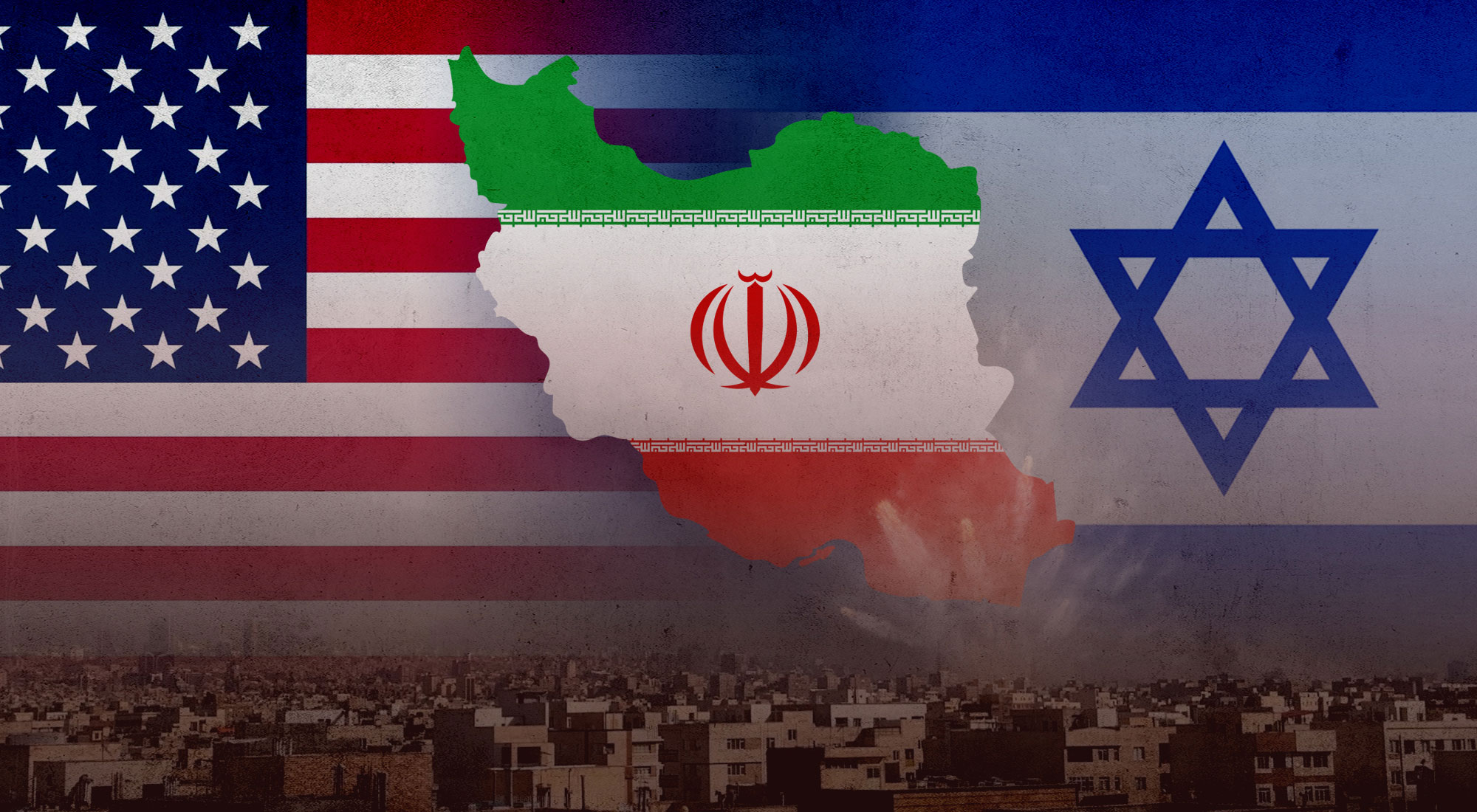
A research study released by the TRENDS Research & Advisory affirmed that the military escalation witnessed in the region at dawn on February 28, 2026, constituted a highly dangerous turning point in the trajectory of the regional conflict, reshuffling political and security dynamics at both the regional and international levels. The study – The War in Iran: Escalating Regional Tensions and International Repercussions – prepared by Aisha Khalfan Al Rumaithi, Principal Researcher at TRENDS, explained that the United States and Israel’s large-scale aerial attack on Iran was described as a pre-emptive strike. The attack targeted approximately 500 sensitive military and government sites, including command headquarters of the Islamic Revolutionary Guard Corps (IRGC), air defense systems, and missile and drone launch bases. It resulted in the killing of Iran’s Supreme Leader, Ali Khamenei, along with several senior military commanders. This occurred after multiple rounds of diplomatic negotiations in Muscat and Geneva, mediated by the Sultanate of Oman, aimed at reaching a new nuclear agreement. The study indicated that the Iranian response was swift, involving the launch of ballistic missiles and drones targeting Israel and the U.S. bases in the region, before expanding to include the territories of several Gulf states, among them Bahrain, Qatar, the United Arab Emirates, Kuwait, Saudi Arabia, and the Sultanate of Oman. The study considered this expansion an unacceptable escalation and a clear violation of the principles of good neighborliness and international law, as well as an infringement of the sovereignty of states that had declared their refusal to allow the use of their territories or airspace in any military operations against Iran. The study noted that targeting Gulf states, despite their neutrality and calls for de-escalation, reflects a tendency to internationalize the conflict and broaden its geographical scope. This undermines confidence-building efforts that Tehran had sought to establish with its neighbors in recent years and provides justification for strengthening the regional military presence and forming new deterrent alliances. At the global level, the study observed a clear divergence in positions. Some Western countries viewed the U.S.-Israeli attack as a pre-emptive defensive measure, while the European Union and several other states expressed concern over the risks of escalation. Russia and China condemned the strikes as a violation of international law and emphasized the need to respect the principles of global security and stability. The study also addressed the strategic repercussions of the escalation, arguing that the killing of Iran’s Supreme Leader represents a major shock to the system. However, it does not necessarily imply immediate collapse, given the resilience of the institutional structure, the growing security and military role of the IRGC, and the formation of temporary leadership to manage the transitional phase. The study warned of the fragility of the regional security architecture, considering the widening scope of confrontation and its impact on the security of air and maritime navigation, particularly in the Strait of Hormuz, as well as its direct repercussions on energy markets and the global economy, should escalation continue or vital waterways be closed. The study concluded that the U.S.-Israeli attack on Iran marked a decisive turning point in the history of the regional conflict. However, the Iranian response and its extension to Gulf states constitute an unacceptable escalation that threatens regional and international security and stability. It emphasized that the region stands at a critical crossroads between sliding into a wide, multi-front regional conflict or returning to a difficult but less costly diplomatic path that safeguards state sovereignty and spares the Middle East from far-reaching security and economic consequences.