


The study indicates that China, India, and Europe are likely to be among the most affected, given their heavy reliance on energy imports from the region.
TRENDS Research & Advisory has released a new analytical study titled Conflict in the Middle East and the Impact on the Global Economy, examining the global economic repercussions of escalating tensions in the region, particularly on energy markets, supply chains, and international trade.
The study, prepared by Simran Sodhi, Director of the TRENDS Office in India, explains that the conflict in the Middle East could have direct and significant effects on the global economy, given the region’s importance as a major energy source and a vital hub for global trade and supply chains. It notes that the continuation of the crisis is likely to drive up oil and gas prices, which would, in turn, affect inflation rates and increase transportation and production costs across many major economies.
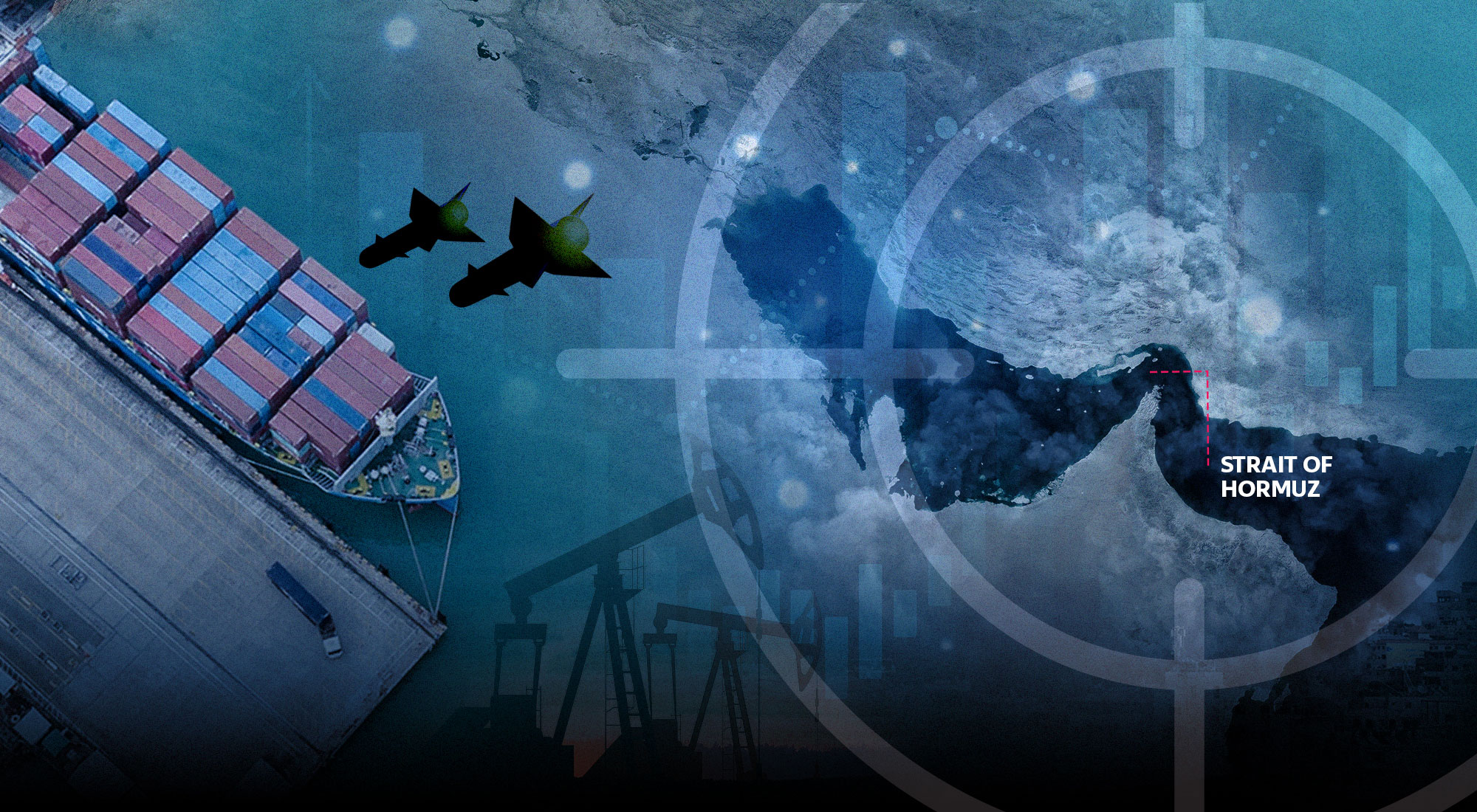
The study highlights that the Strait of Hormuz is one of the most important maritime passages in the world, with around 20 percent of global oil and gas passing through it, as well as nearly 20 million barrels of oil traded daily in global energy markets. It warns that any disruption to navigation through this vital waterway could lead to significant increases in energy prices and disruptions to global supply chains.
The study also indicates that China, India, and Europe are likely to be among the most affected economies in the short term due to their heavy reliance on energy imports from the region. Rising oil prices would increase production and transportation costs and could lead to a slowdown in industrial and commercial activity in these countries.
The study also explains that any halt or reduction in Qatar’s liquefied natural gas (LNG) exports through the Strait of Hormuz could exacerbate the global energy crisis and potentially recreate supply disruptions similar to those witnessed following the Russia–Ukraine war in 2022, particularly since around one-fifth of global LNG exports pass through this maritime corridor.
The study discusses the impact of the conflict on global financial markets, noting that several Asian markets have experienced noticeable declines amid growing concerns about rising fuel prices and disruptions to maritime shipping routes.
The study concludes that prolonged conflict could lead to higher global inflation and reduced consumer demand, potentially triggering a global economic slowdown. It stresses that the scale of the economic impact will largely depend on two key factors: the duration of the conflict and the extent of damage to energy infrastructure and supply chains.
Finally, the study notes that the stability of global energy markets in the coming period will largely depend on developments in the region, oil production levels, and the ability of global markets to absorb potential shocks.
