


The study noted that the rapid Iranian response has raised serious concerns about the region sliding into an all-out regional war.
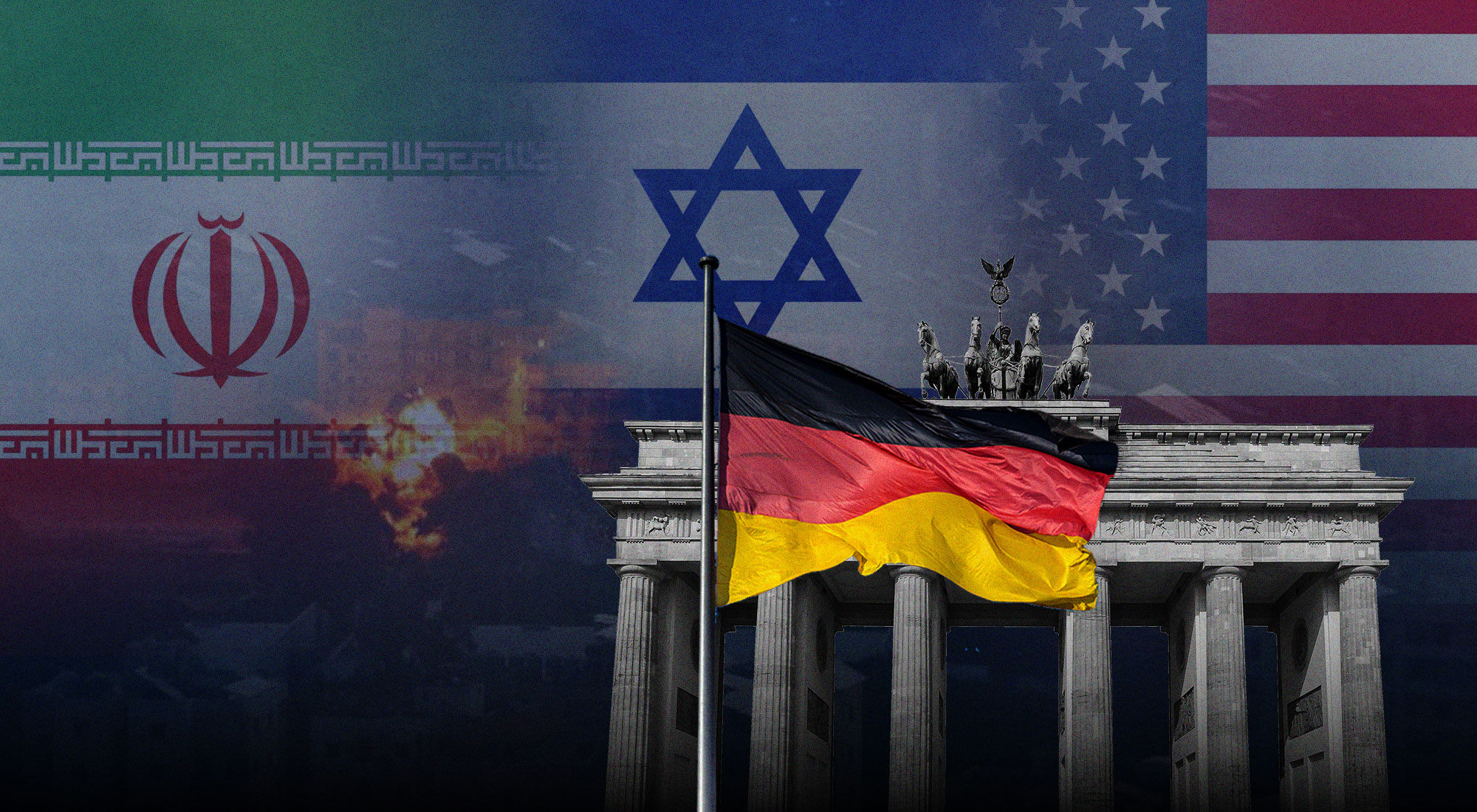
A research study issued by TRENDS Research & Advisory has emphasized that Germany’s position regarding the military strike carried out by the United States and Israel against Iran on February 28, 2026, was characterized by a delicate balance between solidarity with Western allies and calls for restraint and a return to the diplomatic path, amid escalating fears of a widening conflict in the Middle East.
The study — Germany Between Alliance and Restraint: Berlin’s Response to the U.S.-Israeli Strike on Iran — prepared by TRENDS’ Virtual Office in Germany, explained that the military operation, which targeted government and military sites as well as nuclear facilities inside Iran, constituted a dangerous strategic shift in regional tensions. The confrontation shifted from an indirect conflict to an overt military clash with broad regional and international repercussions.
The study noted that the rapid Iranian response, involving the launch of ballistic missiles and drones targeting Israel and U.S. positions—as well as the extension of attacks to some Arab Gulf states and Jordan—raised serious concerns about the region sliding into an all-out regional war that could affect international maritime security, energy markets, and political stability in the Middle East.
A Balanced German Position
The study indicated that the German government was quick to announce its stance. German Chancellor Friedrich Merz expressed clear political support for the United States and Israel, affirming Berlin’s solidarity with its allies in facing what he described as security threats linked to Iran’s nuclear and missile programs, while simultaneously calling on Tehran to de-escalate.
The study highlighted that Merz emphasized that Germany shares the same strategic goals as its allies, despite its lack of direct participation in military operations. It noted that Berlin permitted the use of certain logistical bases within the framework of transatlantic coordination.
In the same context, the study explained that Merz’s visit to Washington and his meeting with U.S. President Donald Trump on March 3, 2026, reflected an advanced level of strategic coordination between the two sides in addressing the crisis’s fallout, including discussions on its implications for international security and energy markets.
Diplomacy as the Preferred Option
Conversely, the study confirmed that German Foreign Minister Johann Wadephul stressed the need to return to the diplomatic track, calling for the resumption of negotiations with Iran to avoid widening the conflict. He emphasized that Tehran’s nuclear and missile programs represent a threat not only to Israel but also to European security interests.
The study added that the German position reflected an attempt to maintain a balance between security deterrence and the defense of international law principles, especially in light of mounting international criticism regarding the use of force without an explicit mandate from the UN Security Council.
Broad European Coordination
The study noted that Berlin’s stance was consistent with that of the European Union, which, in a joint statement by member states, called for “maximum restraint,” respect for international law, and the protection of civilians, while expressing concern over escalating military tensions in the region.
Furthermore, Germany, France, and the United Kingdom — known as the E3 — issued joint statements condemning the Iranian missile attacks, affirming their readiness to take defensive measures to protect European interests in the region if necessary.
Internal Political Debate
The study explained that the crisis sparked extensive debates within the German political arena. Conservative forces in the ruling coalition supported the goals of curbing the Iranian nuclear program. At the same time, leftist parties and some civil society organizations expressed concern over the legal and ethical implications of the military operation and the potential violations of international law.
These discussions also contributed to a renewed debate in Germany over the nature of its role in the Western alliance, and whether it should adopt a more independent foreign policy or continue its close coordination with the United States.
Strategic Implications
The study concluded that the current crisis represents a significant test for German foreign policy. Berlin finds itself required to strike a balance between its obligations within NATO and its partnership with the United States on one hand, and its desire to promote a more independent European role in managing international crises on the other.
The study emphasized that Germany will likely intensify its diplomatic efforts within multilateral frameworks, including the EU and the UN, to contain the escalation and open new negotiating channels, as European concerns about the conflict’s impact on energy security and the global economy grow.
Ultimately, the study views Berlin’s response as reflecting a dual strategy that supports Western alliances and maintains transatlantic cohesion, while simultaneously ensuring the door remains open to diplomatic solutions to mitigate the risk of sliding into a broader regional war.

