


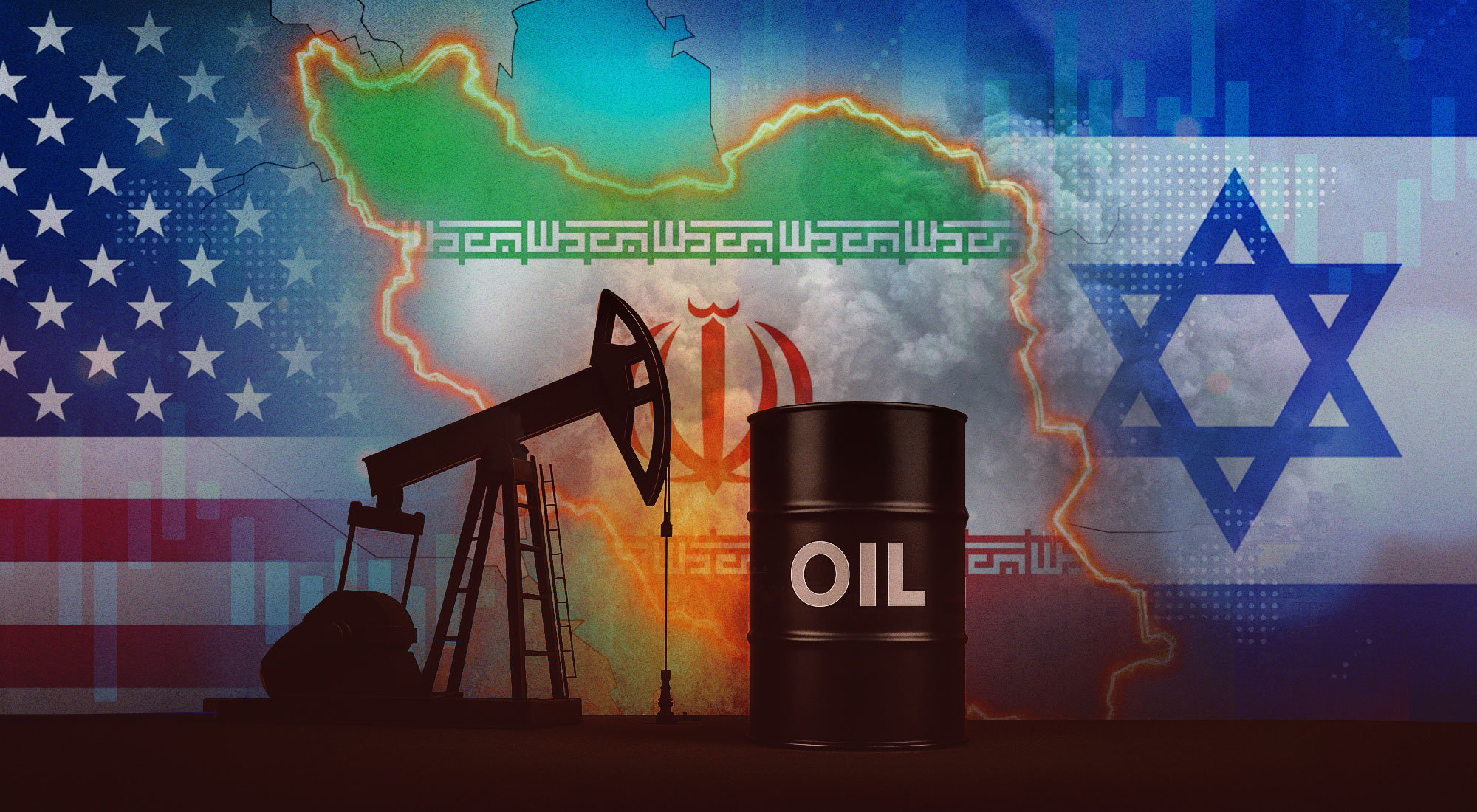
The study explains that the Arabian Gulf region is a central pillar of the global energy system, and any military disruption there is likely to rapidly affect the global economy.
A new TRENDS Research & Advisory study has warned that the continuing military escalation between the United States, Israel, and Iran could lead to a global shock in energy markets, accompanied by rising prices, disruptions in global trade, and volatility in financial markets.
The study explained that the Arabian Gulf region represents a central pillar of the global energy system, meaning that any military disruption there is likely to rapidly affect the global economy. It noted that the current escalation has already led to a significant rise in oil and gas prices, with Brent crude surpassing $100 per barrel, after pre-conflict estimates had placed prices between $60 and $65 per barrel under normal supply-demand conditions.
The study pointed out that military operations have caused an almost complete disruption to shipping through the Strait of Hormuz, through which around 20 percent of the world’s oil and liquefied natural gas trade passes. This has placed considerable pressure on global energy markets. The strikes targeting energy facilities in Qatar and Saudi Arabia have also raised additional concerns regarding the safety of the region’s energy infrastructure.
The study, prepared by the TRENDS Virtual Office in Italy and titled The Iran War and the Prospect of a Global Energy Shock, indicated that a continued halt to exports through the Strait of Hormuz could, within weeks, lead to oil storage facilities reaching full capacity, forcing some producing countries to reduce production. This, in turn, would further increase pressure on global prices and raise the likelihood of a prolonged energy shock.
The study emphasized that Asian countries are the most vulnerable to the crisis due to their heavy dependence on oil and gas imports from the Gulf through the Strait of Hormuz. Asia accounts for more than 80 percent of crude oil and liquefied natural gas exports passing through the strait, with China and India among the largest consumers of these supplies.
The study also warned that a halt to liquefied natural gas production in Qatar, which accounts for around 20 percent of the globally seaborne gas trade, could cause significant disruptions to gas markets in both Asia and Europe, particularly given the limited availability of alternative supplies.
It further explained that oil prices remaining above $100 per barrel for an extended period could transmit the energy shock to the global economy through higher transportation, electricity, and industrial costs, as well as increased household energy expenditures and declining industrial output.
The study concluded that the measures currently under discussion – such as increasing production by oil-producing alliances or releasing strategic petroleum reserves – may help ease the crisis temporarily. However, they will not be sufficient to replace the massive energy flows that normally pass through the Strait of Hormuz if the disruption continues for a prolonged period, raising the likelihood of renewed inflation and slower global economic growth.
