


Snapshots
Implications of the End of the New START Nuclear Treaty between Washington and Moscow
11 Feb 2026
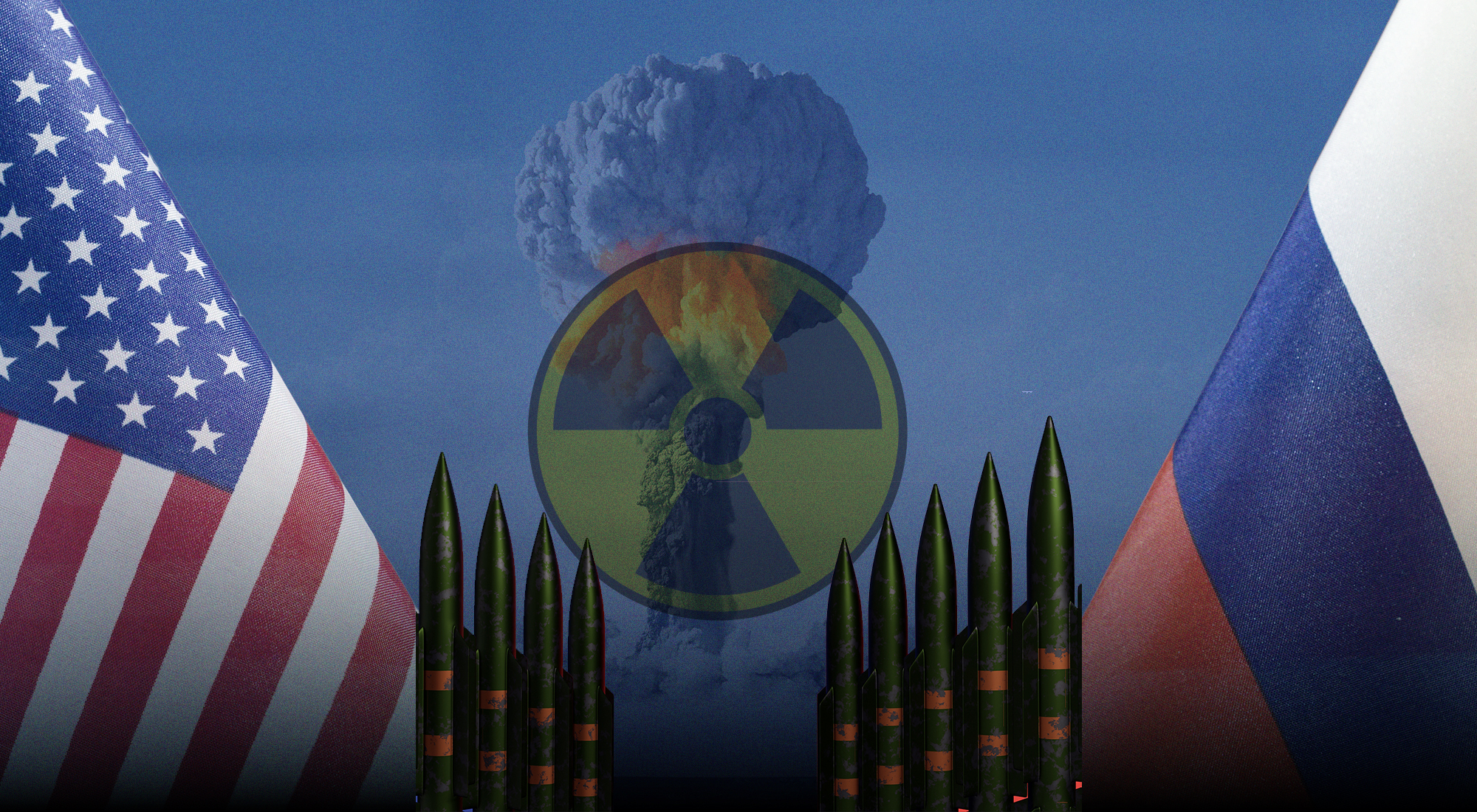
The New START nuclear treaty between the United States and Russia came to an end in early February 2026. This treaty had imposed limits on the use of strategic nuclear offensive weapons and established verification mechanisms aimed at enhancing transparency between the two powers. The news of the treaty’s expiration has raised concerns among international officials and policymakers, as the absence of binding restrictions could increase the risk of renewed nuclear competition and undermine strategic stability amid ongoing geopolitical tensions.
Post-Treaty Dynamics
- Removal of legally binding limits for both countries.
- Loss of verification and data-sharing mechanisms.
- Escalation of geopolitical tensions and declining trust between the two countries.
Strategic Assessment
The expiration of the treaty, without a replacement agreement, signals the collapse of the last remaining arms control arrangement governing U.S.-Russia nuclear relations. Without regulatory frameworks, both countries may adjust their nuclear forces according to their national security priorities, increasing uncertainty and the risk of misinterpretation. These developments encourage more cautious and competitive military planning and may lead to a renewed nuclear arms race. Consequently, both parties may seek to expand their nuclear capabilities to maintain strategic advantage. Furthermore, without data exchange, each country will rely on intelligence estimates, which may lead to planning based on worst-case scenarios.
Implications
- Greater uncertainty for allies dependent on extended deterrence, making confidence-building more difficult.
- The absence of a renewed agreement could reduce trust in arms control treaties.
- Increased incentives for nuclear expansion.
U.S.-Russia nuclear relations are likely to be shaped by competitive force planning rather than cooperative frameworks. Should diplomatic efforts resume, both sides may prioritize nuclear force development. Overall, the trajectory of this new phase, whether it evolves into a full-scale arms race or remains a managed rivalry, will depend on the nature of future diplomatic engagement and the willingness of both parties to revive mechanisms limiting the use of strategic offensive weapons.

