


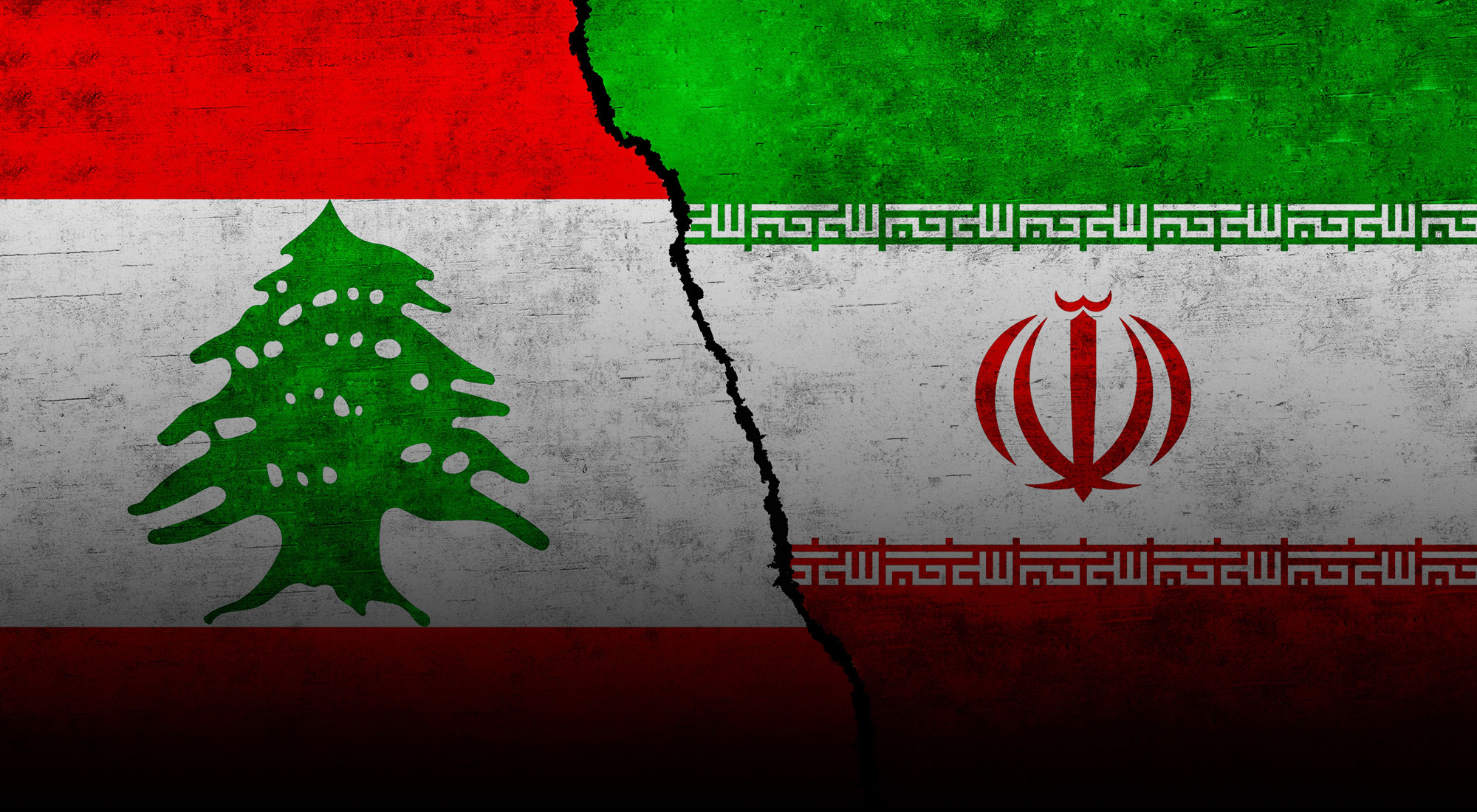

Lebanon’s Stance on Iranian Influence Amid Rising Regional Tensions
Strategic Studies Department
30 Mar 2026
On March 24, 2026, the Lebanese government took a major step to assert its sovereignty by expelling Iran’s ambassador, Mohammad Reza. Officials said the decision was driven by the ambassador’s interference in Lebanon’s internal affairs and his engagement with non-state actors. But beyond the official explanation, the move reflects deeper concerns about Iran’s growing influence in Lebanon, particularly through its long-standing support for Hezbollah.
Reports suggest that members of Iran’s Quds Force are present in Lebanon, allegedly operating in support of Hezbollah. At the same time, the Iranian embassy in Beirut is widely viewed as a coordination hub linked to the Islamic Revolutionary Guard Corps. Together, these factors have intensified Lebanese fears that the country is becoming a platform for Iran’s regional agenda.
This development comes as the Lebanese government is trying to reassert control over weapons on its territory. Disarmament is seen as a necessary step to strengthen state authority, but implementing it remains extremely difficult. Hezbollah considers its arsenal essential for deterrence against Israel and has shown no willingness to relinquish its military role.
Lebanon’s leadership has repeatedly stressed that the country does not want to be dragged into the Iran–Israel conflict. Officials have made it clear that Lebanon should not serve as a battleground for external wars driven by Iranian interests. This position, however, comes at a time of heightened confrontation between Iran and Israel, with Israeli strikes targeting Iran-linked groups across the region as part of a broader strategy to contain Tehran’s influence.
Looking ahead, three main scenarios stand out.
The most likely scenario is that Lebanon continues to distance itself politically from Iran while avoiding a direct confrontation with Hezbollah. At the same time, Israel is likely to maintain its strikes inside Lebanon as part of its effort to limit Iranian influence.
In the second scenario, the Lebanese government could push harder on Hezbollah’s disarmament. If Hezbollah continues to resist, this could raise the risk of domestic instability and potentially force a direct confrontation between the group and the state.
The third and most dangerous scenario involves further regional escalation. As the Iran–Israel war intensifies, Hezbollah may increase its military involvement, potentially pulling Lebanon into the conflict despite the government’s efforts to stay neutral.
Overall, Lebanon is attempting a delicate balancing act: asserting its sovereignty while trying to avoid being drawn into a widening regional war. The expulsion of the Iranian ambassador signals a clear political shift. Yet in reality, Lebanon’s ability to remain on the sidelines is constrained by Hezbollah’s deeply rooted role in the country and by the growing intensity of the Iran–Israel confrontation.
