


Although some have called America’s war with Iran a war of choice, it has been in the making since 1979, when Iranian militants seized 66 American citizens at the U.S. embassy in Tehran and held 52 of them hostage for more than a year, unleashing one of the worst diplomatic crises in American history.
The relationship between the United States and Iran never recovered from that seminal event. For nearly half a century, the two countries have competed for influence in the Middle East, with Iran pulling out all the stops to frustrate America’s desire to stabilize the region and rejecting various attempts by Washington at reconciliation.
The competition turned bloody at times, especially in the 1980s and after the 2003 Iraq War. Iran is responsible for the deaths of at least 800 Americans, as well as the illegal imprisonment of dozens more. But at no time did things escalate to a direct clash, until now.
How we got here is a story of tragedy and opportunity colliding and producing powerful historical forces that made the road to war virtually unstoppable.
7 October 2023 was a pivotal event. On that day, Hamas launched a terrorist attack on Israel, massacring 1,200 people and taking hundreds hostage. It was the bloodiest day in the history of the Jewish people since the Holocaust. The shock, pain, and horror of that day transformed Israel in more ways than one. It hardened Israeli threat perceptions like never before and prompted its leaders to accept far greater risks in their fight against their enemies and pursuit of security.
While Hamas committed the mass murder, Iran made it possible. For Israel, that’s what mattered the most.
For decades, Iran has built a formidable regional network of proxies to expand its reach in the Middle East and overturn what it views as U.S./Israeli hegemony. It provided political and military assistance to Hezbollah in Lebanon, various militias in Iraq, the Houthis in Yemen, and Hamas in Gaza. These groups had their own interests and domestic political calculations, of course, but they all agreed with Iran on challenging Israel and the United States with every means necessary.
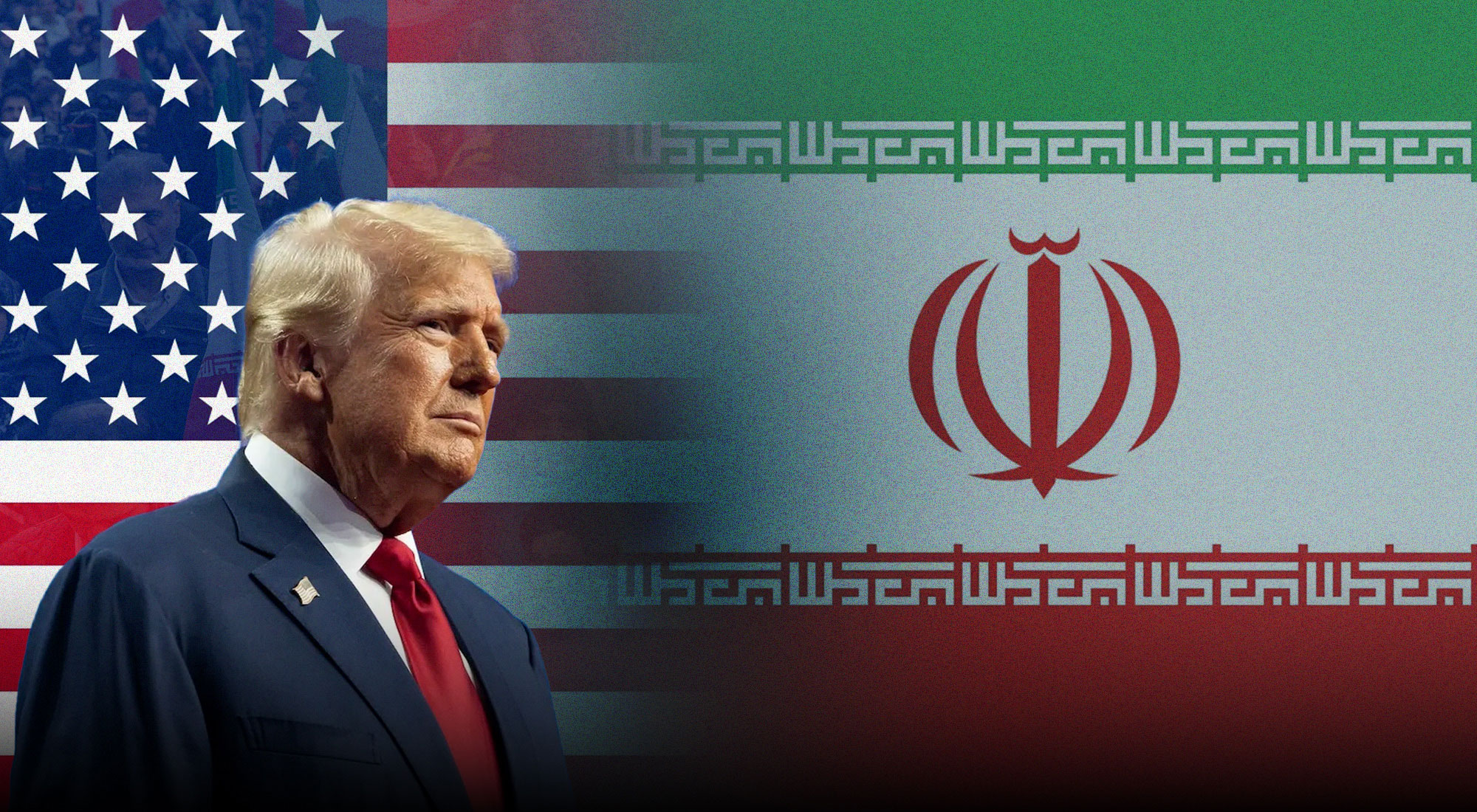
As devastating as 7 October was, political leaders in Israel and the United States still had to make monumental decisions and steer their nations into battle. Enter Benjamin Netanyahu and Donald Trump.
Netanyahu has always viewed the Islamic Republic as an existential threat, likening it to Nazi Germany. As Israeli prime minister, he has ruled over a coalition government that is the most hardline in Israel’s history.
But without Donald Trump in office, he could not have attacked Iran alone. By his own admission, Netanyahu had tried, unsuccessfully, to persuade past American presidents to bomb Iran. In Trump, he finally found a willing commander-in-chief.
Whether Netanyahu pushed Trump to war is open to debate, but the Israeli premier was pushing on an open door. Since the start of his second term, Trump has been looking for quick and big wins in foreign policy to bolster his personal legacy and brand, about which he cares deeply.
He couldn’t find those wins in Ukraine because of Russia’s obstinacy. He couldn’t find them in China because Beijing had leverage. So, he set his eyes on an easier target: Venezuela, an old U.S. problem that had exported drugs to American cities for years. It paid off. With the help of a Hollywood-like raid by U.S. special forces, Trump was able to capture Venezuelan President Nicolas Maduro and install a new government.
The impressive tactical success of the Venezuela operation emboldened Trump and made him think he could do the same with Iran—a much bigger prize. His national security advisors, as well as Netanyahu, made it easier for him to reach that decision by telling him that the Islamic Republic was at its weakest point since its founding: Its economy was in shambles, and its capital and provinces were filled with popular protests.
Israel also had decimated parts of Iran’s regional proxy network. The advanced technologies, superior intelligence, and AI-powered targeting capabilities that were now in the hands of the United States and Israel—unavailable to previous American and Israeli leaders—provided an added incentive for Trump and Netanyahu to go to war with Iran. The idea was that if they could decapitate Iran’s leadership this easily and penetrate its ranks this deeply, as Israel did with Hezbollah and Hamas, they could topple its regime.
For all these reasons, Trump became more inclined to strike. At home, little was going to stop him. Checks and balances, a hallmark of the American political system, have collapsed altogether. Trump has established a firm grip over the Republican Party and subdued his political opposition. He was in control.
Could Iran have done anything different to stop the war train? It’s unlikely because Trump’s maximalist demands—zero nuclear enrichment, limits on the missile program, and abandoning the regional proxies—were all red lines for Tehran. Also, Iran had been nervous about U.S. policy and distrustful of Trump since his coming to office and withdrawal from the 2015 nuclear deal. It saw the Abraham Accords as a war coalition against it and expected that Trump would be more confrontational toward the Islamic Republic in his second term.
The world watched with great interest and trepidation the negotiations between U.S. and Iranian officials in Muscat and Geneva, hoping for a last-minute miracle. The Omani mediators offered upbeat assessments. But the overwhelming feeling, as Trump kept sending more fighters and carriers to the region, was that the die had already been cast.