


The Middle East has long occupied a strategic position at the center of the global energy system and maritime trade routes. Throughout modern economic history, geopolitical tensions in this region have repeatedly demonstrated their ability to ripple through the global economy. Energy supply chains—particularly those tied to the Middle East—remain one of the most vulnerable structural points of globalization (Caldara and Iacoviello 2018).
The military confrontation involving the United States, Israel, and Iran on 28 February represents more than a regional security crisis. It signals a potential systemic shock to the global economy, affecting energy markets, financial markets, global supply chains, and international trade networks simultaneously. The escalation of tensions in the Middle East directly threatens two of the most critical arteries of the global economic system: energy supply flows and maritime shipping routes.
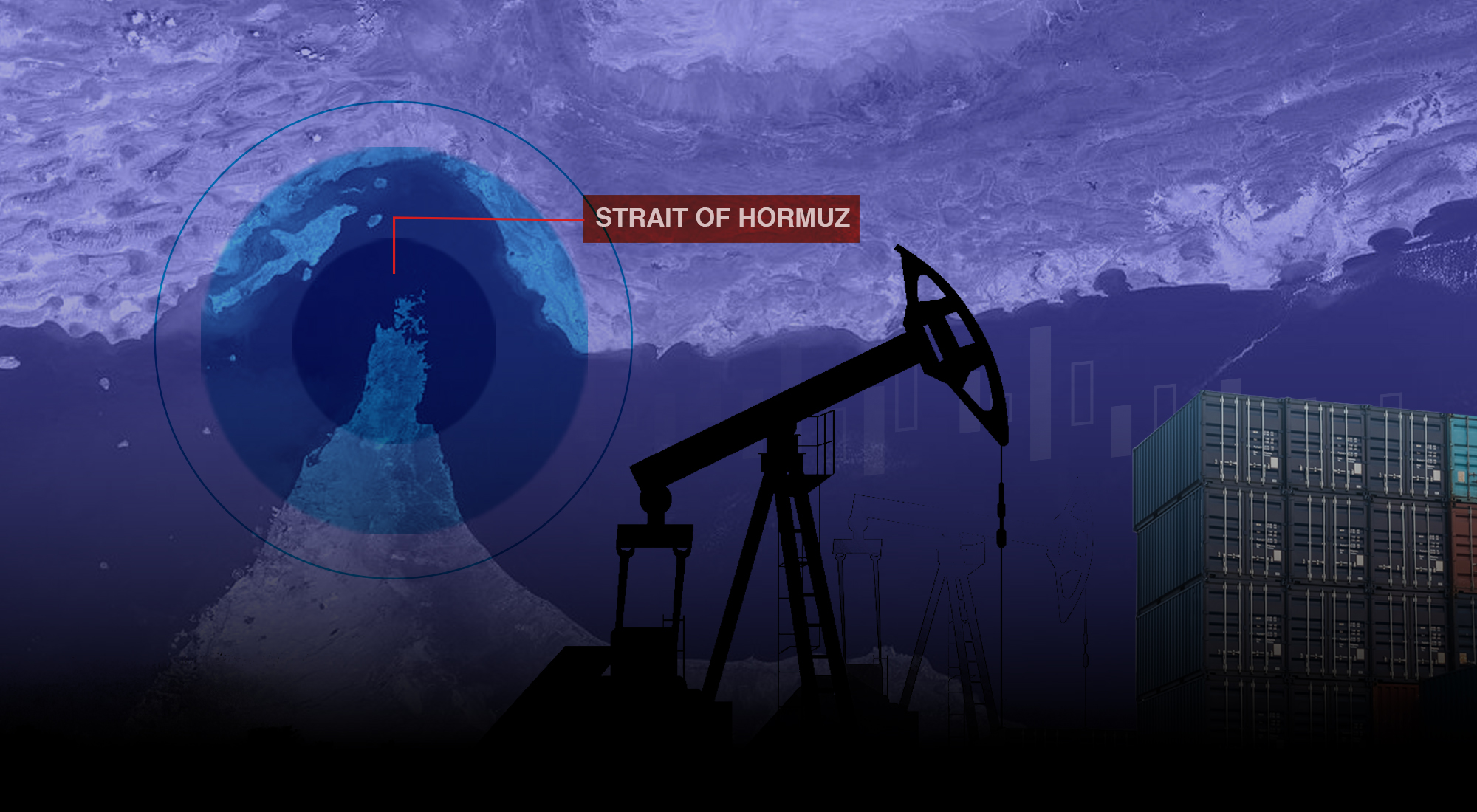
At the center of this geopolitical risk lies the Strait of Hormuz, a strategic maritime chokepoint through which roughly 20 percent of the world’s crude oil shipments pass (U.S. Energy Information Administration 2023). Along with the surrounding Gulf shipping lanes, it functions as one of the most vital logistical corridors for global energy transport, including both crude oil and liquefied natural gas (LNG). Any disruption in this corridor would immediately reverberate across global energy markets.
The structural importance of this region becomes even clearer when considering that the Middle East accounts for more than 30 percent of global crude oil production, with major producers including Saudi Arabia, Iran, Iraq, and the United Arab Emirates (International Energy Agency 2023). Because of this concentration of production and transport routes, military escalation in the region has the potential to trigger sudden and widespread disruptions in the global energy supply.
For energy-import-dependent economies such as South Korea, the implications are particularly severe. Approximately 60 percent of Korea’s crude oil imports originate from the Middle East, and nearly 90 percent of these shipments transit through the Gulf region. Any restriction of maritime traffic—whether through military confrontation, increased insurance costs, or logistical disruptions—would therefore have an immediate and tangible economic impact.
A key uncertainty lies in Iran’s potential strategic response. If Tehran were to restrict passage through the Strait of Hormuz or disrupt shipping operations in the Gulf, the supply of crude oil and LNG could decline sharply. Even partial disruptions would likely push global energy prices higher. Oil price shocks have historically produced wide-ranging macroeconomic effects that extend far beyond the energy sector (Kilian 2009).
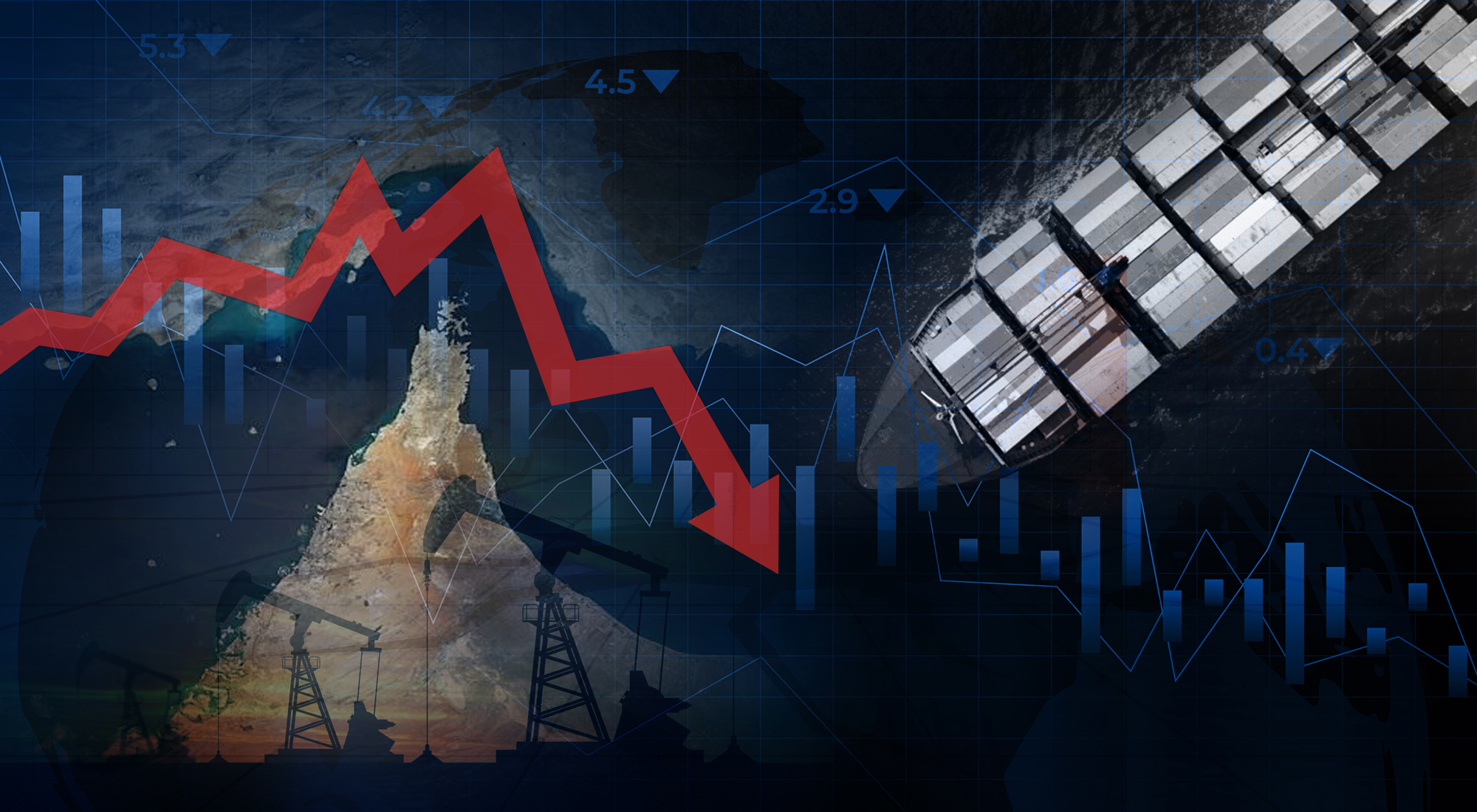
Energy price increases rarely remain confined to the oil sector alone. Instead, they transmit inflationary pressure throughout the entire economic system, raising costs in electricity generation, petrochemicals, manufacturing, transportation, and agriculture. Global macroeconomic research consistently shows that sustained increases in energy prices can significantly amplify inflationary pressures and complicate monetary policy responses (International Monetary Fund 2024).
In response to the rising security risks in the Gulf, President Trump announced that the United States would provide government-backed insurance and military protection for vessels transiting the region. While such measures may reduce immediate logistical disruptions, it remains uncertain whether they can effectively mitigate risks associated with missile strikes or drone attacks on shipping infrastructure.
Beyond the energy sector, the conflict also threatens the stability of global maritime logistics. Elevated war risk premiums are likely to raise shipping insurance costs, and major shipping companies may choose to reroute vessels away from high-risk areas. These adjustments could lengthen transportation routes and delay deliveries, increasing logistics costs across the global supply chain (United Nations Conference on Trade and Development 2023).
The economic consequences of such disruptions extend far beyond shipping. Higher transportation costs ultimately translate into higher prices for goods, contributing to renewed inflationary pressure worldwide. In an already fragile global economy that has only recently begun to stabilize from previous inflationary shocks, renewed cost pressures could complicate monetary policy decisions for central banks.
Energy prices are one of the most powerful drivers of global inflation. When oil and gas prices rise, the effects quickly spread across transportation costs, manufacturing expenses, electricity prices, and food production. Agriculture and food supply chains are particularly sensitive to energy price fluctuations because of their heavy dependence on fuel, fertilizers, and transportation.
If energy prices continue to rise for an extended period, the world economy could face the risk of quasi-stagflation, a condition characterized by slowing economic growth combined with persistent inflationary pressures. In such an environment, businesses may scale back investment due to rising production costs and declining profitability, while households may reduce consumption in response to higher energy and utility bills.
Financial markets are also highly sensitive to geopolitical instability. Periods of heightened geopolitical tension tend to increase global risk aversion, leading investors to seek safe-haven assets. As a result, financial market volatility typically increases, while the U.S. dollar often strengthens as a global reserve currency during periods of crisis (Caldara and Iacoviello 2018).
For countries heavily dependent on imported energy, these dynamics create a double burden: deteriorating trade balances due to higher energy import costs and downward pressure on domestic currencies. South Korea offers a clear example of this vulnerability. Given that Korea imports approximately 3 million barrels of crude oil per day, sustained increases in oil prices and shipping costs could significantly expand the country’s economic burden.
The ultimate impact of the conflict on the global economy will depend largely on two factors: the duration of the military confrontation and the extent of disruption to energy supply routes. If diplomatic efforts succeed in easing tensions quickly and maritime transport flows return to normal, the current surge in energy prices may prove to be a temporary shock. However, if the conflict evolves into a prolonged geopolitical standoff, the world economy could face a sustained period of higher energy costs, rising logistics expenses, and renewed inflationary pressures.
In this sense, the current crisis underscores a deeper structural vulnerability in the global economic system. Despite decades of globalization and technological progress, the global economy remains heavily dependent on a small number of strategic energy corridors. The Strait of Hormuz is not merely a regional waterway—it is one of the key pressure points of the global economic order (U.S. Energy Information Administration 2023).
Ultimately, the trajectory of the global economy in the coming months will be shaped by how quickly geopolitical tensions in the Middle East can be contained. Diplomatic mediation by Gulf states and neighboring countries may play a critical role in preventing the escalation of the conflict and stabilizing global energy markets. A swift diplomatic resolution would not only reduce regional instability but also prevent the conflict from triggering broader systemic disruptions to the global economy.
References
Caldara, Dario, and Matteo Iacoviello. “Measuring Geopolitical Risk.” American Economic Review 108, no. 4–5 (2018): 1194–1225.
International Energy Agency. World Energy Outlook 2023. Paris: IEA, 2023.
International Monetary Fund. World Economic Outlook: Navigating Global Divergences. Washington, DC: IMF, 2024.
Kilian, Lutz. “Not All Oil Price Shocks Are Alike: Disentangling Demand and Supply Shocks in the Crude Oil Market.” American Economic Review 99, no. 3 (2009): 1053–1069.
United Nations Conference on Trade and Development. Review of Maritime Transport 2023. Geneva: UNCTAD, 2023.
U.S. Energy Information Administration. World Oil Transit Chokepoints. Washington, DC: U.S. Department of Energy, 2023.