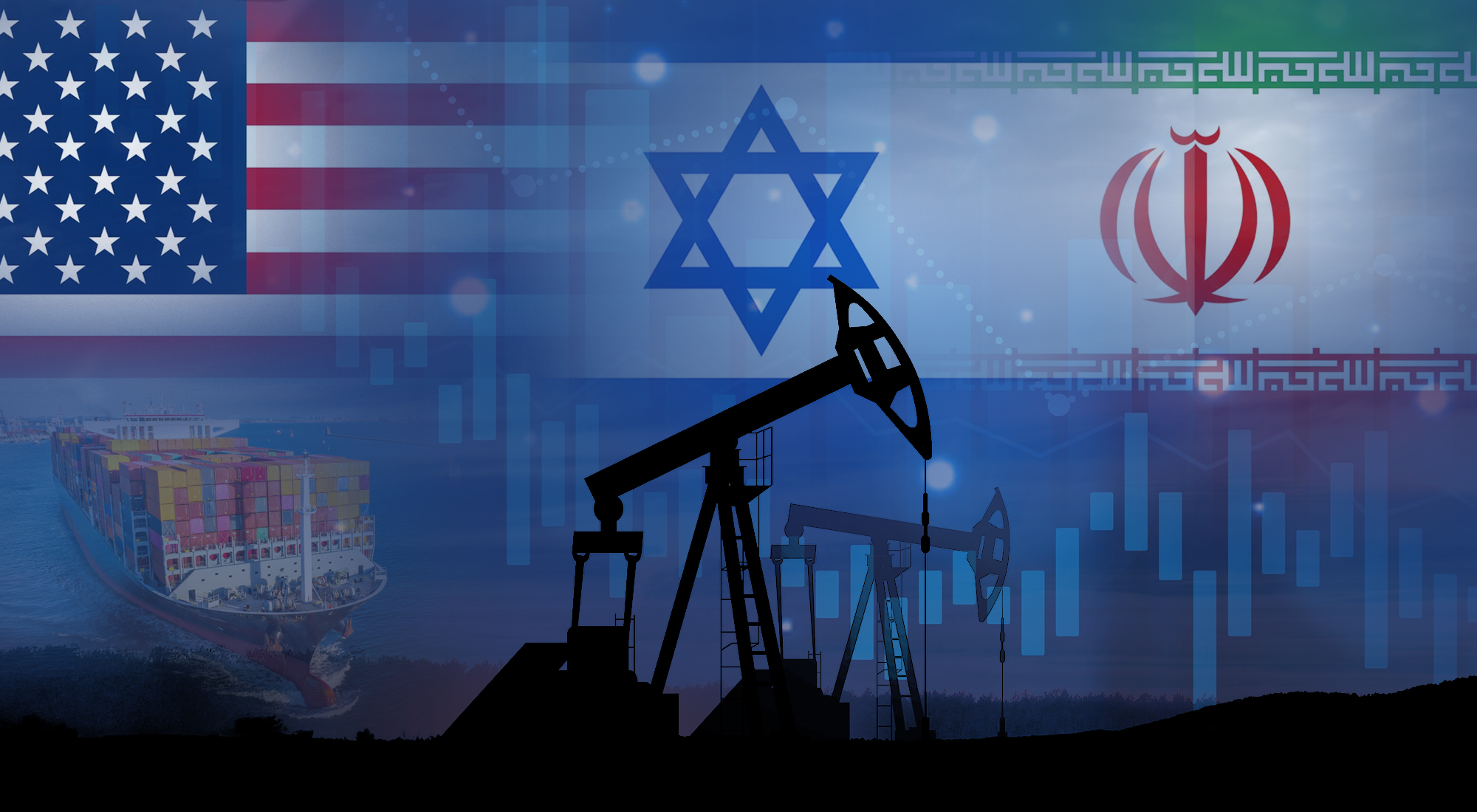

Since 28 February 2026, the United States and Israel have carried out multiple rounds of airstrikes against Iran, targeting the presidential compound, nuclear facilities, and missile bases. Iran’s Supreme Leader Ali Khamenei and several senior officials were reportedly killed in the attacks. The U.S. operation aims to dismantle Iran’s missile industry and nuclear infrastructure while promoting regime change in the country. In response, Iran launched a large-scale military retaliation under the codename “True Promise-4.” The operation involved attacks on Israeli territory as well as U.S. military bases located in Qatar, the United Arab Emirates, Bahrain, Kuwait, Saudi Arabia, and Jordan. Iran also announced the closure of the Strait of Hormuz. At the same time, members of the so-called “Axis of Resistance,” including Hezbollah in Lebanon and the Houthis in Yemen, have gradually become involved in the conflict. Civilian infrastructure in several Gulf states, including the UAE and Bahrain, has also come under attack, prompting several countries to announce the closure of their airspace. At present, the duration of the conflict between the United States, Israel, and Iran has already exceeded initial expectations. The hostilities have severely disrupted global energy supply, intensified inflationary pressures, and posed a direct shock to global shipping as well as the economies of Gulf countries. Iran currently demonstrates a considerable capacity for retaliation, suggesting that the conflict could turn into a prolonged confrontation.
I. Impact on the Global Energy Market
The conflict has generated a dual shock to both oil and natural gas markets. On the oil side, Iran produces more than 3 million barrels per day and exports nearly 1.5 million barrels. Should its supply be disrupted, Asian buyers would be forced to turn to higher-priced alternative sources. On the natural gas side, Qatar, one of the world’s leading liquefied natural gas exporters, announced on 2 March that it would suspend production following attacks on energy facilities. Qatar accounts for nearly 20 percent of global LNG exports and relies entirely on maritime transport without any alternative pipeline routes. The suspension of production has therefore intensified global concerns about potential disruptions to energy supply.
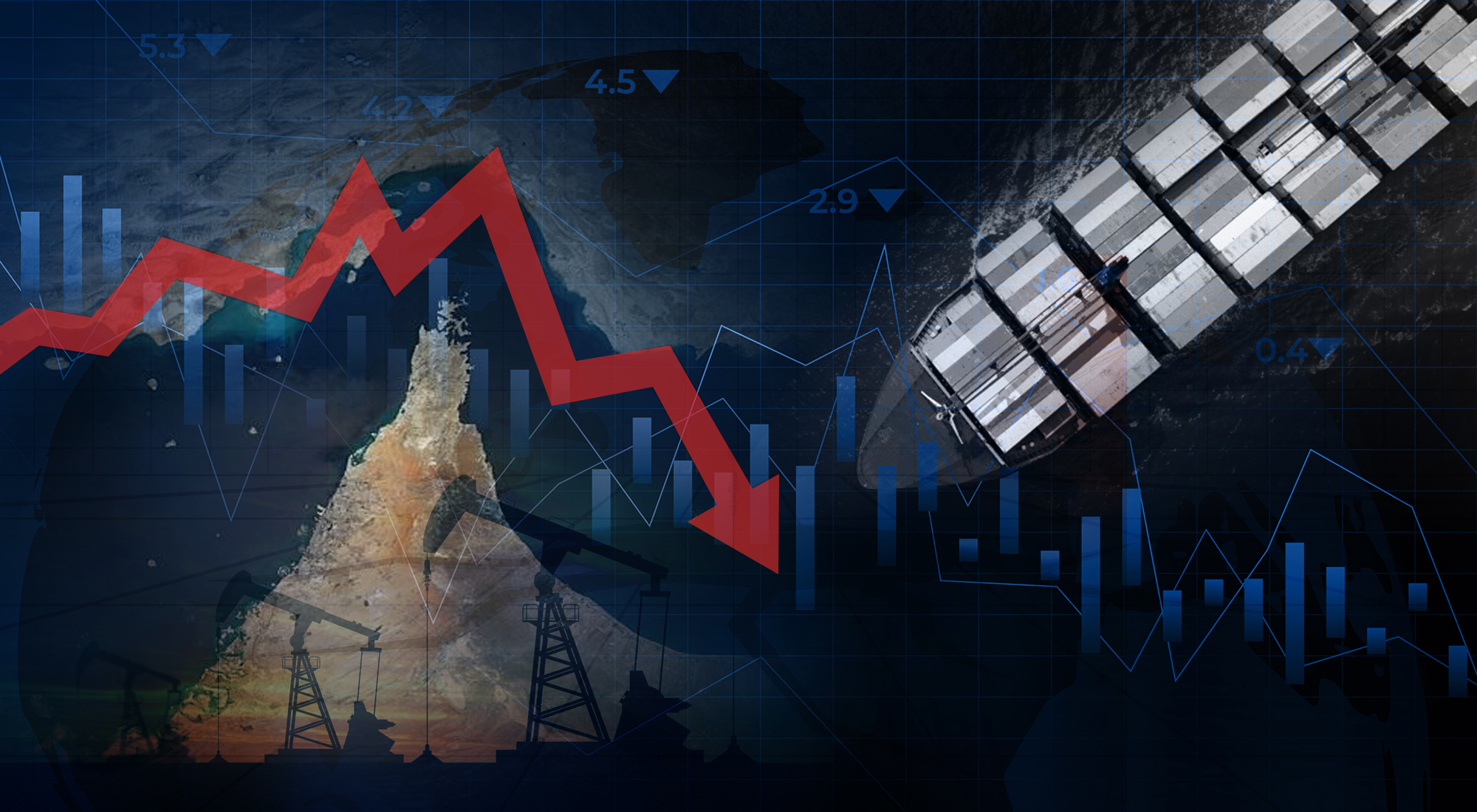
The conflict has also directly pushed up energy prices. Futures for Brent crude surged by as much as 13 percent at one point, briefly exceeding US$82 per barrel.[1] European natural gas benchmark prices, represented by the Title Transfer Facility gas price, surged by more than 100 percent within two days, marking the largest increase since March 2022. If the Strait of Hormuz remains closed for a long time, oil prices could rise to US$100 per barrel or even higher. According to estimates by Capital Economics, if oil prices were to reach US$100 per barrel, the global average inflation rate could increase by 0.6 to 0.7 percentage points. Meanwhile, Barclays notes that for every sustained increase of US$10 per barrel in oil prices, global economic growth over the following twelve months could decline by 10 to 20 basis points.[2] Stagflation risks have once again emerged as a tangible threat to the global economy.
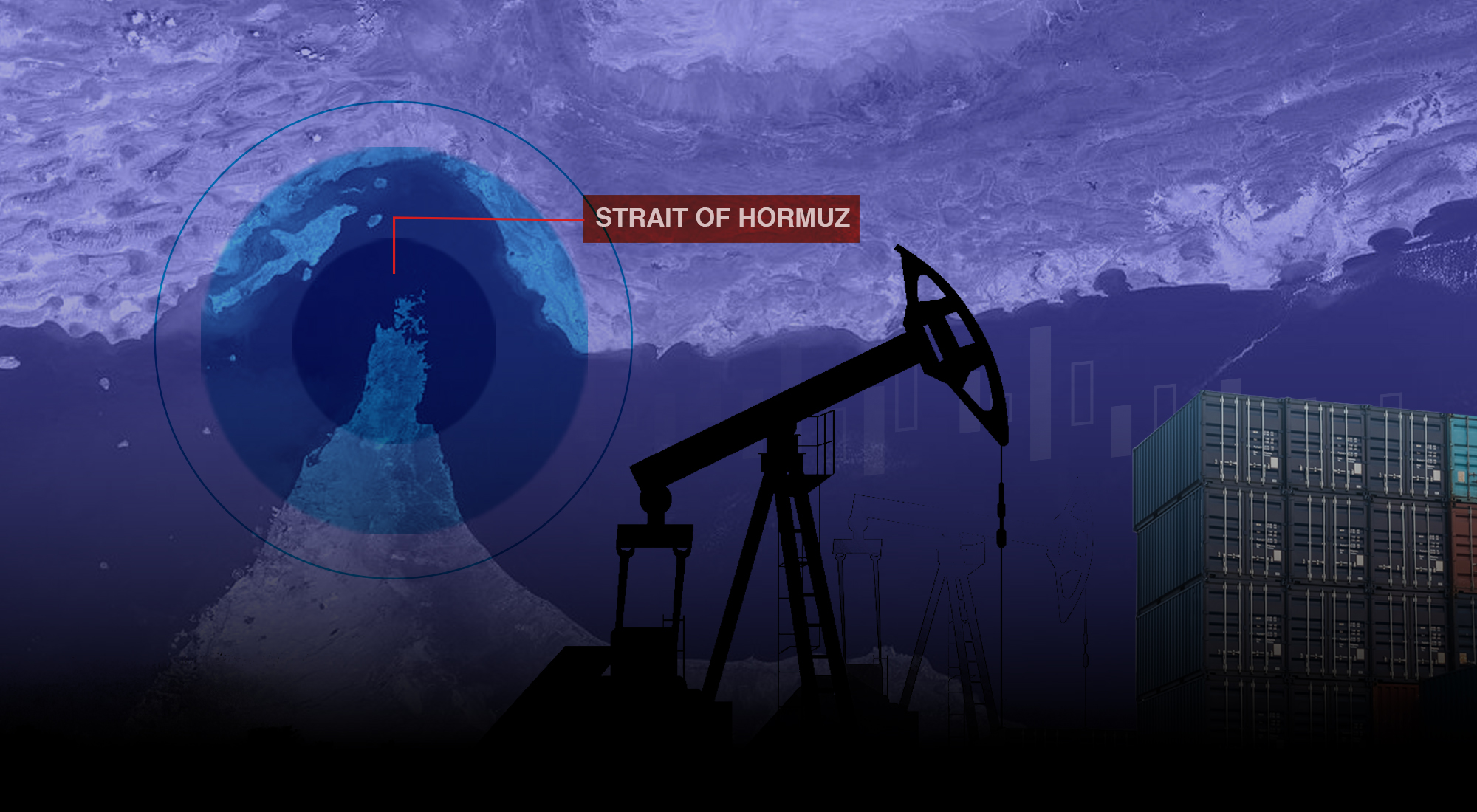
The Strait of Hormuz accounts for approximately 31 percent of global seaborne crude oil trade, with a daily transit volume of 13–20 million barrels, representing roughly 20 percent of global oil consumption. Analysts at JPMorgan Chase warn that if the Strait of Hormuz were completely blocked for more than 25 days, major oil-producing countries in the Middle East could be forced to halt production, as crude oil would be unable to reach international markets.[3]
Asian countries would be among the most immediately affected. Major energy-importing economies, including China, India, Japan, and South Korea, are highly dependent on energy transported through the Strait of Hormuz. Approximately 30 percent of China’s liquefied natural gas imports originate from the Middle East, while about 90 percent of Japan’s crude oil imports pass through the Strait. Although Saudi Arabia and the UAE possess alternative pipeline routes for oil transport, their capacity remains limited. Saudi Arabia’s East-West Pipeline, for instance, can transport about 5 million barrels per day, which can only partially alleviate supply pressure and is insufficient to offset a large-scale and prolonged disruption. Of even greater concern is that Qatar’s liquefied natural gas exports rely entirely on maritime shipping, with no alternative export routes available. Consequently, the overall impact of the conflict on global energy markets will largely depend on the duration of the hostilities.
II. Impact on Global Shipping and Trade
As the conflict between the United States, Israel, and Iran escalates, the global shipping industry is facing dual disruptions. The Red Sea-Suez Canal route has once again become paralyzed following renewed attacks on commercial vessels by the Houthis, while the Strait of Hormuz has effectively ceased operations due to Iran’s blockade. At present, the Strait of Hormuz is entirely under Iranian control, and more than a dozen oil tankers have reportedly been hit by artillery fire. No tankers are currently transiting the Strait. Approximately 26 tankers are lingering near the passage, while another 27 vessels have completely halted operations, together carrying an estimated 12 million barrels of crude oil. Major shipping companies, including Hapag-Lloyd and Maersk, have suspended vessel transits through the Strait.
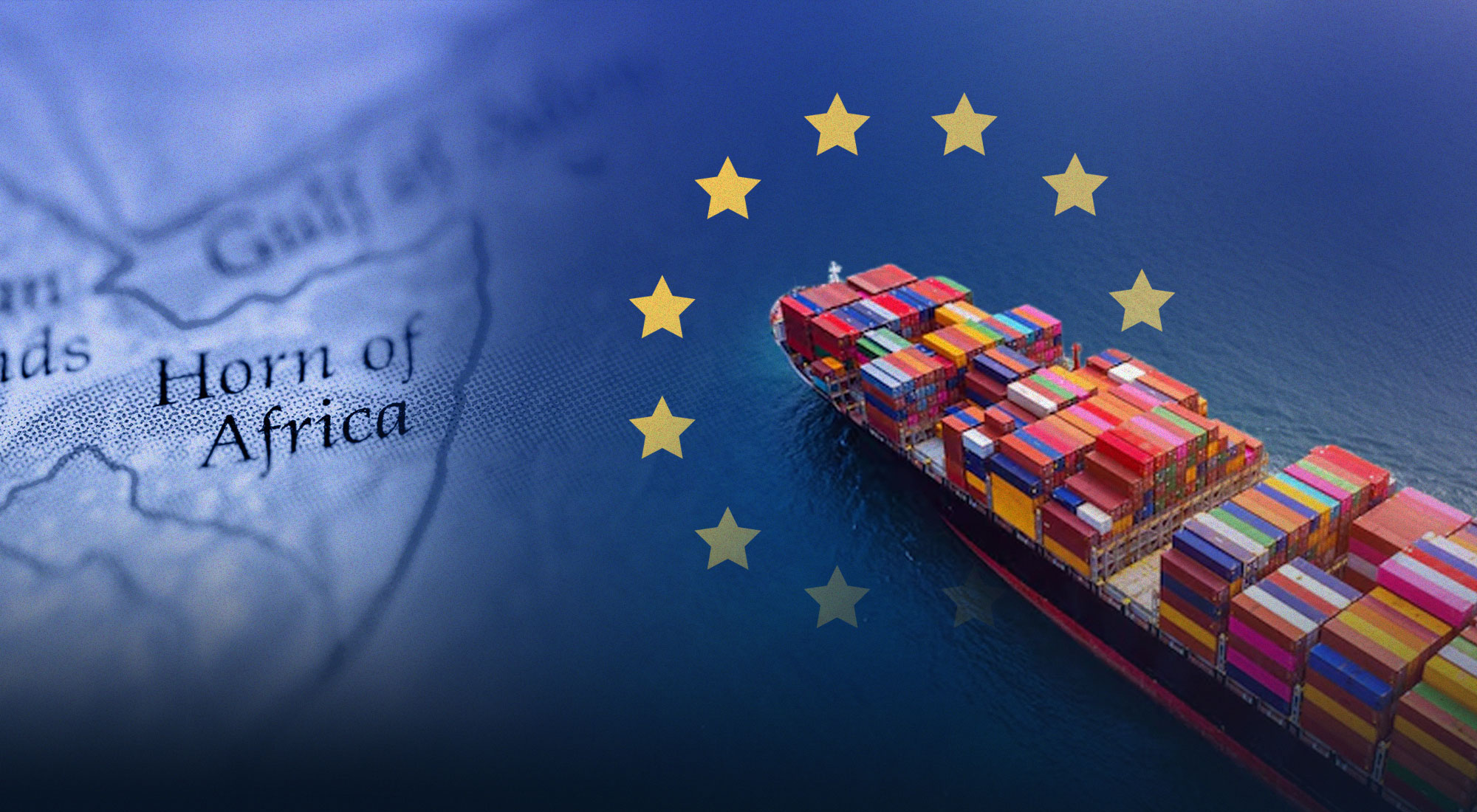
In the Red Sea region, the Houthis have resumed attacks on commercial shipping in support of Iran. Major global shipping companies, such as Maersk, Hapag-Lloyd, and CMA CGM, have cancelled their plans to return to Red Sea routes and will continue or expand diversions around the Cape of Good Hope. This detour is expected to extend the Asia-Europe shipping route by approximately 20 days and absorb an additional 2.5 million twenty-foot equivalent units (TEUs) of global shipping capacity.
Insurance costs have also surged sharply. Several maritime insurers announced that, beginning on 5 March, they would cancel war risk insurance coverage for vessels operating in the Gulf region, a move likely to further deter shipping traffic. At the same time, emergency surcharges have been introduced as shipping companies pass on rising risk costs to customers. For instance, CMA CGM has imposed a “Middle East Emergency Conflict Surcharge” of US$2,000-4,000 per container for cargo traveling to and from the Gulf and Red Sea regions, while Hapag-Lloyd has introduced a war risk surcharge of US$1,500 per TEU.[4] The simultaneous disruption of these two critical maritime chokepoints is driving a sharp increase in shipping costs and persistent pressure on global transport capacity, generating severe cascading effects on global energy transportation and international trade flows.
III. Impact on Global Financial Markets
Global equity markets have shown sharp divergence, with risk-averse sentiment dominating investor behavior. Following the outbreak of the conflict, stock markets worldwide came under broad pressure. In the Asia-Pacific region, the Nikkei 225 at one point fell by nearly 3 percent, while the KOSPI declined by more than 6 percent. European and U.S. markets also recorded losses. Germany’s DAX 30 dropped 2.7 percent, and France’s CAC 40 fell 2.17 percent. In the United States, equities opened significantly lower, with the NASDAQ Composite at one point declining 1.6 percent.
Notably, Middle Eastern markets moved against the global trend. Israel’s TA-35 Index rose 4.61 percent, reaching its highest level in nearly a year.[5] Behind this divergence is the sectoral structure of Israel’s equity market, where defense and cybersecurity firms account for a relatively large share and thus possess hedging characteristics in the context of escalating conflict. Meanwhile, Saudi Arabia’s Tadawul All Share Index also recorded a modest increase, with strong performances in the energy and financial sectors helping to stabilize overall market conditions.
China’s A-share market also exhibited extreme divergence. On 3 March, the three major indices all closed lower, with more than 4,800 stocks declining across the entire market. However, amid the combined effects of intensifying geopolitical tensions and a market preference for low-valuation, high-dividend assets, the oil and gas value chain continued to outperform. Shares of the “three major oil companies”, PetroChina, Sinopec, and CNOOC, all hit their daily price limits for the second consecutive trading day.[6] Total market turnover expanded to 3.13 trillion yuan, reflecting an intense struggle among investors between panic-driven selling and profit-seeking capital flows.
Volatility in the foreign exchange market has intensified in the short term. Safe-haven capital has flowed into the U.S. dollar market, leading to a sharp, pulse-like rise in the U.S. Dollar Index. However, from a medium- to long-term perspective, if the situation further deteriorates, particularly if the Strait of Hormuz faces the risk of blockade, the global economy could experience a familiar chain reaction: oil transport supply shocks → surging oil prices → rising inflation → major central banks forced to raise interest
rates. Moreover, if the United States becomes embroiled in a prolonged war that further expands its fiscal deficit, the long-term credibility of the U.S. dollar could be undermined, potentially placing downward pressure on the currency over the medium to long term.
Conclusion and Outlook
The current conflict between Iran and the United States-Israel alliance has moved far beyond a conventional geopolitical confrontation. It has evolved into a systemic crisis closely intertwined with global energy supply chains, maritime chokepoints, and financial stability. At the center of this crisis lies the Strait of Hormuz, a maritime “master valve” through which roughly 20 percent of global oil and nearly 20 percent of liquefied natural gas supplies pass. If a blockade of the Strait becomes prolonged, it could trigger the most severe oil crisis in decades, potentially pushing oil prices above US$100 per barrel or even higher. Through cost transmission effects, this shock could raise global inflation by more than 0.6 percentage points, weaken economic growth, and bring the risk of stagflation back to the forefront of the global economy.
For global trade, the simultaneous disruption of the Red Sea shipping corridor and the Strait of Hormuz is driving rapid increases in maritime transport costs, tightening global shipping capacity, and accelerating a structural reconfiguration of international supply chains. Meanwhile, supported by integrated multi-layered air defense networks, Gulf countries have been able to minimize security risks while sustaining limited damage to infrastructure. Social order remains stable, and daily life continues largely unaffected.
Looking ahead, the magnitude of the conflict’s global economic impact will depend primarily on the duration and intensity of hostilities. If tensions ease in the short term, the consequences may remain manageable. However, should the conflict evolve into a protracted war of attrition, it could trigger a chain reaction characterized by resurgent global inflation, forced monetary tightening, and slower economic growth. At present, the conflict shows signs of regional expansion, with the possibility that European countries may become involved. This raises the prospect that the global economy could enter a prolonged period marked by great-power competition, regional warfare, and financial volatility, posing a serious challenge to the stability of the international order.
[1] Duan Xiujian, “International Oil Prices Surge What Is the Outlook for Future Trends,” China News Service, March 4, 2026, https://www.chinanews.com.cn/gsztc/2026/03-04/10580846.shtml.
[2] “How the Iran–Israel War Will Affect the Global Economy,” Xinhua News Agency, March 3, 2026, https://www.news.cn/20260303/ca61d78f2ded46d4a3c3f965965d52fd/c.html.
[3] Feng Difan and Hou Xintong, “Three-Stage Scenario Analysis of a “Shut Valve” at the Strait of Hormuz: How Surging Energy Prices Could Affect the Global Economy,” Yicai, March 3, 2026, https://www.stcn.com/article/detail/3658255.html.
[4] “Iran Fully Controls the Strait of Hormuz; More Than a Dozen Oil Tankers Hit by Artillery”: The U.S.-Israel-Iran Conflict Disrupts Global Supply Chains as Major Shipping Giants Raise Prices Urgently and Middle East Air Transport Faces Severe Disruptions,” National Business Daily, March 4, 2026, https://baijiahao.baidu.com/s?id=1858696536119552004&wfr=spider&for=pc.
[5] “Escalation of the Middle East Situation Triggers Sharp Volatility in Global Stock Markets as Major International Banks Reassess Asset Pricing,” Sina Finance, March 3, 2026, https://baijiahao.baidu.com/s?id=1858626396648670756&wfr=spider&for=pc.
[6] “Closing: Shenzhen Component Index Falls More Than 3%, with Over 4,800 Stocks Declining Across the Market,” Yicai, March 3, 2026, https://baijiahao.baidu.com/s?id=1858624245396521215&wfr=spider&for=pc.