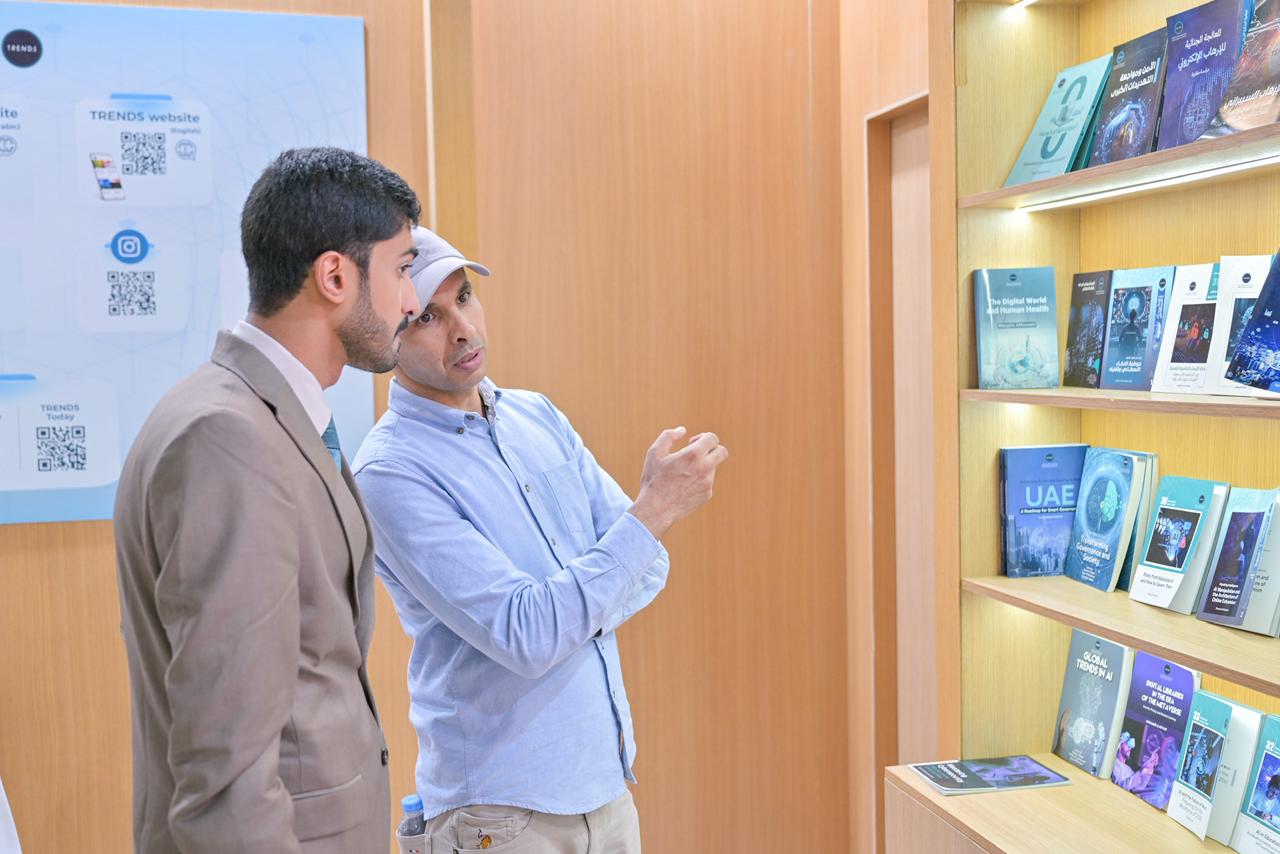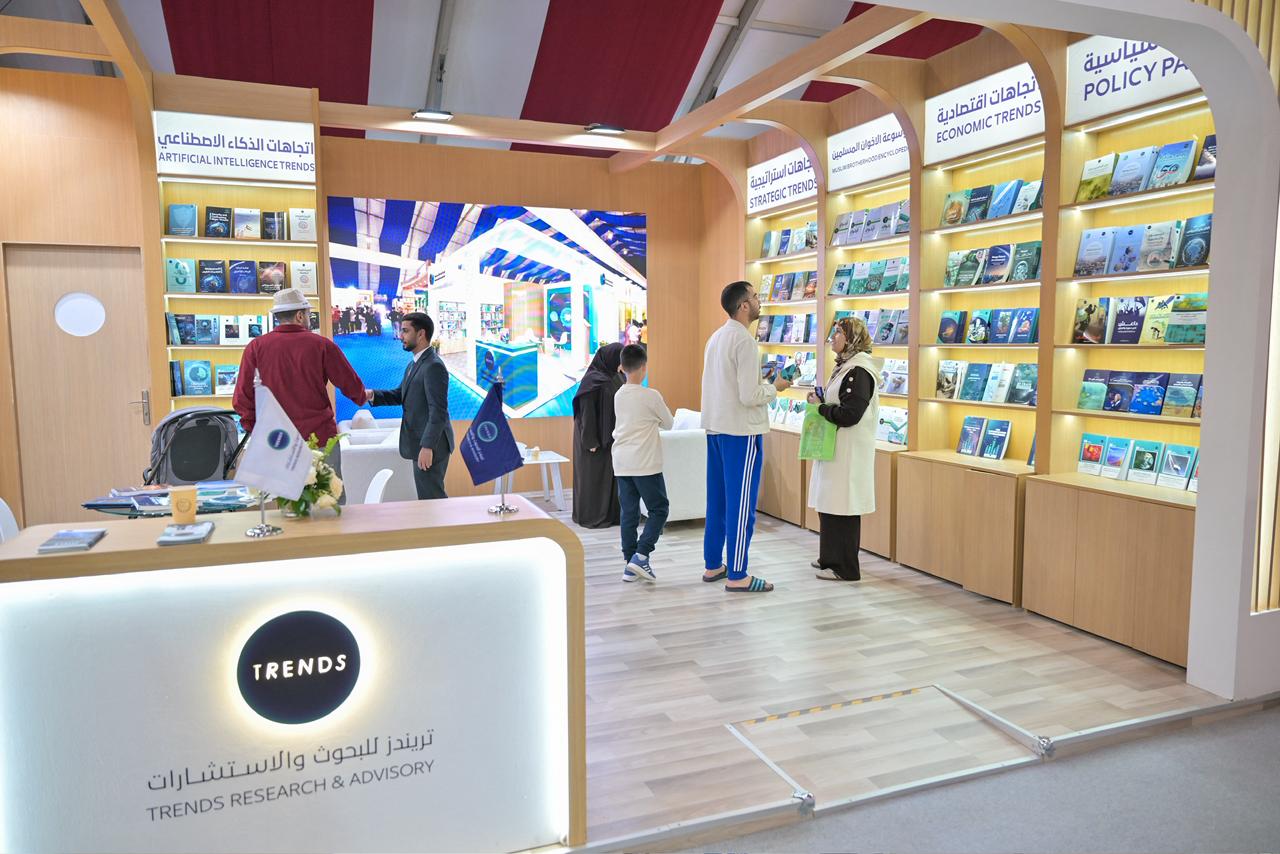
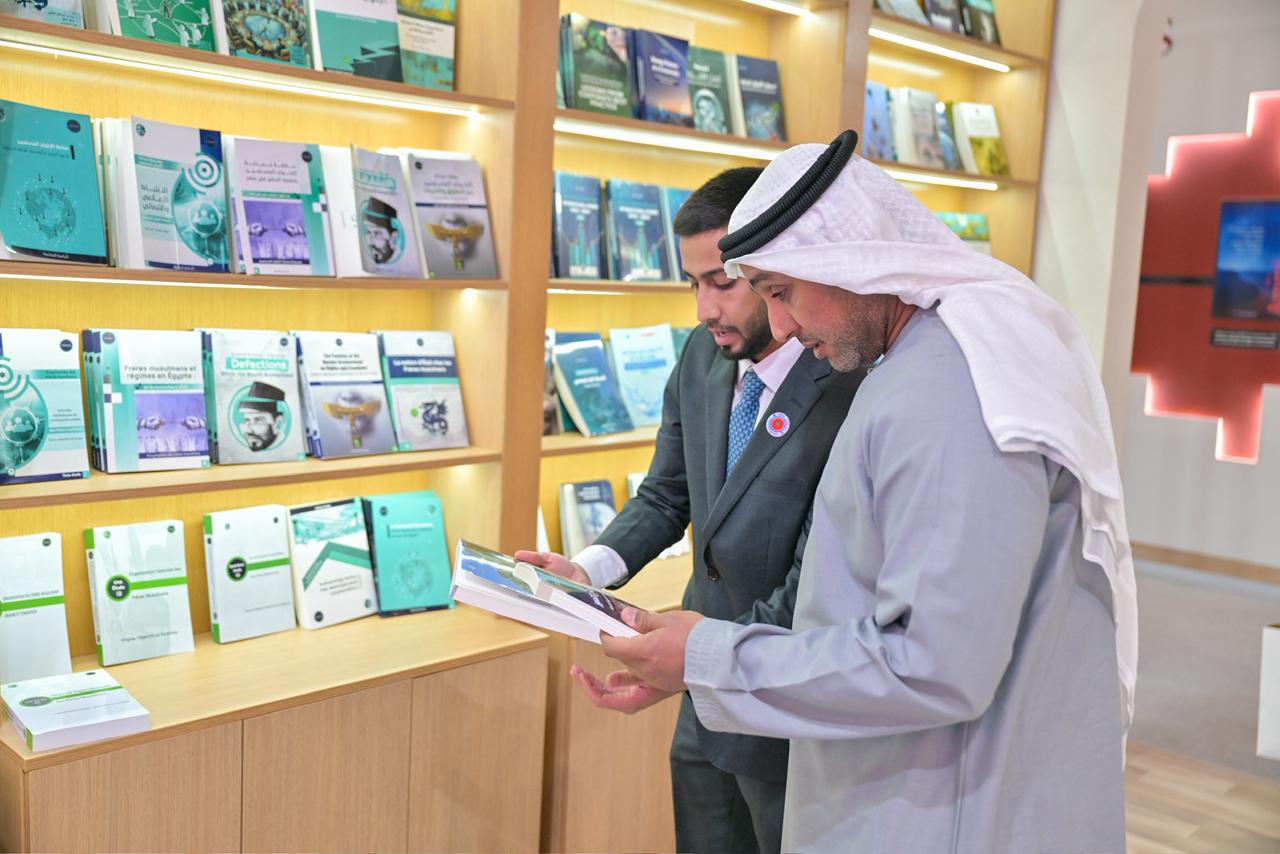
On the sidelines of its participation in the International Publishing and Book Fair in Rabat 2026, TRENDS Group, through its virtual office in Morocco, launched three new research publications, including the second volume of The Muslim Brotherhood: Expansion Experiences and Confrontation Approaches, and Space Diplomacy and State Trust: The UAE and the Strategic Rationale for Arab Space Cooperation, in addition to the Arabic and French versions of the Muslim Brotherhood International Power Index 2025.
The launch comes as part of the research and events program accompanying TRENDS’ second participation in the International Publishing and Book Fair in Rabat 2026, where it is presenting more than 450 diverse knowledge publications. Through its booth No. 36 in Hall B at the OLM Souissi in Rabat, the group seeks to support culture and knowledge and enrich global dialogue and constructive discussion.
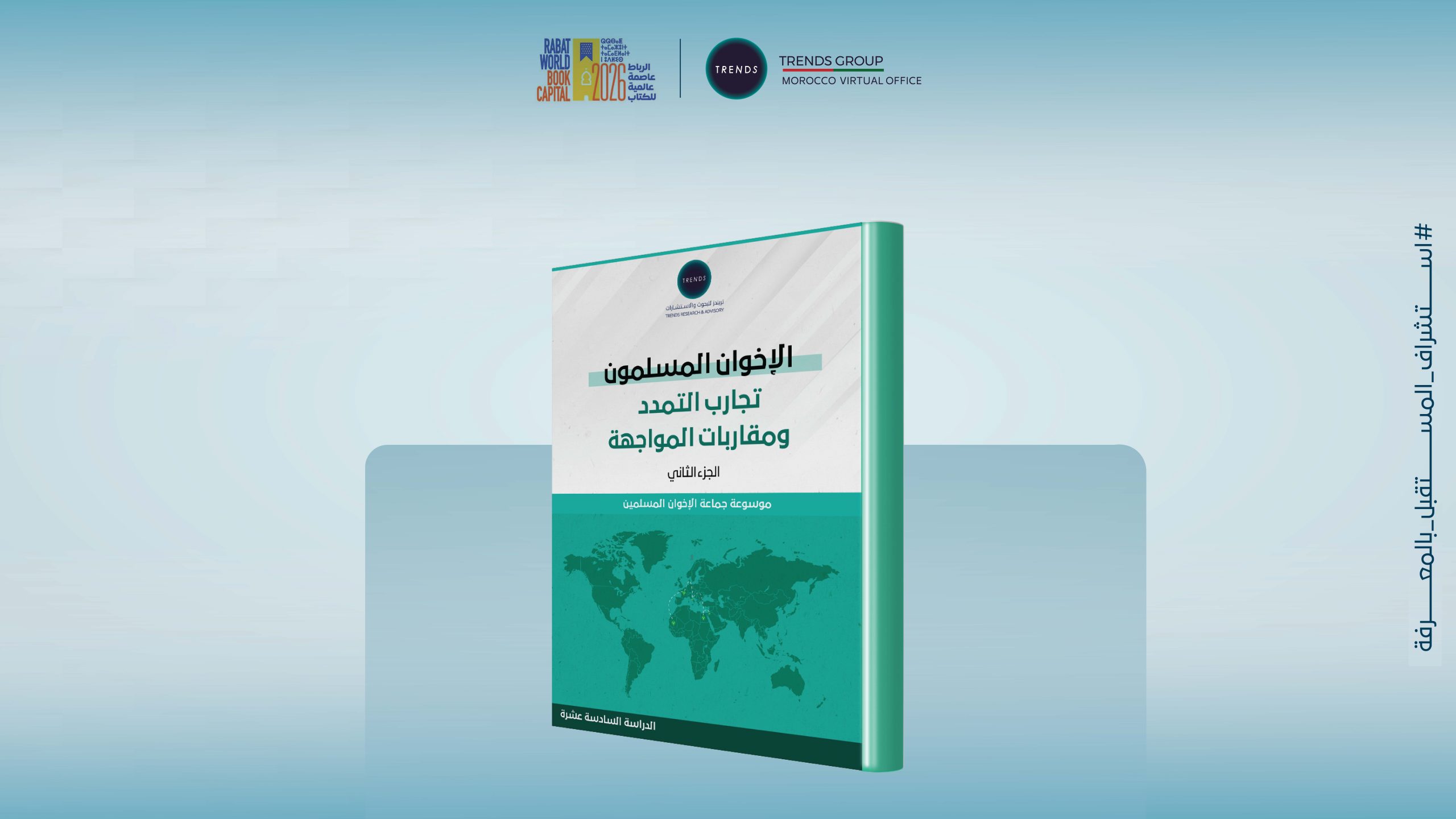
The Muslim Brotherhood’s Expansion
The second part of the book, The Muslim Brotherhood: Expansion Experiences and Confrontation Approaches, which is the 16th edition of the TRENDS encyclopedia on the Muslim Brotherhood, highlights the experiences of the group’s expansion in Egypt, Jordan, Mauritania, France, and Italy, which prove that hard security solutions alone cause rapid organizational contraction, but do not guarantee sustainability. On the other hand, open containment allows network repositioning. Therefore, it is likely that the five countries will move towards “smart, low-risk management,” which combines legal, regulatory, and security tools with cross-border institutional control.
Three Crucial Variables
The book identified three crucial variables that will govern the future of the Muslim Brotherhood: digital transformation and the transfer of activity to cyberspace, both of which require advanced monitoring and data analysis tools. Additionally, the level of regional and international coordination is crucial, as a single national approach loses its effectiveness in the face of cross-border networks, and the dynamics of the internal environment (political openness, economic performance, and the ability of official religious institutions to engage in advocacy).
The book concluded that the five countries are moving from confrontation to multi-level institutional management, relying on smart legislation, financial oversight, and international coordination. Success depends on adapting the tools to the political and social specificities of each country, as policies copied without contextual adaptation lose their effectiveness.
Space Diplomacy
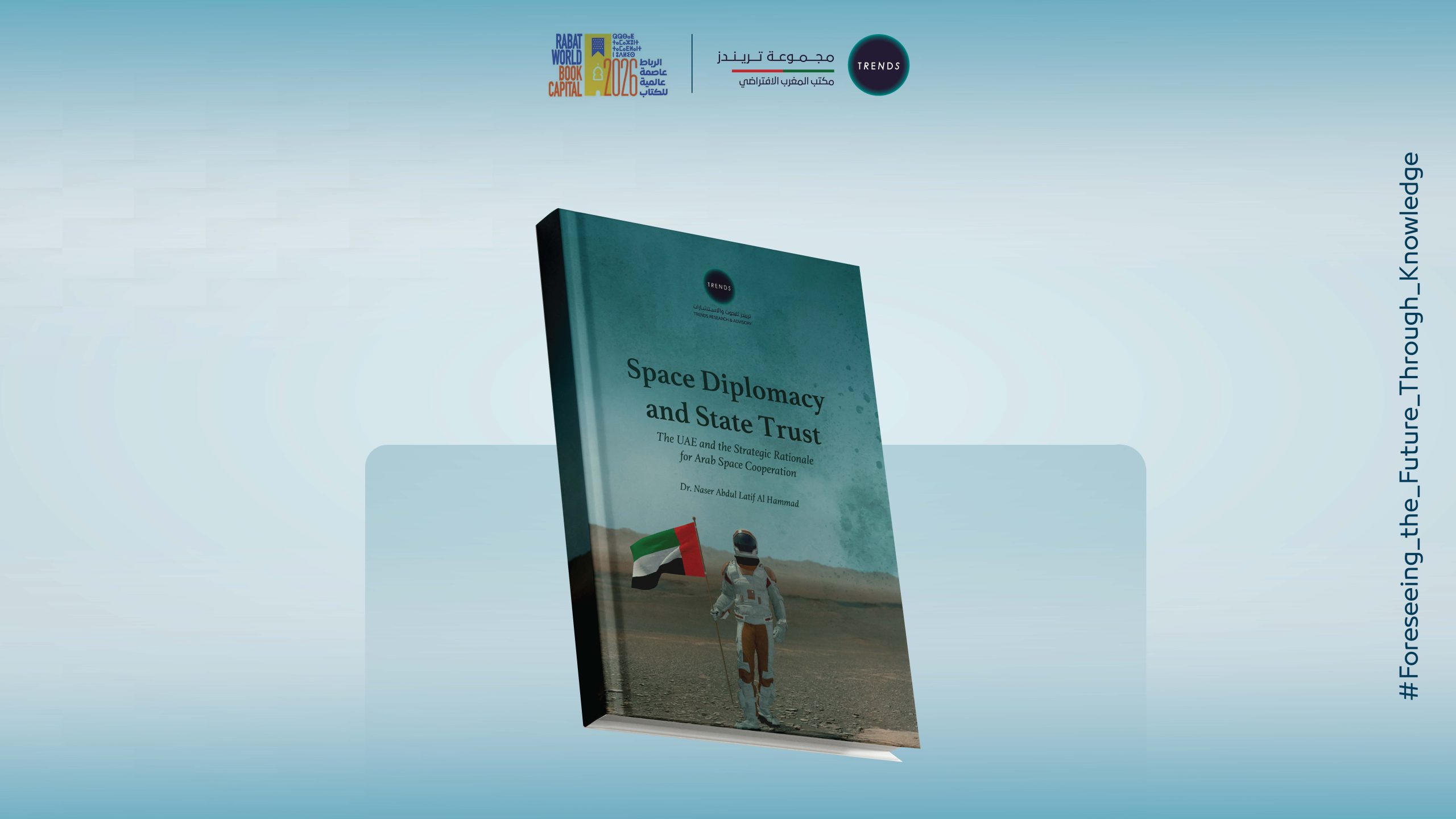
While the book Space Diplomacy and State Trust: The UAE and the Strategic Rationale for Arab Space Cooperation, by Dr. Naser Abdullatif Al Hammadi, explores how outer space has emerged as a new arena for diplomacy, cooperation, and trust-building between states, focusing on the UAE as a strategic model, the author believes that space activities (scientific cooperation, joint missions, and institutional partnerships) could be effective tools in foreign policy and soft power.
The book combines international relations theory and a mixed-methods research design to examine how space diplomacy shapes states’ perceptions of credibility, reciprocity, and institutional reliability, and shows how sustained cooperation in high-tech fields can enhance trust and strengthen regional partnerships.
The book places the UAE’s rapidly growing space program within broader geopolitical and diplomatic dynamics. This demonstrates how ambitious space initiatives can enhance international reputation, support regional cooperation, and position rising powers as influential actors in global governance. It also provides a framework for understanding how emerging technological fields can reshape diplomacy and trust in an increasingly competitive international system.
The Brotherhood’s International Influence
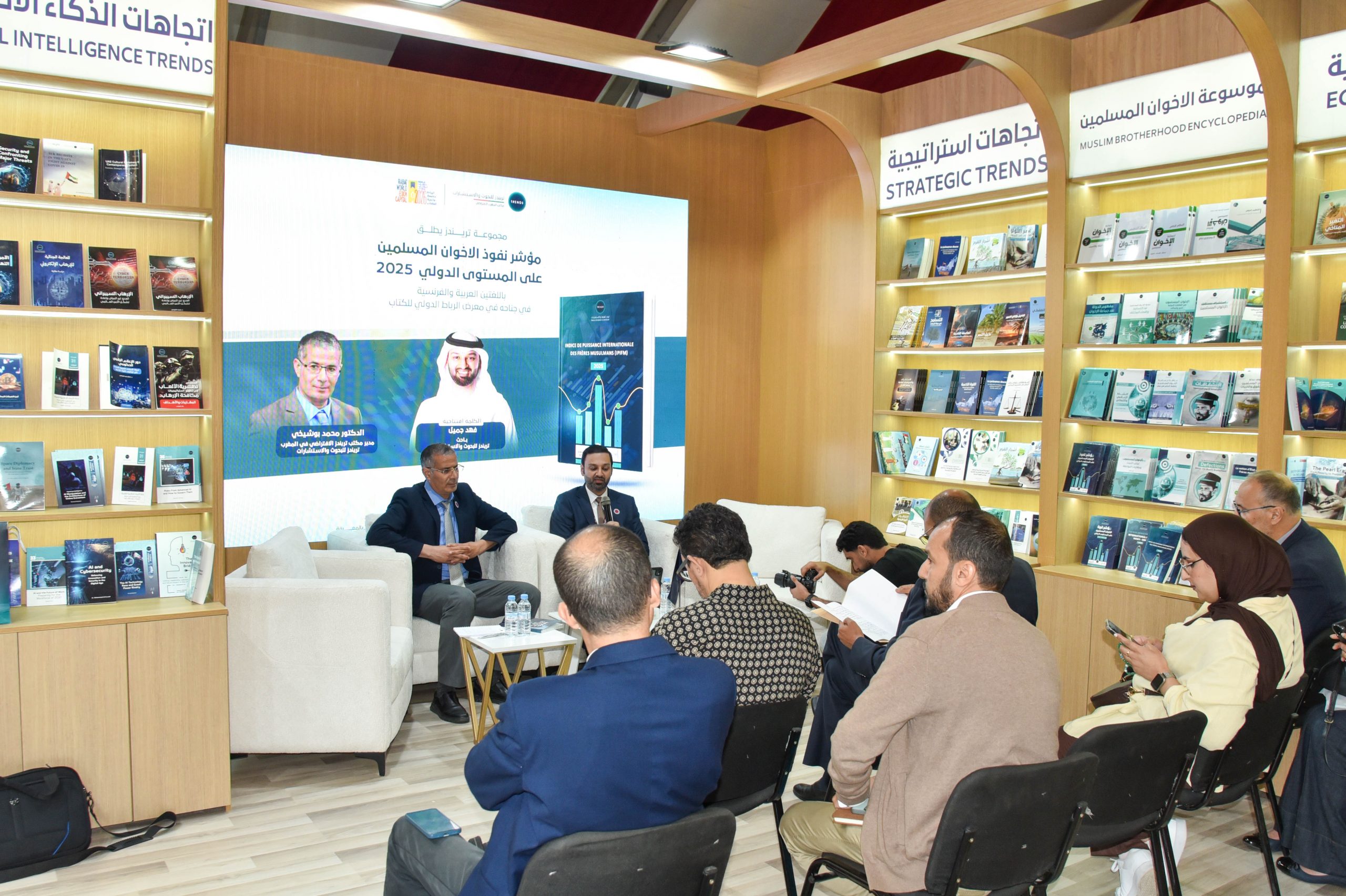
Meanwhile, the TRENDS Group launched the Arabic and French versions of the Muslim Brotherhood International Power Index 2025, followed by a discussion session in which
Mohammed Bouchikhi, director of the TRENDS virtual office in Morocco, Fahd Jameel, a researcher at the TRENDS Group, and several researchers and specialists participated. The session addressed the most prominent results of the index, which revealed a noticeable decline in the group’s power and a decrease in its popularity regionally and internationally, with the movement of the Brotherhood’s center from the Arab world to Western and Asian countries, which poses new challenges to the tools of intellectual and institutional confrontation.
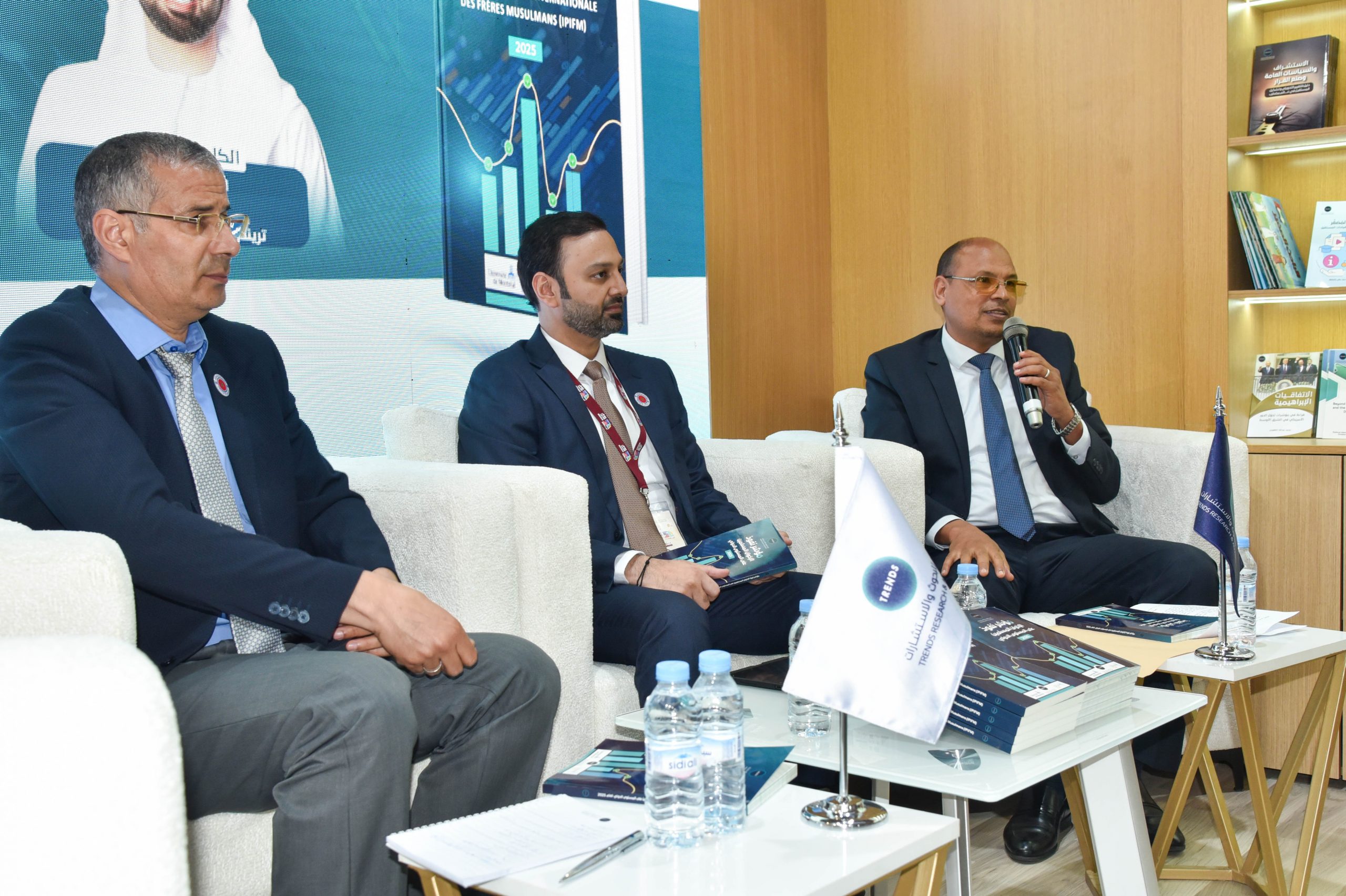
The participants pointed out that the results of the index confirm that the group continues to receive more severe blows that have weakened it, as the influence of the media and mobilization machine of the Muslim Brotherhood has decreased more than ever before due to unprofessionalism, lack of credibility, and exaggeration, as well as failure to mount a media comeback. Internal disputes have not subsided, and fragmentation within the group has not stopped.
They explained that the Muslim Brotherhood is facing more siege and undermining measures at the regional and international levels, in addition to the fragmentation of the most important international Brotherhood organizations, and the growing certainty among large segments of Arab and Islamic societies regarding the group’s duplicity and its exploitation of the region’s issues.