


Participants discussed strengthening the role of think tanks in supporting sustainable development and building strategic partnerships.
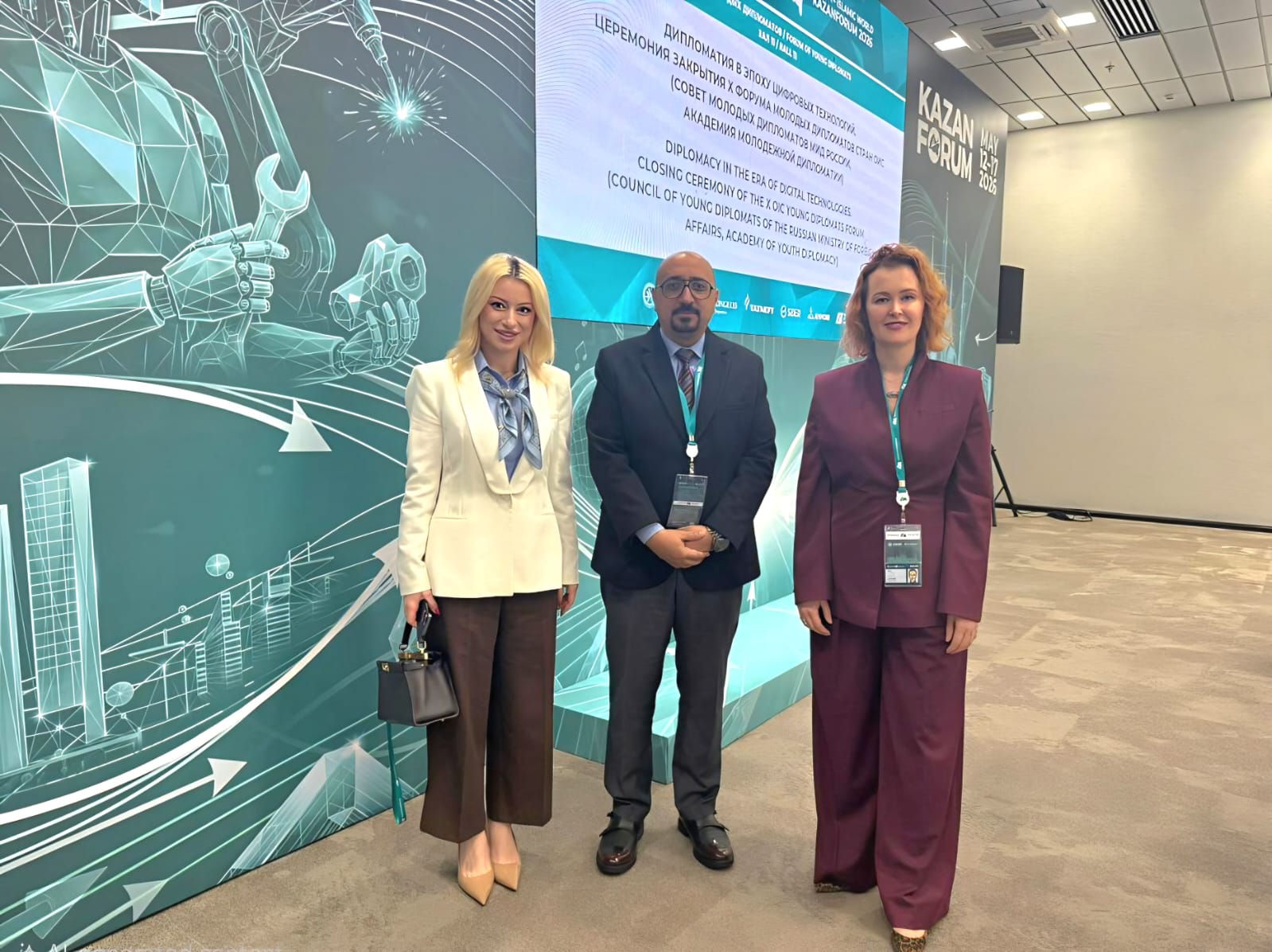
Through its Russia office, TRENDS Global participated in the activities of the Russia–Islamic World Kazan Forum 2026 to explore prospects of international cooperation and to strengthen the role of think tanks in supporting sustainable development and building strategic partnerships between Russia and countries of the Islamic world.
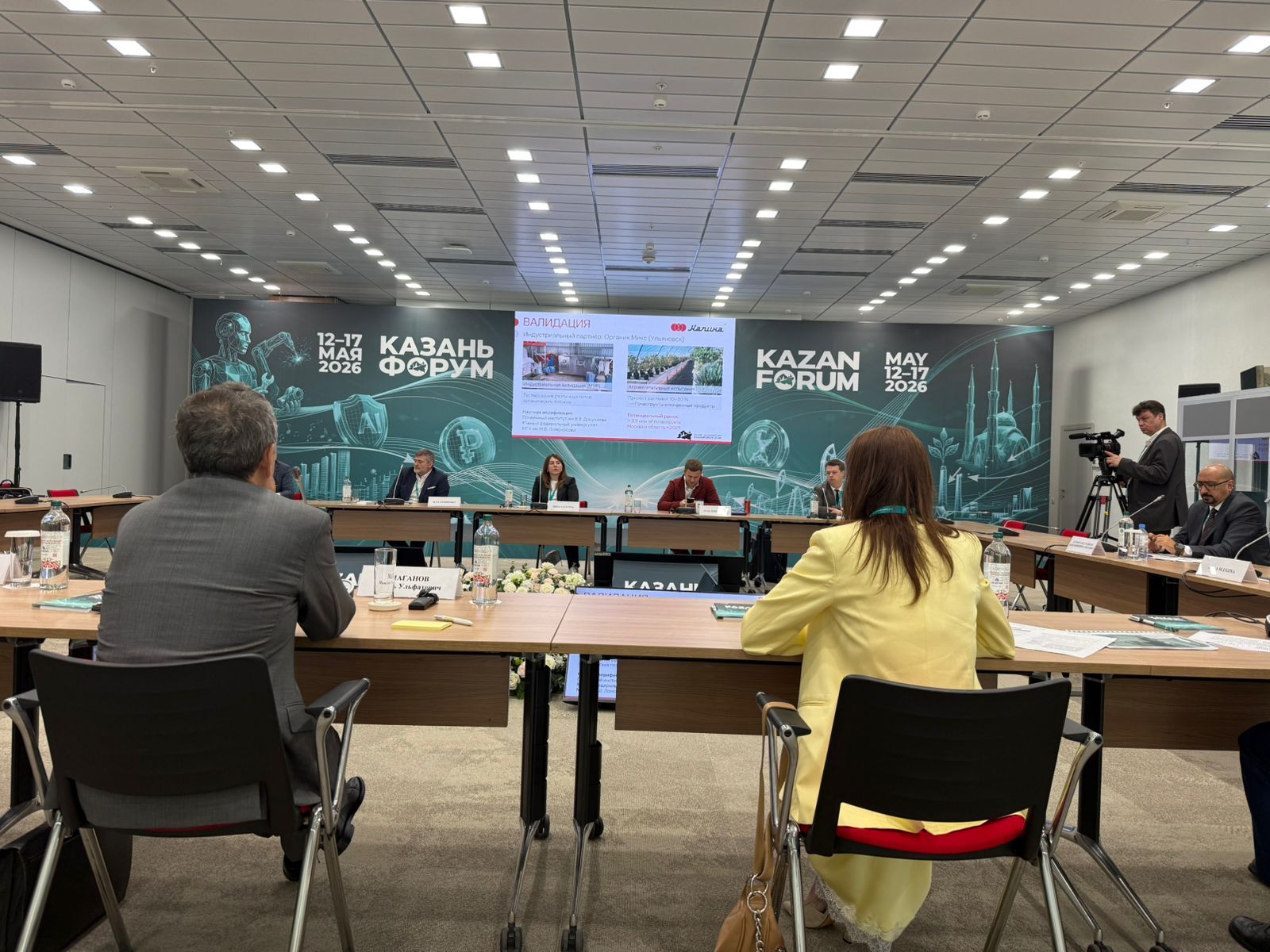
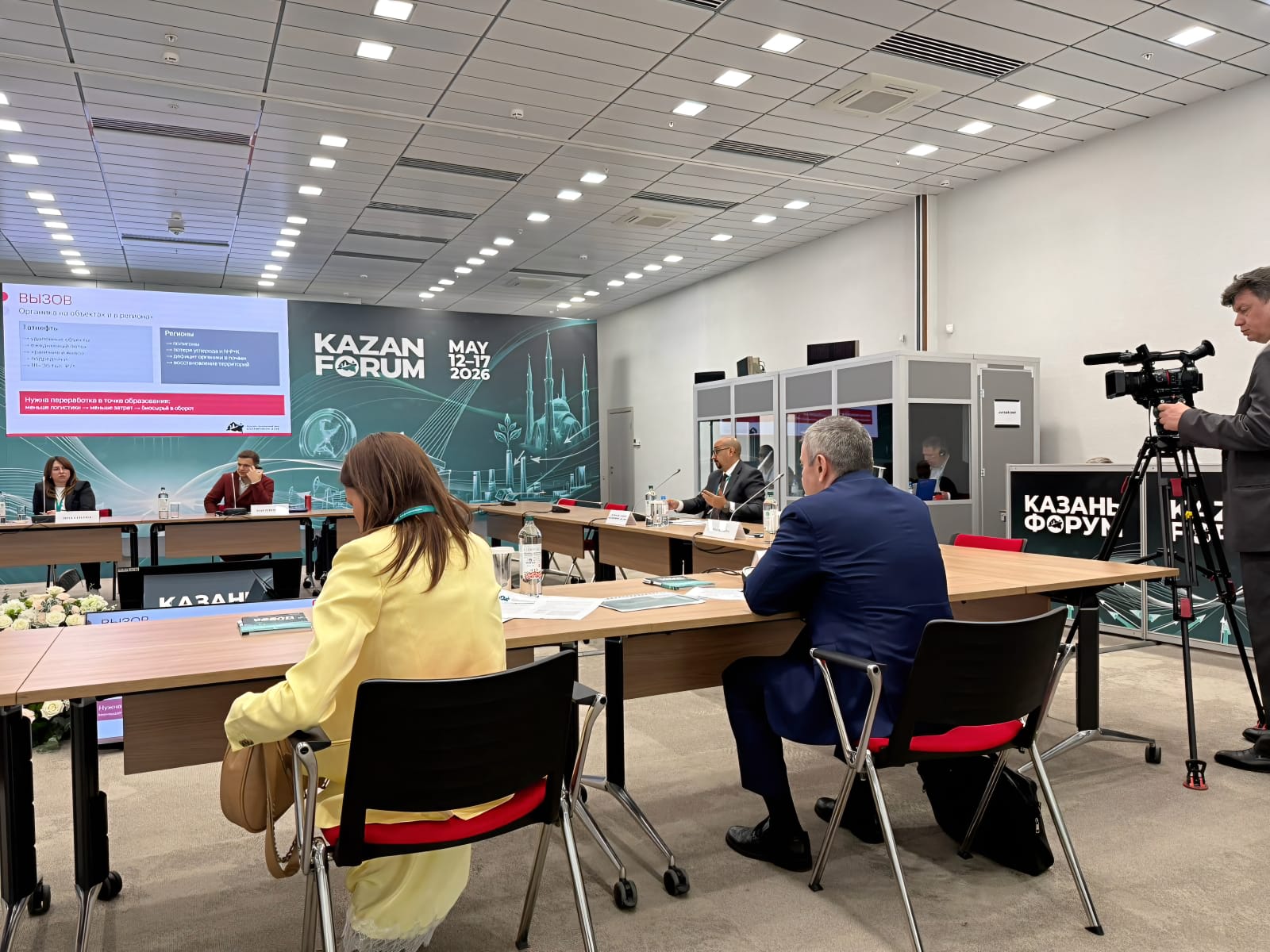
Dr. Mohamed Abdel Moneim Rashwan, Director of the TRENDS office in Moscow, delivered a keynote address on behalf of TRENDS as an international consulting partner during a session titled Nature as a Basis for Technological Alliances between Russia and the Countries of the Islamic World. The session discussed prospects of academic and technological cooperation and the role of innovation in building sustainable strategic partnerships between Russia and countries in the Islamic world, with participation from Tatneft Company, the Government of the Republic of Tatarstan, and other Russian regions at the forum.
 Transformations of the International System
Dr. Rashwan affirmed that the international system is undergoing rapid restructuring, in which considerations of environmental security, energy transition, and technological sovereignty are increasingly intertwined. He pointed out that climate issues are no longer separate environmental matters, but have become part of the equations of global economic influence.
He explained that the Middle East, Asia, and Africa are among the regions most affected by climate change, which grants the Gulf Arab states a strategic position as a pivotal partner in building new technological alliances based on clean energy, the bioeconomy, natural resource management technologies, and food security.
Challenges and Obstacles
The address highlighted three main obstacles hindering the establishment of fair and sustainable technological alliances. These include the green financing gap resulting from the concentration of patents and advanced technologies in major economies, compared with the high cost of financing in countries of the Global South; the complexities of intellectual property rights, which constitute a barrier to transferring environmental technology to developing economies; and the burdens of international environmental compliance, such as the European Carbon Border Adjustment Mechanism (CBAM), and the challenges it may impose on the economies of developing countries.
Transformations of the International System
Dr. Rashwan affirmed that the international system is undergoing rapid restructuring, in which considerations of environmental security, energy transition, and technological sovereignty are increasingly intertwined. He pointed out that climate issues are no longer separate environmental matters, but have become part of the equations of global economic influence.
He explained that the Middle East, Asia, and Africa are among the regions most affected by climate change, which grants the Gulf Arab states a strategic position as a pivotal partner in building new technological alliances based on clean energy, the bioeconomy, natural resource management technologies, and food security.
Challenges and Obstacles
The address highlighted three main obstacles hindering the establishment of fair and sustainable technological alliances. These include the green financing gap resulting from the concentration of patents and advanced technologies in major economies, compared with the high cost of financing in countries of the Global South; the complexities of intellectual property rights, which constitute a barrier to transferring environmental technology to developing economies; and the burdens of international environmental compliance, such as the European Carbon Border Adjustment Mechanism (CBAM), and the challenges it may impose on the economies of developing countries.
 Applied Models
The Director of the Trends office in Moscow reviewed several successful models of Gulf-Russian cooperation, most notably the sustainable cooperation with the United Arab Emirates, which spans clean energy, agriculture, supply chains, and food security.
Roadmap
The address concluded by proposing three pathways to strengthen cooperation between Russia and the countries of the Islamic world. These include developing regulatory frameworks and common standards for measurement and reporting aligned with the region’s realities, directing investments toward localizing environmental and clean energy technologies, and launching joint research and youth programs to build cadres capable of leading technological transformation.
Dr. Rashwan stressed that future alliances will not rely solely on traditional geopolitics, but rather on the shared ability to manage natural resources, develop technology, and build development models that are more just and sustainable.
Dialogue and Cooperation
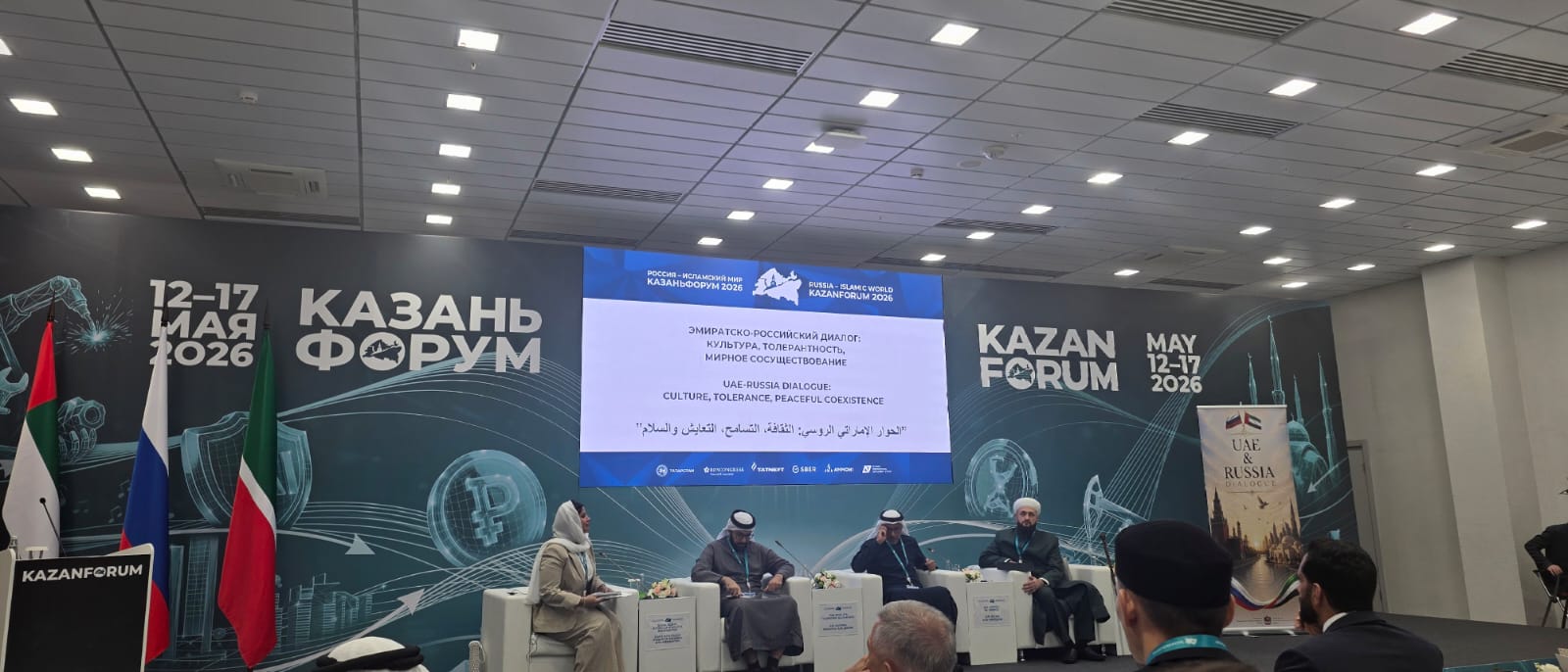
On another note, Trends Global, through its office in the Russian capital, Moscow, participated in the “Emirati-Russian Dialogue” session held as part of the Kazan Summit 2026 events, which was organized by the Embassy of the United Arab Emirates to the Russian Federation. The session witnessed a high-level attendance, including His Excellency Rustam Minnikhanov, President of the Republic of Tatarstan, His Excellency Sheikh Salem bin Khalid Al Qassimi, Minister of Culture, and His Eminence Kamil Hazrat Samigullin, Mufti of the Republic of Tatarstan, along with a distinguished group of officials and diplomats to discuss strengthening bilateral relations.
Applied Models
The Director of the Trends office in Moscow reviewed several successful models of Gulf-Russian cooperation, most notably the sustainable cooperation with the United Arab Emirates, which spans clean energy, agriculture, supply chains, and food security.
Roadmap
The address concluded by proposing three pathways to strengthen cooperation between Russia and the countries of the Islamic world. These include developing regulatory frameworks and common standards for measurement and reporting aligned with the region’s realities, directing investments toward localizing environmental and clean energy technologies, and launching joint research and youth programs to build cadres capable of leading technological transformation.
Dr. Rashwan stressed that future alliances will not rely solely on traditional geopolitics, but rather on the shared ability to manage natural resources, develop technology, and build development models that are more just and sustainable.
Dialogue and Cooperation
On another note, Trends Global, through its office in the Russian capital, Moscow, participated in the “Emirati-Russian Dialogue” session held as part of the Kazan Summit 2026 events, which was organized by the Embassy of the United Arab Emirates to the Russian Federation. The session witnessed a high-level attendance, including His Excellency Rustam Minnikhanov, President of the Republic of Tatarstan, His Excellency Sheikh Salem bin Khalid Al Qassimi, Minister of Culture, and His Eminence Kamil Hazrat Samigullin, Mufti of the Republic of Tatarstan, along with a distinguished group of officials and diplomats to discuss strengthening bilateral relations.
 On the sidelines of the summit, the Trends Global delegation met with Ms. Vera Nikolaevna, Director General of the RT news network, where they reviewed prospects for joint cooperation and ways to enhance partnership in the research and media fields. The delegation also held two prominent meetings: the first with His Excellency Azat Ziganshin, Minister of Ecology and Natural Resources of the Republic of Tatarstan, and the second with Mr. Nail Maganov, Director General of Tatneft, where discussions centered on enhancing knowledge partnerships and supporting relevant studies and research.
Transformations of the International System
Dr. Rashwan affirmed that the international system is undergoing rapid restructuring, in which considerations of environmental security, energy transition, and technological sovereignty are increasingly intertwined. He pointed out that climate issues are no longer separate environmental matters, but have become part of the equations of global economic influence.
He explained that the Middle East, Asia, and Africa are among the regions most affected by climate change, which grants the Gulf Arab states a strategic position as a pivotal partner in building new technological alliances based on clean energy, the bioeconomy, natural resource management technologies, and food security.
Challenges and Obstacles
The address highlighted three main obstacles hindering the establishment of fair and sustainable technological alliances. These include the green financing gap resulting from the concentration of patents and advanced technologies in major economies, compared with the high cost of financing in countries of the Global South; the complexities of intellectual property rights, which constitute a barrier to transferring environmental technology to developing economies; and the burdens of international environmental compliance, such as the European Carbon Border Adjustment Mechanism (CBAM), and the challenges it may impose on the economies of developing countries.
Applied Models
The Director of the Trends office in Moscow reviewed several successful models of Gulf-Russian cooperation, most notably the sustainable cooperation with the United Arab Emirates, which spans clean energy, agriculture, supply chains, and food security.
Roadmap
The address concluded by proposing three pathways to strengthen cooperation between Russia and the countries of the Islamic world. These include developing regulatory frameworks and common standards for measurement and reporting aligned with the region’s realities, directing investments toward localizing environmental and clean energy technologies, and launching joint research and youth programs to build cadres capable of leading technological transformation.
Dr. Rashwan stressed that future alliances will not rely solely on traditional geopolitics, but rather on the shared ability to manage natural resources, develop technology, and build development models that are more just and sustainable.
Dialogue and Cooperation
On another note, Trends Global, through its office in the Russian capital, Moscow, participated in the “Emirati-Russian Dialogue” session held as part of the Kazan Summit 2026 events, which was organized by the Embassy of the United Arab Emirates to the Russian Federation. The session witnessed a high-level attendance, including His Excellency Rustam Minnikhanov, President of the Republic of Tatarstan, His Excellency Sheikh Salem bin Khalid Al Qassimi, Minister of Culture, and His Eminence Kamil Hazrat Samigullin, Mufti of the Republic of Tatarstan, along with a distinguished group of officials and diplomats to discuss strengthening bilateral relations.
On the sidelines of the summit, the Trends Global delegation met with Ms. Vera Nikolaevna, Director General of the RT news network, where they reviewed prospects for joint cooperation and ways to enhance partnership in the research and media fields. The delegation also held two prominent meetings: the first with His Excellency Azat Ziganshin, Minister of Ecology and Natural Resources of the Republic of Tatarstan, and the second with Mr. Nail Maganov, Director General of Tatneft, where discussions centered on enhancing knowledge partnerships and supporting relevant studies and research.

