



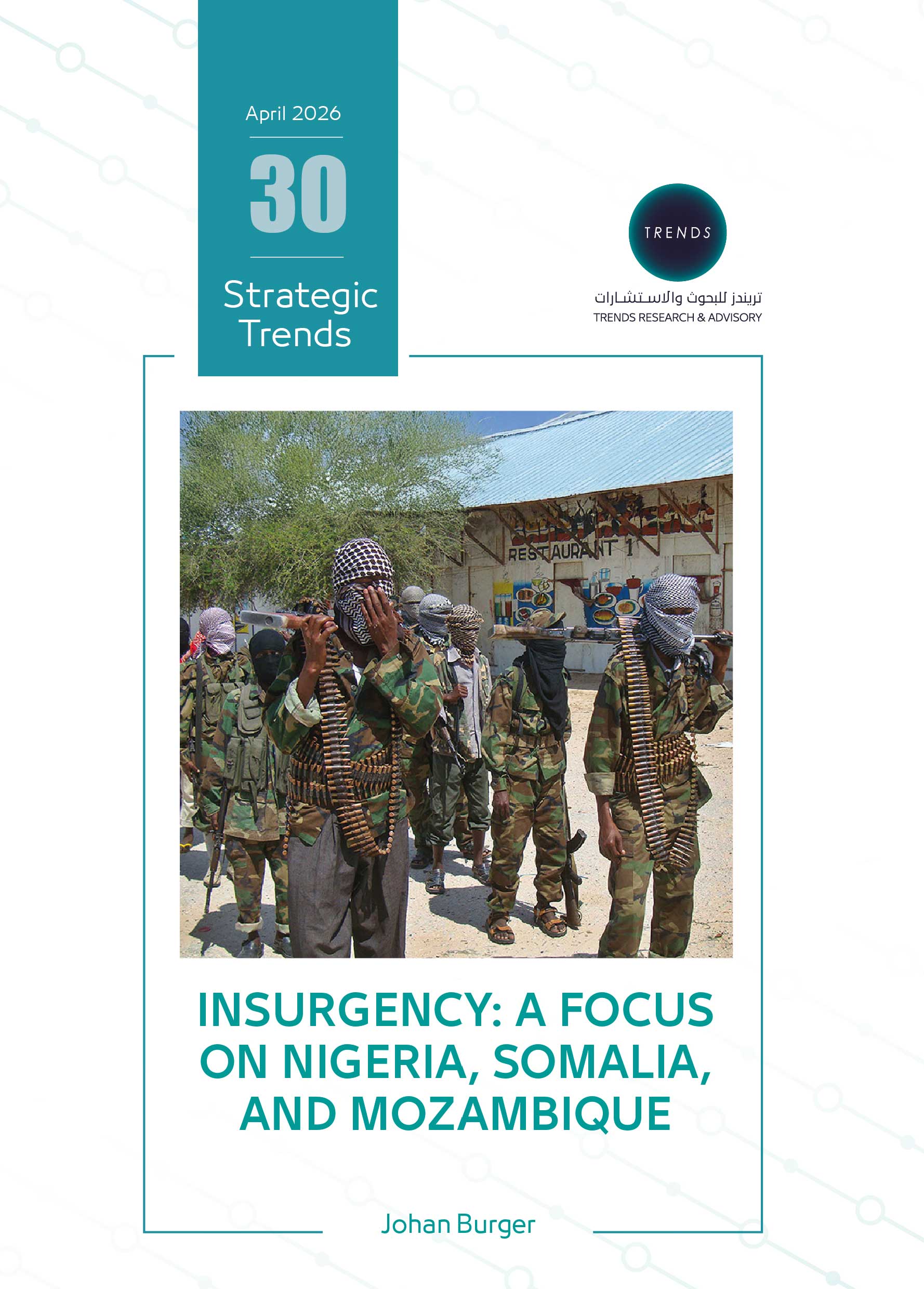
The Boko Haram insurgency in Nigeria has been a severe and persistent security challenge for the Nigerian government for about two decades. It is driven by poor socio-economic conditions in the region and is characterized by a lack of military success. Intra-regional governmental differences limit an effective response to the insurgency, which is ideologically influenced by religious beliefs from abroad. Fortunately, the insurgent group has split, diverting their attention from fighting the government to battling each other. It is imperative for the Nigerian government to address the poor socio-economic conditions in the country and create meaningful employment opportunities for the youth. Regional cooperation is also important to restrict the movement of the insurgents.
The insurgency in Somalia has several similarities with the insurgency in Nigeria, including an ideological doctrine imported from abroad, socioeconomic hardships in the country, insurgent operations moving beyond the borders of the country, a stronger focus on military action than on socio-economic strategies, and an insurgent movement splitting into two separate groups due to ideological differences. Al-Shabaab operations differ from the Nigerian case study by being much more focused on attacking urban areas, including targets such as hospitality locations, military bases, and government institutions. As is the case in Nigeria, more needs to be done to address the poor socio-economic conditions of the Somalis and to create meaningful employment opportunities. In Mozambique, insurgents have established a stronghold in Cabo Delgado province. The insurgent group is driven by a foreign religious ideology and exploits the poor socio-economic conditions in the country. The insurgency gained international attention in March 2021 when insurgents attacked the large town of Palma.
The Mozambican military struggles to contain the insurgency and has received support from foreign militaries, both from Africa and beyond. However, the insurgents in Mozambique portray themselves as protectors of the local population and receive support through recruits, supplies, and information. The offensive against the insurgents suffered a setback when the Southern African military support group withdrew in July. To tackle the insurgency effectively, the Mozambican government must significantly improve socioeconomic conditions and create meaningful employment opportunities for the youth. All three case studies indicate that the absence of a regional approach to an insurgency allows the insurgents to regroup and resupply in safer conditions.
The insurgencies in all three countries can potentially limit the success of the African Continental Free Trade Area (AfCFTA). The AfCFTA, which provides for the freedom of movement of people, goods, services, and capital throughout Africa, could also unintentionally ease the movement of insurgents.
